English
 Español
 عربى
عربىProduct Consultation
Your email address will not be published. Required fields are marked *
Water flow is a fundamental consideration when selecting a sink, and the shape of a handmade sink can significantly influence how liquids move and drain. Buyers often explore different designs and consult a handmade sink factory to understand which shapes support smoother drainage and reduce pooling. By considering factors such as slope, basin depth, bowl configuration, and drain placement, buyers can identify designs that suit both kitchen tasks and cleaning routines. Understanding these aspects helps ensure that the sink performs consistently and fits the kitchen’s overall layout.
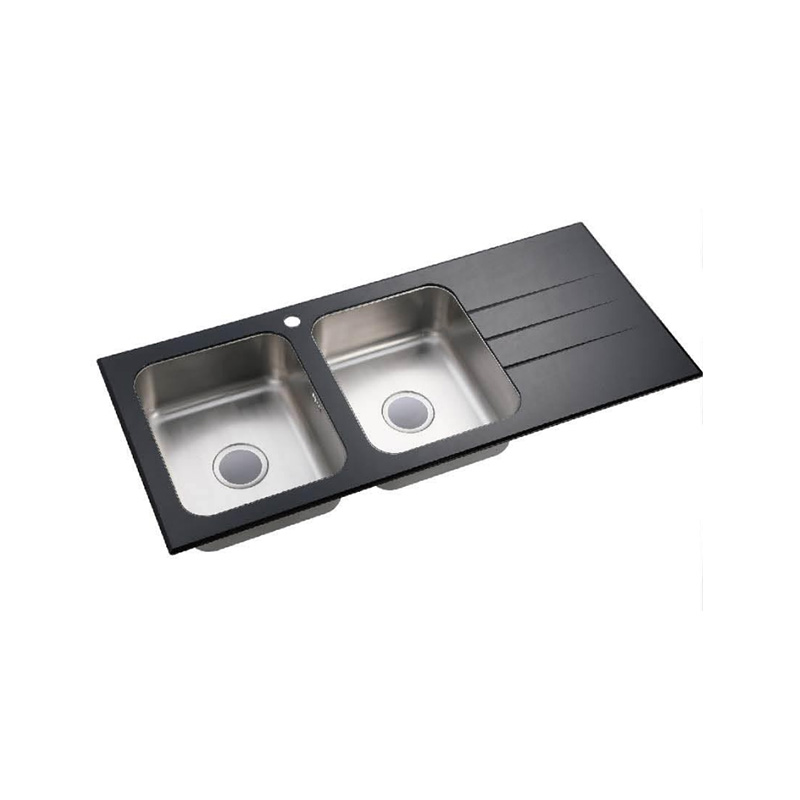
The shape of a sink basin directly affects how water travels toward the drain. Rounded corners, gently sloped bases, and well-positioned drain openings facilitate smoother water movement and reduce areas where water may collect. In contrast, sinks with steep angles or uneven bases can slow drainage, leaving residual water in corners. Buyers can request visual guides or diagrams from a handmade sink factory to compare basin profiles and understand how variations in shape influence water behavior. Observing these design differences allows for informed decisions when selecting a sink for daily kitchen activities.
The number of basins is another factor influencing water flow. Single-bowl sinks generally allow water to drain without obstruction, while double-bowl or multi-bowl designs require attention to the placement of drains and slopes. Proper design ensures that both compartments maintain steady drainage, which is important for tasks such as rinsing vegetables, soaking dishes, or draining utensils. Buyers can discuss bowl proportions and arrangements with a handmade sink factory to see which configuration meets the practical demands of their kitchen while maintaining consistent water movement.
Basin depth and sidewall slope are key elements that influence drainage efficiency. Deeper sinks can accommodate larger volumes of water, but if the base is flat or the slope insufficient, pooling may occur. Shallower sinks with moderate slopes often encourage water to move naturally toward the drain, simplifying cleaning and preventing water from stagnating. Buyers can request specifications or recommendations from a handmade sink factory regarding slopes and depth ratios, which provides insight into how the sink will behave during regular use.
The position of the drain affects water flow and can vary according to basin shape. Central drains support even distribution, while offset or corner drains can direct water to one side. Accessories like strainers, cutting boards, or drying racks may influence drainage patterns. Buyers should consider how these features interact with the sink’s shape. Consulting a handmade sink factory allows buyers to evaluate whether the integration of these elements maintains consistent water flow or introduces areas where water might collect.
While basin shape is a primary factor, the material of the sink also contributes to water behavior. Smooth surfaces, such as those found in stainless steel, composite, or polished stone sinks, allow water to flow steadily toward the drain. Textured or matte finishes may slightly slow drainage and retain small droplets. Factories can provide guidance on which materials pair effectively with certain basin shapes, helping buyers select a combination that balances aesthetics, cleaning convenience, and functional water movement.
Before making a final choice, buyers may consider evaluating water flow through visual tests or sample installations. Demonstrations provided by a handmade sink factory can show how different shapes handle water under realistic conditions. This practical assessment allows buyers to see whether water drains efficiently, whether pooling occurs, and how the sink performs with everyday kitchen tasks. Such evaluations help buyers make choices grounded in observation rather than relying solely on specifications.
Sink shape should be considered alongside the broader kitchen layout. Even a sink designed for efficient water flow should fit well with countertops, faucet placement, and surrounding appliances. Buyers should think about typical kitchen tasks, such as washing large pots, rinsing produce, or soaking utensils, and ensure the sink’s shape supports these routines. Consulting with a handmade sink factory helps align shape, size, and installation considerations, ensuring that the selected sink functions smoothly within the intended kitchen environment.
How Can Buyers Assess Handmade Sink Craftsmanship Before Ordering?
How Do Handmade Sink Factories Balance Tradition And Modern Techniques?
Your email address will not be published. Required fields are marked *

Introducing our 19" x 19" single bowl black color sink, a stellar addition to our PVD sink collection. Designed with both aesthetics and functionality in mind, this sink is suitable for modern kitchen...
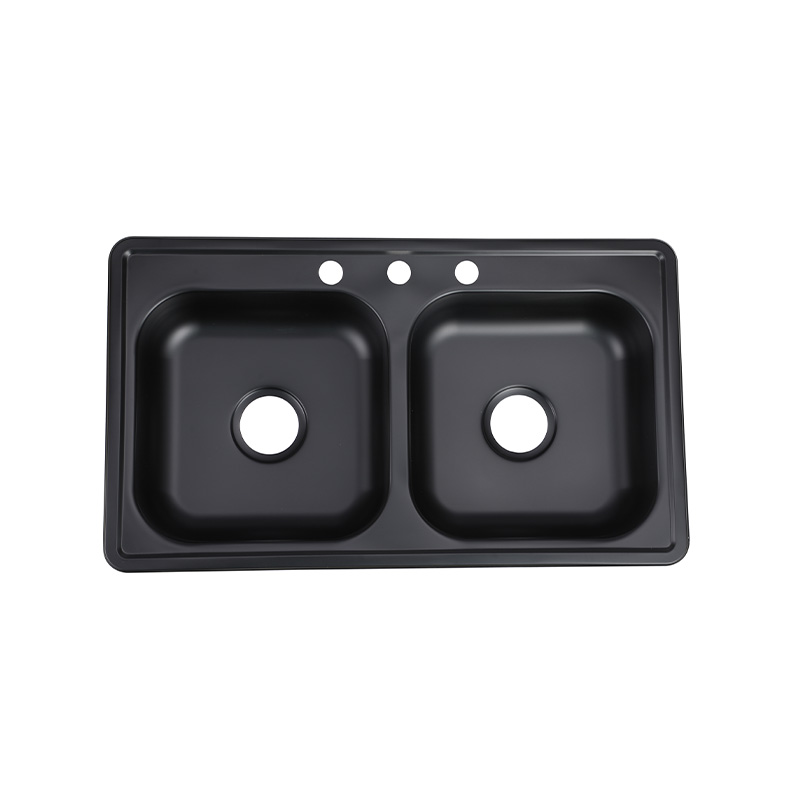
Welcome to the epitome of modern kitchen elegance and functionality with our new 33" x 19" Double Bowl Black Color Sink. This stunning sink, featuring advanced PVD (Physical Vapor Deposition) coating,...
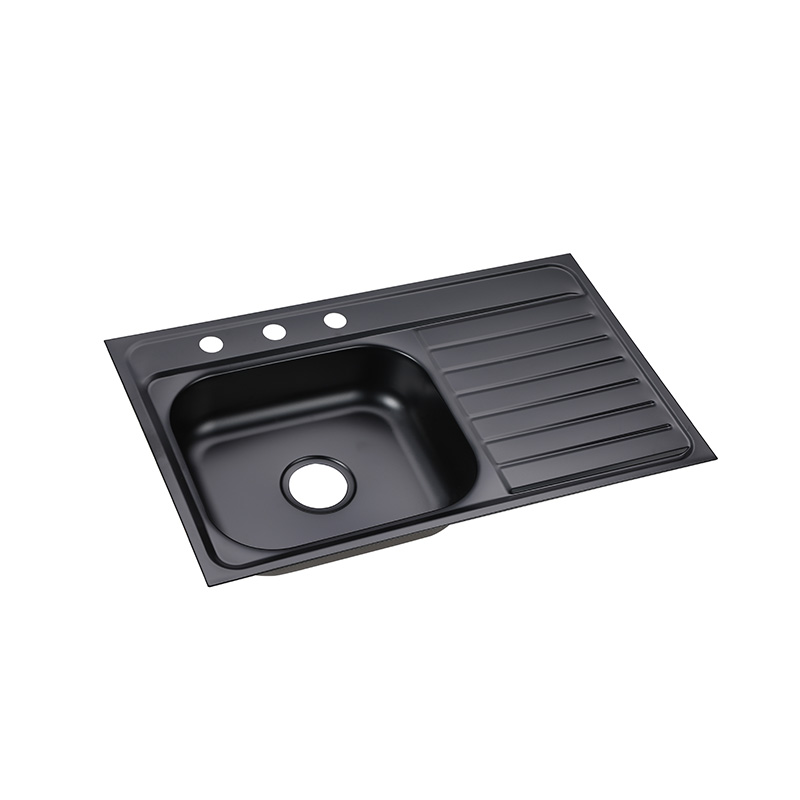
Welcome to our collection of premium PVD sinks, where functionality meets style. Among our diverse range of kitchen fixtures, the 800*500mm Left Bowl with Right Tray Sink in Black stands out as a test...
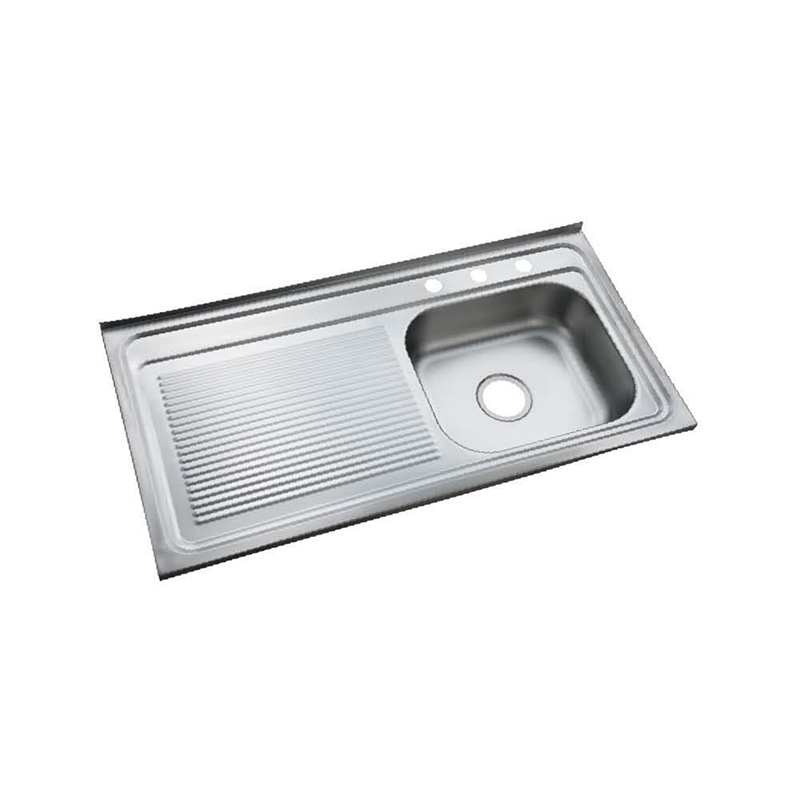
The XAL10050ERG 1000*500 mm right bowl with left tray sink in GREY color is a modern, versatile addition to any kitchen. This sink combines functionality with a sleek design, offering a practical solu...
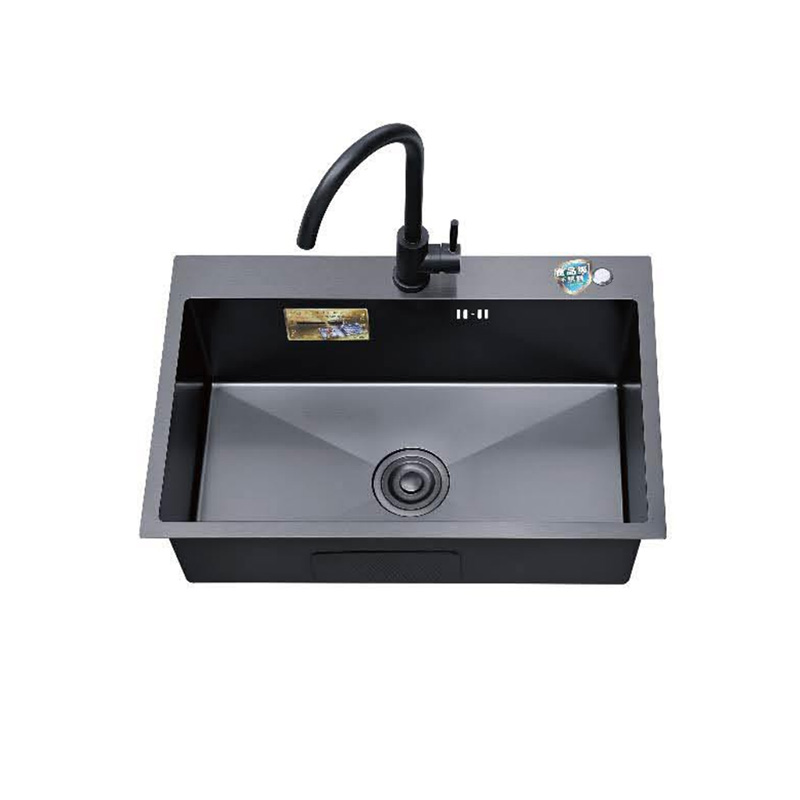
In the realm of kitchen fixtures, the single bowl handmade sink stands as a testament to the fusion of craftsmanship and functionality. Crafted with precision and care, each sink exudes a unique charm...
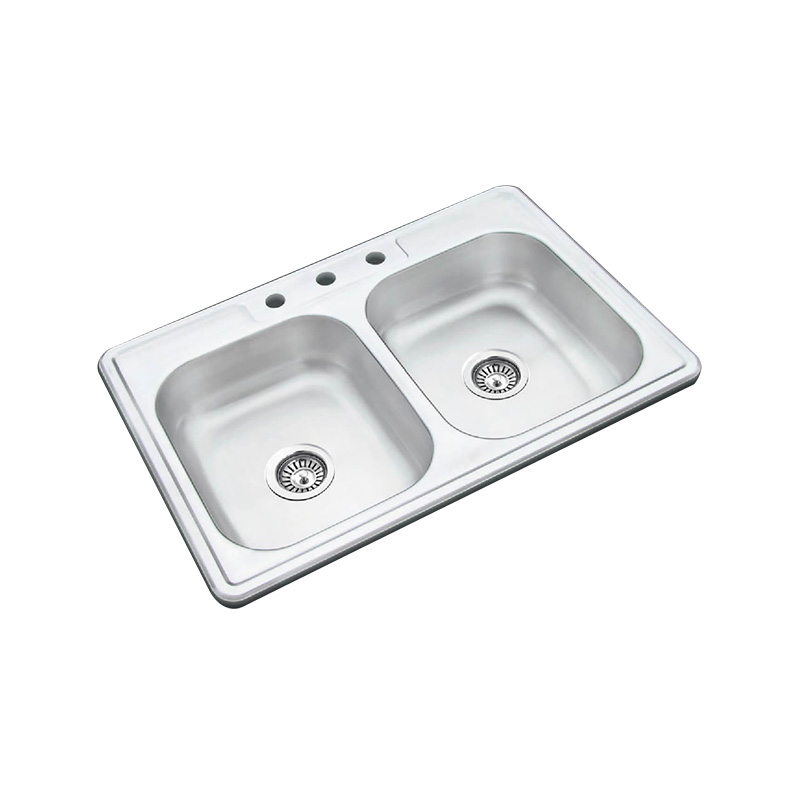
In the realm of kitchen essentials, versatility and efficiency are important. Our 3333"* 22" double bowl sink combines functionality and durability and is designed to enhance your kitchen experience. ...
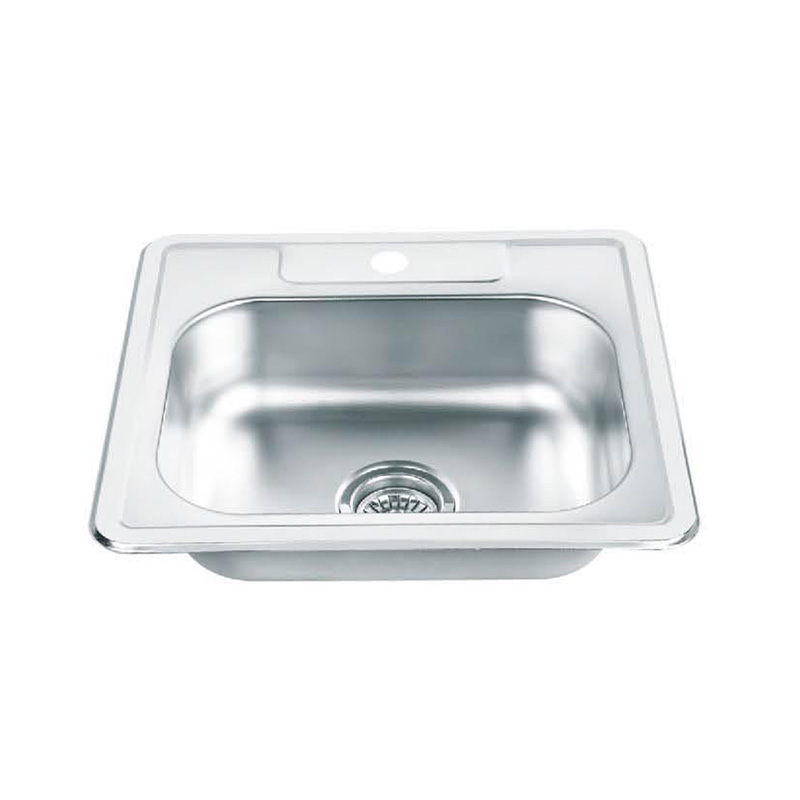
Welcome to our product showcase for the 20"*19" single bowl sink, a blend of practicality and elegance designed to meet the diverse needs of modern kitchens. This compact and efficient sink is tailore...
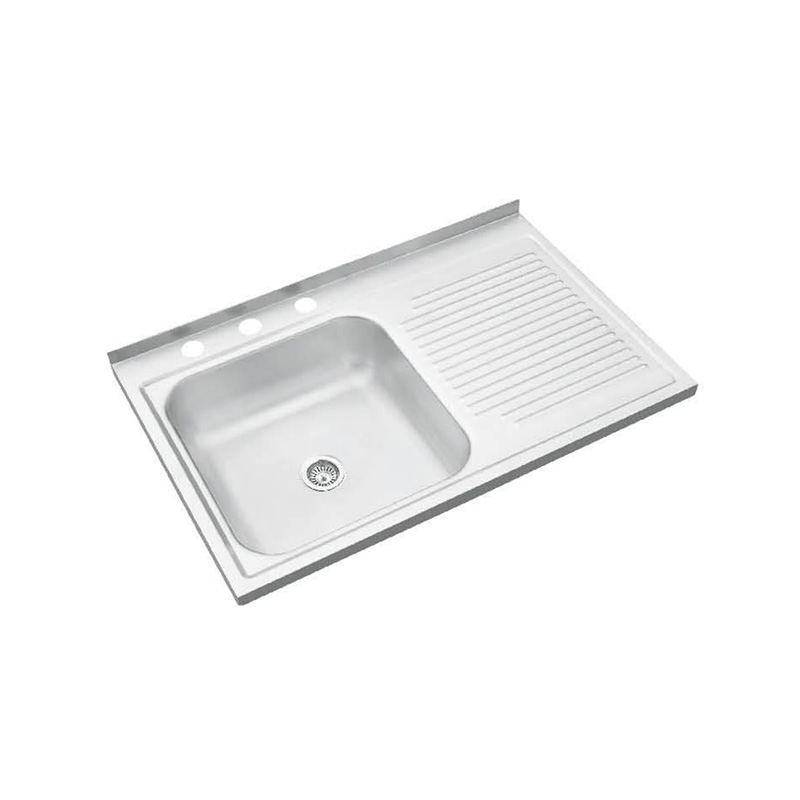
In the realm of kitchen fixtures, versatility and efficiency are important. Our 800*500 mm Left Bowl with Right Tray Sink offers a seamless blend of functionality and convenience, tailored to suit var...
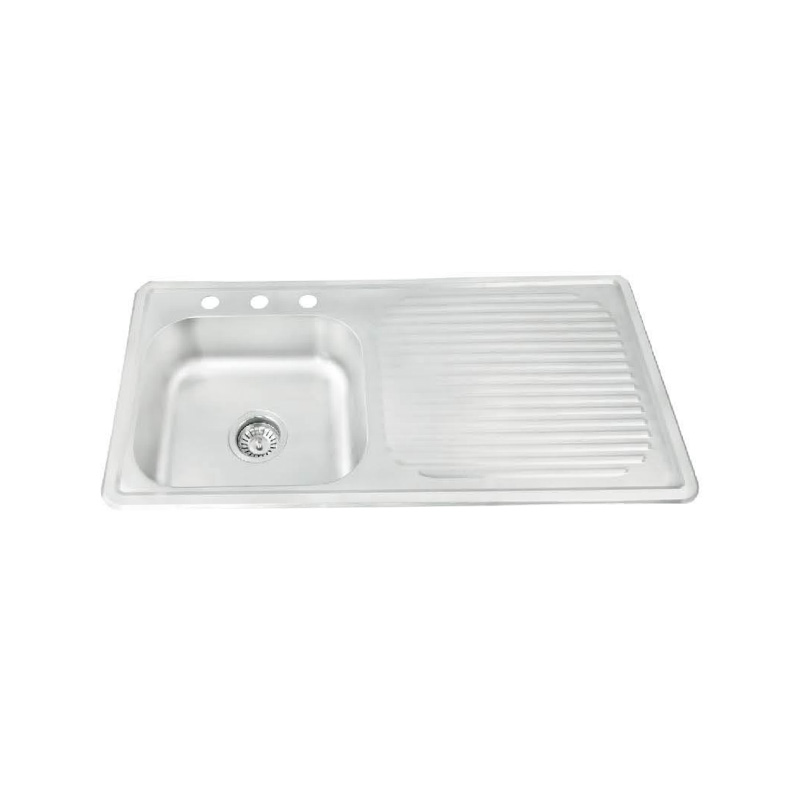
The 1000*500 mm left bowl with right tray sink is a good choice for modern kitchens requiring both style and functionality. This versatile sink is designed to handle the demands of a busy kitchen whil...
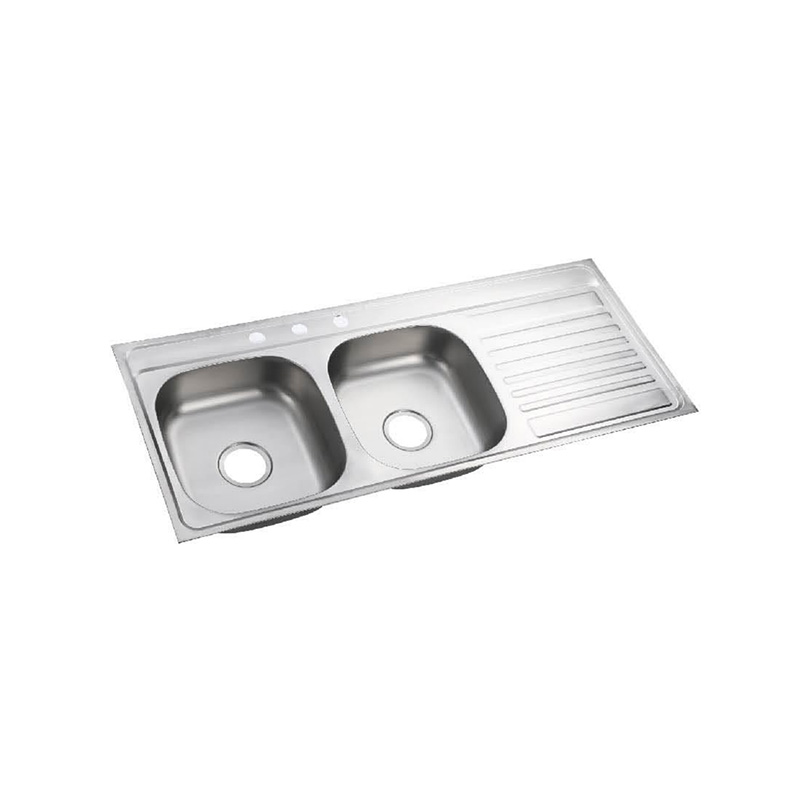
Introducing the 1200*500 mm left double bowl with right tray sink, a versatile solution for modern kitchens seeking enhanced functionality and convenience. This meticulously crafted sink combines the ...
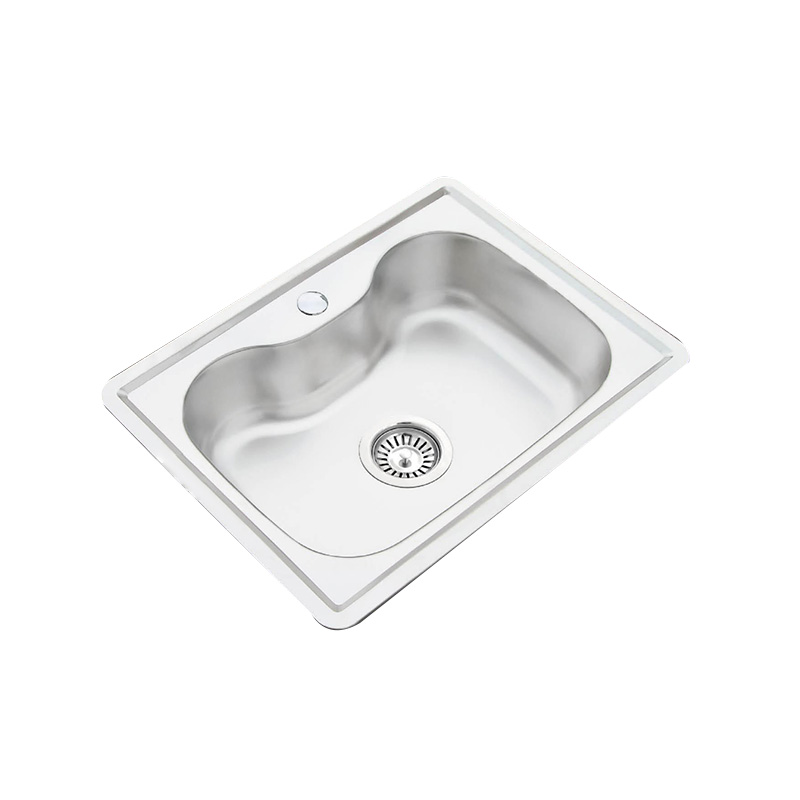
In the evolving world of kitchen design, the need for compact, efficient, and durable solutions has never been greater. Our 600*420 mm single bowl sink addresses these needs suitablely, combining spac...
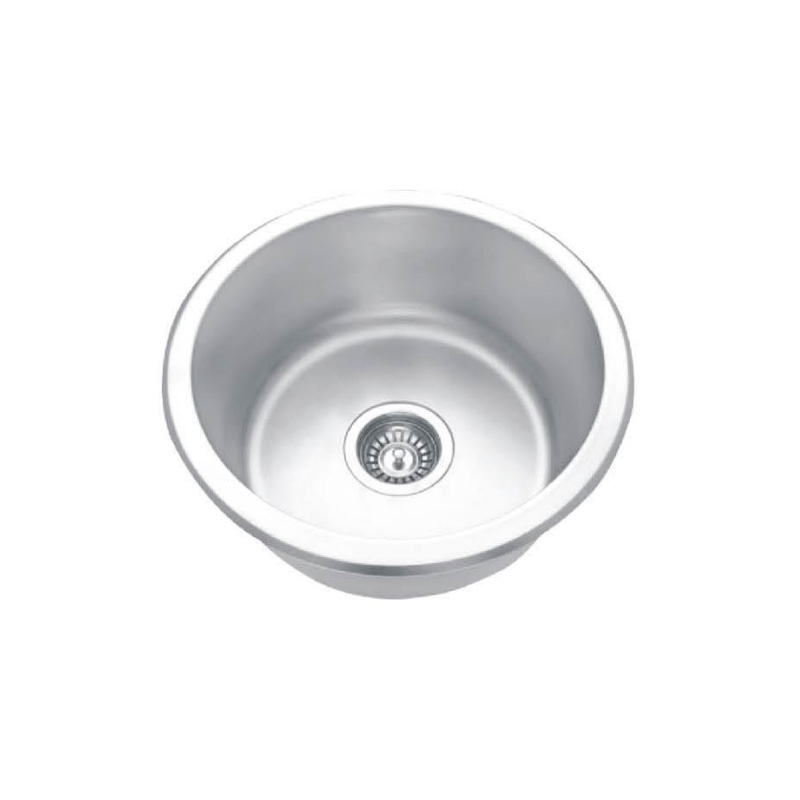
In the realm of functional kitchen fixtures, the sink reigns as a pivotal element. Enter our 420*420 mm round single bowl sink, a combination of utility and elegance that redefines kitchen essentials....

TaiZhou RunHeng Sanitary Ware Co., Ltd is an export-oriented enterprise integrating R&D, production and sales of stainless steel kitchen sink.
Copyright © 2024 TaiZhou RunHeng Sanitary Ware Co., Ltd. All Rights Reserved.
Commercial Undermount Kitchen Sinks Factory