English
 Español
 عربى
عربىProduct Consultation
Your email address will not be published. Required fields are marked *
The production of handmade sinks often involves a combination of traditional craftsmanship and modern manufacturing techniques. Handmade sink factories aim to retain artisanal skills while integrating contemporary tools and processes to enhance consistency, precision, and workflow efficiency. Understanding how these approaches are combined can help buyers appreciate the value of handcrafted sinks and make informed decisions when selecting products for their kitchens.
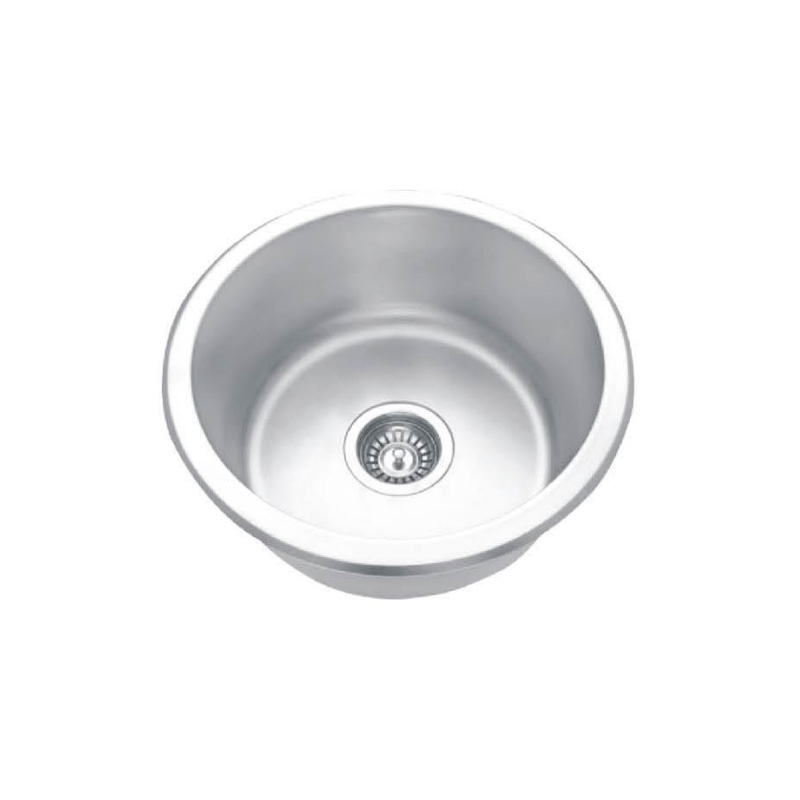
Traditional techniques in sink production include hand shaping, polishing, and finishing. Skilled artisans apply careful attention to detail, ensuring that each sink has smooth surfaces, even edges, and consistent proportions. These methods allow for subtle variations in texture and form that contribute to the character of the sink. Buyers interested in a unique appearance often look for these details, as they indicate hands-on involvement in the creation process. A handmade sink factory may allocate specific tasks to artisans to maintain these aspects of the production, such as hand-sculpting basin contours or manually refining corners.
Alongside traditional methods, modern tools and equipment play a role in ensuring dimensional accuracy, surface uniformity, and efficiency. Machines for cutting, pressing, or polishing can reduce manual strain and maintain consistent results across multiple units. Factories often use computer-aided design (CAD) systems to plan sink dimensions and ensure precise alignment of components such as drain openings or pre-drilled faucet holes. By combining these modern processes with artisanal finishing, factories can produce sinks that are both visually appealing and functionally appropriate for diverse kitchen settings.
Balancing tradition and modern techniques also involves systematic quality control. Handmade sink factories typically implement inspection routines to check dimensions, slopes, and surface finish. This ensures that each sink meets the intended specifications without compromising handcrafted details. Buyers can request information about these quality checks to understand how the factory maintains uniformity while preserving artisanal features. Knowing that both manual and mechanical inspections are applied can provide confidence in the consistency and overall craftsmanship of the sink.
Material handling is another area where traditional and modern approaches intersect. Artisans often prefer to work with raw materials that respond well to hand shaping, while modern techniques allow for precise cutting and shaping that reduces waste. Factories may employ processes to treat metals, composites, or stone before artisans complete the final touches. This combination helps manage material use efficiently while retaining the character and texture that comes from hands-on work. Buyers interested in the material origin and preparation can ask a handmade sink factory for details, which offers insight into both sustainability practices and the care applied during production.
Handmade sink factories also balance tradition and modern methods when offering customization. Modern design tools allow for detailed measurements, 3D modeling, and simulation of drainage or fit, which helps predict how a customized sink will perform. Artisans then bring these designs to life with hand finishing, ensuring that unique shapes, patterns, or textures are preserved. Buyers benefit from this approach because it combines practical planning with handcrafted quality, allowing for sinks that meet specific size, shape, or aesthetic requirements.
Combining traditional and modern techniques can also improve overall workflow in the factory. Machines handle repetitive or physically demanding tasks, while artisans focus on intricate shaping and finishing. This balance reduces production bottlenecks and allows factories to maintain a consistent output while retaining the distinct characteristics of handmade sinks. Buyers can inquire about production processes to understand how the factory allocates work and maintains the integrity of artisanal skills alongside efficiency improvements.
Balancing tradition and modern methods ensures that handmade sinks are suitable for everyday use. While handcrafted touches enhance the visual appeal, modern techniques support accurate dimensions, smooth drainage, and installation compatibility. Buyers can evaluate how the combination affects both appearance and functionality, considering whether the sink will integrate seamlessly with countertops, faucets, and kitchen layout.
Why Are Handmade Sink Shapes Important For Efficient Water Flow?
When Can Handmade Sink Transform Ordinary Bathrooms Into Stylish Spaces?
Your email address will not be published. Required fields are marked *

Introducing our 19" x 19" single bowl black color sink, a stellar addition to our PVD sink collection. Designed with both aesthetics and functionality in mind, this sink is suitable for modern kitchen...
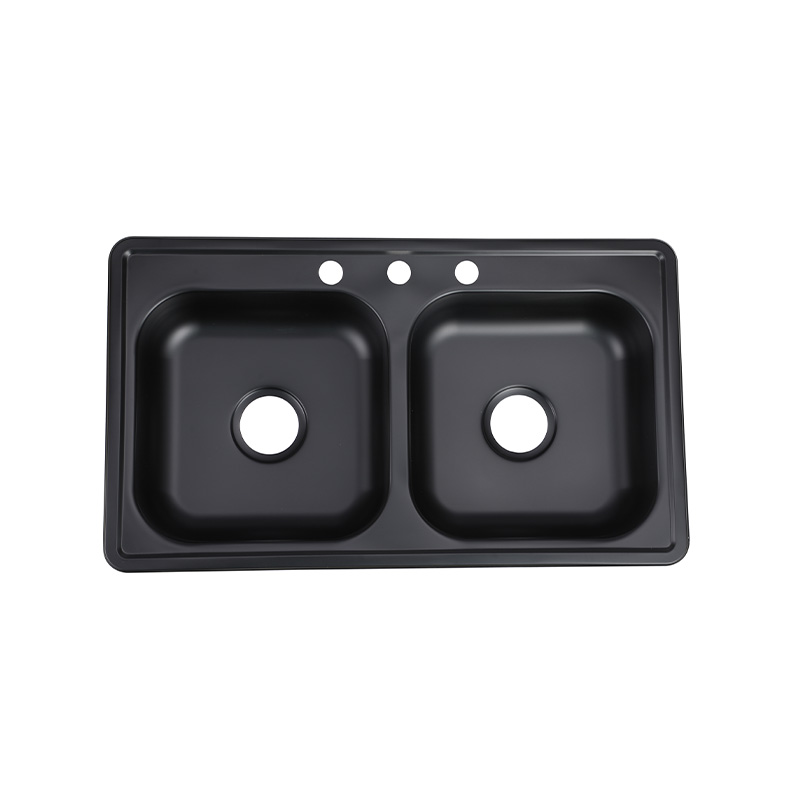
Welcome to the epitome of modern kitchen elegance and functionality with our new 33" x 19" Double Bowl Black Color Sink. This stunning sink, featuring advanced PVD (Physical Vapor Deposition) coating,...
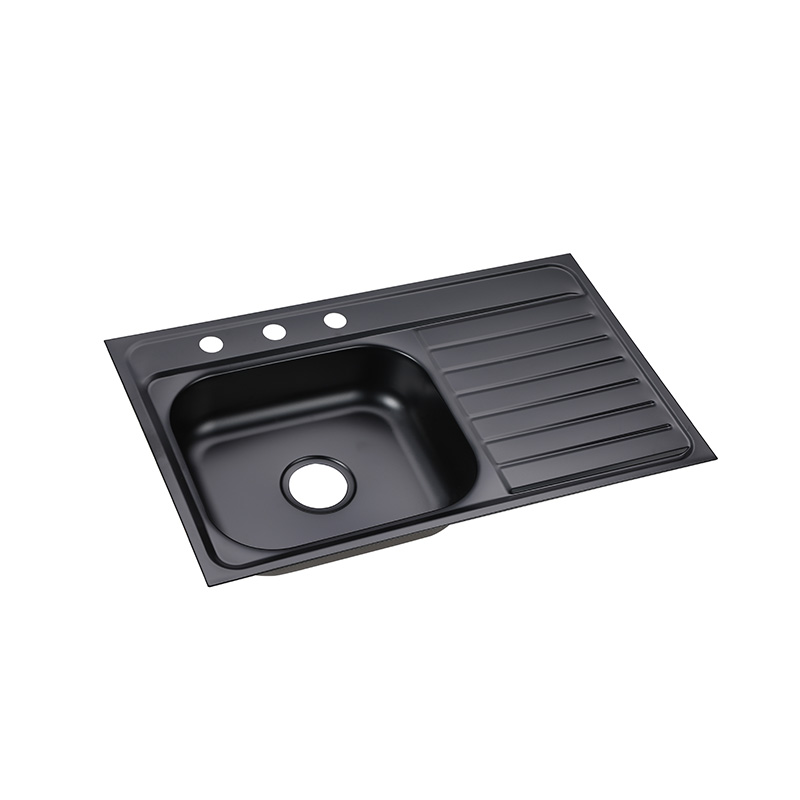
Welcome to our collection of premium PVD sinks, where functionality meets style. Among our diverse range of kitchen fixtures, the 800*500mm Left Bowl with Right Tray Sink in Black stands out as a test...
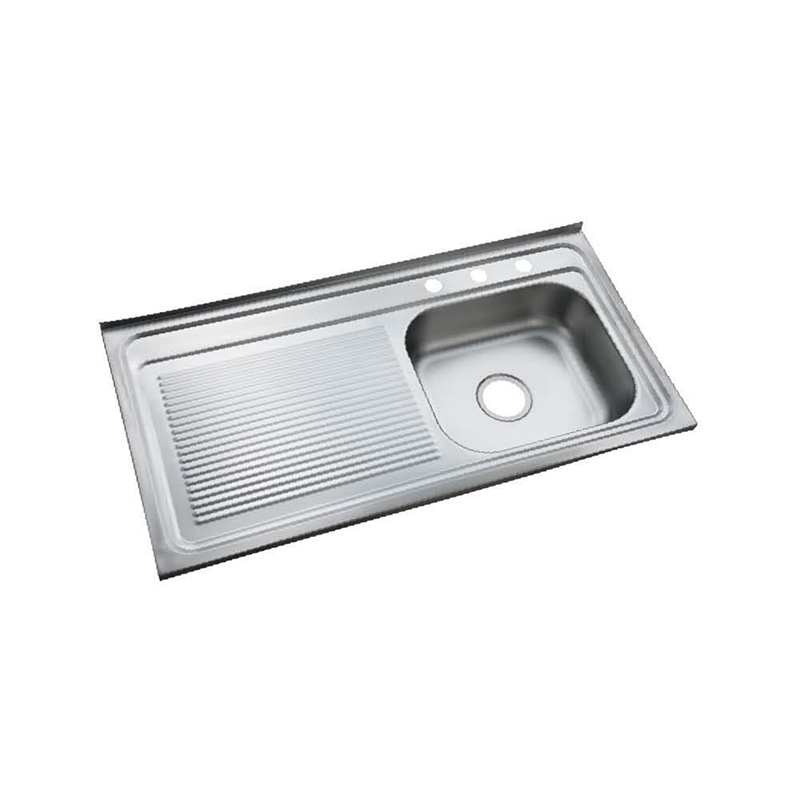
The XAL10050ERG 1000*500 mm right bowl with left tray sink in GREY color is a modern, versatile addition to any kitchen. This sink combines functionality with a sleek design, offering a practical solu...
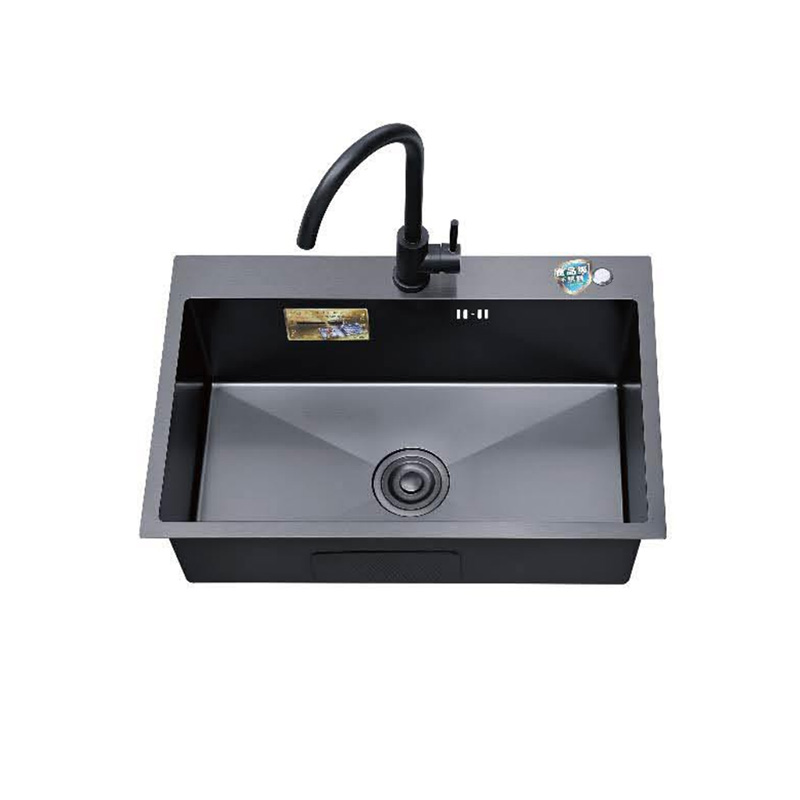
In the realm of kitchen fixtures, the single bowl handmade sink stands as a testament to the fusion of craftsmanship and functionality. Crafted with precision and care, each sink exudes a unique charm...
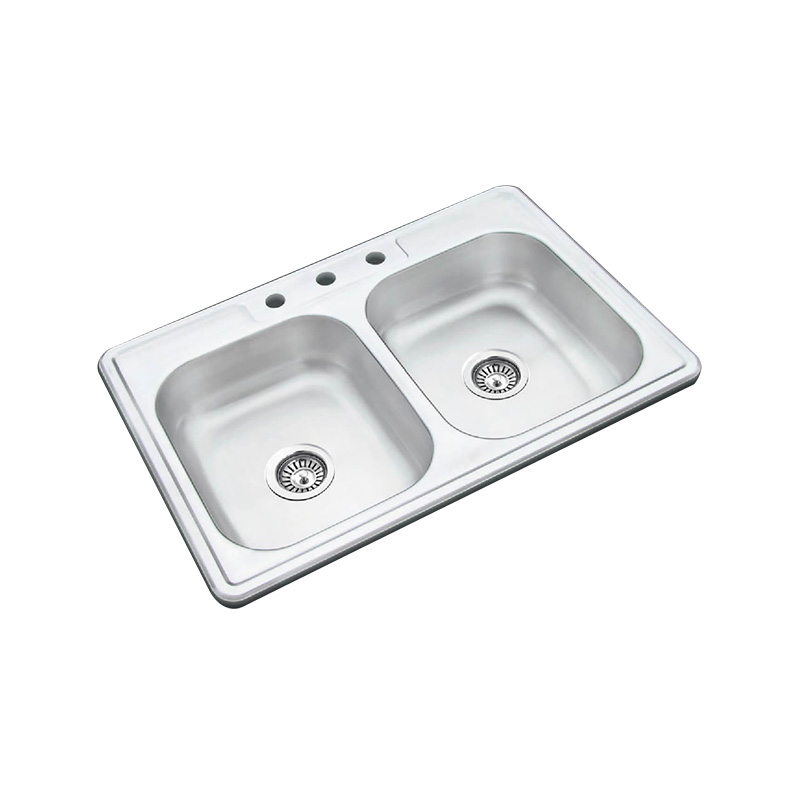
In the realm of kitchen essentials, versatility and efficiency are important. Our 3333"* 22" double bowl sink combines functionality and durability and is designed to enhance your kitchen experience. ...
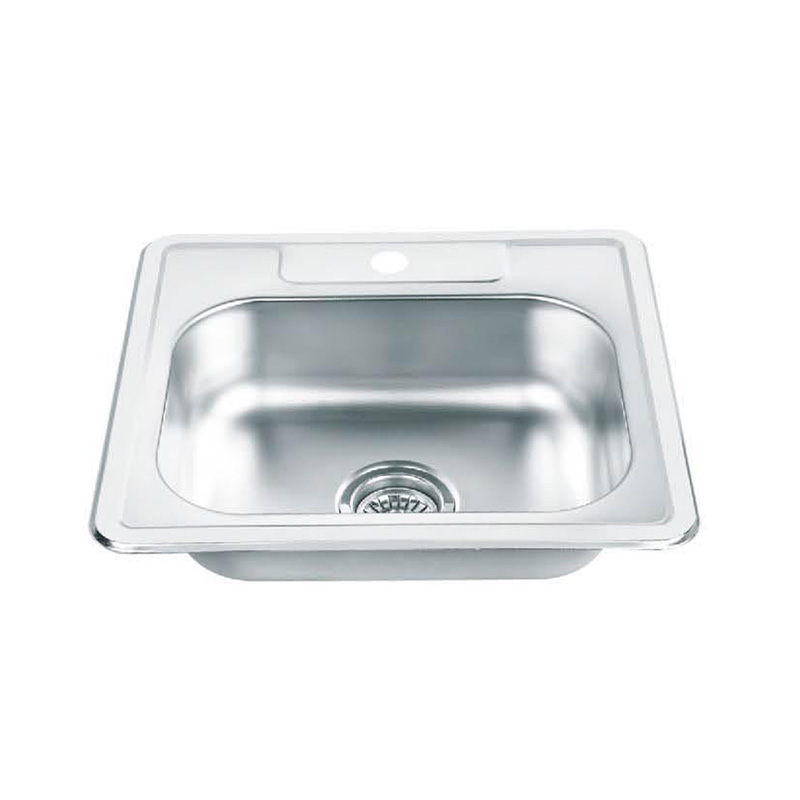
Welcome to our product showcase for the 20"*19" single bowl sink, a blend of practicality and elegance designed to meet the diverse needs of modern kitchens. This compact and efficient sink is tailore...
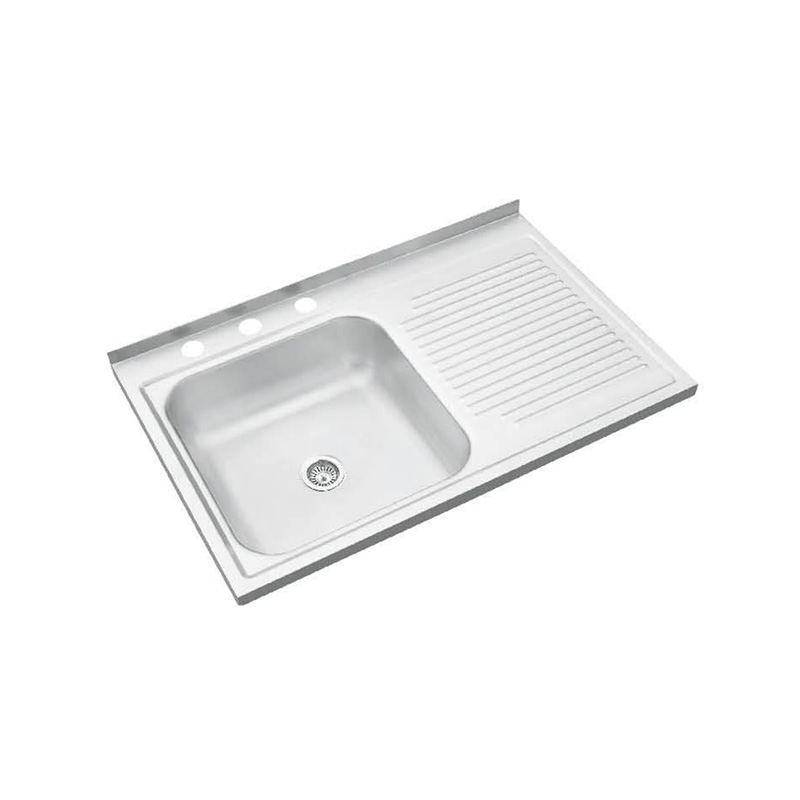
In the realm of kitchen fixtures, versatility and efficiency are important. Our 800*500 mm Left Bowl with Right Tray Sink offers a seamless blend of functionality and convenience, tailored to suit var...
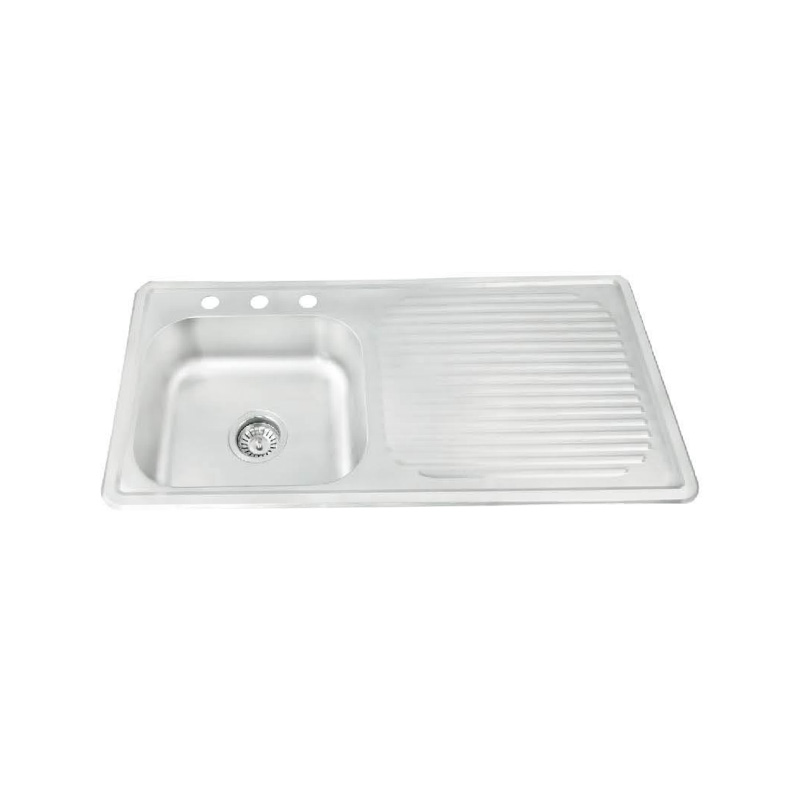
The 1000*500 mm left bowl with right tray sink is a good choice for modern kitchens requiring both style and functionality. This versatile sink is designed to handle the demands of a busy kitchen whil...
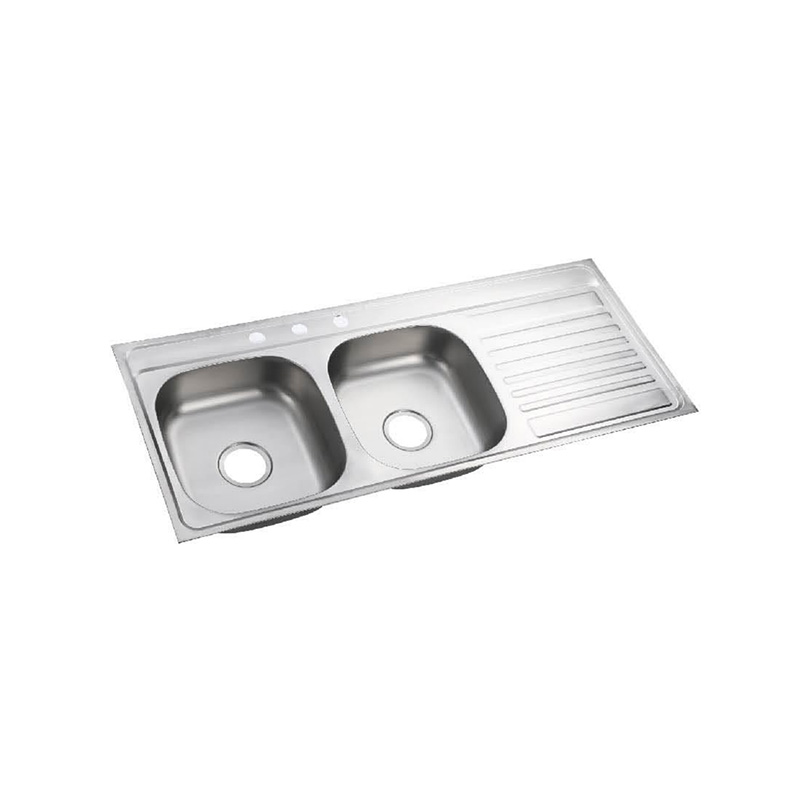
Introducing the 1200*500 mm left double bowl with right tray sink, a versatile solution for modern kitchens seeking enhanced functionality and convenience. This meticulously crafted sink combines the ...
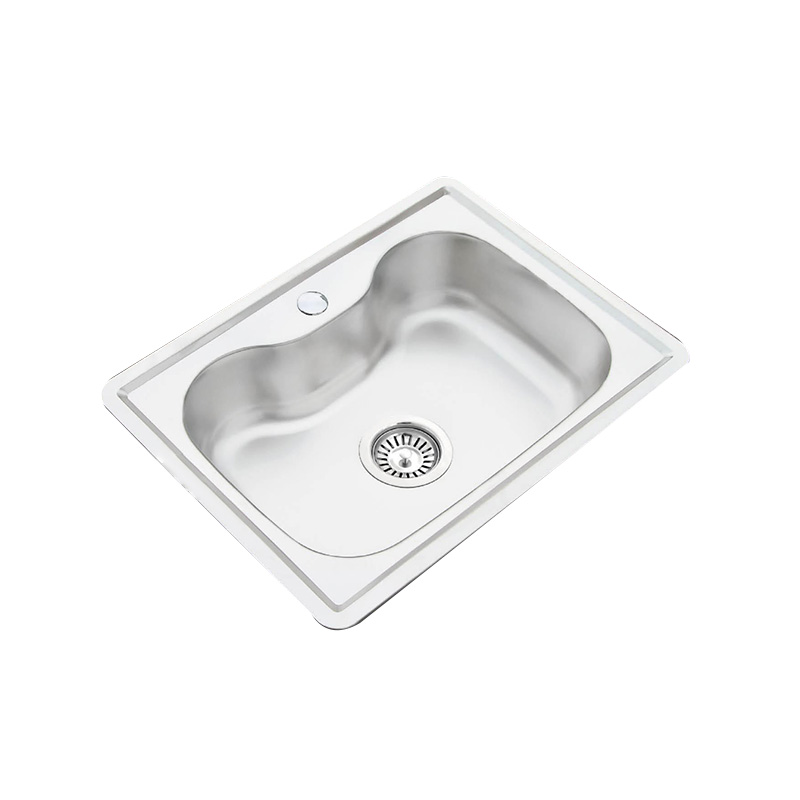
In the evolving world of kitchen design, the need for compact, efficient, and durable solutions has never been greater. Our 600*420 mm single bowl sink addresses these needs suitablely, combining spac...
In the realm of functional kitchen fixtures, the sink reigns as a pivotal element. Enter our 420*420 mm round single bowl sink, a combination of utility and elegance that redefines kitchen essentials....

TaiZhou RunHeng Sanitary Ware Co., Ltd is an export-oriented enterprise integrating R&D, production and sales of stainless steel kitchen sink.
Copyright © 2024 TaiZhou RunHeng Sanitary Ware Co., Ltd. All Rights Reserved.
Commercial Undermount Kitchen Sinks Factory