English
 Español
 عربى
عربىProduct Consultation
Your email address will not be published. Required fields are marked *
Choosing a handmade sink can significantly influence both the aesthetics and usability of a kitchen space. Buyers often wonder how to assess the craftsmanship of a sink before placing an order, especially when sourcing from a handmade sink factory. Understanding the materials, construction methods, finishing details, and even the production environment can provide clarity and help buyers make informed decisions. A thorough evaluation ensures that the sink fits both practical needs and design expectations, while also giving insight into the factory’s approach to producing durable and functional kitchen fixtures.
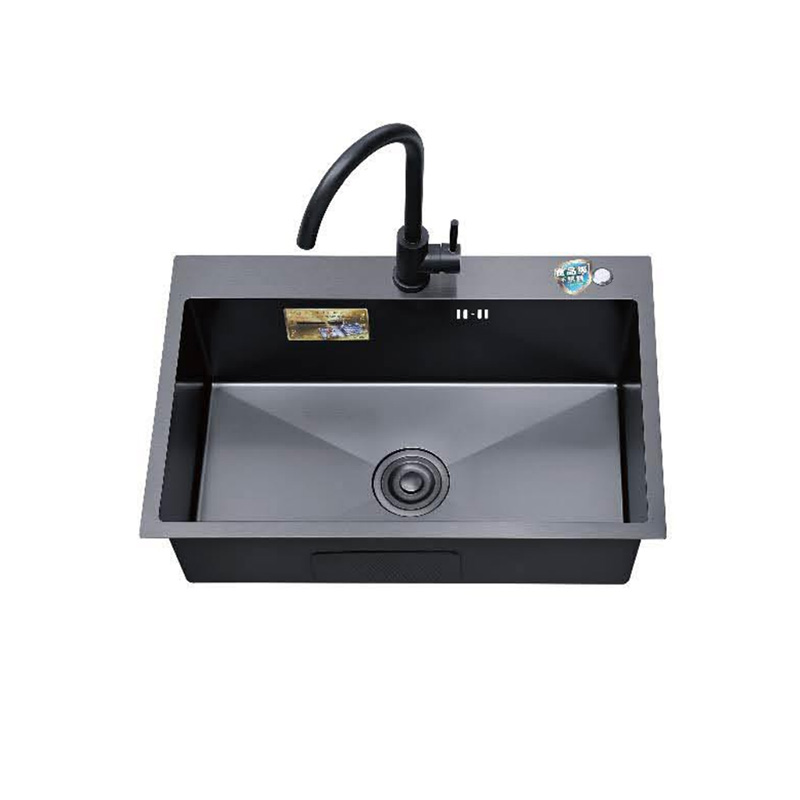
Sinks are often made from metals like stainless steel or copper, composites, or natural stone. Buyers should check whether the materials are sourced responsibly, whether they have consistent quality, and whether they suit the intended use. Observing the weight, texture, and uniformity of the material can reveal the level of care taken during selection. Factories that provide information about their material sources or the percentage of recycled content allow buyers to make choices that consider both environmental and practical factors.
Handmade sink factories employ various construction methods depending on the material and design. Buyers can request information about how the sink is formed, welded, or molded. For metal sinks, the evenness of seams, uniform thickness, and precision of joints indicate careful workmanship. For stone or composite sinks, the smoothness of edges, absence of cracks, and consistent shaping show attention to detail. Examining small details such as rounded corners, polished edges, and joint alignment helps buyers understand the factory’s focus on precision and the quality of each piece.
The surface finish is another key aspect of craftsmanship. Buyers should examine whether the sink’s interior and exterior surfaces are uniform, free of scratches, rough patches, or discoloration. The finishing process affects not only appearance but also ease of cleaning and maintenance over time. Factories that apply consistent techniques to polish, coat, or seal their sinks demonstrate a structured approach to production. A careful finish indicates that the product is treated with attention and is likely to maintain its appearance through regular kitchen use.
Beyond materials and construction, the design features of a handmade sink can reveal aspects of craftsmanship. Buyers may consider the thickness of the walls, the shape of the basin, and the configuration of single or double bowls. Additional design elements, such as integrated draining boards, pre-drilled faucet holes, or customized shapes, reflect practical considerations and versatility. Factories that offer flexible design options while maintaining precise measurements provide sinks that can adapt to different kitchen layouts without compromising structure or usability.
Many handmade sink factories provide technical sheets, high-resolution images, or small samples to illustrate the quality of their products. Buyers can request this information to compare options, check dimensions, and verify finishes. Documentation often includes material composition, size specifications, and finishing processes, which help buyers evaluate whether the product meets their functional and aesthetic requirements. Seeing physical samples or mock-ups can further clarify how the sink will look and feel in actual use.
For buyers considering multiple sinks or planning larger projects, consistency in production is important. Comparing multiple units from the same factory can help assess uniformity in dimensions, finish, and construction. Factories that maintain consistent standards across their product line provide confidence that the selected sink will integrate well with other kitchen elements, creating a harmonious appearance and functional layout.
Assessing craftsmanship also involves installation considerations. Buyers should verify that the sink includes clear guidelines for mounting, drainage, and faucet placement. A well-crafted sink that accounts for practical installation details can simplify setup, reduce adjustments during fitting, and ensure a smooth experience during use. Factories that provide instructions or recommendations for installation show an understanding of the practical needs of buyers beyond the production floor.
Part of evaluating craftsmanship involves understanding how the sink will hold up over time. Buyers can inquire about maintenance recommendations and expected wear patterns for different materials. Factories that provide guidance on cleaning, sealing, or minor repairs help buyers anticipate how the sink will perform in daily use. Awareness of these aspects contributes to a more informed purchase decision and helps buyers select a sink that fits their long-term kitchen requirements.
Where Do Handmade Sink Factories Source Sustainable Materials Efficiently?
Why Are Handmade Sink Shapes Important For Efficient Water Flow?
Your email address will not be published. Required fields are marked *

Introducing our 19" x 19" single bowl black color sink, a stellar addition to our PVD sink collection. Designed with both aesthetics and functionality in mind, this sink is suitable for modern kitchen...
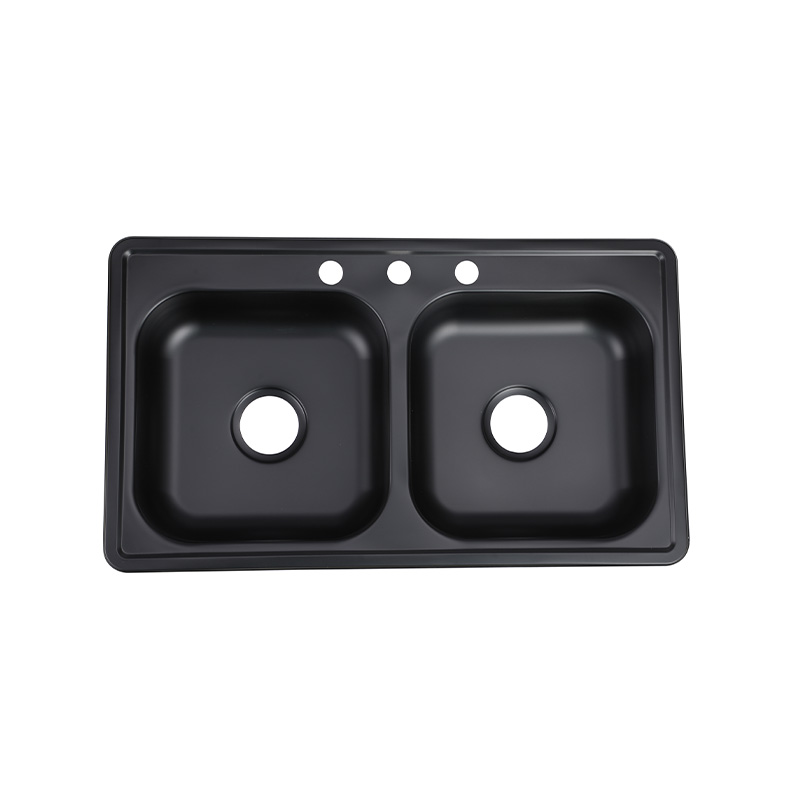
Welcome to the epitome of modern kitchen elegance and functionality with our new 33" x 19" Double Bowl Black Color Sink. This stunning sink, featuring advanced PVD (Physical Vapor Deposition) coating,...
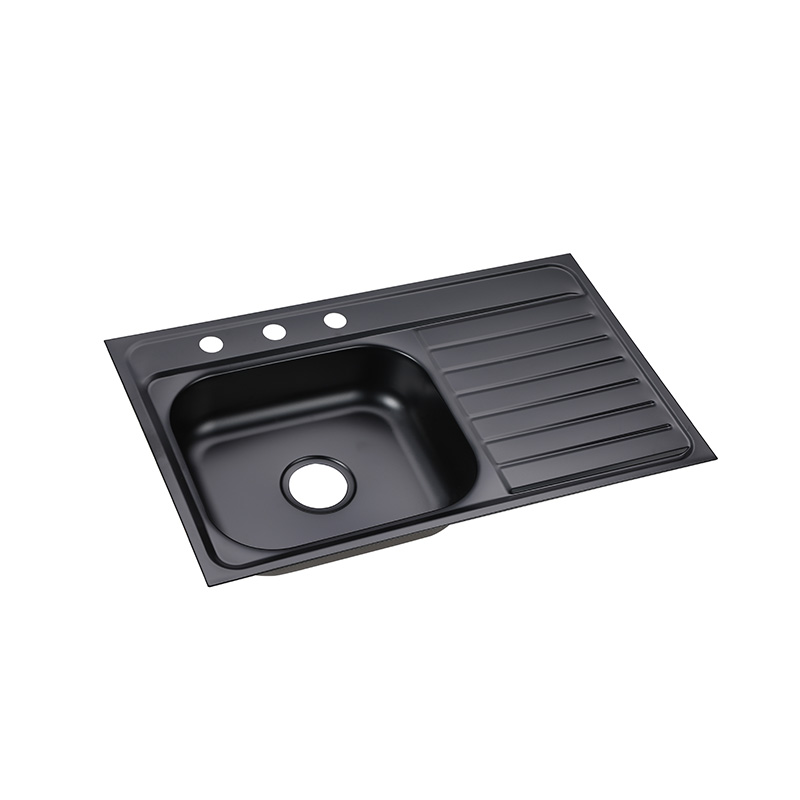
Welcome to our collection of premium PVD sinks, where functionality meets style. Among our diverse range of kitchen fixtures, the 800*500mm Left Bowl with Right Tray Sink in Black stands out as a test...
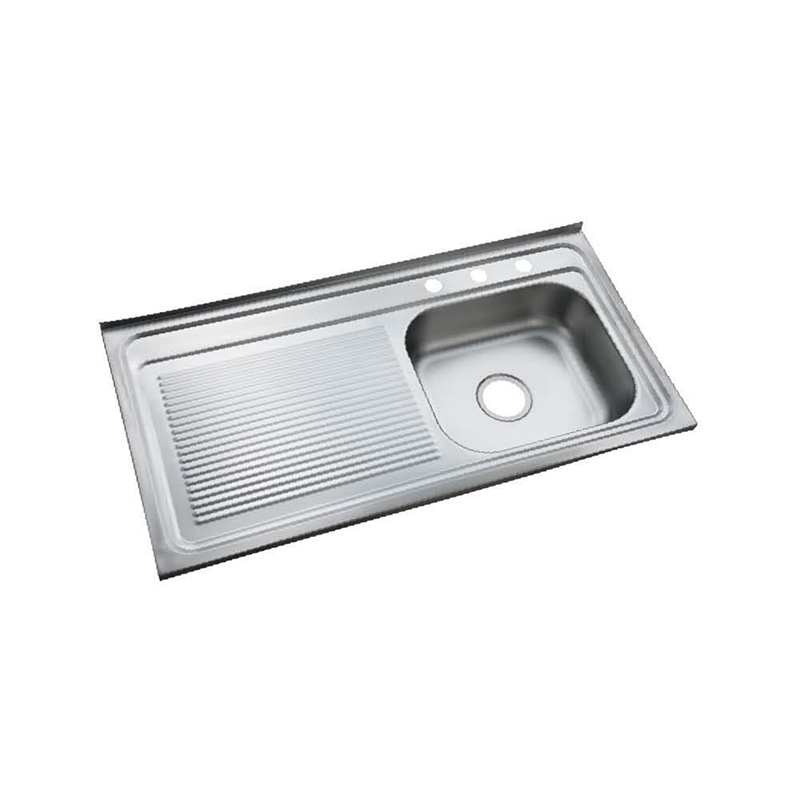
The XAL10050ERG 1000*500 mm right bowl with left tray sink in GREY color is a modern, versatile addition to any kitchen. This sink combines functionality with a sleek design, offering a practical solu...
In the realm of kitchen fixtures, the single bowl handmade sink stands as a testament to the fusion of craftsmanship and functionality. Crafted with precision and care, each sink exudes a unique charm...
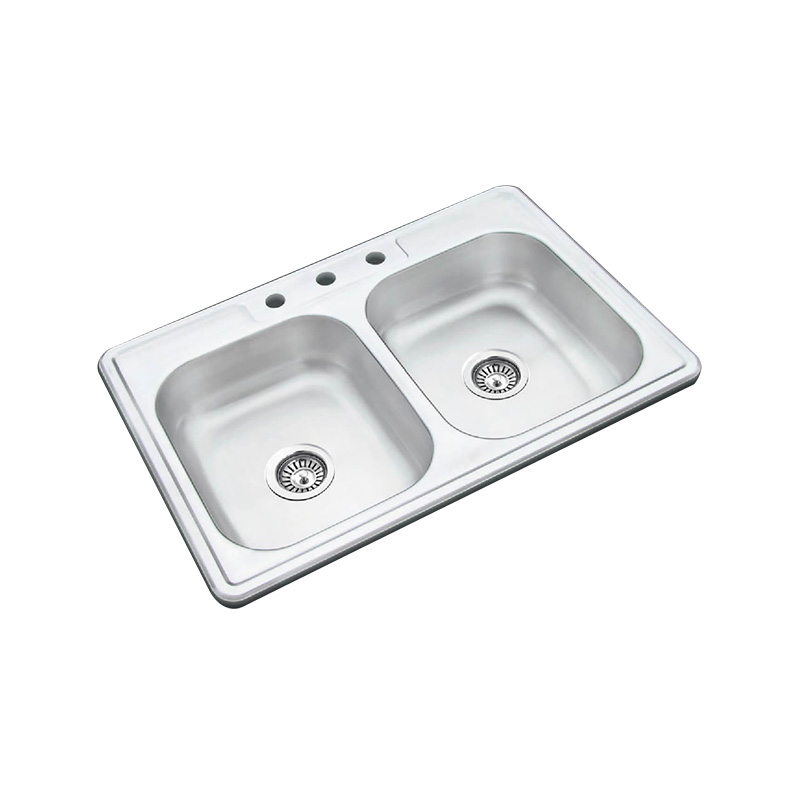
In the realm of kitchen essentials, versatility and efficiency are important. Our 3333"* 22" double bowl sink combines functionality and durability and is designed to enhance your kitchen experience. ...
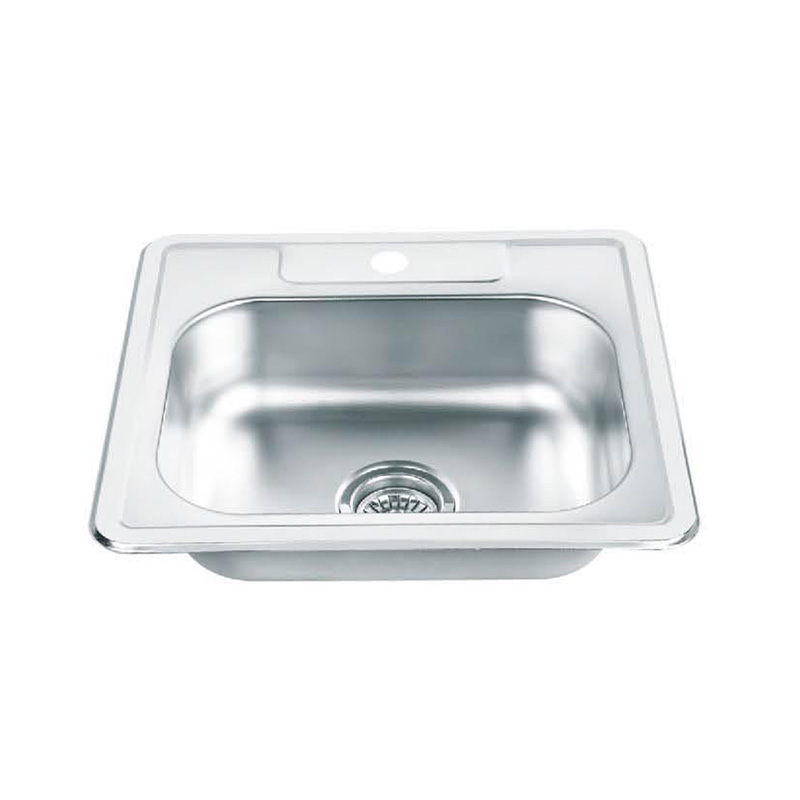
Welcome to our product showcase for the 20"*19" single bowl sink, a blend of practicality and elegance designed to meet the diverse needs of modern kitchens. This compact and efficient sink is tailore...
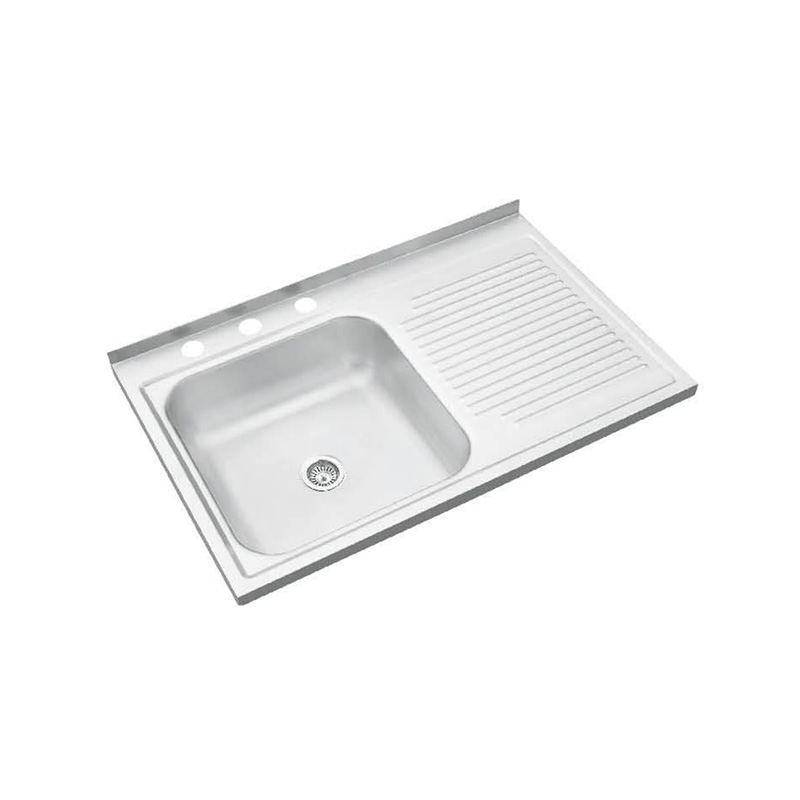
In the realm of kitchen fixtures, versatility and efficiency are important. Our 800*500 mm Left Bowl with Right Tray Sink offers a seamless blend of functionality and convenience, tailored to suit var...
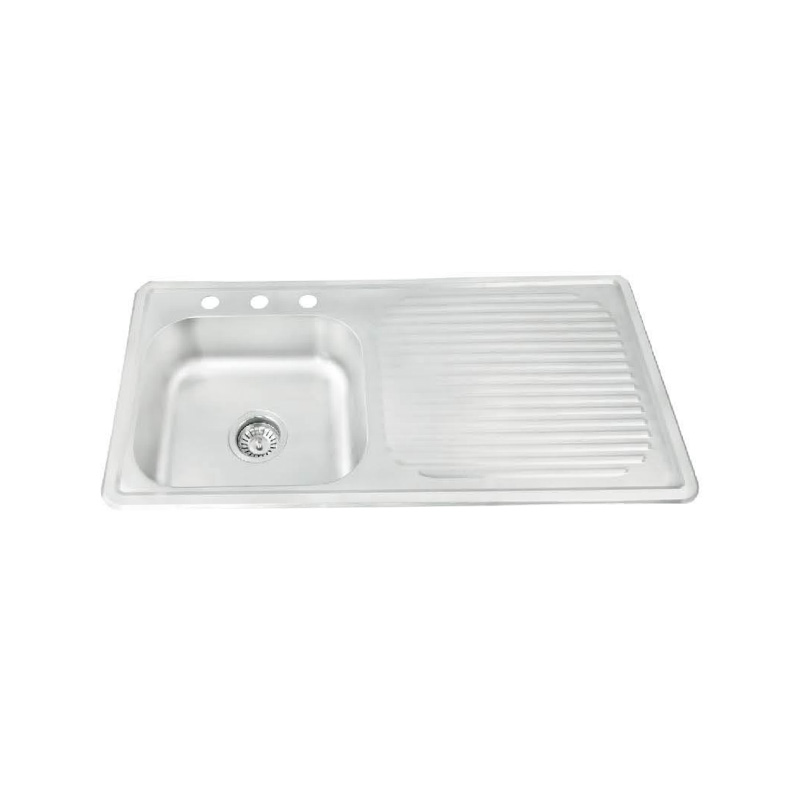
The 1000*500 mm left bowl with right tray sink is a good choice for modern kitchens requiring both style and functionality. This versatile sink is designed to handle the demands of a busy kitchen whil...
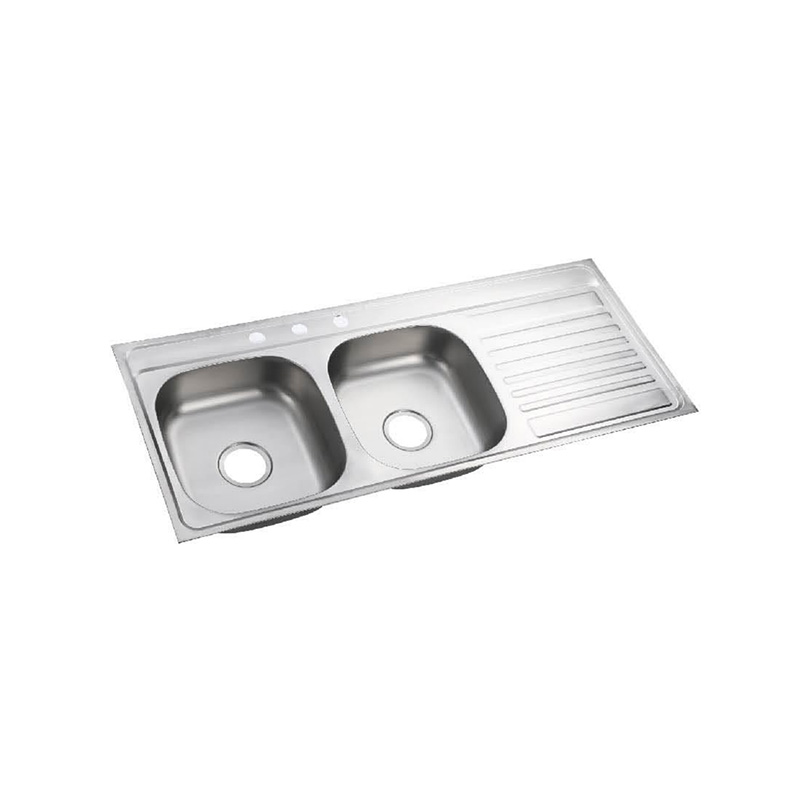
Introducing the 1200*500 mm left double bowl with right tray sink, a versatile solution for modern kitchens seeking enhanced functionality and convenience. This meticulously crafted sink combines the ...
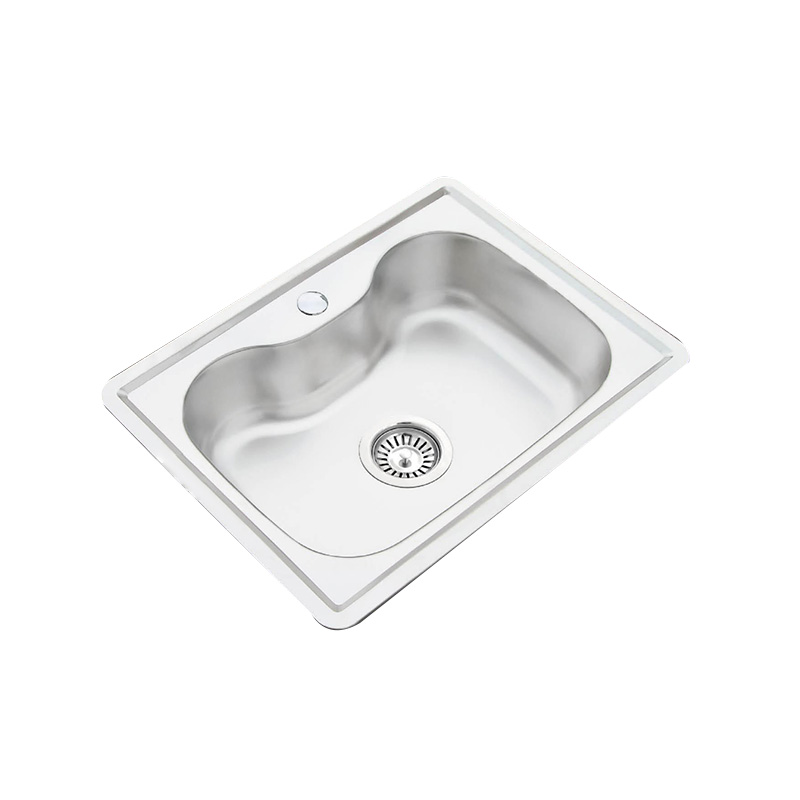
In the evolving world of kitchen design, the need for compact, efficient, and durable solutions has never been greater. Our 600*420 mm single bowl sink addresses these needs suitablely, combining spac...
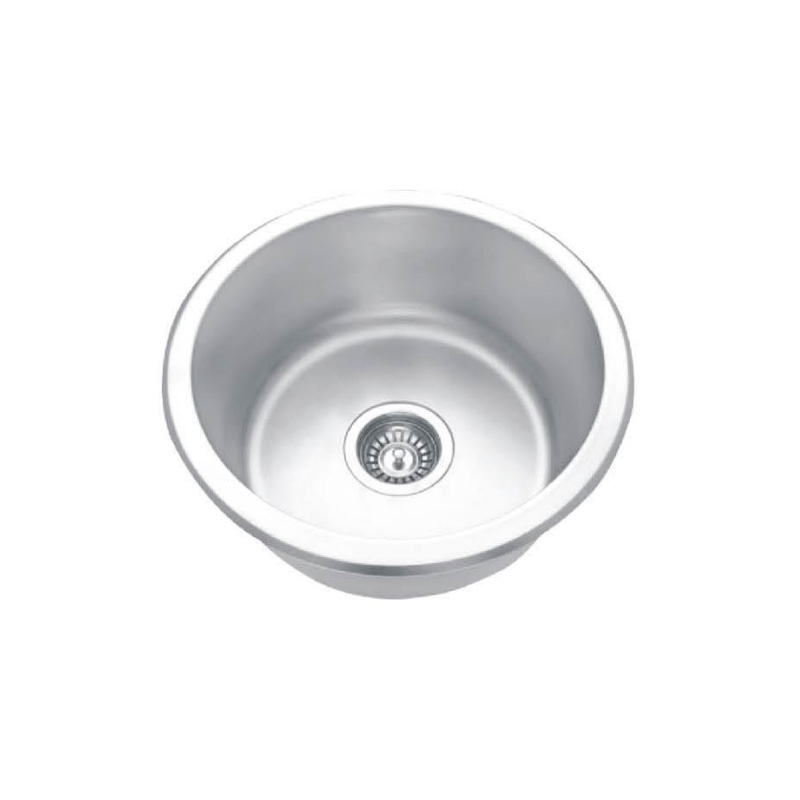
In the realm of functional kitchen fixtures, the sink reigns as a pivotal element. Enter our 420*420 mm round single bowl sink, a combination of utility and elegance that redefines kitchen essentials....

TaiZhou RunHeng Sanitary Ware Co., Ltd is an export-oriented enterprise integrating R&D, production and sales of stainless steel kitchen sink.
Copyright © 2024 TaiZhou RunHeng Sanitary Ware Co., Ltd. All Rights Reserved.
Commercial Undermount Kitchen Sinks Factory