English
 Español
 عربى
عربىProduct Consultation
Your email address will not be published. Required fields are marked *
Kitchens are evolving spaces, and the materials used for fixtures are under increasing scrutiny. Handmade sink factories are exploring ways to source sustainable materials efficiently, ensuring their products meet modern environmental and functional expectations. By focusing on careful material selection and streamlined supply chains, these factories can maintain consistent production while supporting responsible practices.
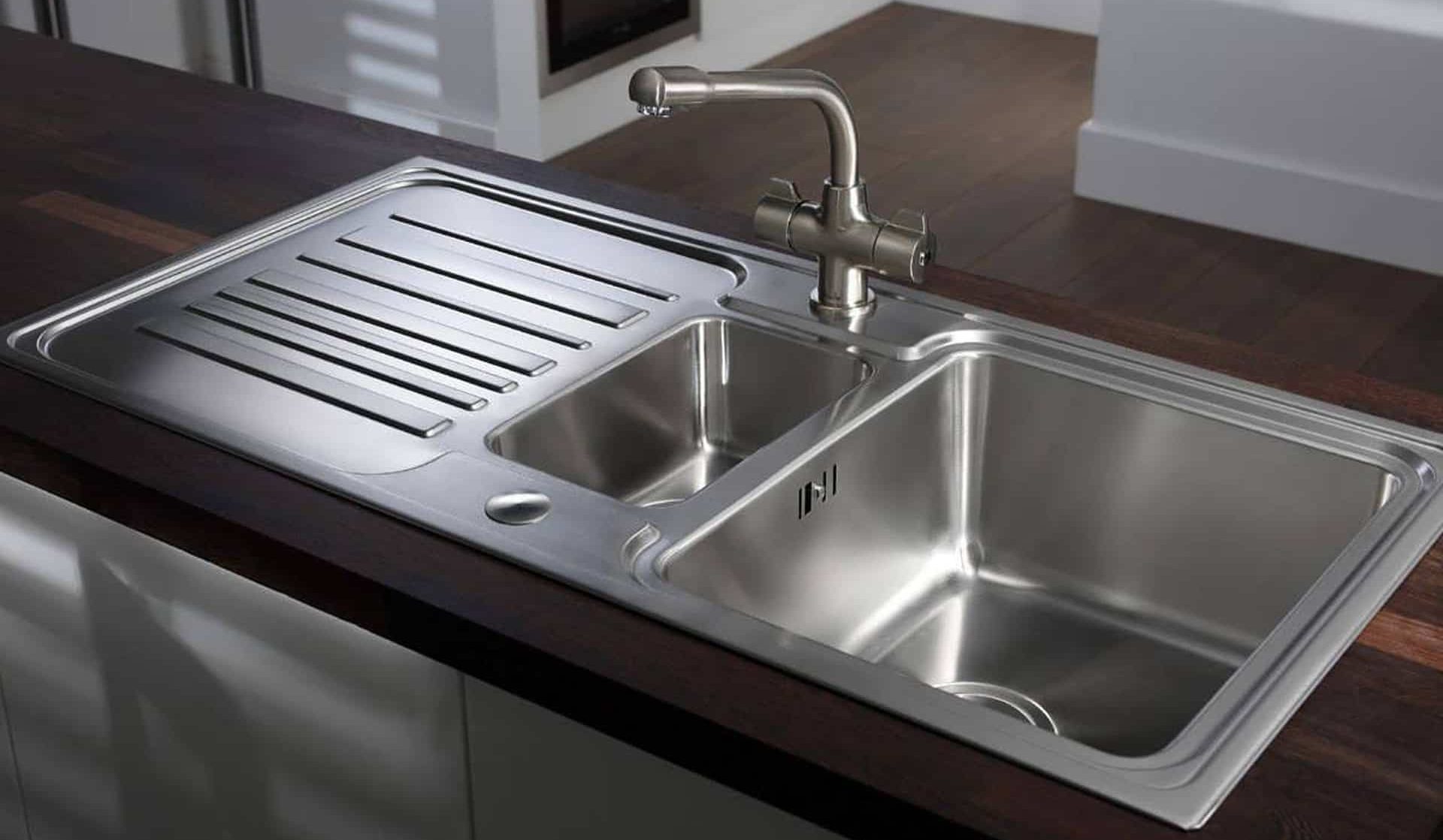
Handmade sinks can be crafted from a variety of materials, ranging from metals such as stainless steel and copper to composites like resin or natural stone. Each material presents unique sourcing considerations. Factories often prioritize suppliers who adhere to environmental standards, such as responsibly mined metals or recycled materials, to reduce environmental impact. This approach allows the factory to integrate sustainability without compromising the design flexibility or durability expected from a handmade product.
Building strong relationships with suppliers is crucial for sourcing materials efficiently. Handmade sink factories typically establish partnerships with vetted vendors who provide consistent quality and comply with local and international environmental regulations. Factories may request certifications, production reports, or proof of recycled content to ensure materials meet their sustainability criteria. These verification steps help prevent delays in production and maintain a predictable inventory flow, which is essential for meeting customer demand.
Effective inventory management plays a significant role in sourcing efficiency. By analyzing production schedules and historical usage, handmade sink factories can plan material orders more accurately, reducing the risk of shortages or overstock. Bulk ordering of commonly used materials, when storage conditions are suitable, can also lower transportation frequency, which reduces logistical strain and supports more sustainable operations.
Where possible, factories may seek local suppliers to reduce transportation distances and associated environmental impact. Local sourcing can simplify logistics, lower costs, and allow for faster response times if adjustments are needed in material quality or quantity. For handcrafted sinks, this flexibility ensures that production schedules remain consistent without compromising the overall quality of the finished product.
Before committing to a material source, factories often conduct tests to verify its suitability for long-term use. Factors such as resistance to corrosion, ease of cleaning, and structural stability are assessed. These evaluations help determine whether a material can support the dual-basin or custom designs typical of modern handmade sinks. While sustainability is a priority, ensuring that the material performs adequately in kitchen environments is equally important for practical utility.
Cost considerations are naturally part of any sourcing strategy. Handmade sink factories aim to find a balance where materials are both environmentally conscious and reasonably priced. Rather than seeking extreme savings, the focus is on steady supply and predictable pricing that aligns with sustainable practices. This approach allows the factory to maintain accessible pricing for clients while gradually incorporating eco-friendly materials.
Once materials are sourced, factories integrate them into the production process, ensuring each handmade sink meets both functional and aesthetic criteria. The material choice influences shaping, finishing, and installation methods, requiring careful coordination between design and production teams. By planning ahead, factories can reduce waste, avoid material shortages, and maintain a smoother workflow across all stages of production.
Handmade sink factories continue to explore alternative materials, such as recycled composites, natural stone alternatives, or metal alloys with lower environmental footprints. While these options may require adjustments in production techniques, they reflect a growing awareness of sustainability. Factories that monitor material innovations are better positioned to respond to market trends and client preferences, integrating new options without disrupting ongoing operations.
What Installation Tips Ensure Nano Black Kitchen Sink Longevity?
How Can Buyers Assess Handmade Sink Craftsmanship Before Ordering?
Your email address will not be published. Required fields are marked *

Introducing our 19" x 19" single bowl black color sink, a stellar addition to our PVD sink collection. Designed with both aesthetics and functionality in mind, this sink is suitable for modern kitchen...
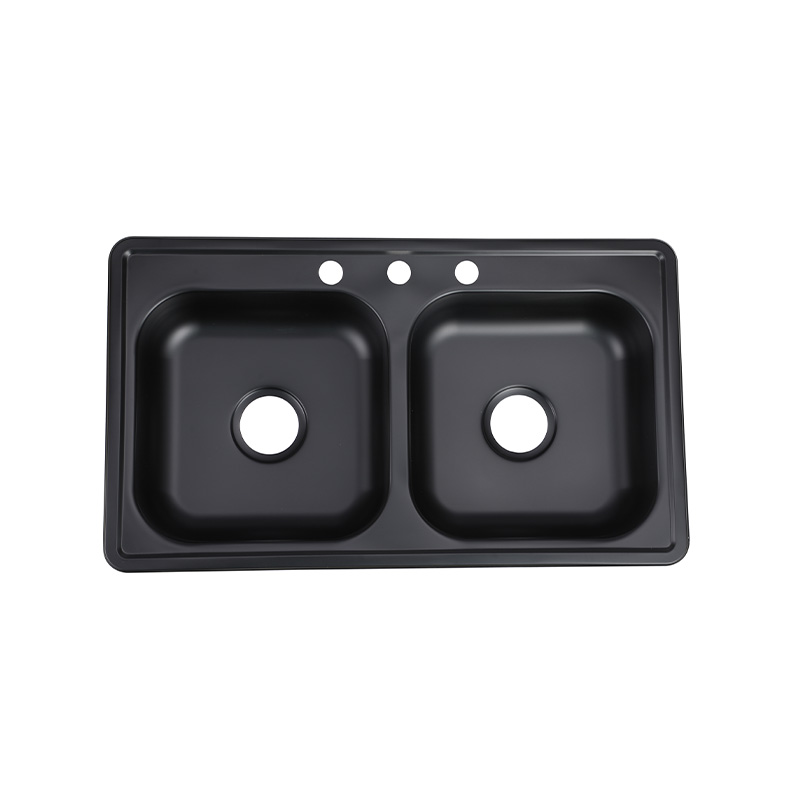
Welcome to the epitome of modern kitchen elegance and functionality with our new 33" x 19" Double Bowl Black Color Sink. This stunning sink, featuring advanced PVD (Physical Vapor Deposition) coating,...
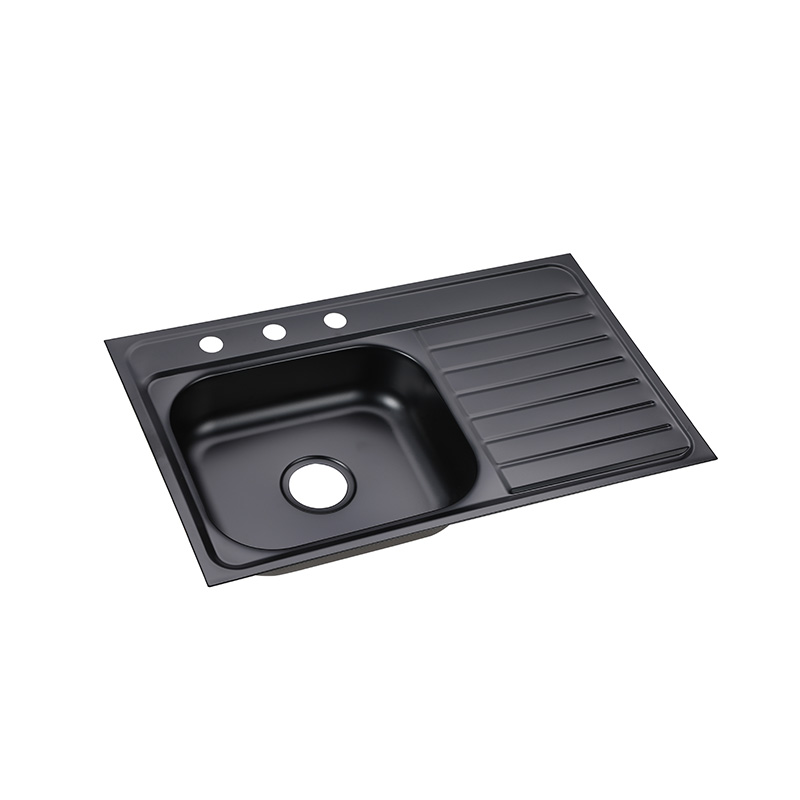
Welcome to our collection of premium PVD sinks, where functionality meets style. Among our diverse range of kitchen fixtures, the 800*500mm Left Bowl with Right Tray Sink in Black stands out as a test...
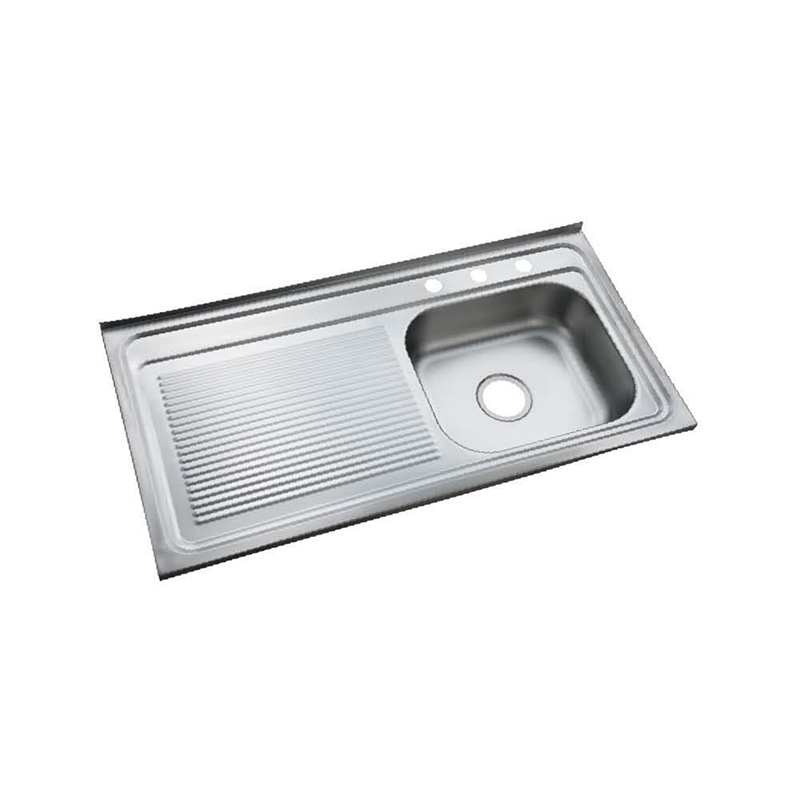
The XAL10050ERG 1000*500 mm right bowl with left tray sink in GREY color is a modern, versatile addition to any kitchen. This sink combines functionality with a sleek design, offering a practical solu...
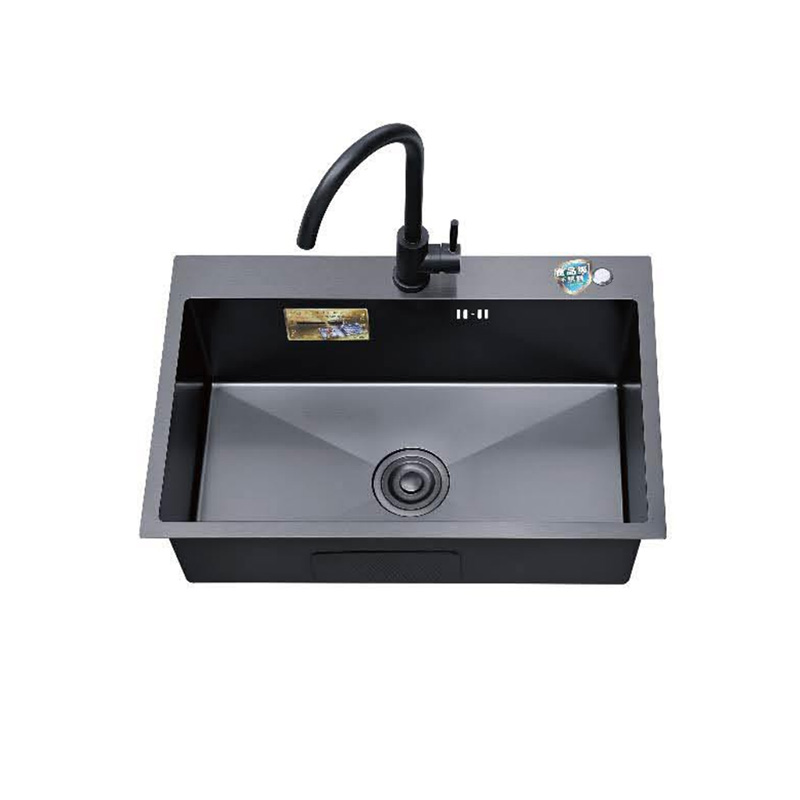
In the realm of kitchen fixtures, the single bowl handmade sink stands as a testament to the fusion of craftsmanship and functionality. Crafted with precision and care, each sink exudes a unique charm...
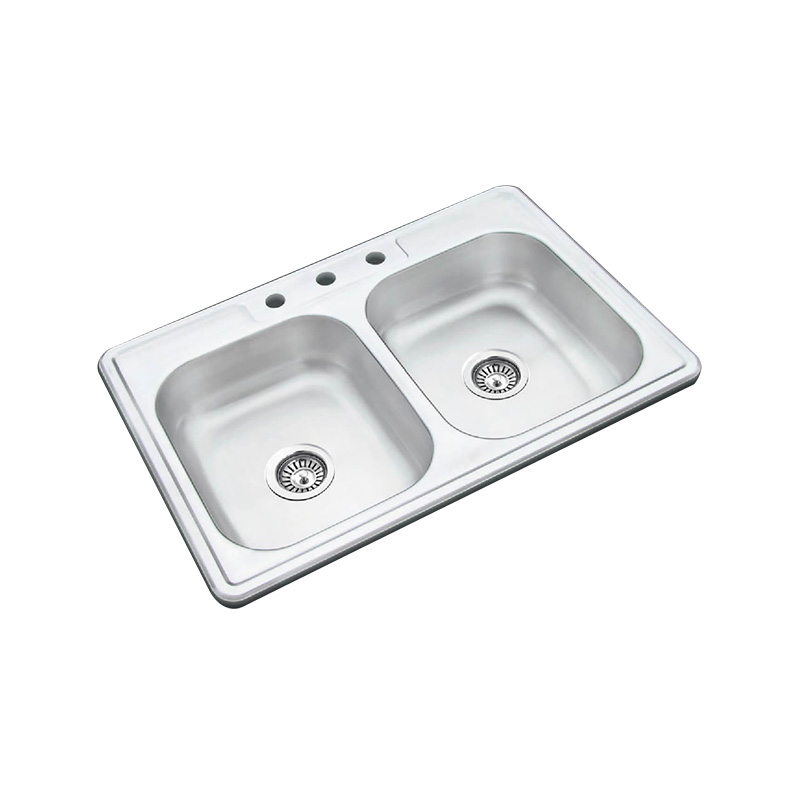
In the realm of kitchen essentials, versatility and efficiency are important. Our 3333"* 22" double bowl sink combines functionality and durability and is designed to enhance your kitchen experience. ...
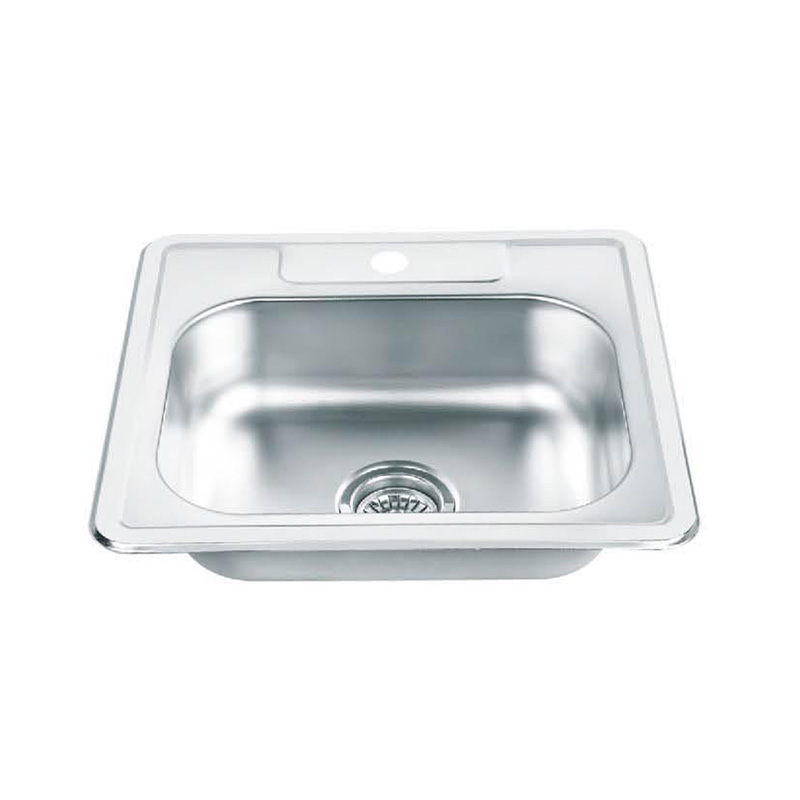
Welcome to our product showcase for the 20"*19" single bowl sink, a blend of practicality and elegance designed to meet the diverse needs of modern kitchens. This compact and efficient sink is tailore...
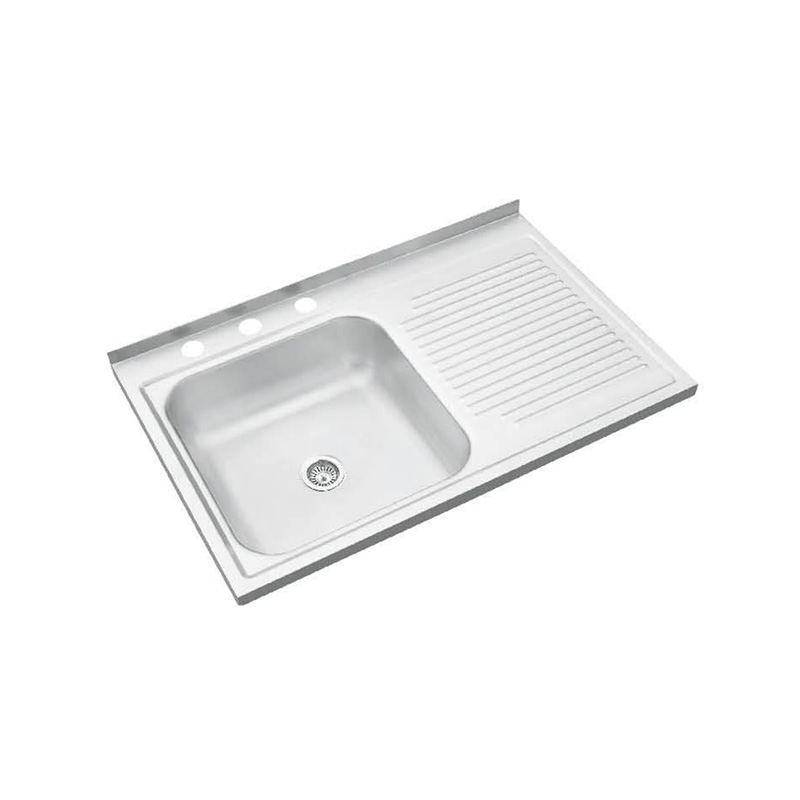
In the realm of kitchen fixtures, versatility and efficiency are important. Our 800*500 mm Left Bowl with Right Tray Sink offers a seamless blend of functionality and convenience, tailored to suit var...
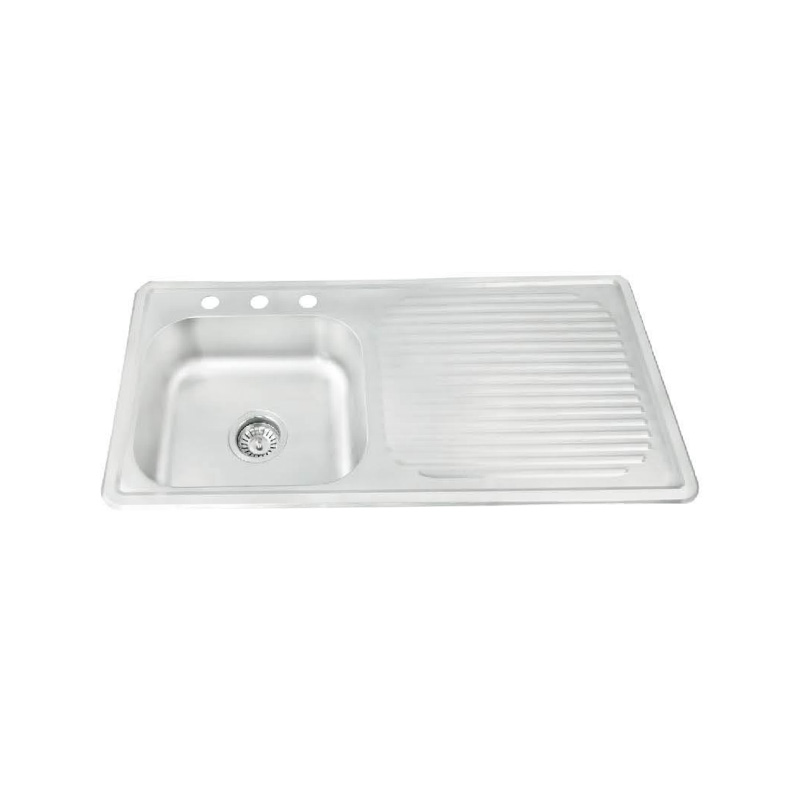
The 1000*500 mm left bowl with right tray sink is a good choice for modern kitchens requiring both style and functionality. This versatile sink is designed to handle the demands of a busy kitchen whil...
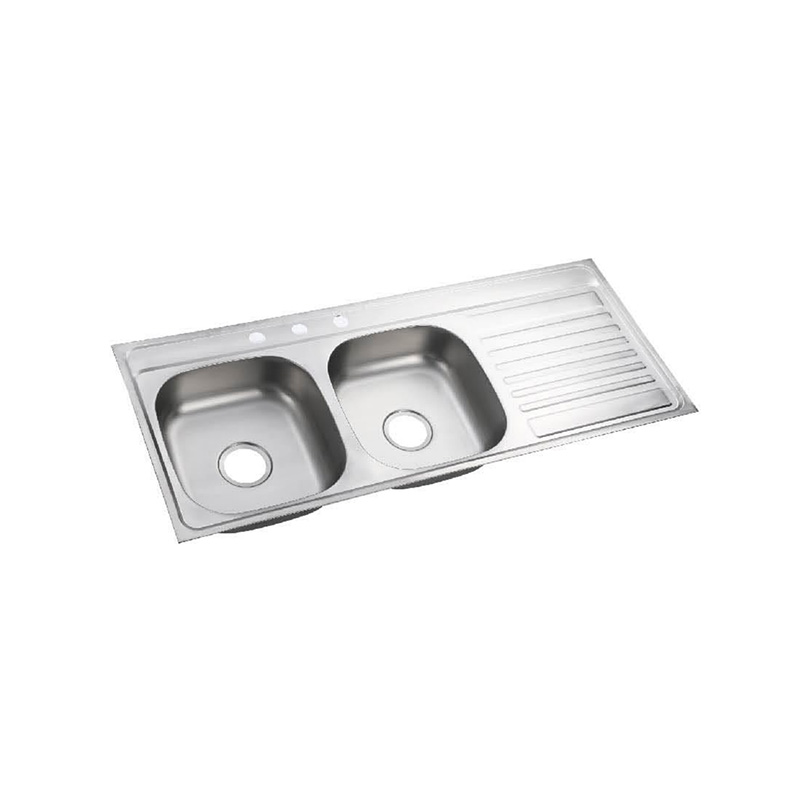
Introducing the 1200*500 mm left double bowl with right tray sink, a versatile solution for modern kitchens seeking enhanced functionality and convenience. This meticulously crafted sink combines the ...
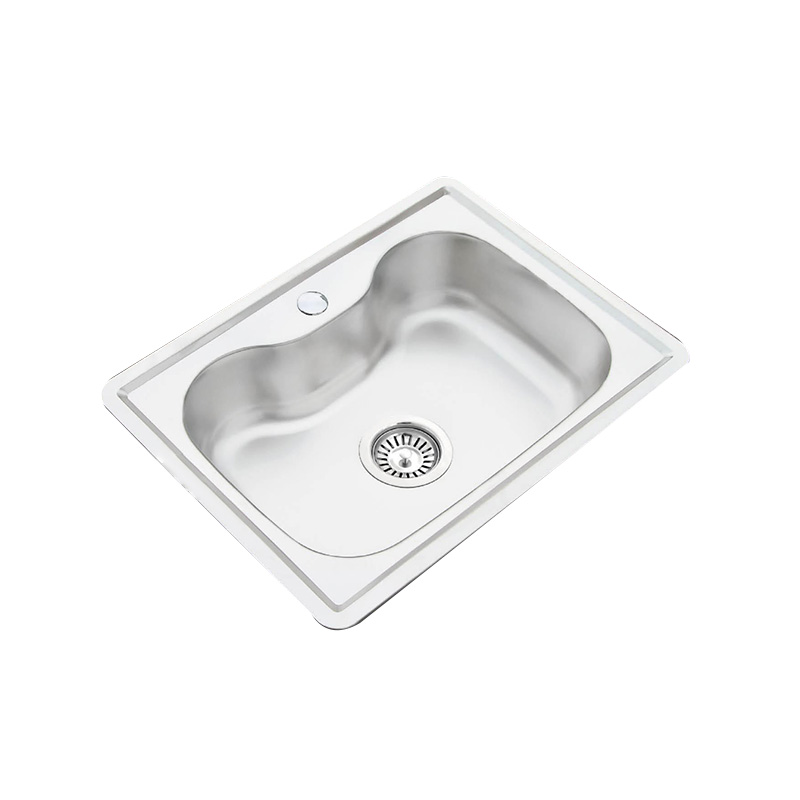
In the evolving world of kitchen design, the need for compact, efficient, and durable solutions has never been greater. Our 600*420 mm single bowl sink addresses these needs suitablely, combining spac...
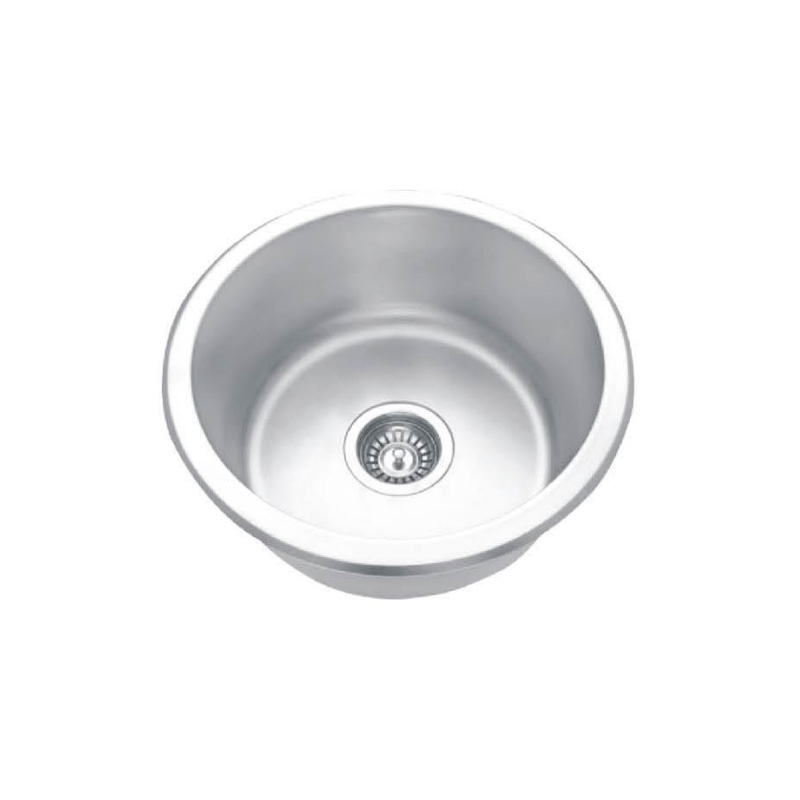
In the realm of functional kitchen fixtures, the sink reigns as a pivotal element. Enter our 420*420 mm round single bowl sink, a combination of utility and elegance that redefines kitchen essentials....

TaiZhou RunHeng Sanitary Ware Co., Ltd is an export-oriented enterprise integrating R&D, production and sales of stainless steel kitchen sink.
Copyright © 2024 TaiZhou RunHeng Sanitary Ware Co., Ltd. All Rights Reserved.
Commercial Undermount Kitchen Sinks Factory