English
 Español
 عربى
عربىProduct Consultation
Your email address will not be published. Required fields are marked *
Kitchen design is becoming more focused on practical workflow, easy maintenance, and coordinated details rather than treating the sink as an isolated fixture. For distributors, kitchen manufacturers, and project buyers, the right kitchen sink accessory can influence how efficiently a sink area is used every day. At the same time, sourcing decisions increasingly involve compatibility, material selection, installation, cleaning, and replacement requirements. For buyers working with a kitchen sink factory, understanding these details early can help avoid mismatched components and unnecessary changes during production.
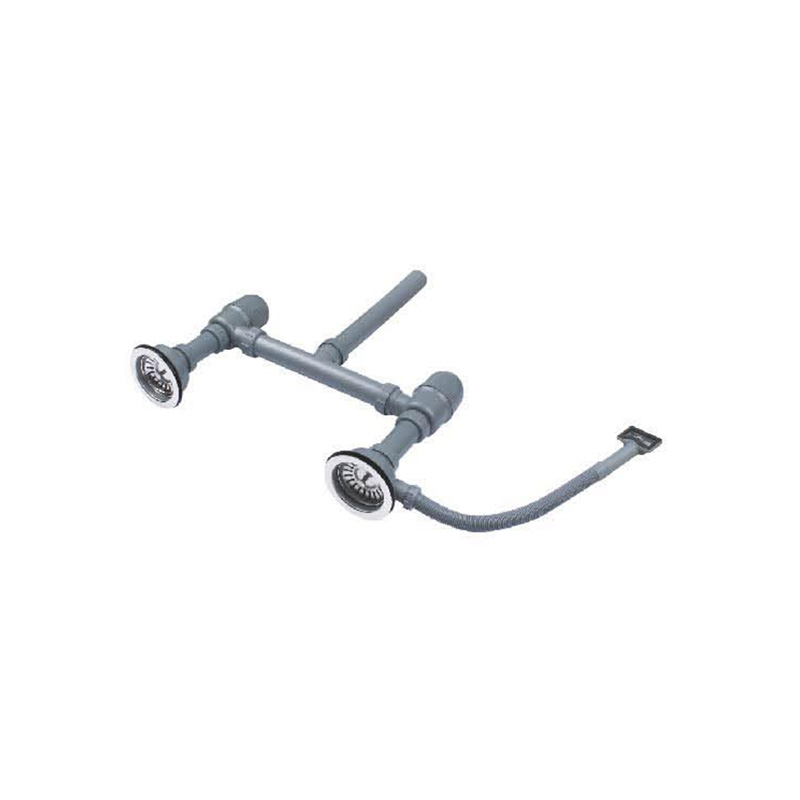
A sink accessory may look suitable in a product catalogue but still fail to work properly with a specific sink configuration. Drain openings, bowl dimensions, mounting arrangements, countertop thickness, and installation space can all affect compatibility.
Before placing an order, buyers should confirm the interface between the accessory and the sink itself. This is especially important for OEM and project orders where several sink models may share similar appearances but use different dimensions.
Different users have different expectations from the sink area. A residential kitchen may need convenient food preparation and washing, while a hospitality or property project may place greater emphasis on durability and straightforward maintenance.
Accessories can help organize these activities by making better use of the sink area. Depending on the design, buyers may consider components such as:
The objective is not to add more components, but to make the sink easier to use without creating unnecessary cleaning or installation work.
The sink environment is regularly exposed to water, food residue, detergents, temperature changes, and repeated handling. Material selection therefore deserves attention during procurement.
Stainless steel remains widely used for kitchen applications because it combines practical durability with a clean appearance. However, the specific grade, surface finish, manufacturing process, and intended application should be considered rather than judging quality from appearance alone.
For OEM buyers, discussing the intended market and usage conditions with the manufacturer can make material selection more precise.
One common concern around sink accessories is the accumulation of food residue and moisture in difficult-to-clean areas. Complicated structures, narrow gaps, and poorly finished surfaces can make routine maintenance inconvenient.
Manufacturers can address these issues through smoother transitions, accessible surfaces, appropriate drainage paths, and designs that avoid unnecessary recesses. When developing customized accessories, these details should be considered alongside appearance and production requirements.
A standardized accessory may work for a general retail product, but OEM kitchen projects often require different dimensions, finishes, packaging, or installation methods.
A capable manufacturer should be able to review drawings and application requirements before production rather than simply supplying an existing component. Early communication can help identify potential conflicts between the accessory, sink structure, and installation environment.
For overseas buyers, this also creates a more efficient way to coordinate product development when several components need to be sourced together.
Kitchen products remain in use for years, so buyers should consider more than the initial order. Consistent specifications, repeatability between batches, packaging protection, and replacement availability can all affect the long-term value of a sink accessory program.
This is particularly relevant for distributors managing multiple sink models. Keeping compatible accessory specifications clearly documented can simplify future replenishment and reduce the risk of receiving components that no longer match an existing product range.
For procurement teams, choosing a supplier is not simply about finding a low-cost component. The manufacturer should understand how accessories interact with sink dimensions, installation requirements, materials, finishing, and everyday kitchen use.
Working directly with an experienced kitchen sink factory can make this process easier by bringing sink production and accessory requirements into the same technical discussion. For OEM buyers, that connection can support more consistent product development, clearer communication, and a sink solution designed around how the kitchen will actually be used.
Your email address will not be published. Required fields are marked *

Introducing our 19" x 19" single bowl black color sink, a stellar addition to our PVD sink collection. Designed with both aesthetics and functionality in mind, this sink is suitable for modern kitchen...
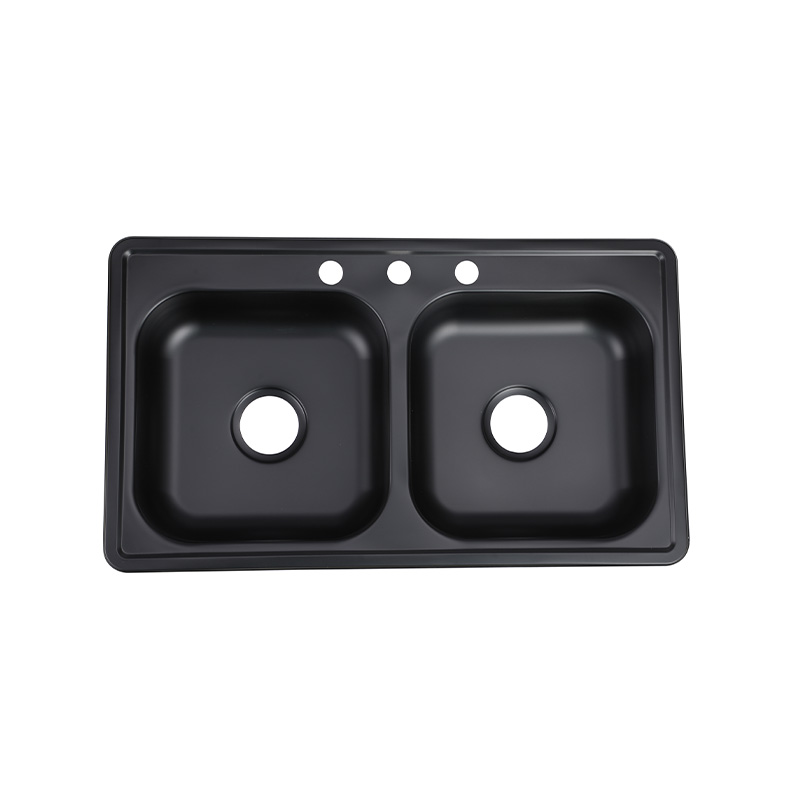
Welcome to the epitome of modern kitchen elegance and functionality with our new 33" x 19" Double Bowl Black Color Sink. This stunning sink, featuring advanced PVD (Physical Vapor Deposition) coating,...
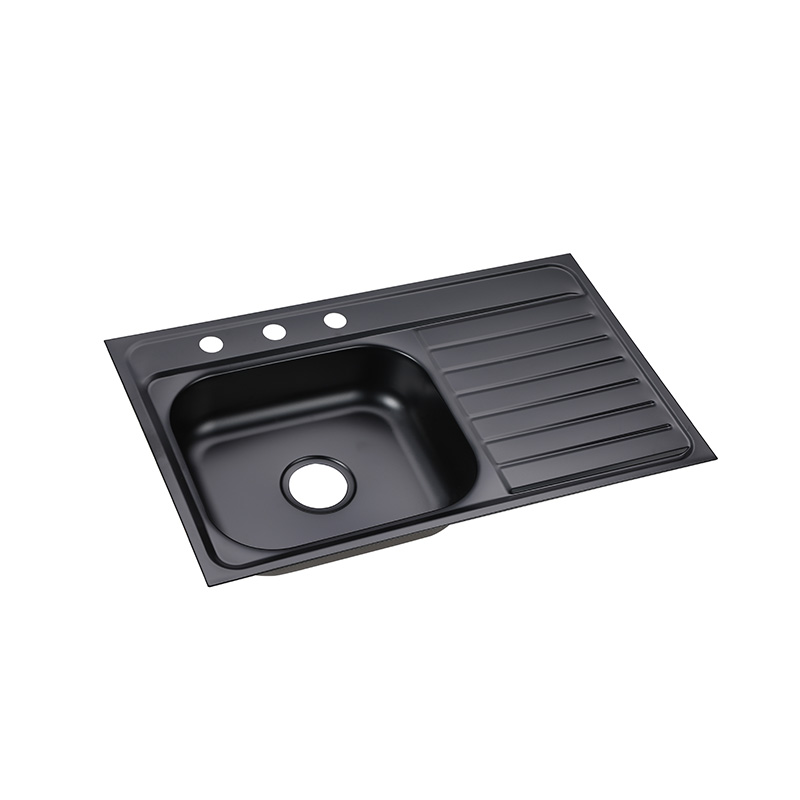
Welcome to our collection of premium PVD sinks, where functionality meets style. Among our diverse range of kitchen fixtures, the 800*500mm Left Bowl with Right Tray Sink in Black stands out as a test...
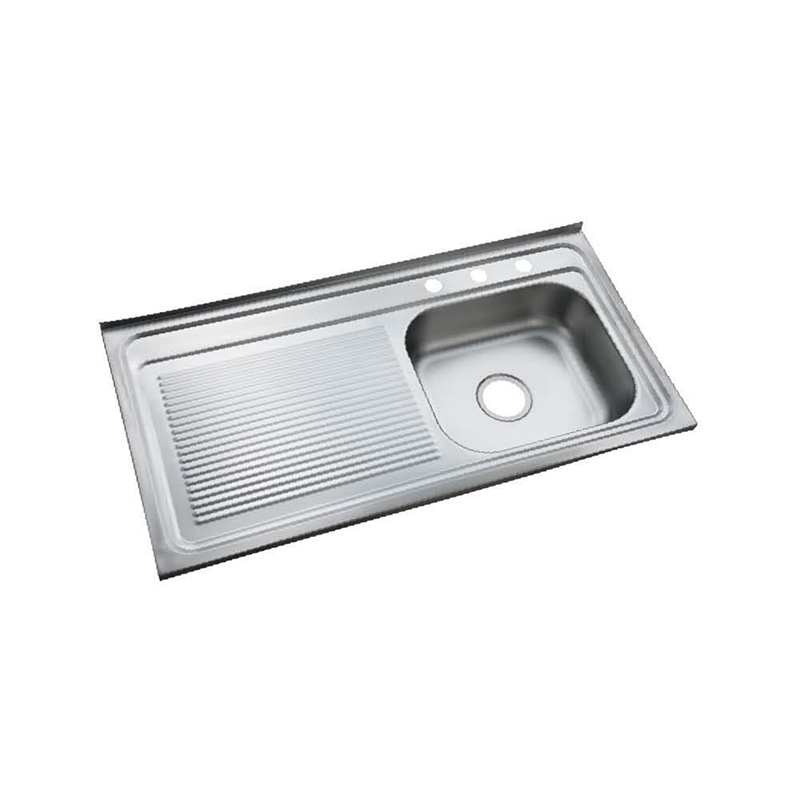
The XAL10050ERG 1000*500 mm right bowl with left tray sink in GREY color is a modern, versatile addition to any kitchen. This sink combines functionality with a sleek design, offering a practical solu...
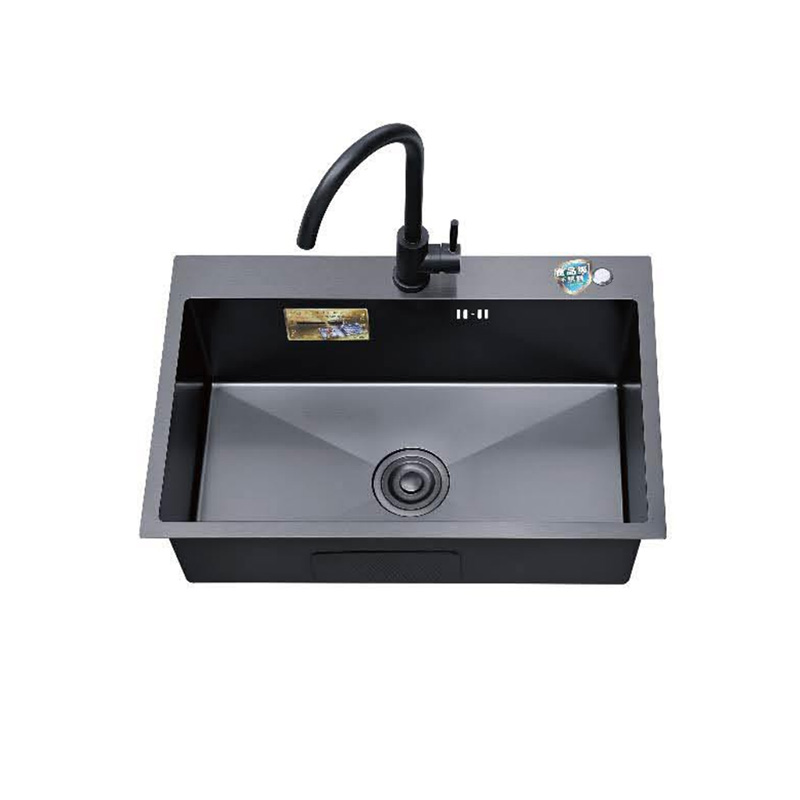
In the realm of kitchen fixtures, the single bowl handmade sink stands as a testament to the fusion of craftsmanship and functionality. Crafted with precision and care, each sink exudes a unique charm...
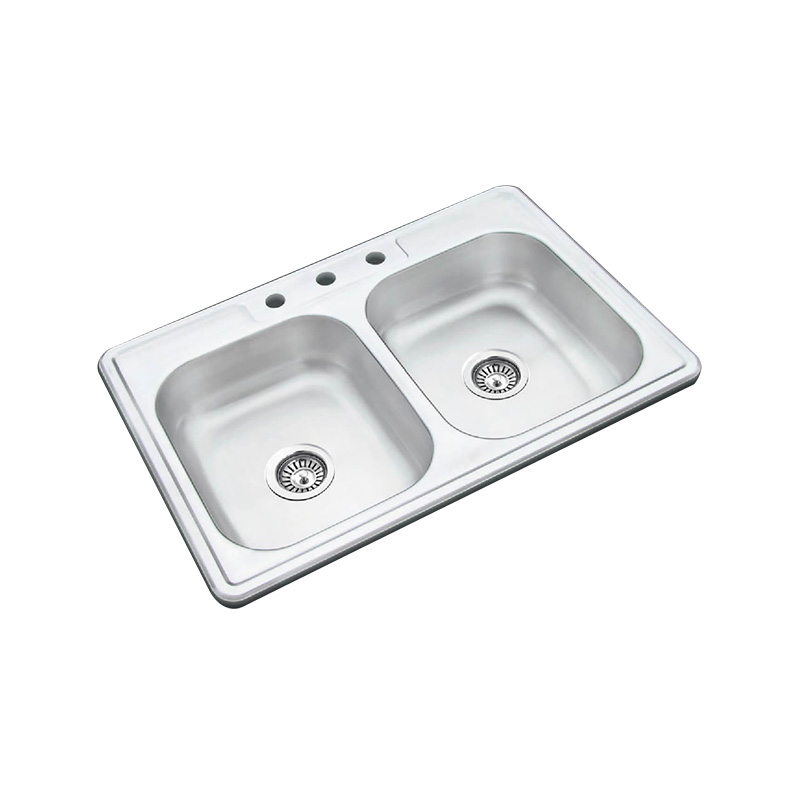
In the realm of kitchen essentials, versatility and efficiency are important. Our 3333"* 22" double bowl sink combines functionality and durability and is designed to enhance your kitchen experience. ...
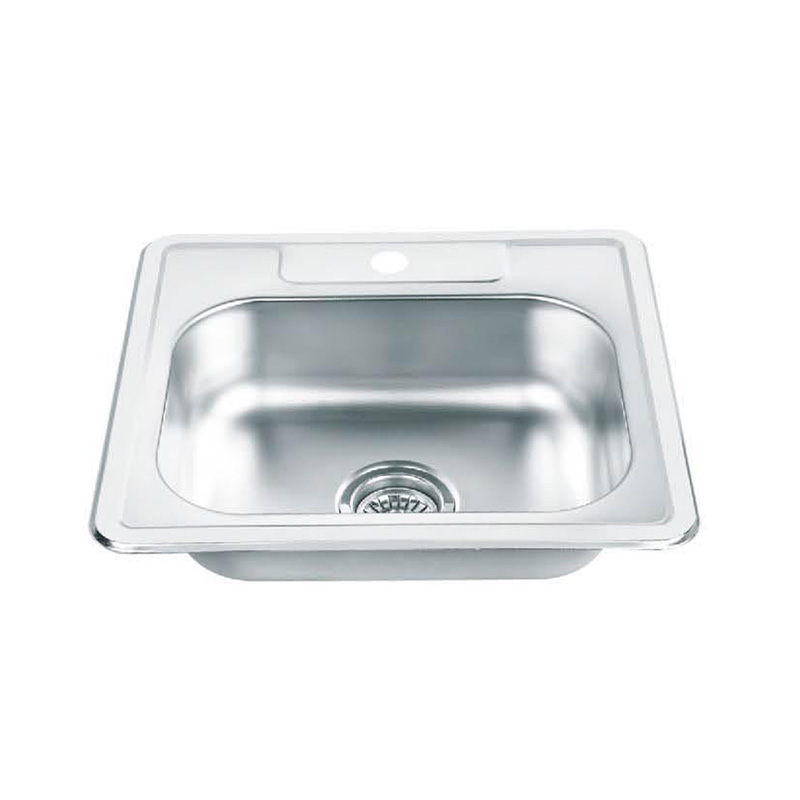
Welcome to our product showcase for the 20"*19" single bowl sink, a blend of practicality and elegance designed to meet the diverse needs of modern kitchens. This compact and efficient sink is tailore...
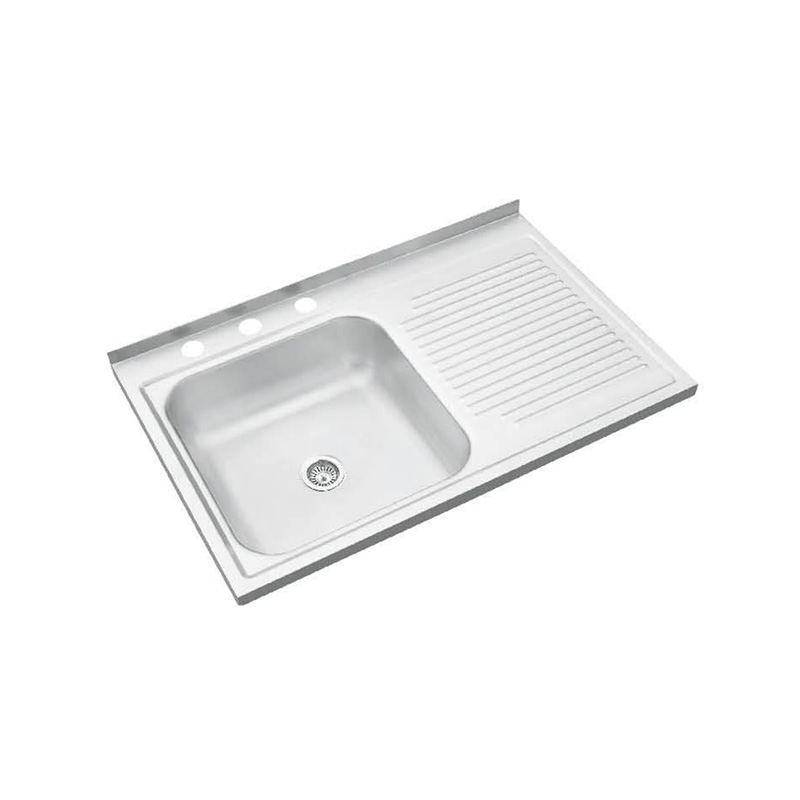
In the realm of kitchen fixtures, versatility and efficiency are important. Our 800*500 mm Left Bowl with Right Tray Sink offers a seamless blend of functionality and convenience, tailored to suit var...
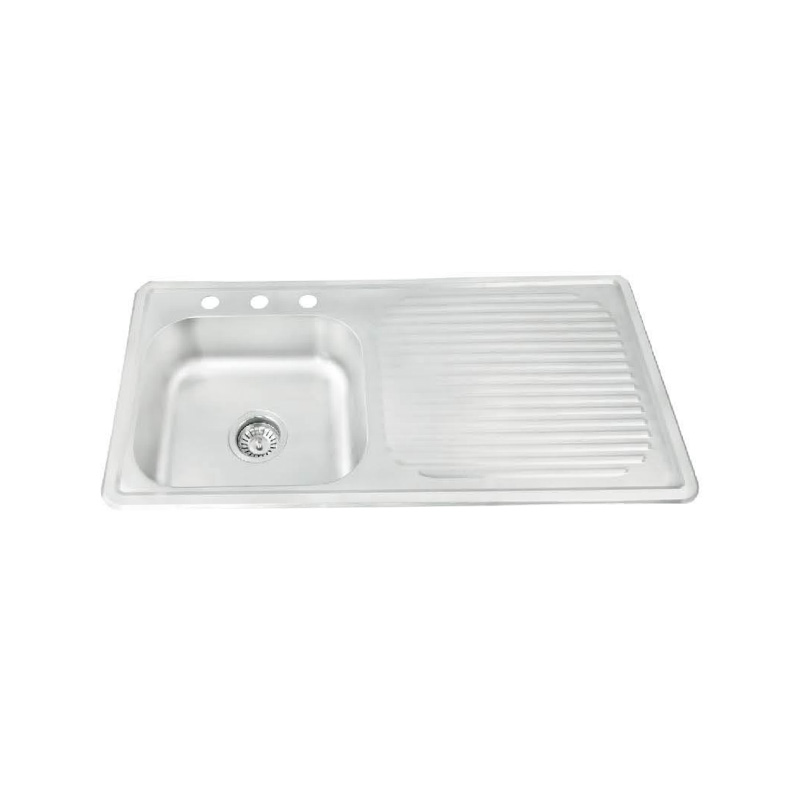
The 1000*500 mm left bowl with right tray sink is a good choice for modern kitchens requiring both style and functionality. This versatile sink is designed to handle the demands of a busy kitchen whil...
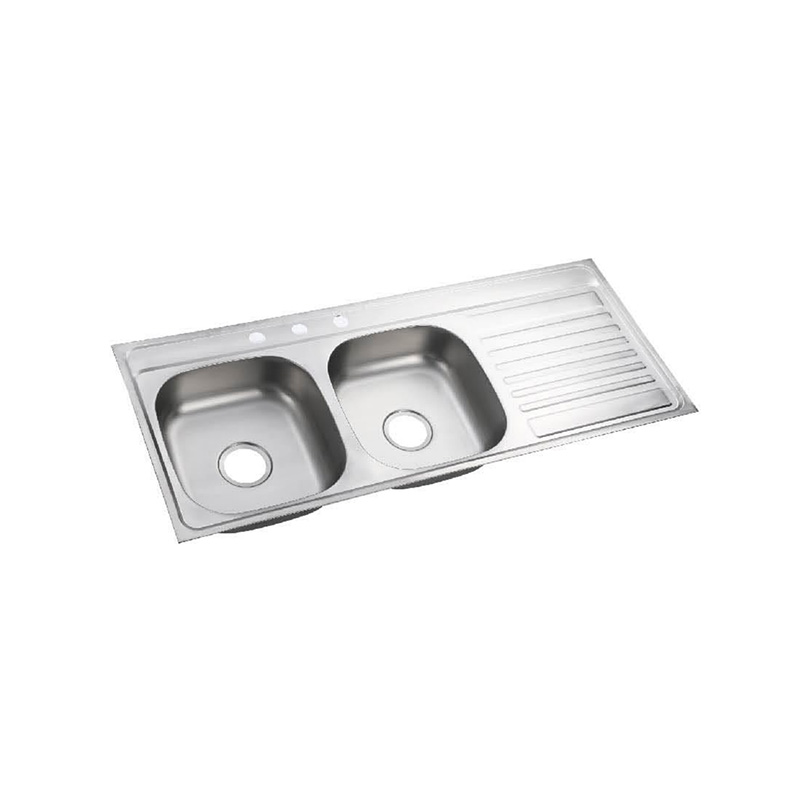
Introducing the 1200*500 mm left double bowl with right tray sink, a versatile solution for modern kitchens seeking enhanced functionality and convenience. This meticulously crafted sink combines the ...
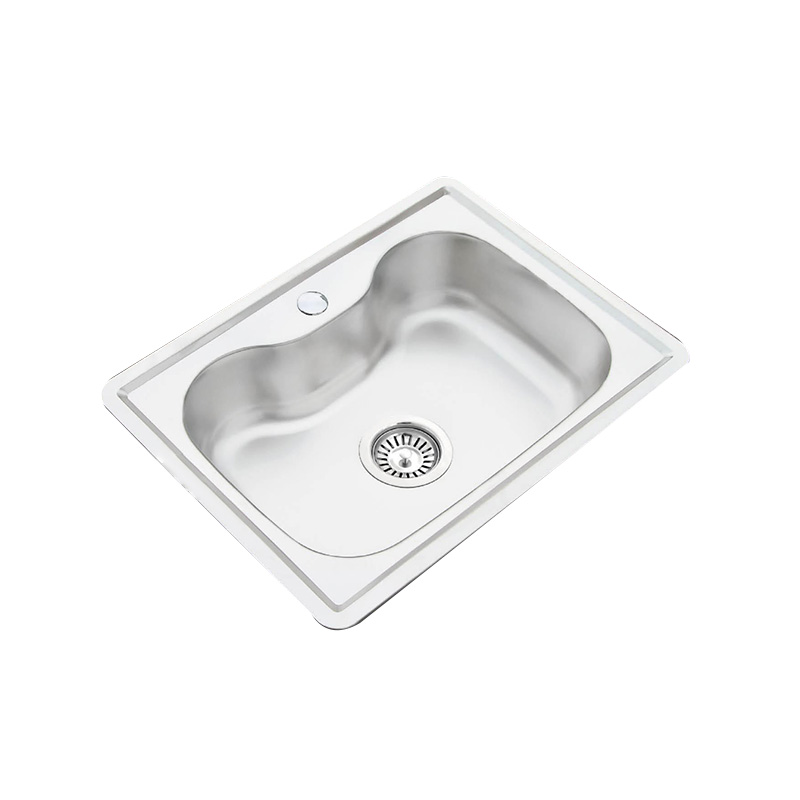
In the evolving world of kitchen design, the need for compact, efficient, and durable solutions has never been greater. Our 600*420 mm single bowl sink addresses these needs suitablely, combining spac...
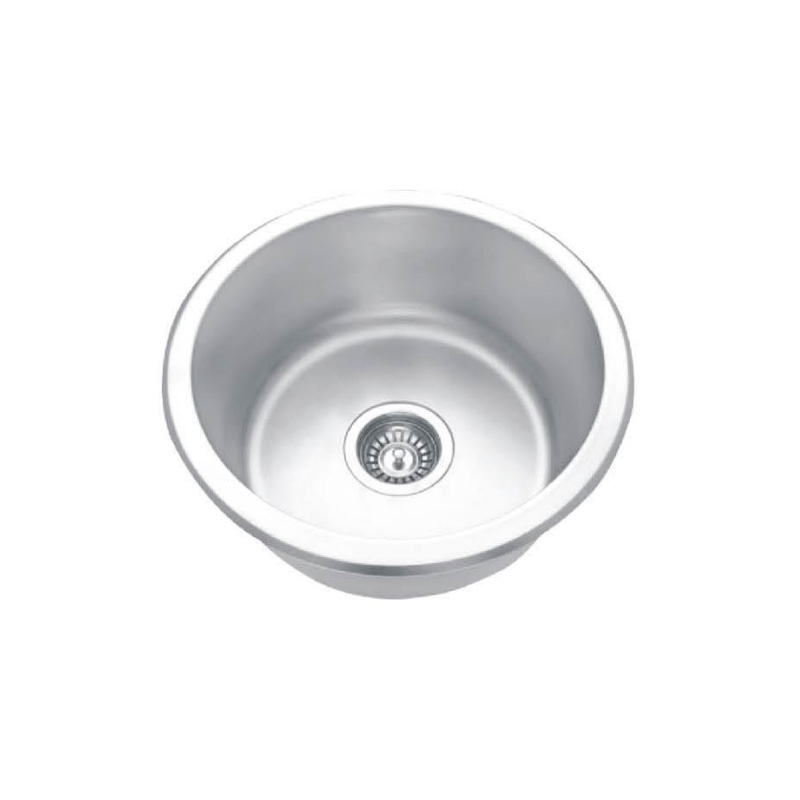
In the realm of functional kitchen fixtures, the sink reigns as a pivotal element. Enter our 420*420 mm round single bowl sink, a combination of utility and elegance that redefines kitchen essentials....

TaiZhou RunHeng Sanitary Ware Co., Ltd is an export-oriented enterprise integrating R&D, production and sales of stainless steel kitchen sink.
Copyright © 2024 TaiZhou RunHeng Sanitary Ware Co., Ltd. All Rights Reserved.
Commercial Undermount Kitchen Sinks Factory