English
 Español
 عربى
عربىProduct Consultation
Your email address will not be published. Required fields are marked *
Kitchen design is increasingly focused on practical use, easy cleaning, and making better use of available counter space. For homeowners, contractors, distributors, and commercial project buyers, the sink area is an important part of this planning. The right kitchen sink accessory can help organize washing tasks, reduce unnecessary movement, and make daily cleanup more convenient. For buyers sourcing from a kitchen sink factory, the challenge is to choose accessories that fit the sink configuration, suit the intended users, and remain practical throughout regular use.
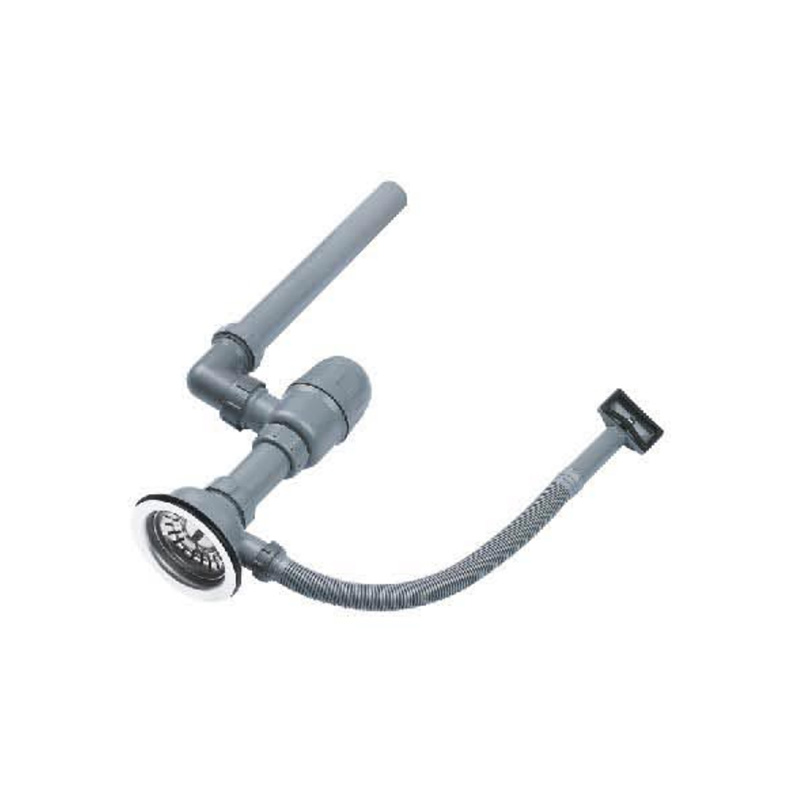
Not every kitchen has the same workflow. A compact apartment kitchen may need accessories that free up counter space, while a busy family kitchen may benefit from a more organized area for washing, rinsing, and food preparation. Commercial kitchens also have different priorities, including frequent use and straightforward cleaning.
Before selecting accessories, buyers should identify the main tasks performed around the sink. This helps prevent a common sourcing problem: choosing attractive accessories that do not fit the actual layout or improve how people use the space. A product range built around practical needs can be easier for distributors to explain and for customers to evaluate.
A kitchen sink accessory must work with the sink rather than simply look suitable beside it. Differences in bowl dimensions, rim design, mounting position, and installation method can affect whether an accessory fits correctly. Even a small mismatch may make a product inconvenient or unsuitable for its intended application.
When reviewing options, buyers should confirm:
Clear dimensional information helps reduce avoidable fitment issues during installation and supports more accurate product selection.
An accessory should not create extra work while helping users manage kitchen tasks. Food residue, water, and detergent can collect around corners, joints, or surfaces that are difficult to reach. Buyers should therefore consider not only how an accessory functions but also how easily it can be cleaned after use.
From a manufacturer's perspective, shape, surface finish, drainage, and the number of hard-to-reach areas are useful points to evaluate during product development. Accessories intended for frequent contact with water should also be assessed for their material suitability and maintenance requirements. These details can influence the long-term user experience as much as the product's initial appearance.
A well-planned sink area uses accessories for clear purposes rather than adding components without a defined need. Depending on the sink design and intended market, buyers may consider items such as drain baskets, strainers, racks, or removable organizers.
Each accessory should have a practical role. A draining component should allow water to move away as intended, while a removable organizer should be easy to take out for cleaning. Coordinating these products as a collection can also help retailers present useful combinations instead of asking customers to compare unrelated items individually.
Material selection affects appearance, handling, cleaning, and suitability for the working environment. Buyers should consider how frequently an accessory will be used, how it will contact water and cleaning products, and whether its surface may be exposed to scratches or repeated handling.
When comparing products, review the material description, construction, surface treatment, and care instructions together. Avoid relying on a general label such as “durable” without understanding the product's actual specifications. A clear material requirement also helps a kitchen sink factory assess whether the proposed design and manufacturing process match the intended application.
For importers and distributors, sourcing kitchen sink accessories involves more than approving one sample. Product dimensions, material requirements, surface appearance, packaging, and accessory combinations should be documented before bulk production. This is especially important when several products will be sold together or used across multiple sink models.
A practical purchasing checklist should cover:
These steps make communication clearer and help buyers compare delivered products against the original requirements.
A kitchen sink and its accessories need to work together as part of one functional space. Buyers who evaluate compatibility, cleaning requirements, materials, and purchasing specifications early can make more informed decisions and reduce unnecessary revisions. Working with a kitchen sink factory that can discuss these requirements helps turn a general product idea into a clearer sourcing brief. For overseas buyers developing a coordinated product range, the right kitchen sink accessory should combine practical function, suitable construction, and compatibility with the intended sink configuration.
Your email address will not be published. Required fields are marked *

Introducing our 19" x 19" single bowl black color sink, a stellar addition to our PVD sink collection. Designed with both aesthetics and functionality in mind, this sink is suitable for modern kitchen...
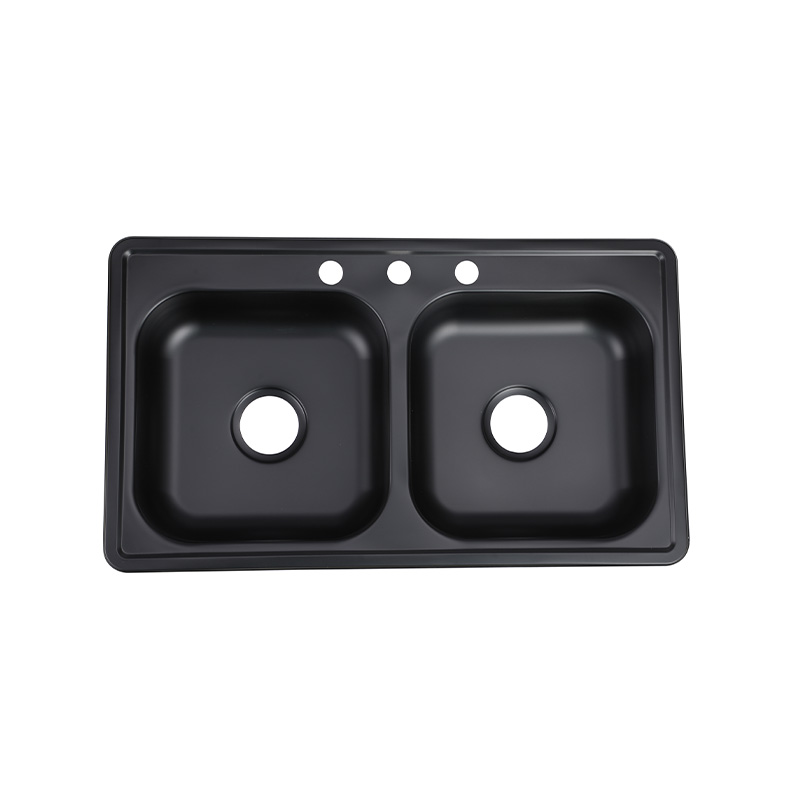
Welcome to the epitome of modern kitchen elegance and functionality with our new 33" x 19" Double Bowl Black Color Sink. This stunning sink, featuring advanced PVD (Physical Vapor Deposition) coating,...
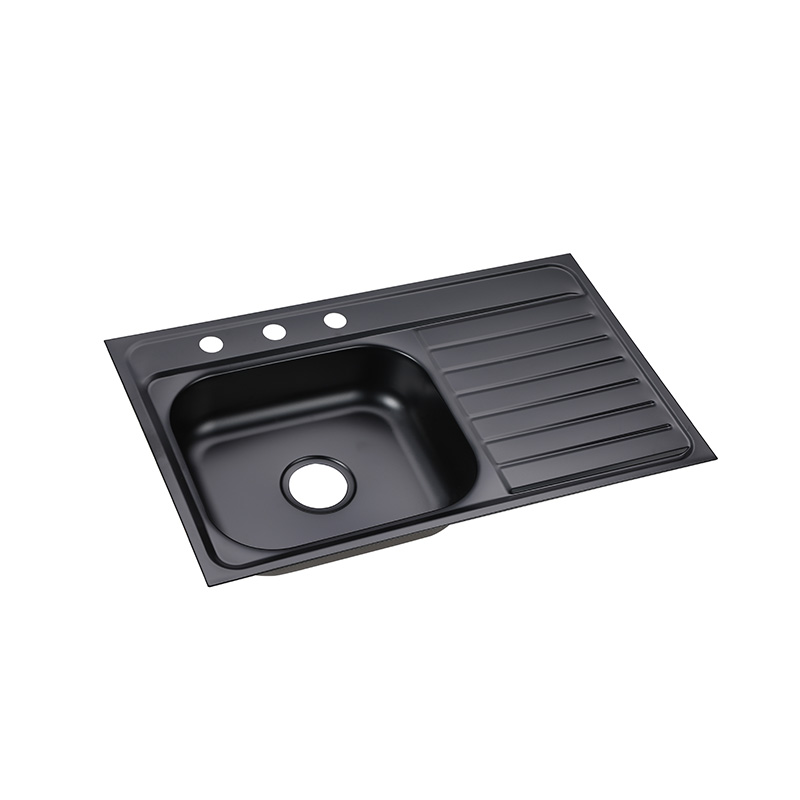
Welcome to our collection of premium PVD sinks, where functionality meets style. Among our diverse range of kitchen fixtures, the 800*500mm Left Bowl with Right Tray Sink in Black stands out as a test...
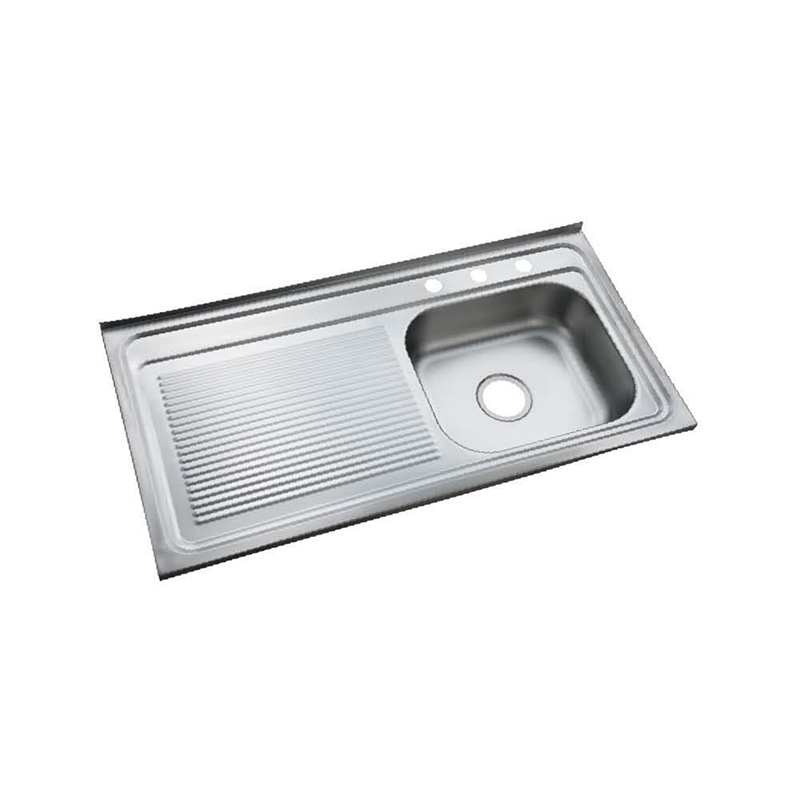
The XAL10050ERG 1000*500 mm right bowl with left tray sink in GREY color is a modern, versatile addition to any kitchen. This sink combines functionality with a sleek design, offering a practical solu...
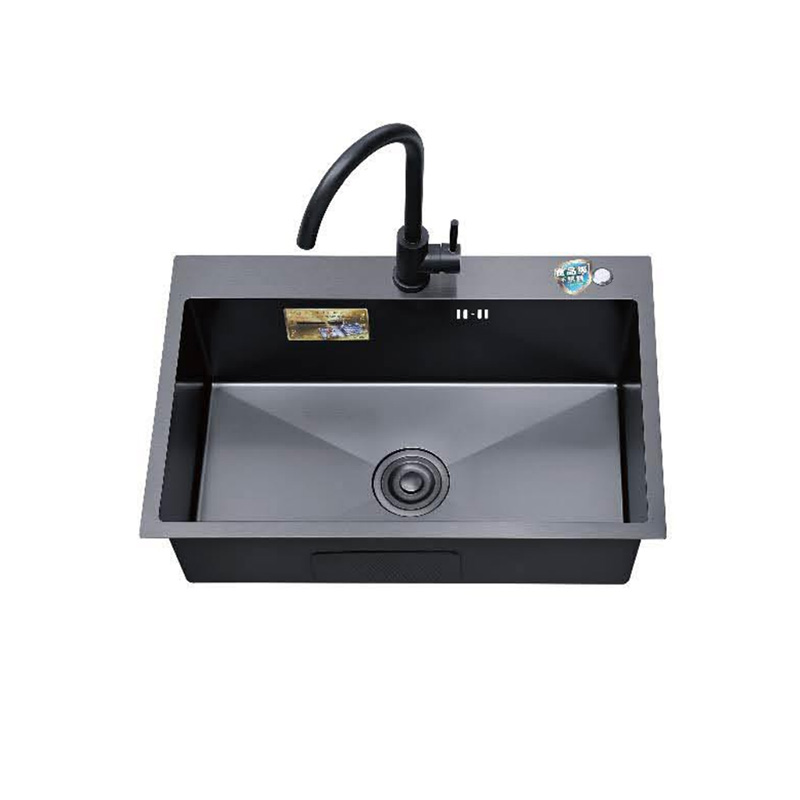
In the realm of kitchen fixtures, the single bowl handmade sink stands as a testament to the fusion of craftsmanship and functionality. Crafted with precision and care, each sink exudes a unique charm...
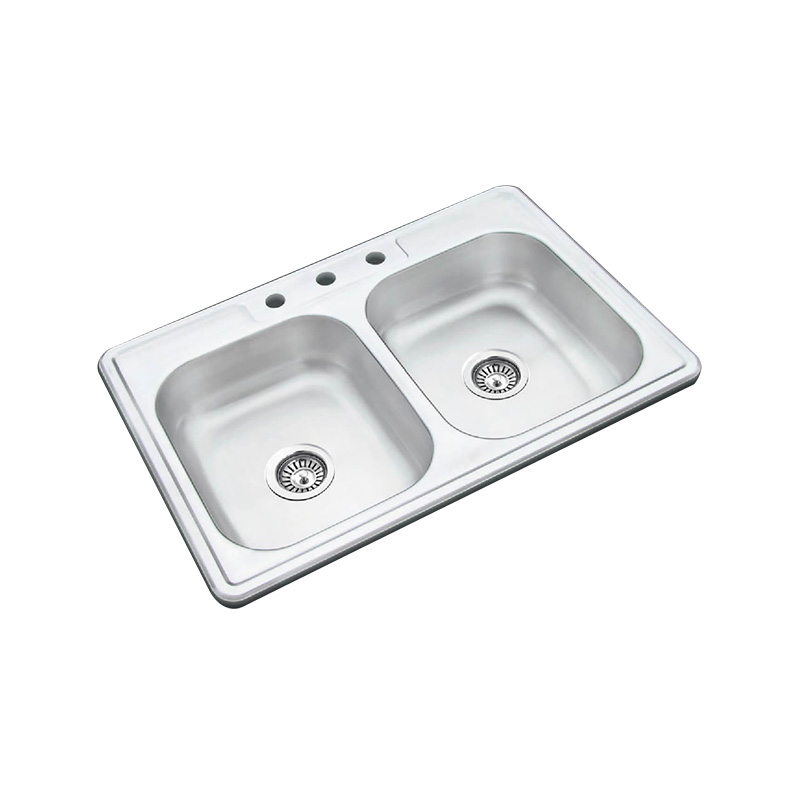
In the realm of kitchen essentials, versatility and efficiency are important. Our 3333"* 22" double bowl sink combines functionality and durability and is designed to enhance your kitchen experience. ...
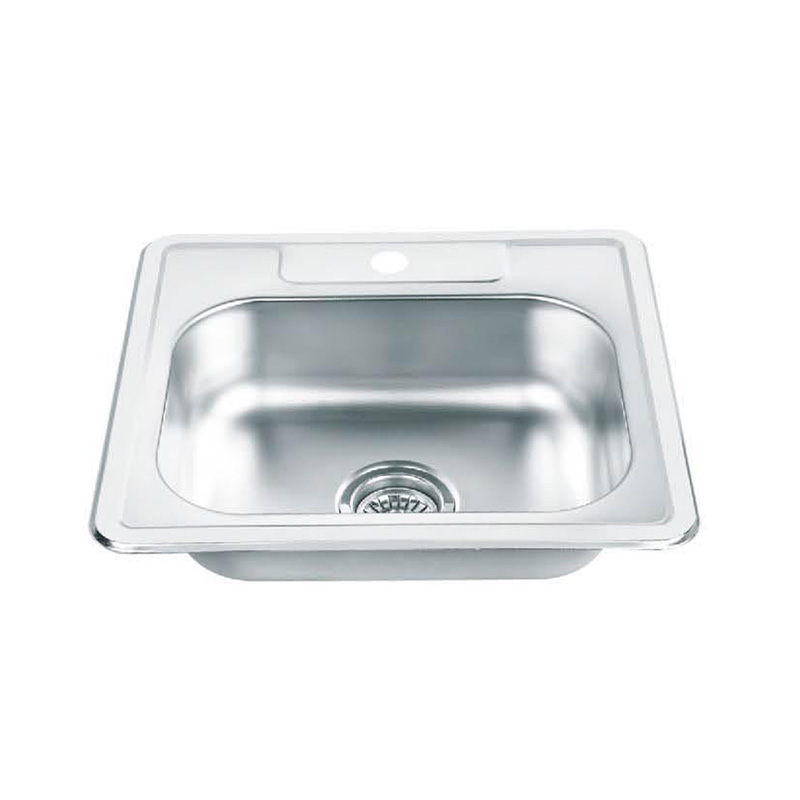
Welcome to our product showcase for the 20"*19" single bowl sink, a blend of practicality and elegance designed to meet the diverse needs of modern kitchens. This compact and efficient sink is tailore...
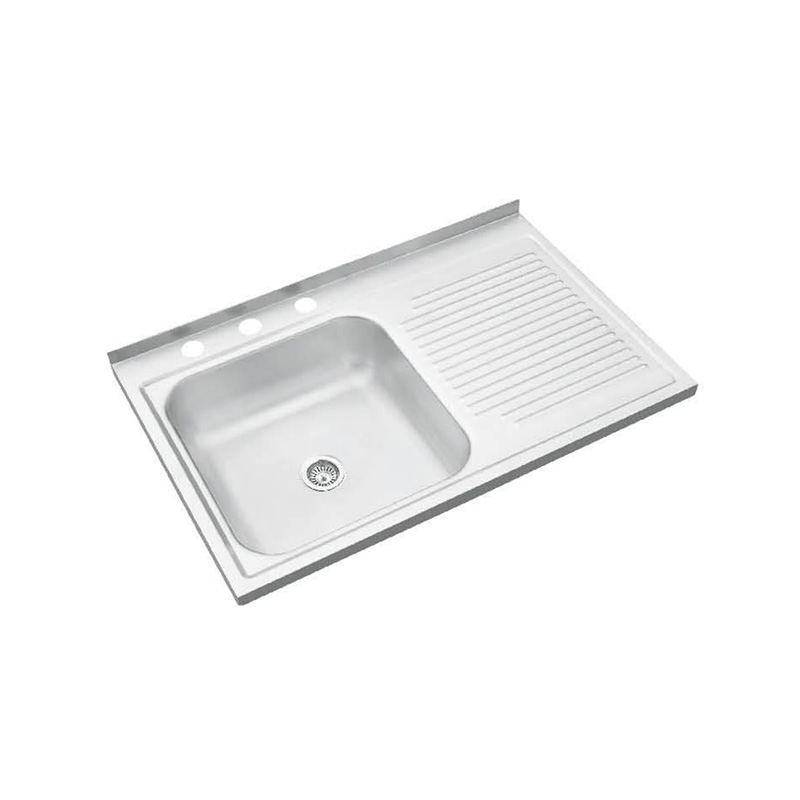
In the realm of kitchen fixtures, versatility and efficiency are important. Our 800*500 mm Left Bowl with Right Tray Sink offers a seamless blend of functionality and convenience, tailored to suit var...
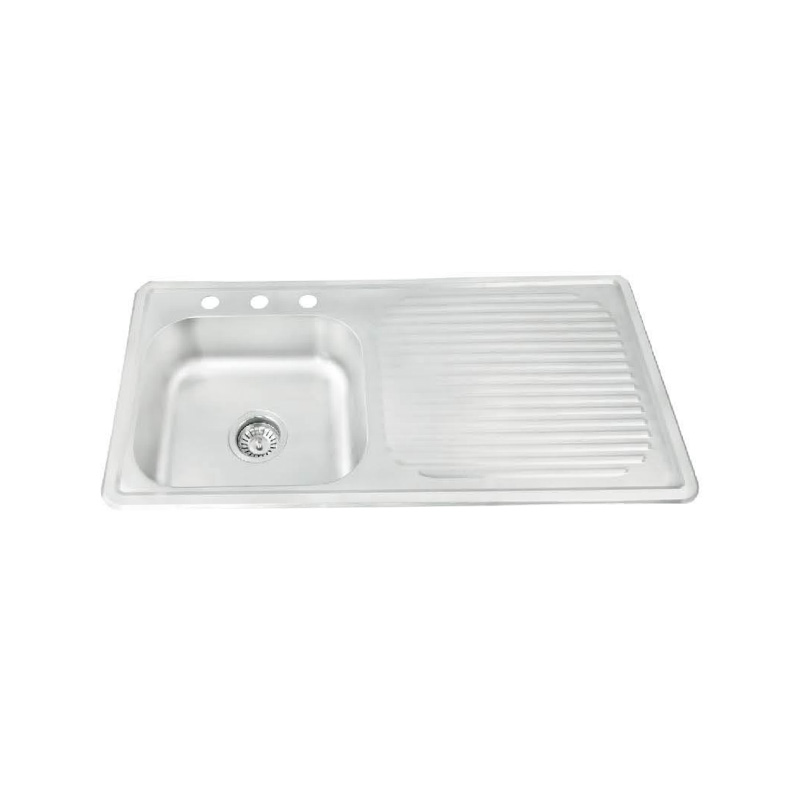
The 1000*500 mm left bowl with right tray sink is a good choice for modern kitchens requiring both style and functionality. This versatile sink is designed to handle the demands of a busy kitchen whil...
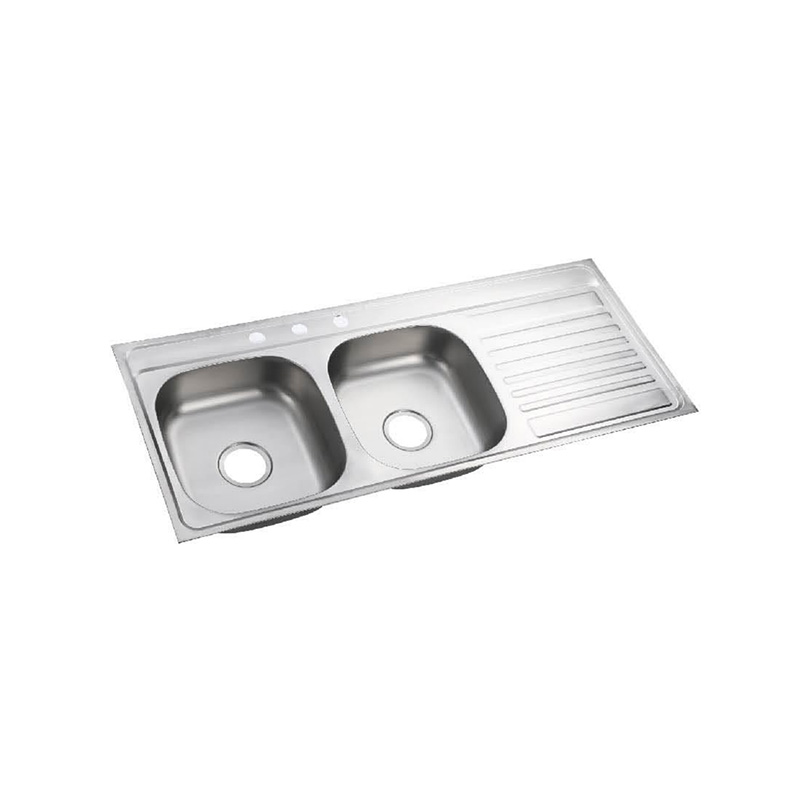
Introducing the 1200*500 mm left double bowl with right tray sink, a versatile solution for modern kitchens seeking enhanced functionality and convenience. This meticulously crafted sink combines the ...
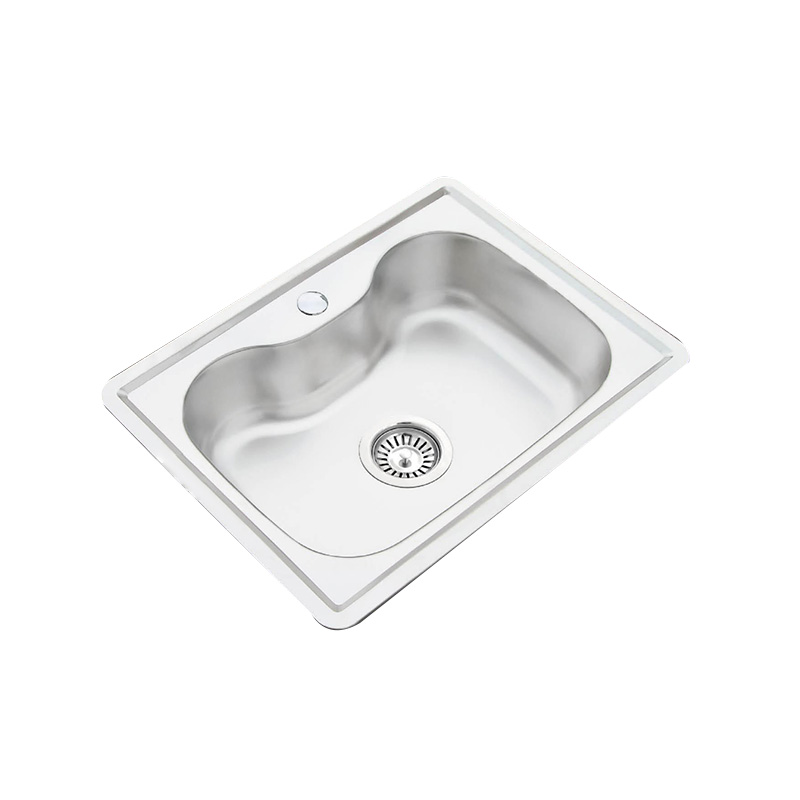
In the evolving world of kitchen design, the need for compact, efficient, and durable solutions has never been greater. Our 600*420 mm single bowl sink addresses these needs suitablely, combining spac...
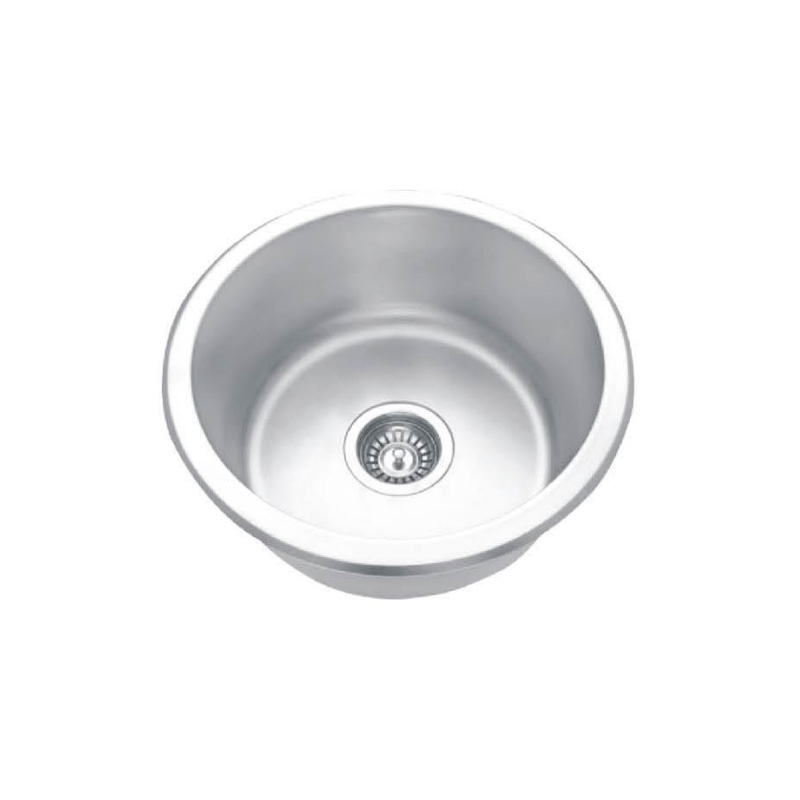
In the realm of functional kitchen fixtures, the sink reigns as a pivotal element. Enter our 420*420 mm round single bowl sink, a combination of utility and elegance that redefines kitchen essentials....

TaiZhou RunHeng Sanitary Ware Co., Ltd is an export-oriented enterprise integrating R&D, production and sales of stainless steel kitchen sink.
Copyright © 2024 TaiZhou RunHeng Sanitary Ware Co., Ltd. All Rights Reserved.
Commercial Undermount Kitchen Sinks Factory