English
 Español
 عربى
عربىProduct Consultation
Your email address will not be published. Required fields are marked *
A kitchen sink is often expected to accommodate several tasks within a limited area, from rinsing ingredients to handling dishes and managing wastewater. Accessories can make these activities easier, but selecting the right products requires more than choosing individual items from a catalog. For importers, wholesalers, and project buyers, a clear product plan helps connect design requirements with manufacturing details. Working with a kitchen sink factory early in the process can also make it easier to coordinate dimensions, product combinations, and production expectations for a kitchen sink accessory range.
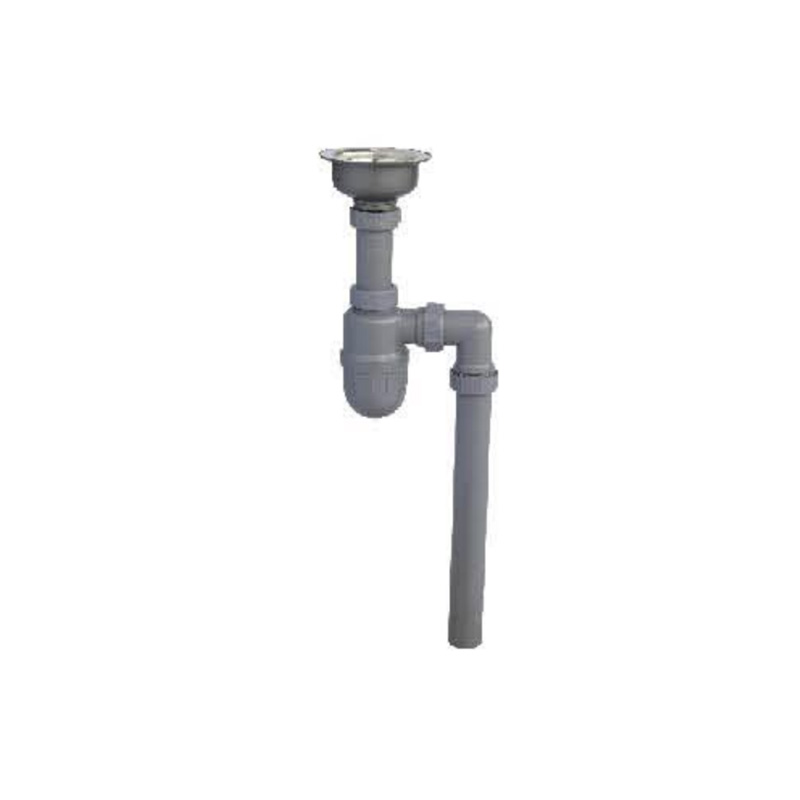
A broad accessory selection is not necessarily a well-organized one. If several products perform similar functions while other everyday needs remain unaddressed, the range may be difficult to position and manage. Buyers should first define the role of each item and how it contributes to the overall sink setup.
For example, a product range might include components for drainage, rinsing, temporary storage, or organizing items around the sink. Each product should have a distinct purpose, with dimensions and operating requirements suited to its intended use. This approach helps distributors build a more coherent assortment and allows manufacturers to understand which design details matter most before production begins.
Dimensional compatibility is one of the first issues to resolve when developing sink accessories. Products that appear similar can differ in length, width, depth, edge shape, or installation position. These differences may affect how an accessory sits inside or beside the sink.
Before confirming an order, buyers should provide the relevant sink dimensions, drawings, or physical references whenever possible. Manufacturers can then review the proposed fit and identify details that may require adjustment. Confirming these points at the development stage is generally more straightforward than correcting a mismatch after products have been manufactured.
A sample should be evaluated against the actual product requirements rather than appearance alone. Buyers can use it to check whether the accessory fits the intended sink, whether its components move or connect as expected, and whether the finish matches the approved reference.
A useful sample review should cover:
Any changes should be recorded clearly. When feedback identifies a specific dimension or component, the manufacturer can respond more accurately than when instructions rely on general comments such as “make it better” or “adjust the design.”
Small design adjustments can affect other parts of a product. Changing an edge profile, for instance, may influence fit, assembly, or the space available around the sink. For this reason, buyers and manufacturers should distinguish essential requirements from optional improvements.
Once a sample is approved, its specifications should serve as the reference for production. If a change becomes necessary, the revised details should be reviewed and confirmed before they are applied to the order. This process reduces confusion when buyers manage several accessory models or repeat orders with similar appearances but different dimensions.
When multiple accessories share a similar shape or finish, clear identification becomes important during manufacturing, packing, warehousing, and receiving inspection. A consistent product code, specification sheet, or packaging label can help distinguish items without relying on visual recognition alone.
For wholesale orders, buyers should consider how products will be sorted and handled after delivery. Separating models by size or function and confirming carton identification requirements can make inventory management more straightforward. These details are particularly useful when an order includes several accessories intended for different sink configurations.
Packaging should be considered during product development, not only after the design is complete. The shape of an accessory, the presence of projecting parts, and the number of components in a set can influence how it should be packed. Inadequate protection or unclear packing arrangements may create avoidable difficulties during transportation and storage.
Buyers should communicate whether products will be sold individually, supplied as coordinated sets, or packed for project installation. The manufacturer can then assess the packaging arrangement against product dimensions, handling needs, and order requirements. Confirming these details early helps connect the approved product design with the way it will reach the customer.
Reliable sourcing depends on having a clear reference that connects design, sampling, production, and delivery. For Taizhou Shengerda Plastic Co., Ltd. and other manufacturers developing kitchen products, detailed buyer requirements provide a practical starting point for discussing product configuration and order expectations. Overseas buyers can improve the sourcing process by confirming dimensions, documenting approved samples, controlling design changes, and specifying packaging before production begins. A well-planned kitchen sink accessory range is easier to evaluate, while cooperation with a kitchen sink factory can help keep product requirements clear from initial development through repeat purchasing.
Your email address will not be published. Required fields are marked *

Introducing our 19" x 19" single bowl black color sink, a stellar addition to our PVD sink collection. Designed with both aesthetics and functionality in mind, this sink is suitable for modern kitchen...
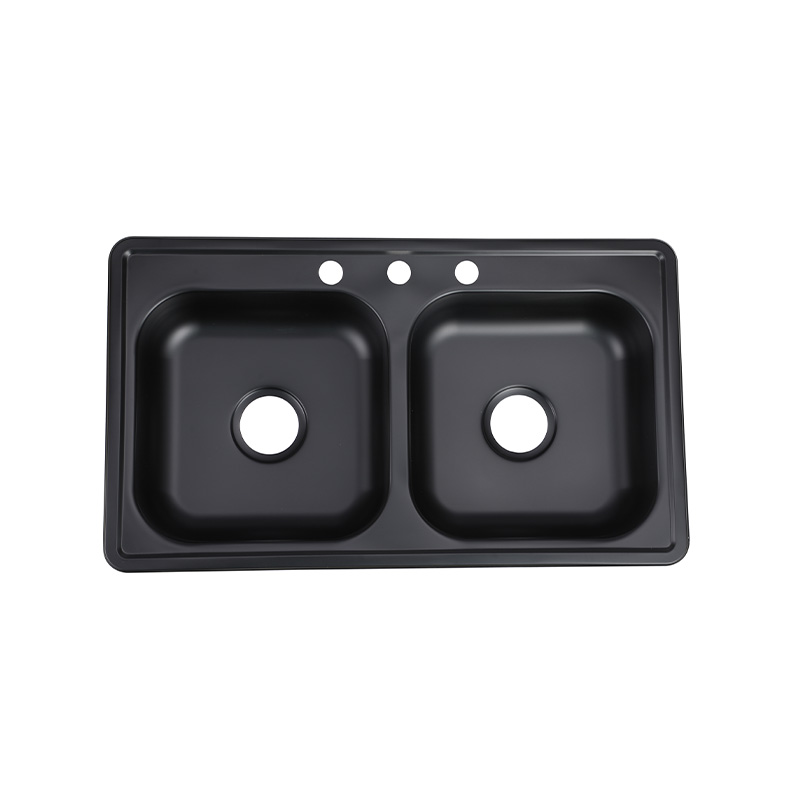
Welcome to the epitome of modern kitchen elegance and functionality with our new 33" x 19" Double Bowl Black Color Sink. This stunning sink, featuring advanced PVD (Physical Vapor Deposition) coating,...
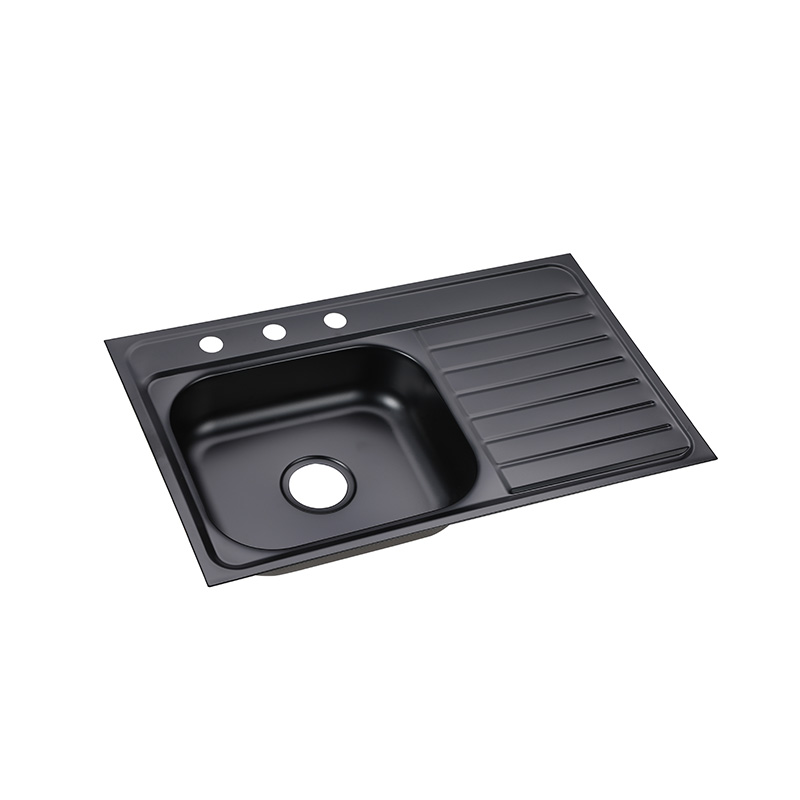
Welcome to our collection of premium PVD sinks, where functionality meets style. Among our diverse range of kitchen fixtures, the 800*500mm Left Bowl with Right Tray Sink in Black stands out as a test...
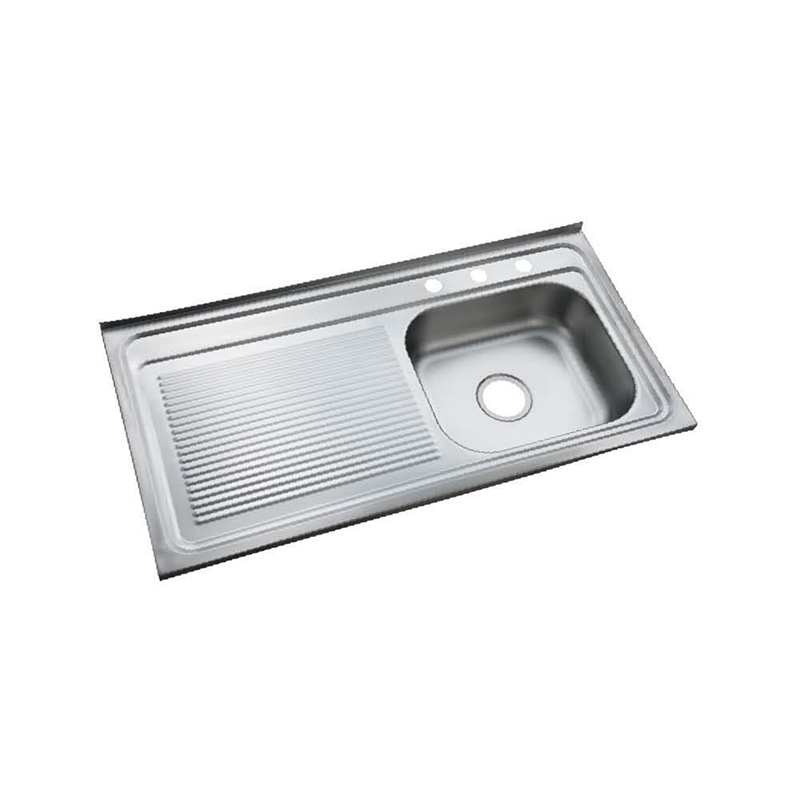
The XAL10050ERG 1000*500 mm right bowl with left tray sink in GREY color is a modern, versatile addition to any kitchen. This sink combines functionality with a sleek design, offering a practical solu...
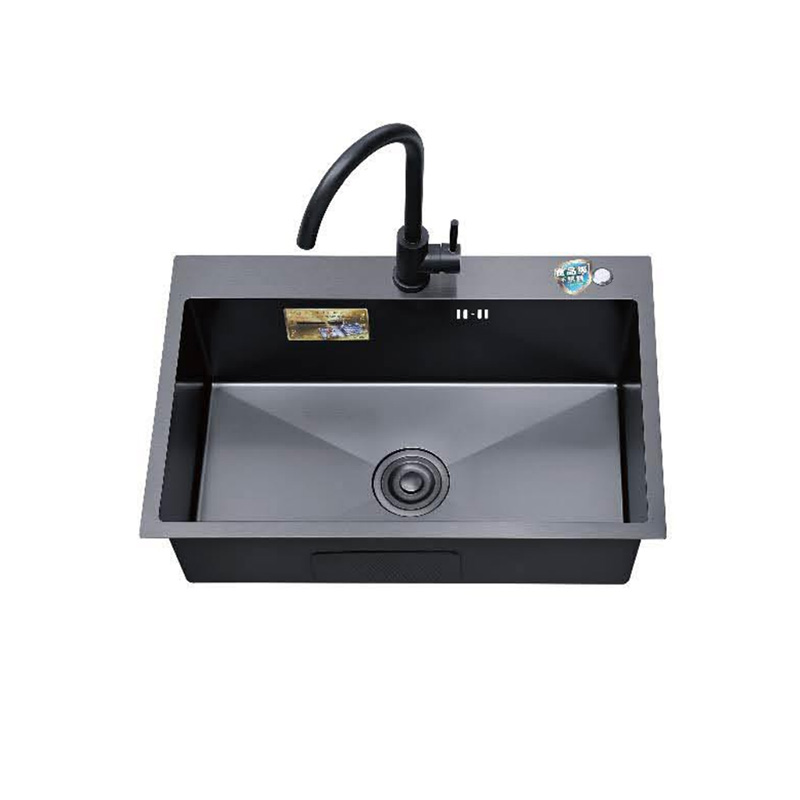
In the realm of kitchen fixtures, the single bowl handmade sink stands as a testament to the fusion of craftsmanship and functionality. Crafted with precision and care, each sink exudes a unique charm...
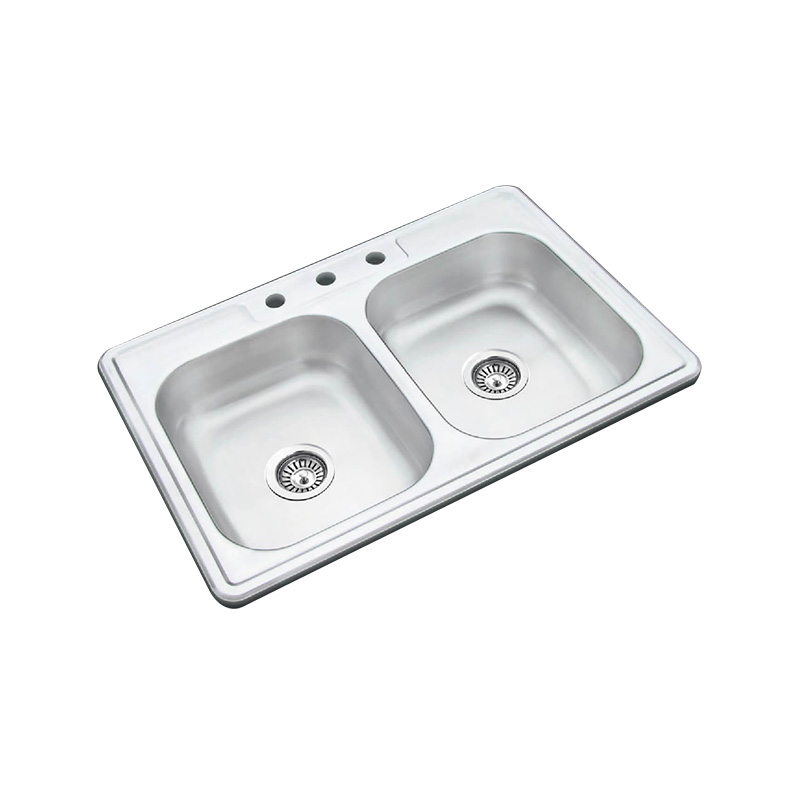
In the realm of kitchen essentials, versatility and efficiency are important. Our 3333"* 22" double bowl sink combines functionality and durability and is designed to enhance your kitchen experience. ...
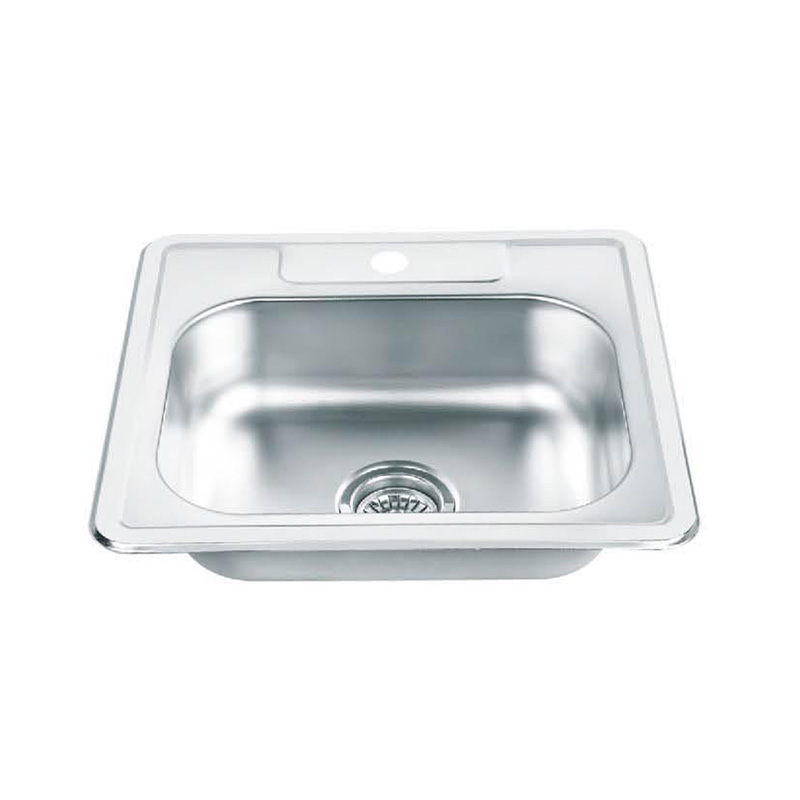
Welcome to our product showcase for the 20"*19" single bowl sink, a blend of practicality and elegance designed to meet the diverse needs of modern kitchens. This compact and efficient sink is tailore...
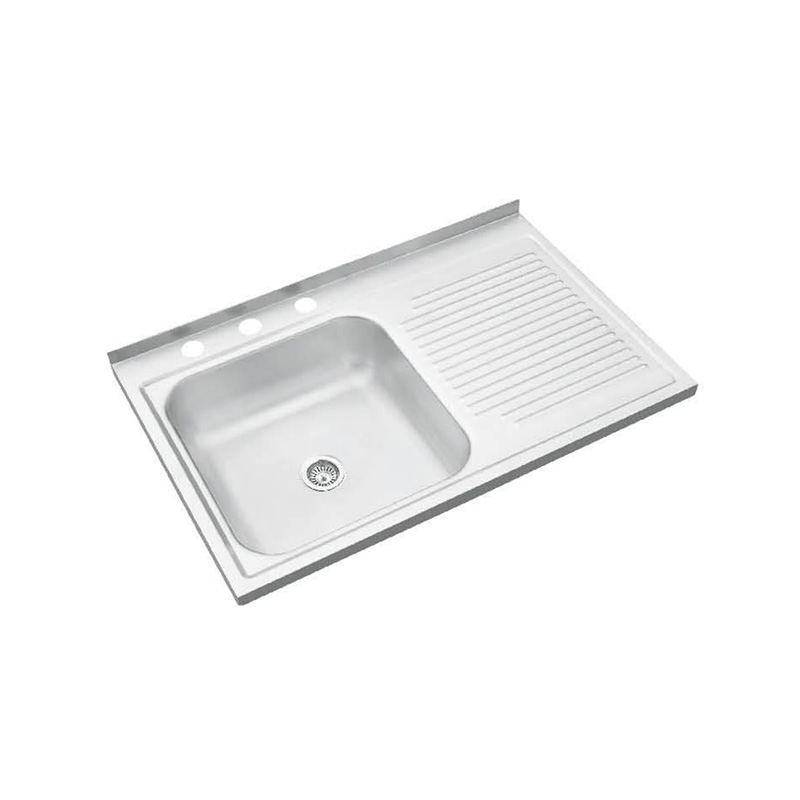
In the realm of kitchen fixtures, versatility and efficiency are important. Our 800*500 mm Left Bowl with Right Tray Sink offers a seamless blend of functionality and convenience, tailored to suit var...
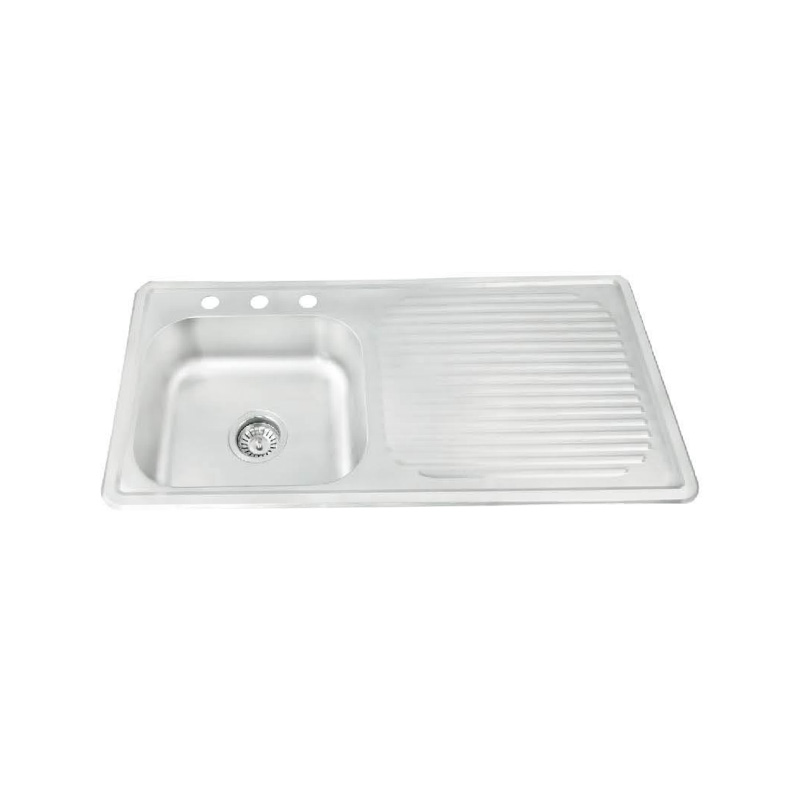
The 1000*500 mm left bowl with right tray sink is a good choice for modern kitchens requiring both style and functionality. This versatile sink is designed to handle the demands of a busy kitchen whil...
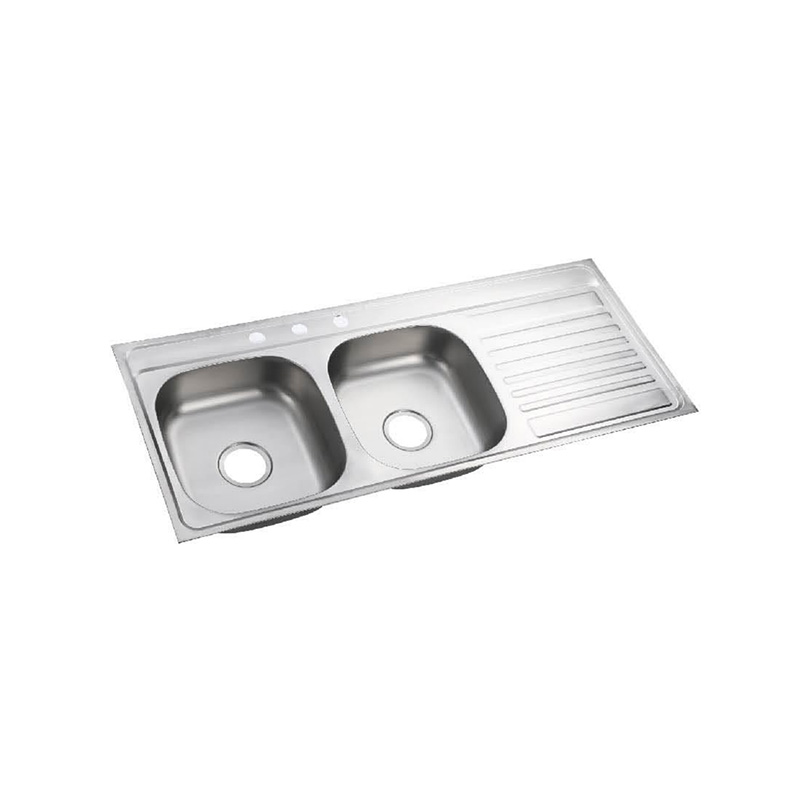
Introducing the 1200*500 mm left double bowl with right tray sink, a versatile solution for modern kitchens seeking enhanced functionality and convenience. This meticulously crafted sink combines the ...
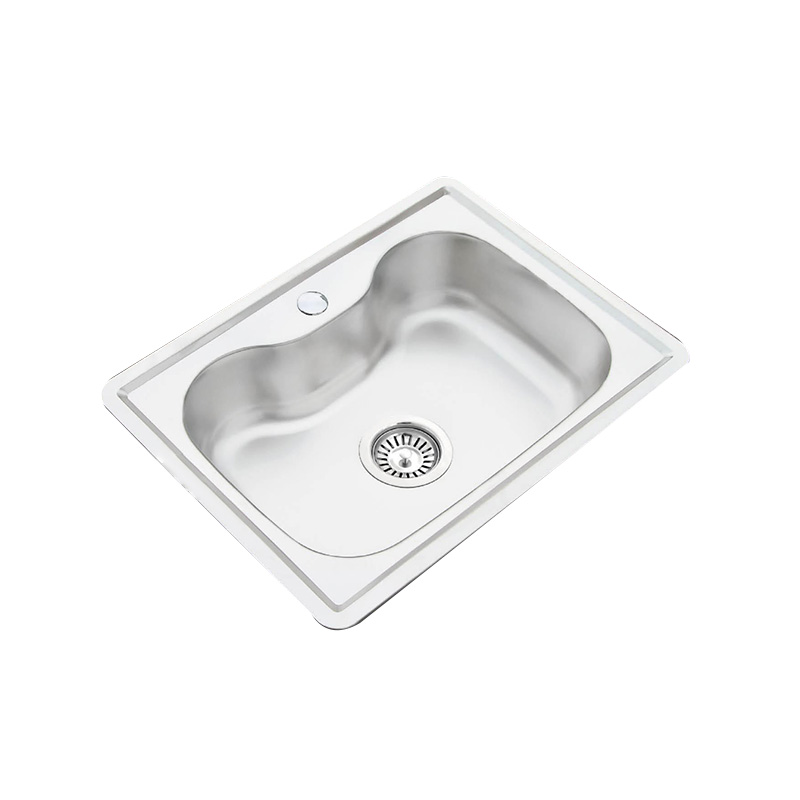
In the evolving world of kitchen design, the need for compact, efficient, and durable solutions has never been greater. Our 600*420 mm single bowl sink addresses these needs suitablely, combining spac...
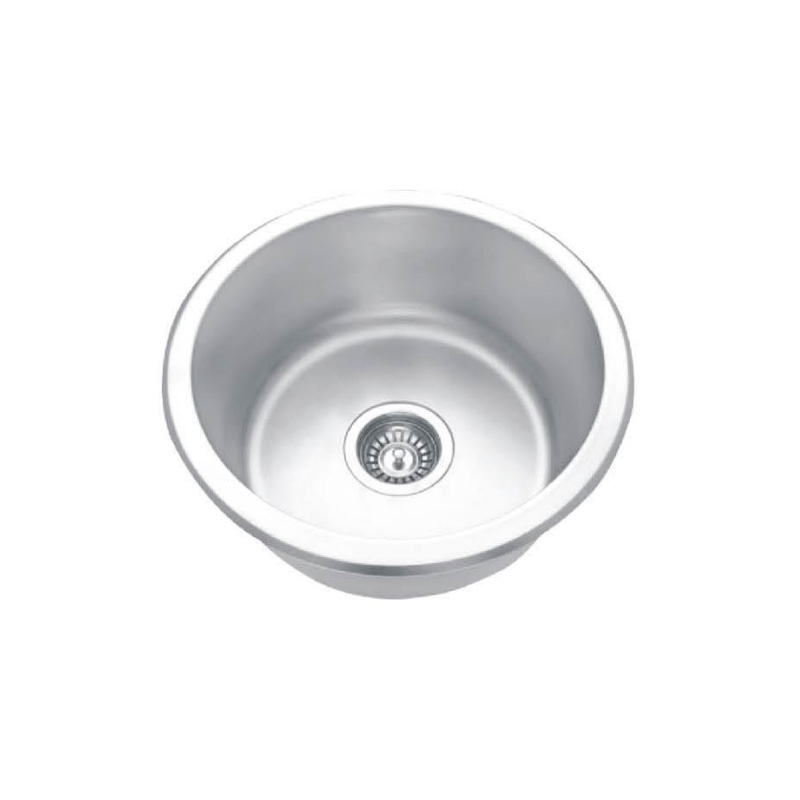
In the realm of functional kitchen fixtures, the sink reigns as a pivotal element. Enter our 420*420 mm round single bowl sink, a combination of utility and elegance that redefines kitchen essentials....

TaiZhou RunHeng Sanitary Ware Co., Ltd is an export-oriented enterprise integrating R&D, production and sales of stainless steel kitchen sink.
Copyright © 2024 TaiZhou RunHeng Sanitary Ware Co., Ltd. All Rights Reserved.
Commercial Undermount Kitchen Sinks Factory