English
 Español
 عربى
عربىProduct Consultation
Your email address will not be published. Required fields are marked *
Kitchen design is becoming less dependent on matching every fixture to the same finish. Instead, designers are combining metal, wood, stone, textured cabinetry, and darker accents to create more layered interiors. This shift creates an interesting opportunity for the nano black kitchen sink, but it also raises a practical question for manufacturers: how can one dark sink finish remain visually compatible with different countertop and cabinet materials? The answer begins with surface development, proportions, edge details, and a product range designed around real kitchen applications.
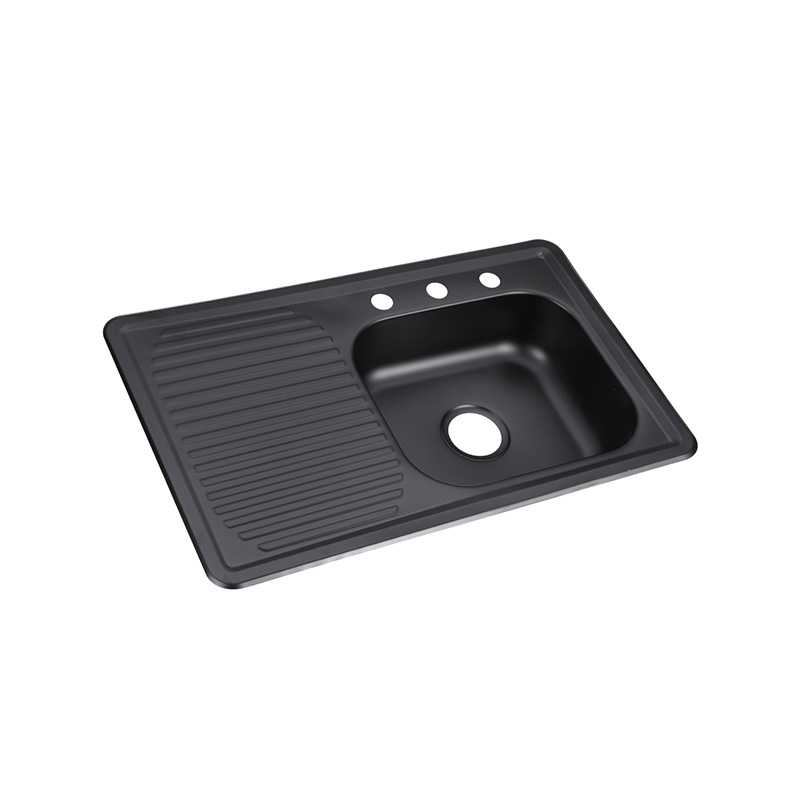
A sink occupies a highly visible position between the countertop and cabinetry, so its finish can influence how the surrounding materials are perceived. Black can create contrast against pale stone or wood, while a darker kitchen may use the same finish to create a more continuous visual effect.
Recent 2026 kitchen design coverage shows stronger interest in layered materials and warmer, more personalized interiors rather than relying on one uniform finish throughout the room.
For manufacturers, this means product development needs to consider the sink as part of a wider material combination rather than designing the basin in isolation.
A black finish needs to remain visually consistent across the basin, rim, corners, and exposed surfaces. Differences in surface preparation or finishing conditions can become more noticeable when a product uses a strong, uniform color.
During manufacturing, several stages can influence the final appearance:
Controlling these stages as one production route helps manufacturers reduce unnecessary variation between samples and subsequent batches.
Countertop materials vary considerably in color, texture, thickness, and installation requirements. A sink designed only around one visual setting may have limited application potential.
For OEM development, manufacturers can create variations in bowl dimensions, mounting edges, corner radius, and installation format while retaining a recognizable design language. This allows a product family to work with stone-look surfaces, wood-effect countertops, compact surfaces, or darker materials without requiring an entirely different manufacturing platform for every model.
Such flexibility can be particularly useful for distributors building several market-specific collections.
The transition between the sink and countertop is easy to overlook, yet it has a strong influence on the finished installation. A clean undermount edge can create a quieter appearance, while a carefully developed top-mount structure may give the sink a more defined visual boundary.
Manufacturers need to account for countertop thickness, cabinet construction, installation tolerance, and the intended appearance when developing the rim. Small changes in edge geometry can affect both installation and the way the sink interacts with the surrounding worktop.
This is why installation details should be considered during engineering rather than added after the main basin has been developed.
Overseas buyers often need more than one sink size. A kitchen furniture brand or distributor may require compact models for smaller layouts alongside larger single-bowl or workstation configurations.
A coordinated range can maintain common characteristics such as:
From the manufacturing side, establishing these common references can make product expansion more efficient while giving customers a recognizable collection.
OEM projects do not always require a completely new product structure. In many cases, manufacturers can modify selected dimensions or components around an established platform.
Changes may involve basin size, mounting configuration, drain position, accessory combinations, or surface finish. The key is to identify which elements can be customized without compromising forming, welding, finishing, packaging, or installation requirements.
A structured engineering review can help determine whether a requested modification is a simple specification adjustment or requires deeper tooling development.
The appeal of a dark sink does not come from color alone. Its success depends on how well the finish, proportions, installation method, and surrounding materials work together. As kitchen interiors become more layered and less dependent on uniform finishes, manufacturers have greater opportunities to develop sink collections with flexible visual applications.
As a kitchen sink factory, we develop nano black kitchen sink products by coordinating stainless steel forming, surface treatment, structural design, dimensional control, and OEM customization. By building consistent manufacturing references into each stage, we can support overseas buyers looking for coordinated sink collections that adapt to different kitchen styles, countertop materials, and project requirements.
Your email address will not be published. Required fields are marked *

Introducing our 19" x 19" single bowl black color sink, a stellar addition to our PVD sink collection. Designed with both aesthetics and functionality in mind, this sink is suitable for modern kitchen...
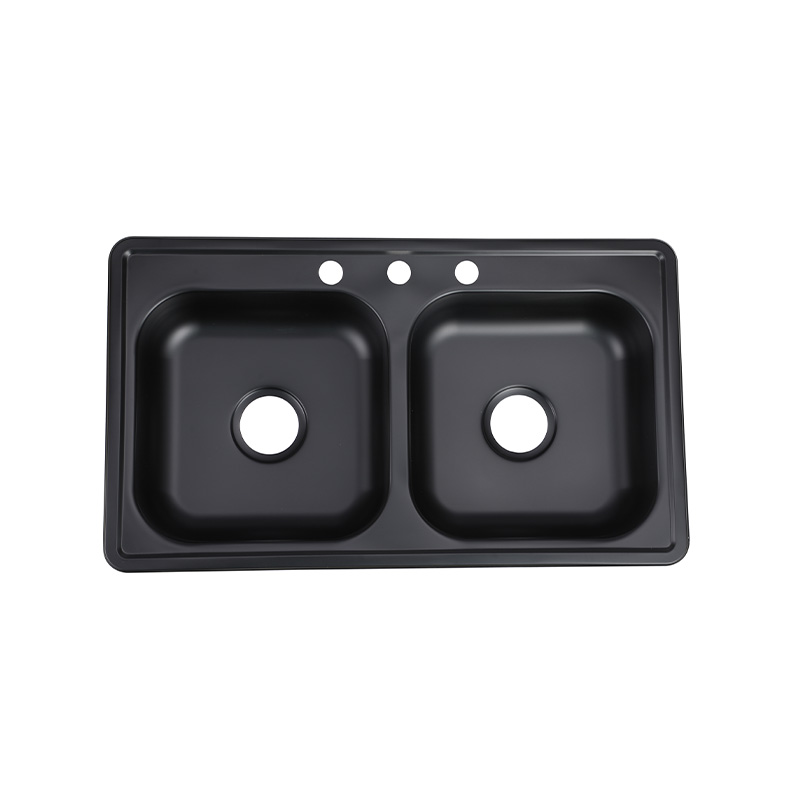
Welcome to the epitome of modern kitchen elegance and functionality with our new 33" x 19" Double Bowl Black Color Sink. This stunning sink, featuring advanced PVD (Physical Vapor Deposition) coating,...
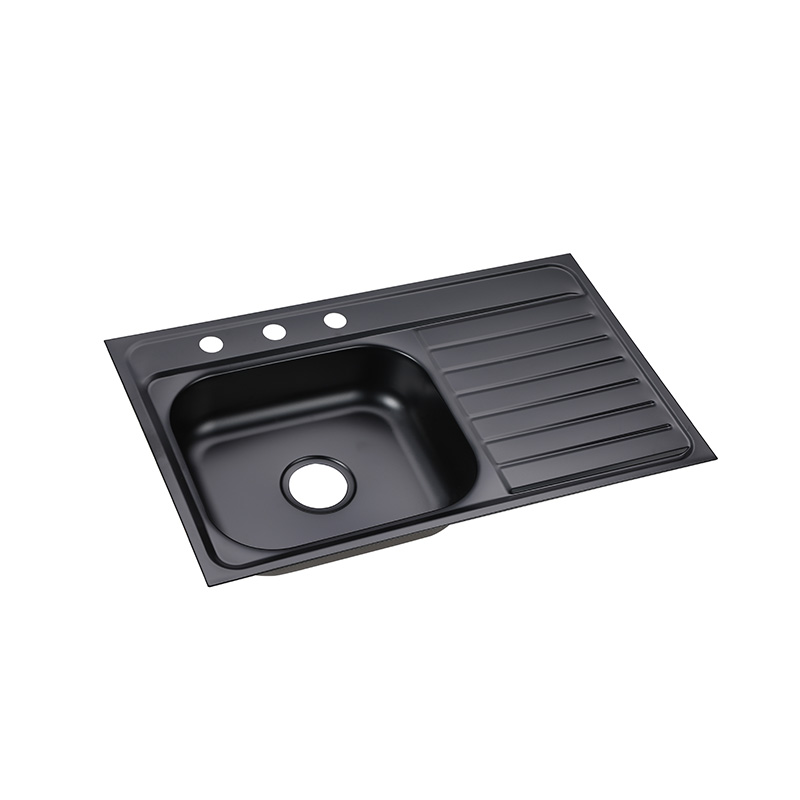
Welcome to our collection of premium PVD sinks, where functionality meets style. Among our diverse range of kitchen fixtures, the 800*500mm Left Bowl with Right Tray Sink in Black stands out as a test...
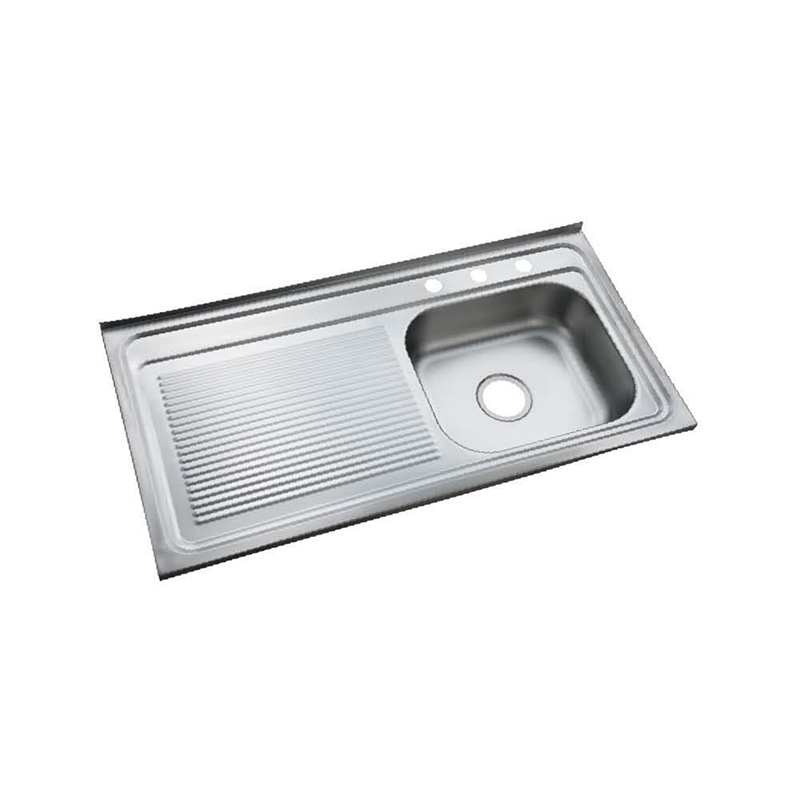
The XAL10050ERG 1000*500 mm right bowl with left tray sink in GREY color is a modern, versatile addition to any kitchen. This sink combines functionality with a sleek design, offering a practical solu...
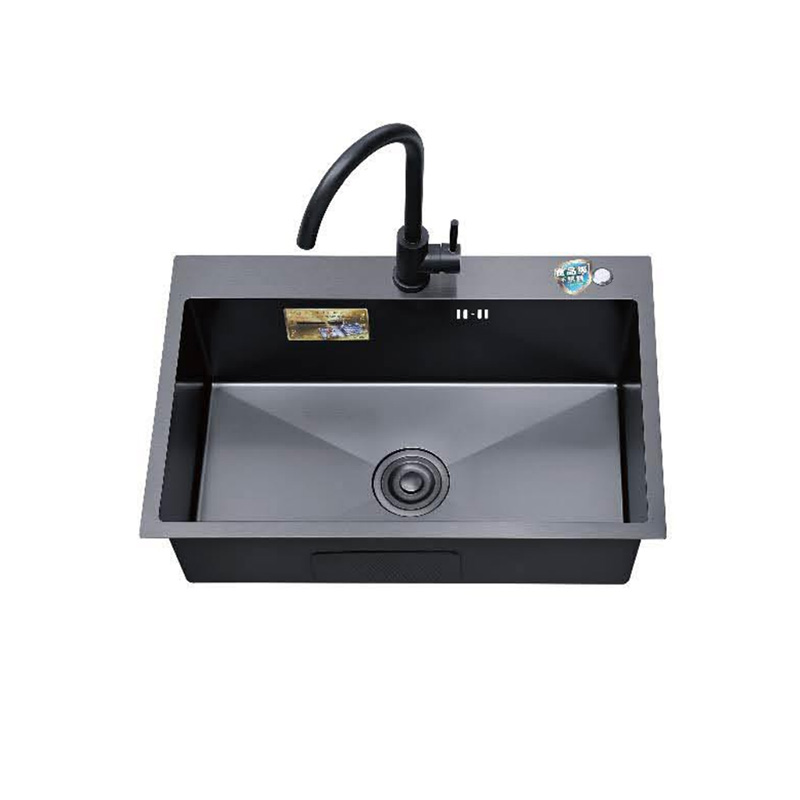
In the realm of kitchen fixtures, the single bowl handmade sink stands as a testament to the fusion of craftsmanship and functionality. Crafted with precision and care, each sink exudes a unique charm...
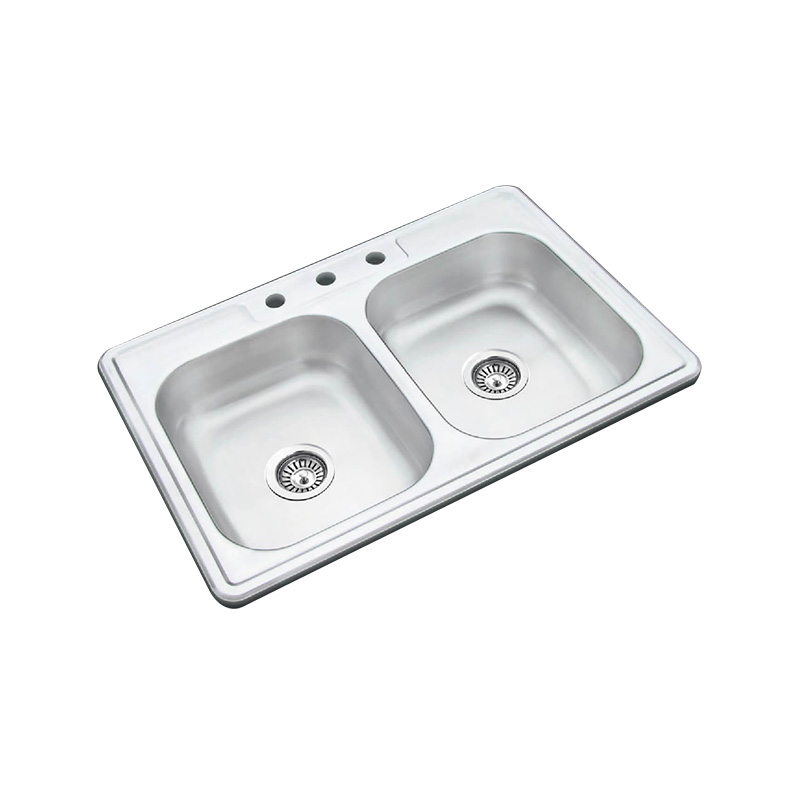
In the realm of kitchen essentials, versatility and efficiency are important. Our 3333"* 22" double bowl sink combines functionality and durability and is designed to enhance your kitchen experience. ...
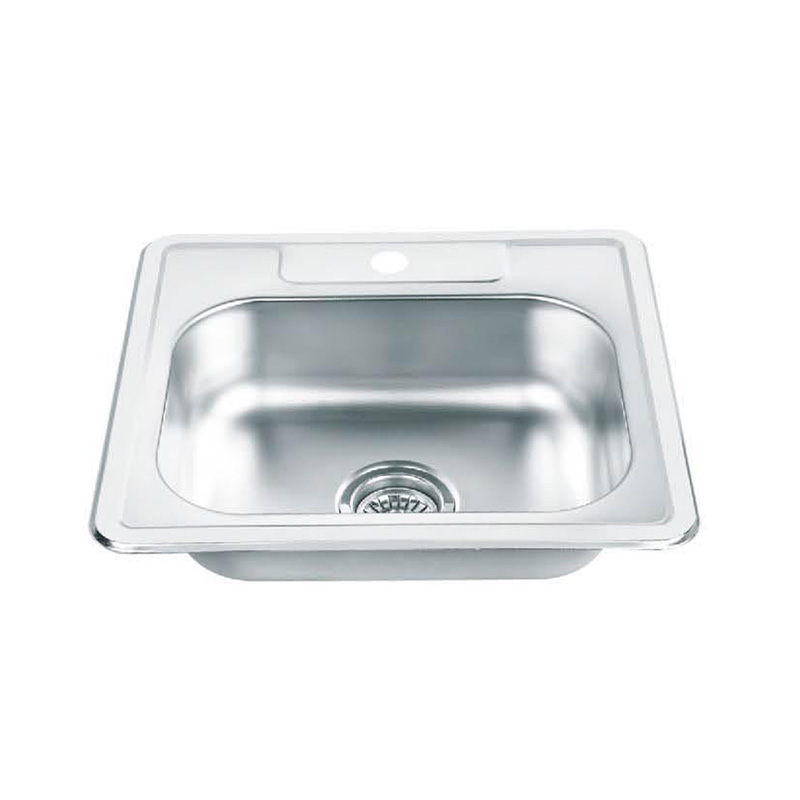
Welcome to our product showcase for the 20"*19" single bowl sink, a blend of practicality and elegance designed to meet the diverse needs of modern kitchens. This compact and efficient sink is tailore...
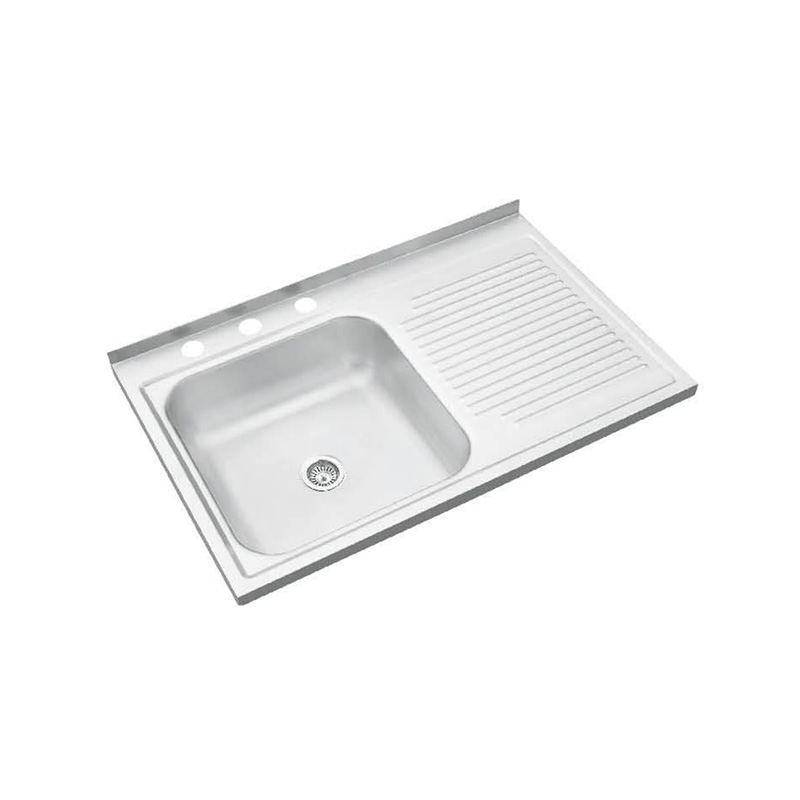
In the realm of kitchen fixtures, versatility and efficiency are important. Our 800*500 mm Left Bowl with Right Tray Sink offers a seamless blend of functionality and convenience, tailored to suit var...
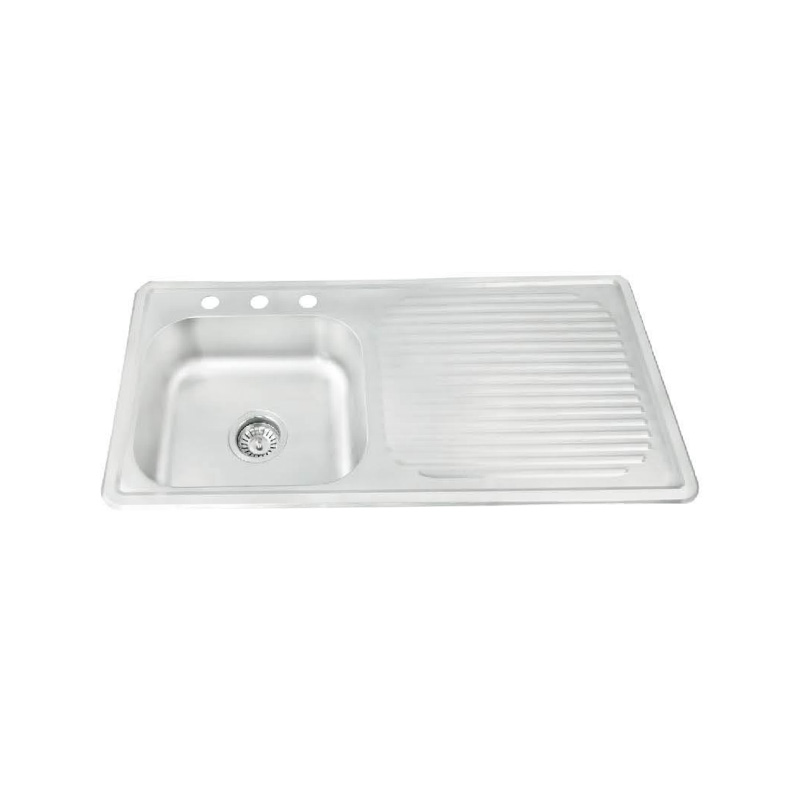
The 1000*500 mm left bowl with right tray sink is a good choice for modern kitchens requiring both style and functionality. This versatile sink is designed to handle the demands of a busy kitchen whil...
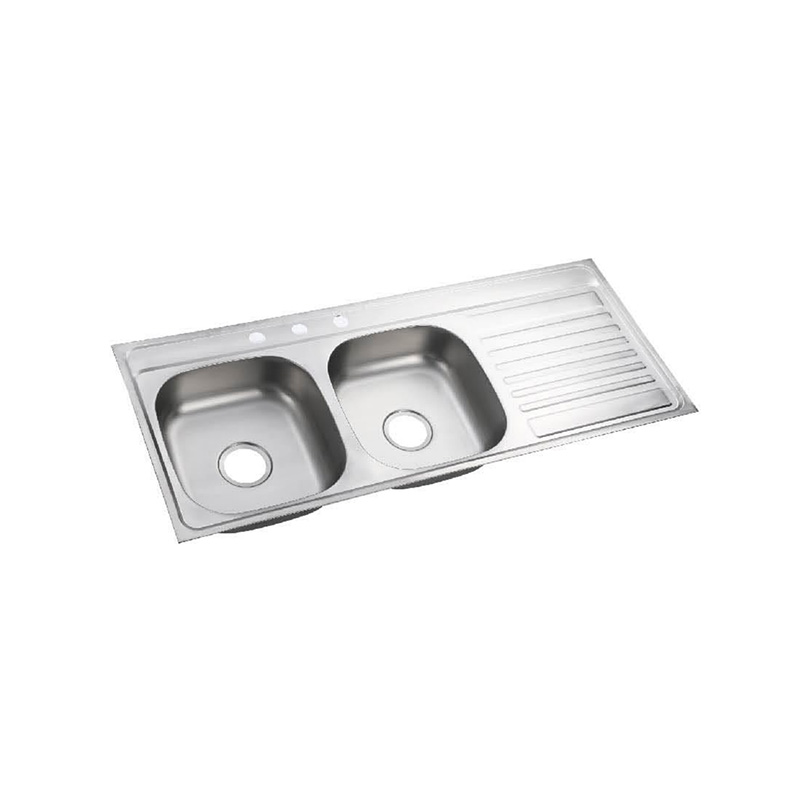
Introducing the 1200*500 mm left double bowl with right tray sink, a versatile solution for modern kitchens seeking enhanced functionality and convenience. This meticulously crafted sink combines the ...
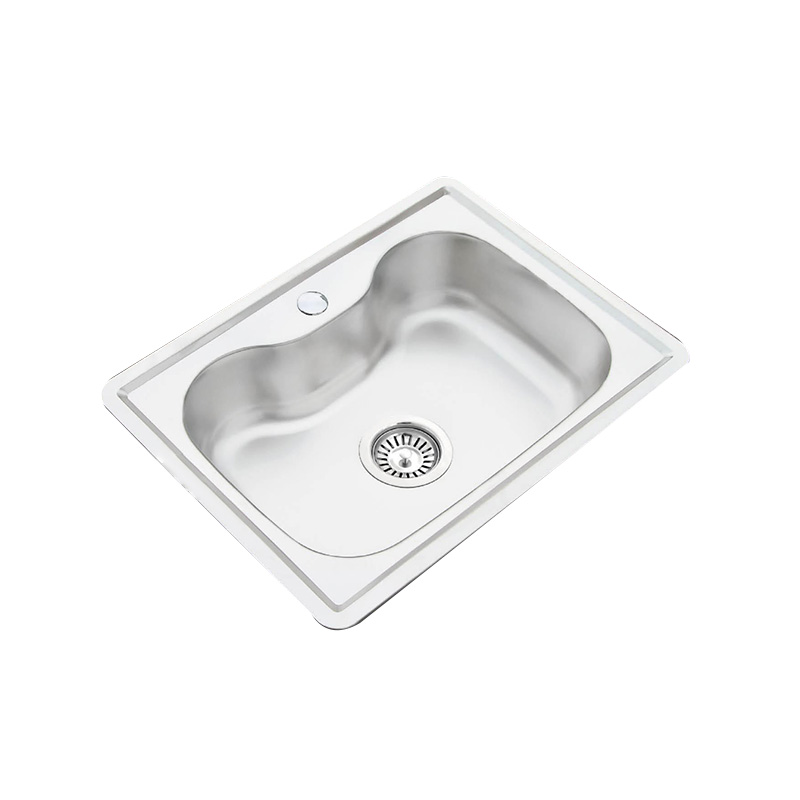
In the evolving world of kitchen design, the need for compact, efficient, and durable solutions has never been greater. Our 600*420 mm single bowl sink addresses these needs suitablely, combining spac...
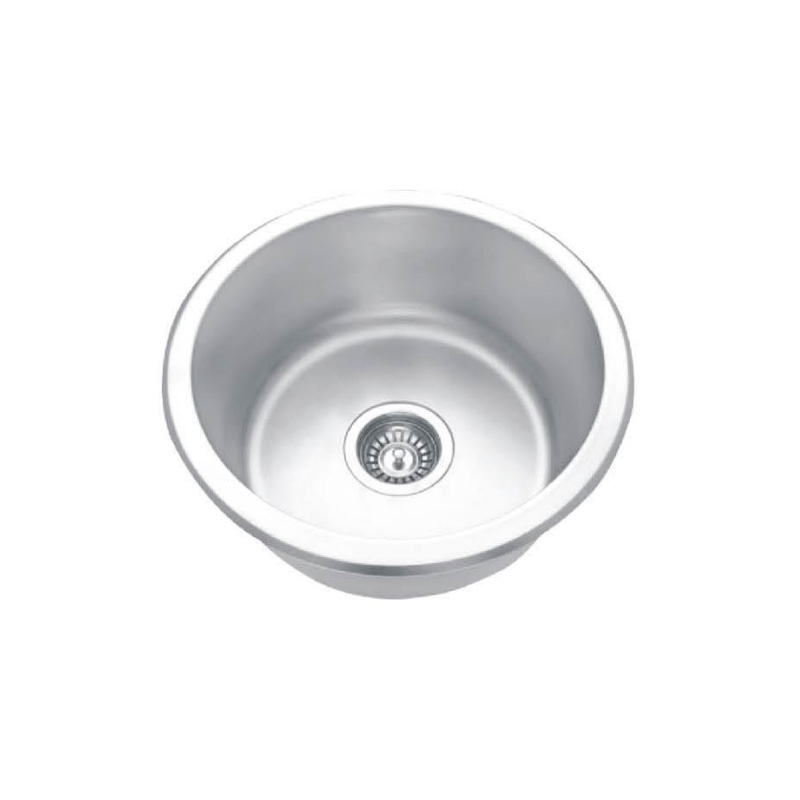
In the realm of functional kitchen fixtures, the sink reigns as a pivotal element. Enter our 420*420 mm round single bowl sink, a combination of utility and elegance that redefines kitchen essentials....

TaiZhou RunHeng Sanitary Ware Co., Ltd is an export-oriented enterprise integrating R&D, production and sales of stainless steel kitchen sink.
Copyright © 2024 TaiZhou RunHeng Sanitary Ware Co., Ltd. All Rights Reserved.
Commercial Undermount Kitchen Sinks Factory