English
 Español
 عربى
عربىProduct Consultation
Your email address will not be published. Required fields are marked *
The modern kitchen sink is increasingly expected to support more than washing and rinsing. As kitchens become multifunctional working and social spaces, manufacturers are exploring ways to combine preparation, draining, storage, and cleanup within the same sink area. This development creates new opportunities for a nano black kitchen sink, particularly when its surface finish is supported by thoughtful structural design. For manufacturers serving overseas distributors, kitchen furniture companies, and OEM projects, the challenge is to develop a product that works as a complete system rather than simply adding accessories to a conventional basin.
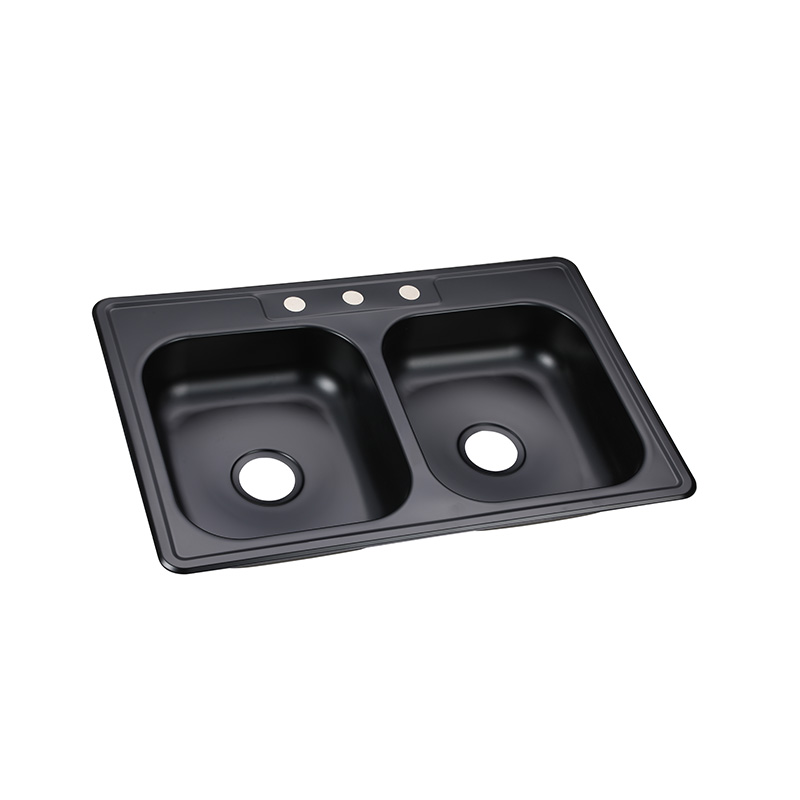
A multifunctional sink needs to start with the basin itself. Its width, depth, internal corners, ledges, drainage position, and installation structure determine how effectively accessories can be integrated later.
During product development, engineers need to establish the relationship between these elements before production tooling is finalized. A cutting board, drying rack, or colander cannot perform properly if the supporting ledge is positioned incorrectly or the available bowl space becomes too restricted.
This makes structural planning an important part of developing a modern workstation sink.
Workstation sinks increasingly use built-in ledges or tracks to allow accessories to sit across the basin. Current kitchen design coverage highlights this format as a way to bring preparation and cleanup activities into one organized zone.
For manufacturers, accessory integration involves much more than producing several separate components. Each part needs to correspond with the sink's dimensions and intended use.
Key engineering considerations include:
When these details are developed together, the finished sink can provide a more coherent user experience.
Increasing sink functionality can also increase manufacturing complexity. Larger basins and integrated ledges require controlled forming, accurate geometry, and careful handling during welding and finishing.
A manufacturer needs to consider how sheet material behaves during forming and how dimensional changes may affect accessory compatibility. Welding can also influence the geometry of the finished structure if heat input and positioning are not properly controlled.
For this reason, prototype development should verify not only appearance but also dimensional relationships between the basin, mounting edges, ledges, drainage area, and accessories.
The visual impact of a black sink depends on more than the final color. Surface preparation and finishing need to work with the underlying stainless steel construction and the geometry of the product.
Corners, edges, welded areas, ledges, and accessory-contact surfaces can all require attention during production. If different components are finished separately, manufacturers also need to consider whether their appearance remains visually coordinated after assembly.
For OEM collections, maintaining finish consistency across different sink sizes can be especially useful. It allows several models to share a recognizable design language while serving different cabinet and countertop configurations.
Overseas buyers may request changes to dimensions, bowl configuration, drain location, mounting style, accessory combinations, or surface finishes. A capable manufacturer therefore needs an engineering process that can accommodate controlled modifications without creating unnecessary production complexity.
Rather than treating every customized sink as an entirely new product, manufacturers can establish common structural principles and adapt selected components according to the project. This can make sampling more organized while giving buyers greater flexibility in developing their own product ranges.
Clear drawings, approved samples, material specifications, and production references can then provide a consistent basis for repeat orders.
A single acceptable sample does not guarantee that every future batch will have the same appearance and dimensional performance. This is particularly important when a distributor orders several sink models within one collection.
Manufacturing control should therefore continue from raw material preparation through forming, welding, surface treatment, accessory fitting, and final inspection. Checking critical dimensions and appearance at appropriate stages can help identify variation before products are packed.
For OEM customers, this process also makes future product development easier because approved production references can be reused when the same design returns to manufacturing.
The growing interest in multifunctional kitchens is changing how sink products are developed. Current industry coverage points toward workstation sinks becoming more integrated with preparation, cleanup, and entertaining activities, making structural coordination increasingly important.
As a kitchen sink factory, we approach product development from the manufacturing side, coordinating stainless steel forming, basin geometry, welding, surface finishing, accessory integration, dimensional inspection, and OEM customization. By treating the sink and its functional components as one engineered product system, we can develop a nano black kitchen sink that combines contemporary appearance with practical workstation functionality for different overseas markets.
Your email address will not be published. Required fields are marked *

Introducing our 19" x 19" single bowl black color sink, a stellar addition to our PVD sink collection. Designed with both aesthetics and functionality in mind, this sink is suitable for modern kitchen...
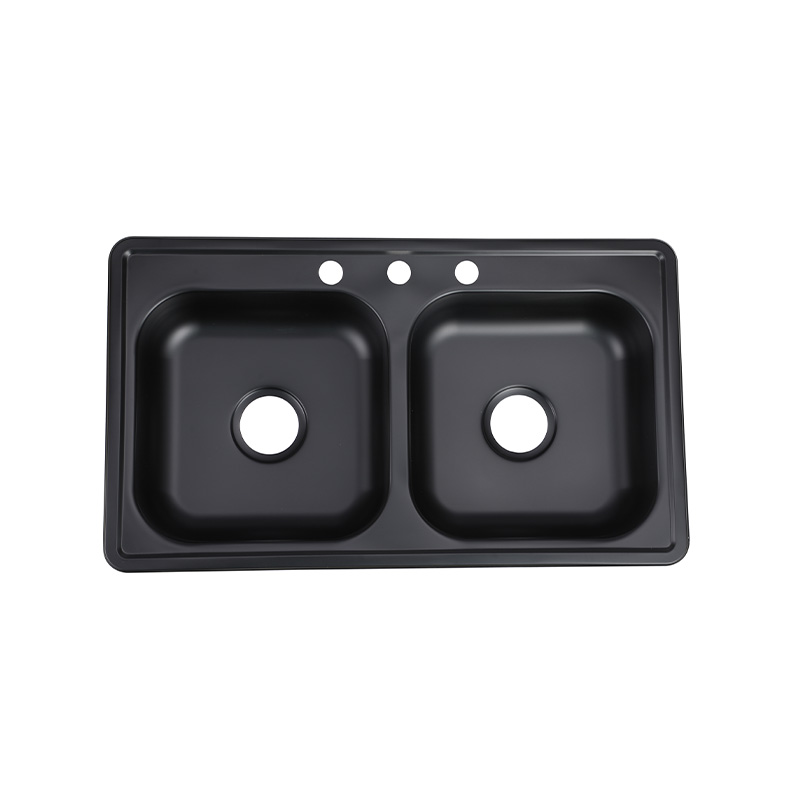
Welcome to the epitome of modern kitchen elegance and functionality with our new 33" x 19" Double Bowl Black Color Sink. This stunning sink, featuring advanced PVD (Physical Vapor Deposition) coating,...
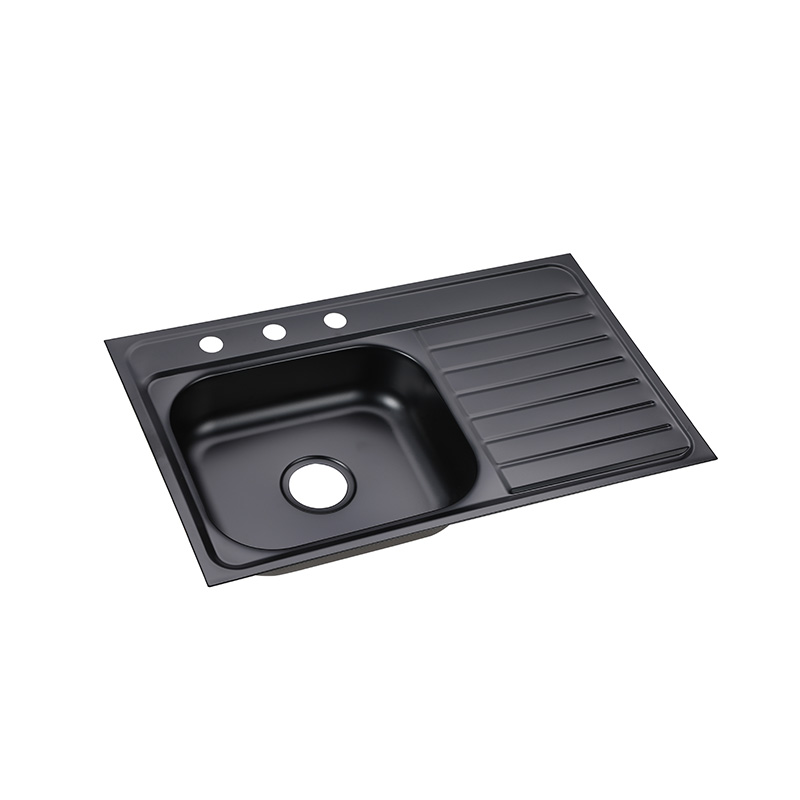
Welcome to our collection of premium PVD sinks, where functionality meets style. Among our diverse range of kitchen fixtures, the 800*500mm Left Bowl with Right Tray Sink in Black stands out as a test...
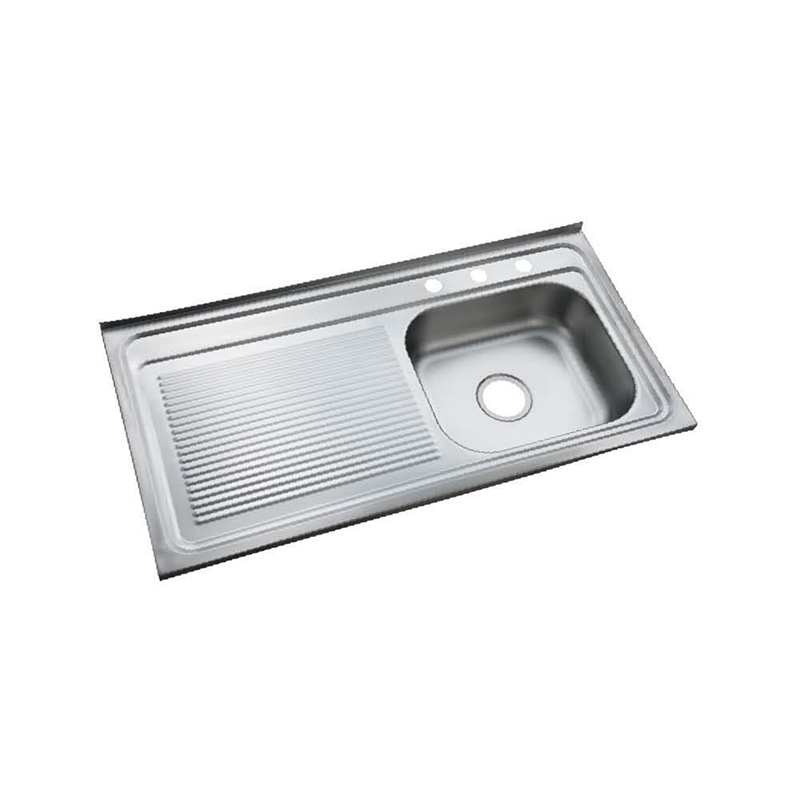
The XAL10050ERG 1000*500 mm right bowl with left tray sink in GREY color is a modern, versatile addition to any kitchen. This sink combines functionality with a sleek design, offering a practical solu...
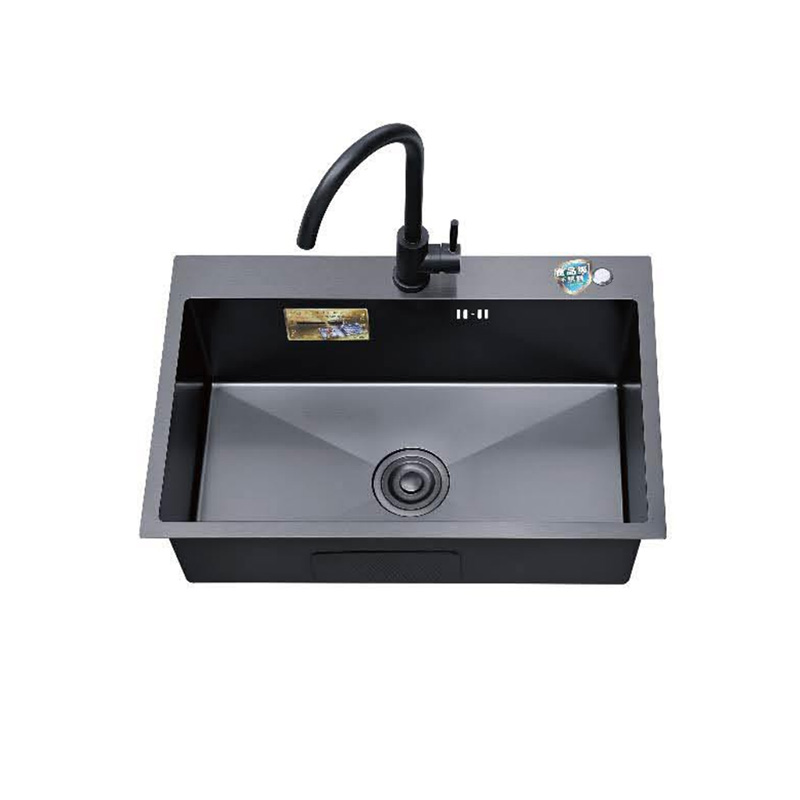
In the realm of kitchen fixtures, the single bowl handmade sink stands as a testament to the fusion of craftsmanship and functionality. Crafted with precision and care, each sink exudes a unique charm...
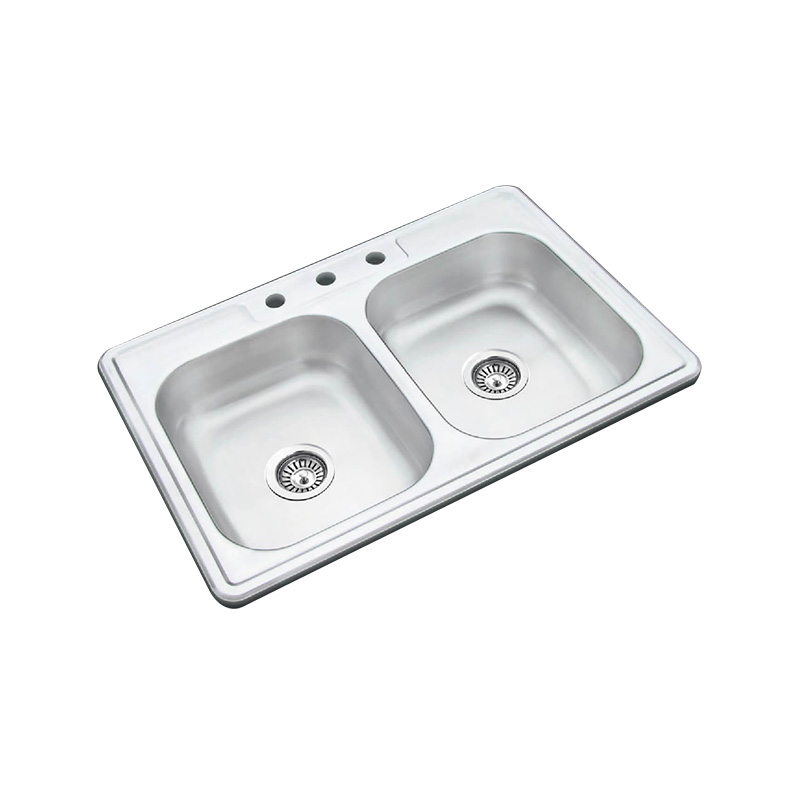
In the realm of kitchen essentials, versatility and efficiency are important. Our 3333"* 22" double bowl sink combines functionality and durability and is designed to enhance your kitchen experience. ...
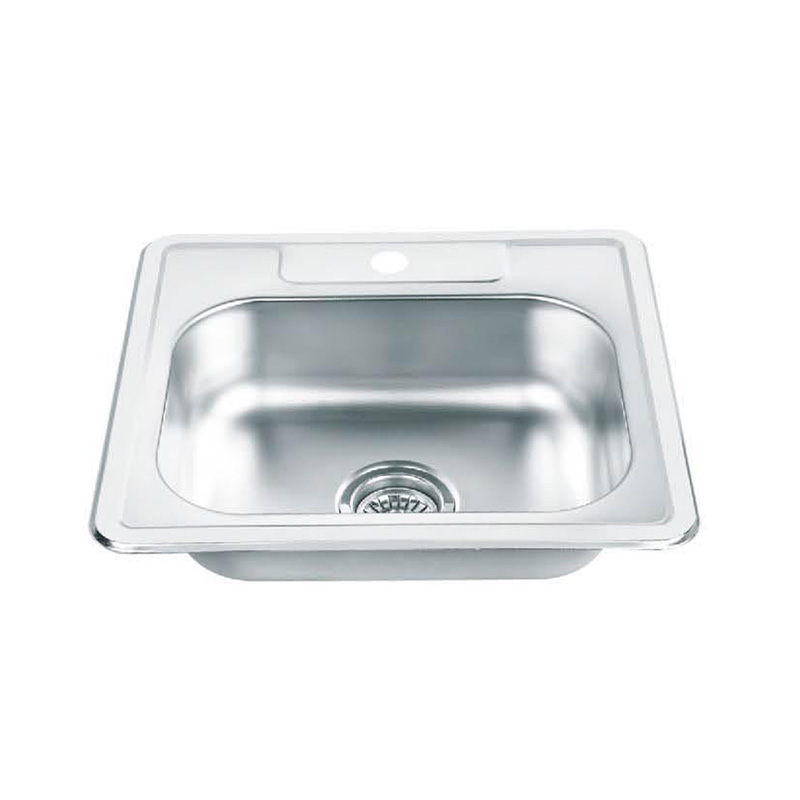
Welcome to our product showcase for the 20"*19" single bowl sink, a blend of practicality and elegance designed to meet the diverse needs of modern kitchens. This compact and efficient sink is tailore...
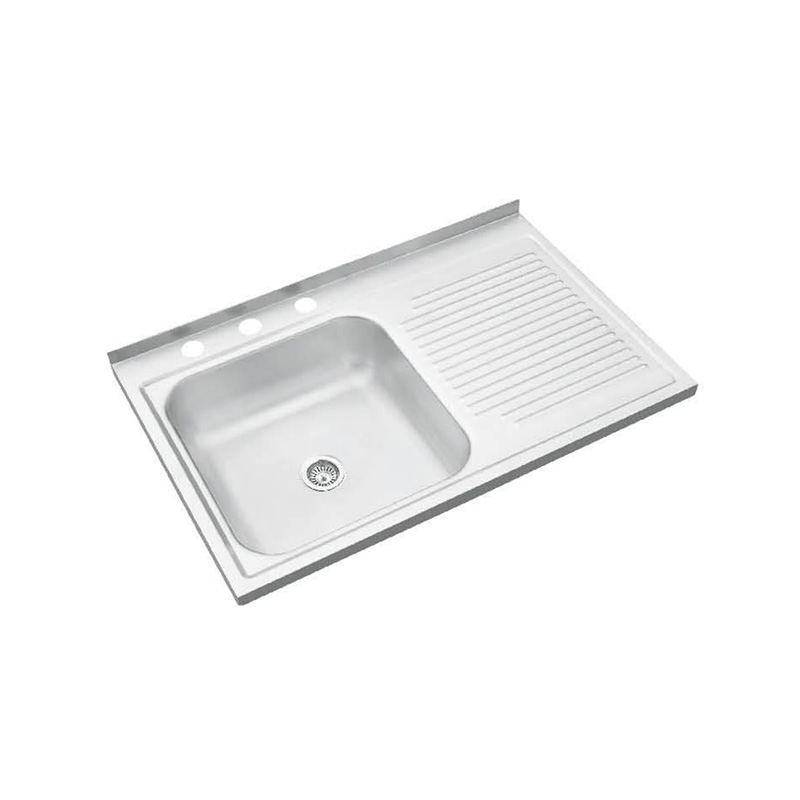
In the realm of kitchen fixtures, versatility and efficiency are important. Our 800*500 mm Left Bowl with Right Tray Sink offers a seamless blend of functionality and convenience, tailored to suit var...
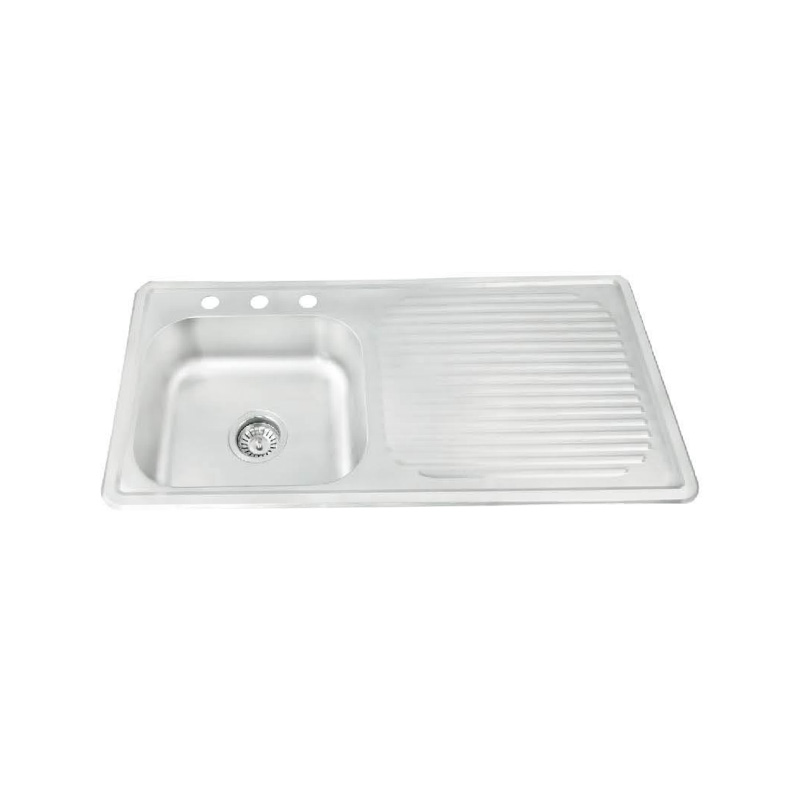
The 1000*500 mm left bowl with right tray sink is a good choice for modern kitchens requiring both style and functionality. This versatile sink is designed to handle the demands of a busy kitchen whil...
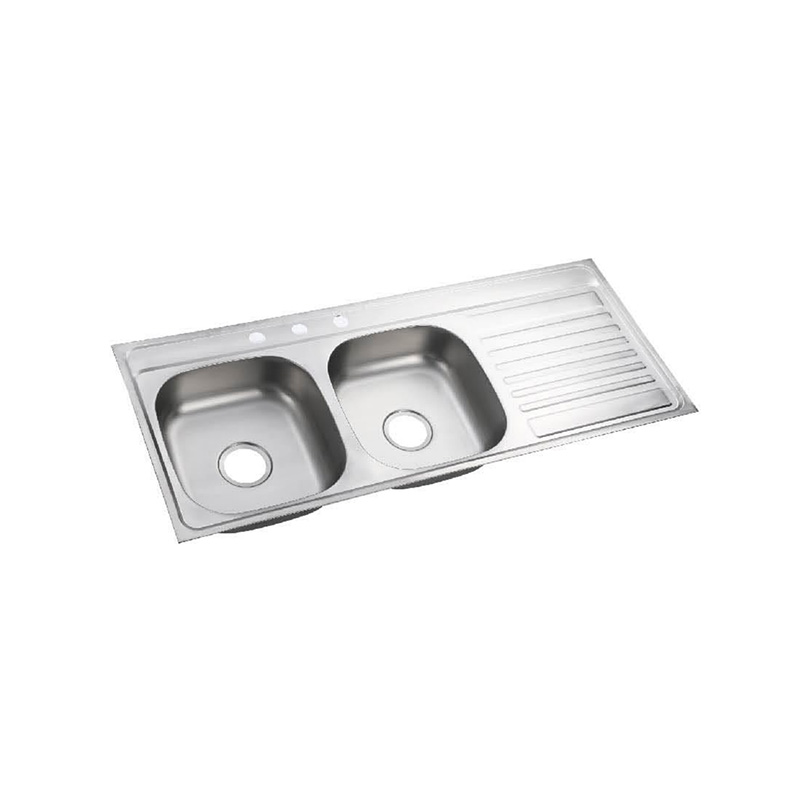
Introducing the 1200*500 mm left double bowl with right tray sink, a versatile solution for modern kitchens seeking enhanced functionality and convenience. This meticulously crafted sink combines the ...
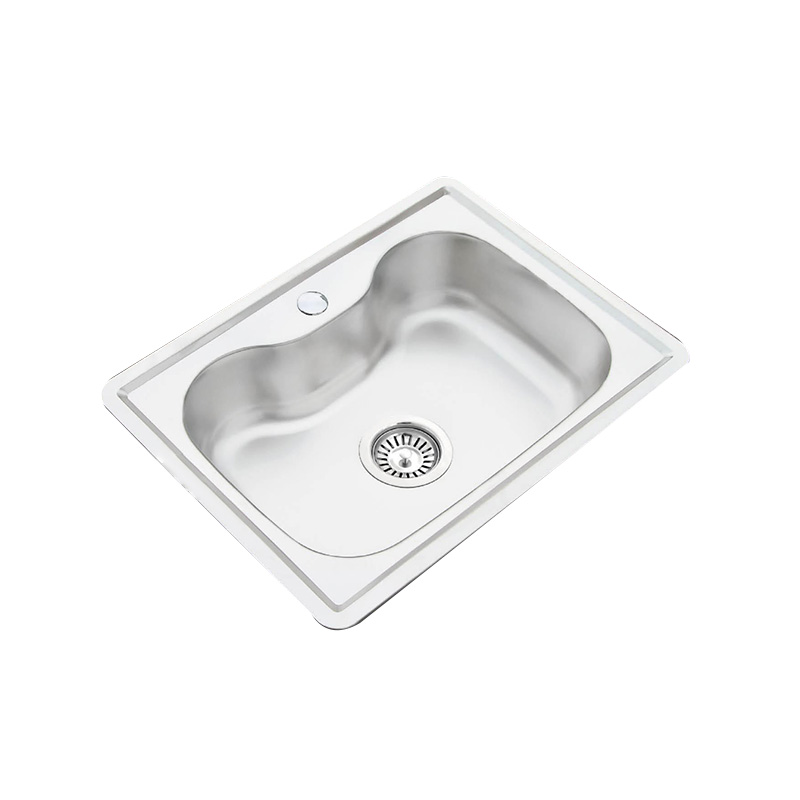
In the evolving world of kitchen design, the need for compact, efficient, and durable solutions has never been greater. Our 600*420 mm single bowl sink addresses these needs suitablely, combining spac...
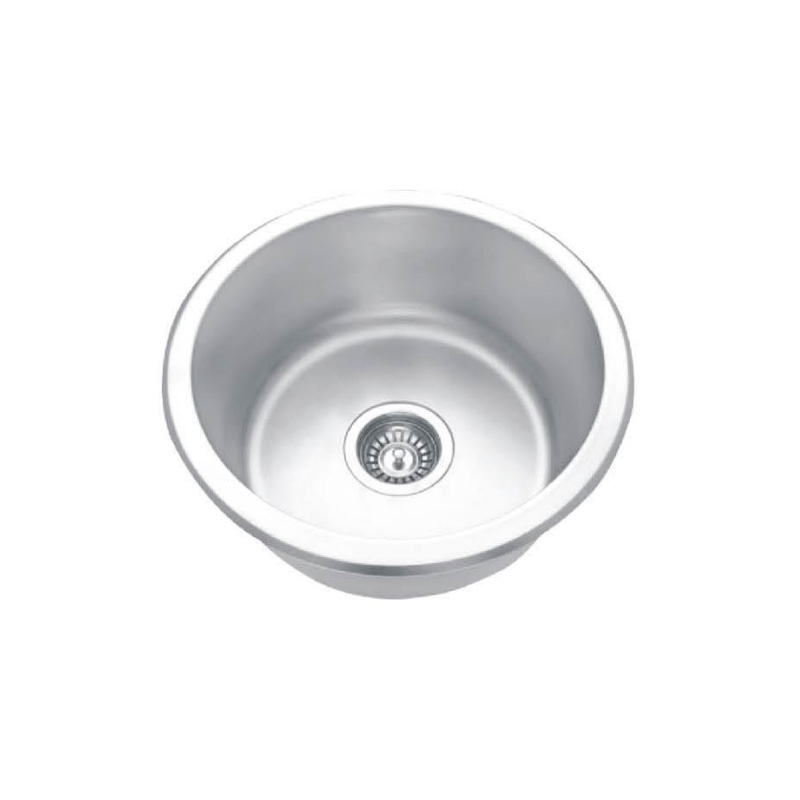
In the realm of functional kitchen fixtures, the sink reigns as a pivotal element. Enter our 420*420 mm round single bowl sink, a combination of utility and elegance that redefines kitchen essentials....

TaiZhou RunHeng Sanitary Ware Co., Ltd is an export-oriented enterprise integrating R&D, production and sales of stainless steel kitchen sink.
Copyright © 2024 TaiZhou RunHeng Sanitary Ware Co., Ltd. All Rights Reserved.
Commercial Undermount Kitchen Sinks Factory