English
 Español
 عربى
عربىProduct Consultation
Your email address will not be published. Required fields are marked *
Choosing fixtures for a kitchen is often a long-term decision, especially when daily use is expected over many years. A kitchen sink stainless steel product sourced from a handmade sink factory reflects not only immediate functionality but also how well it adapts to continuous use, cleaning routines, and changing kitchen habits. Rather than focusing only on short-term convenience, many users consider how the sink performs over time in terms of structure, maintenance, and adaptability.
Long-term use places consistent demands on a kitchen sink, including exposure to water, detergents, food residues, and temperature changes. Stainless steel is commonly selected because it maintains its structure under these routine conditions when used appropriately. It does not crack easily under normal kitchen impact, and it tolerates repeated washing cycles without significant material breakdown.
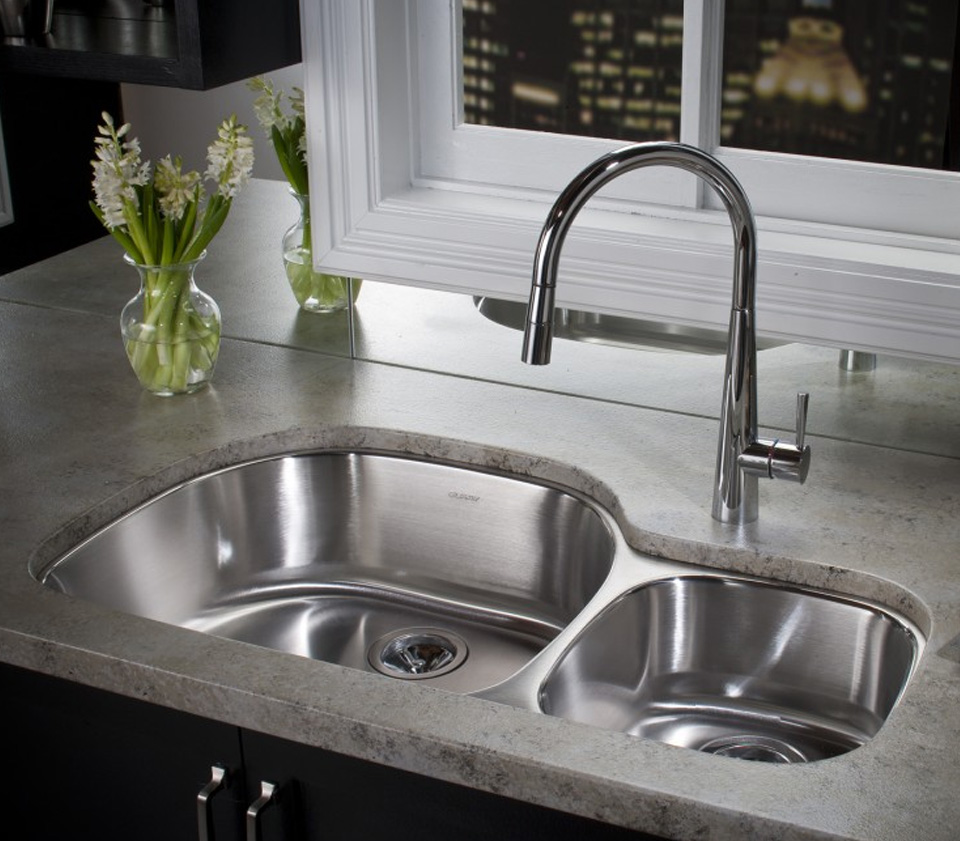
The way a sink is produced can affect how it performs after extended use. Handmade sinks are typically formed with attention to material thickness and joint finishing. This can result in a more consistent structure across the basin, which supports stability during long-term use.
Welded areas and corners in handmade sinks are often treated with additional care, helping to reduce weak points that could otherwise develop over time. While the difference may not be immediately visible, it becomes more relevant as the sink is used repeatedly for washing, rinsing, and handling heavier kitchen items.
Certain design elements contribute to how well a sink adapts to long-term use:
A sink’s lifespan is closely connected to how it is maintained. Stainless steel surfaces generally respond well to regular cleaning with mild detergents and soft materials. Establishing a routine that includes rinsing after use and occasional deeper cleaning can help preserve the surface condition.
Avoiding harsh chemicals or abrasive tools is another factor that supports long-term use. While the material can handle regular cleaning, repeated exposure to aggressive treatments may affect its appearance. With balanced care, the sink can remain functional without requiring complex upkeep.
Kitchens often change over time, whether through new cooking habits, updated appliances, or reorganized layouts. Stainless steel sinks are commonly compatible with a variety of accessories, such as racks, boards, and strainers, which allows users to adjust how the sink is used without replacing it.
This adaptability can be particularly useful in households where needs shift, such as accommodating larger cookware or introducing new food preparation routines. Handmade sinks, with their precise dimensions, can also integrate more easily with custom accessories, supporting flexible use over the years.
The way a sink is installed plays a role in how it performs in the long run. A properly fitted sink, whether undermount or top-mount, should remain stable as it is used daily. Stainless steel’s relatively light weight can reduce stress on surrounding structures, especially in countertops that may not support heavier materials.
Over time, maintaining the seal between the sink and the countertop is important. Periodic checks can help prevent water from reaching areas that are not designed for moisture exposure. With correct installation and occasional inspection, the sink can continue to function without major adjustments.
For users planning to install or replace a sink with long-term use in mind, a few considerations can make a difference:
These practical steps help align the sink choice with real usage conditions rather than short-term trends.
Q1. How long can a stainless steel kitchen sink typically be used?
With regular care and appropriate use, stainless steel sinks can remain functional for many years, as they are designed to handle repeated daily activity.
Q2. Does thickness affect durability?
Yes, thicker materials may provide additional resistance to denting or deformation, especially in kitchens with frequent heavy use.
Q3. Are handmade sinks more suitable for long-term use?
They may offer more consistent structure and finishing, which can influence how the sink performs over extended periods.
Q4. What kind of maintenance is required over time?
Routine cleaning, avoiding abrasive tools, and checking installation seals are usually sufficient to support long-term use.
Q5. Can the sink be upgraded with accessories later?
Many stainless steel sinks are compatible with accessories that can be added as needs change, allowing for continued flexibility.
Q6. What signs indicate that a sink needs replacement?
Structural damage, persistent leakage, or significant wear that affects usability may suggest it is time to consider a replacement.
How Kitchen Sink Stainless Steel Improves Cleaning Efficiency Daily
Nano Black Kitchen Sink: Quiet Drainage For Compact Urban Kitchens
Your email address will not be published. Required fields are marked *

Introducing our 19" x 19" single bowl black color sink, a stellar addition to our PVD sink collection. Designed with both aesthetics and functionality in mind, this sink is suitable for modern kitchen...
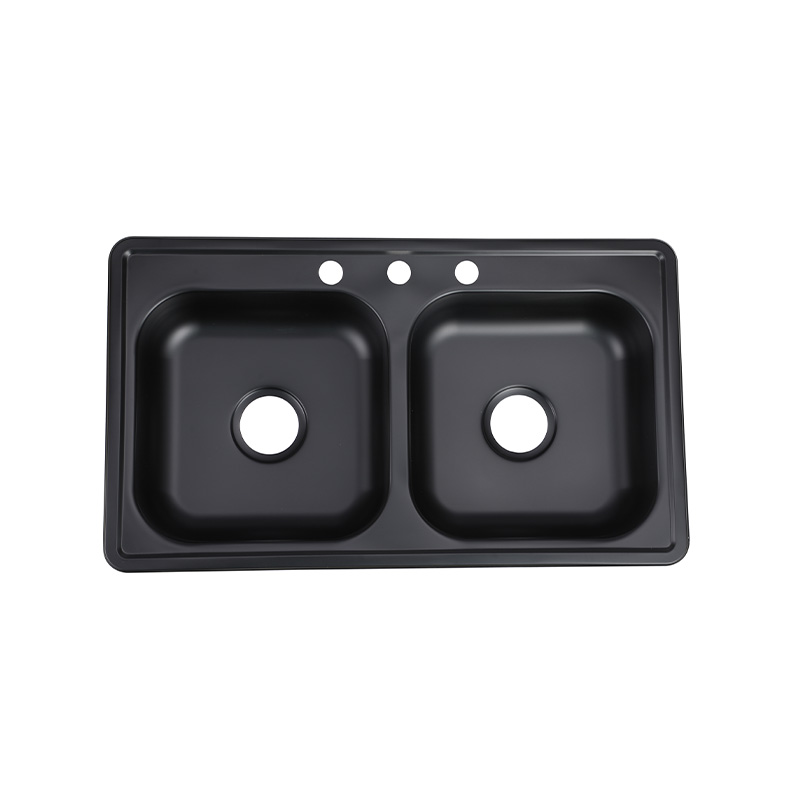
Welcome to the epitome of modern kitchen elegance and functionality with our new 33" x 19" Double Bowl Black Color Sink. This stunning sink, featuring advanced PVD (Physical Vapor Deposition) coating,...
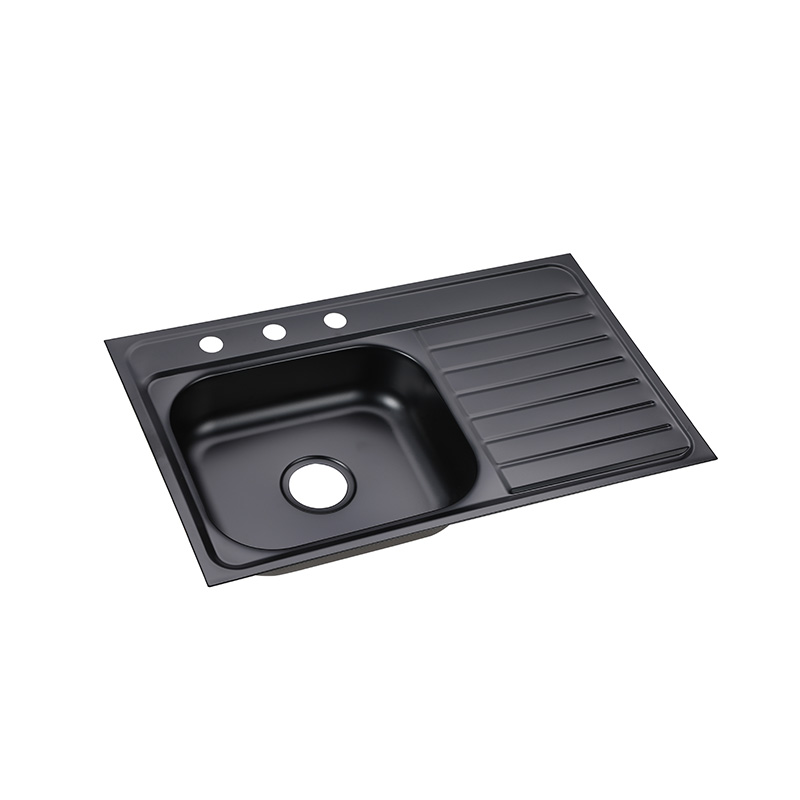
Welcome to our collection of premium PVD sinks, where functionality meets style. Among our diverse range of kitchen fixtures, the 800*500mm Left Bowl with Right Tray Sink in Black stands out as a test...
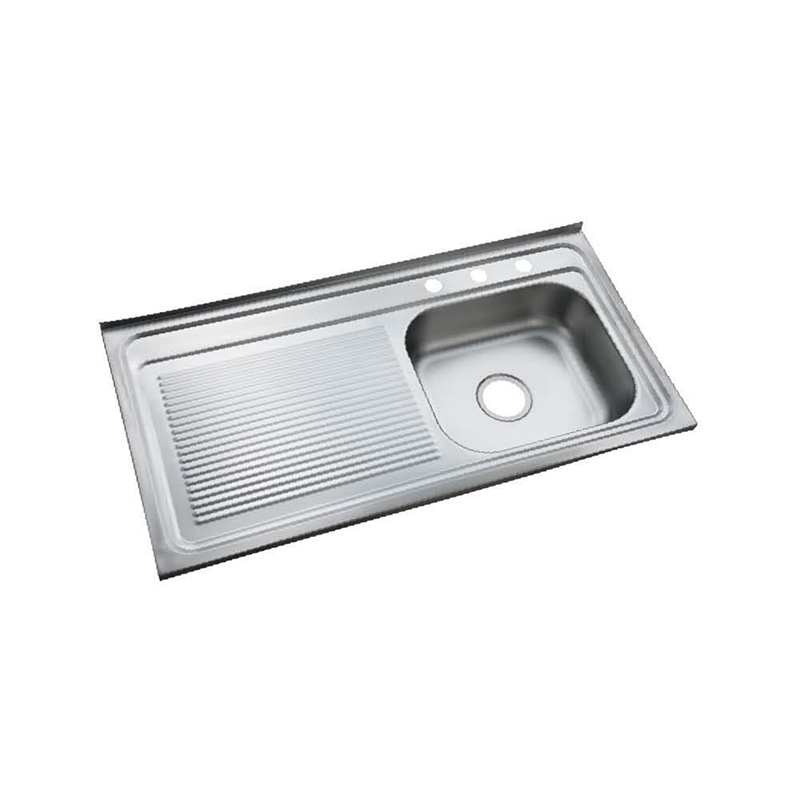
The XAL10050ERG 1000*500 mm right bowl with left tray sink in GREY color is a modern, versatile addition to any kitchen. This sink combines functionality with a sleek design, offering a practical solu...
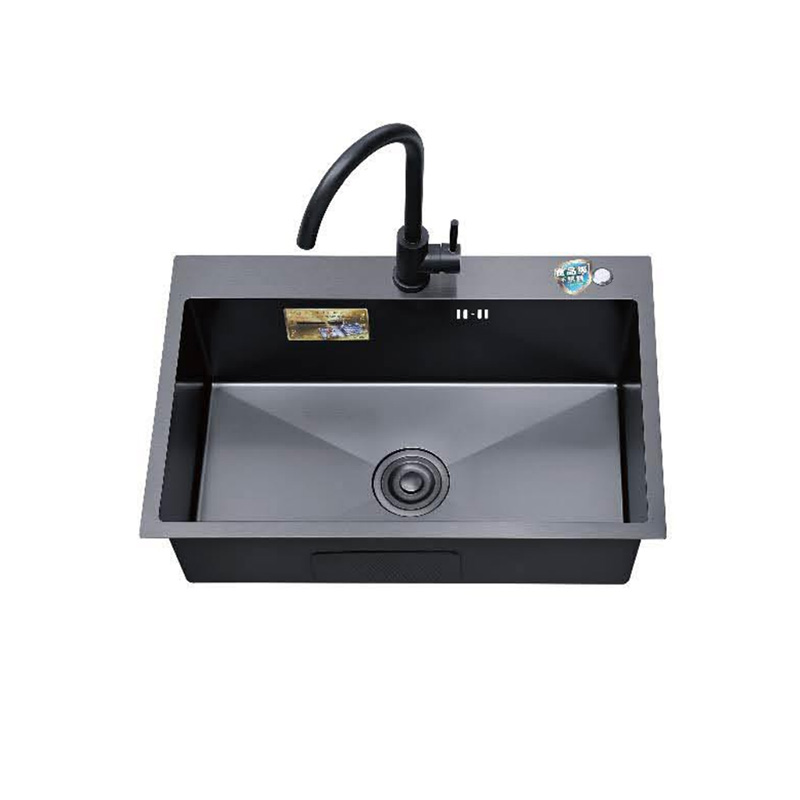
In the realm of kitchen fixtures, the single bowl handmade sink stands as a testament to the fusion of craftsmanship and functionality. Crafted with precision and care, each sink exudes a unique charm...
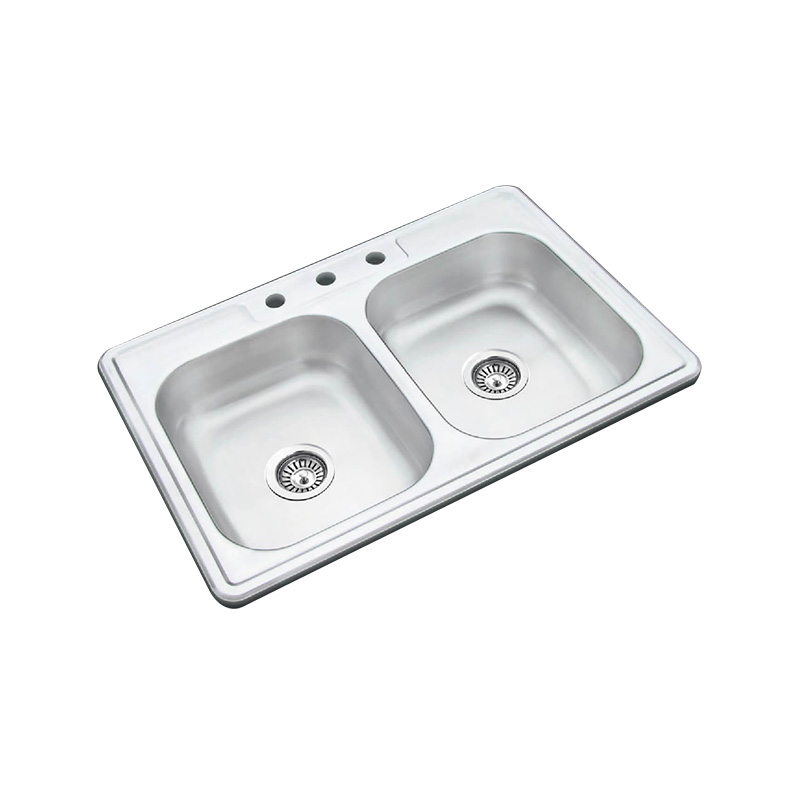
In the realm of kitchen essentials, versatility and efficiency are important. Our 3333"* 22" double bowl sink combines functionality and durability and is designed to enhance your kitchen experience. ...
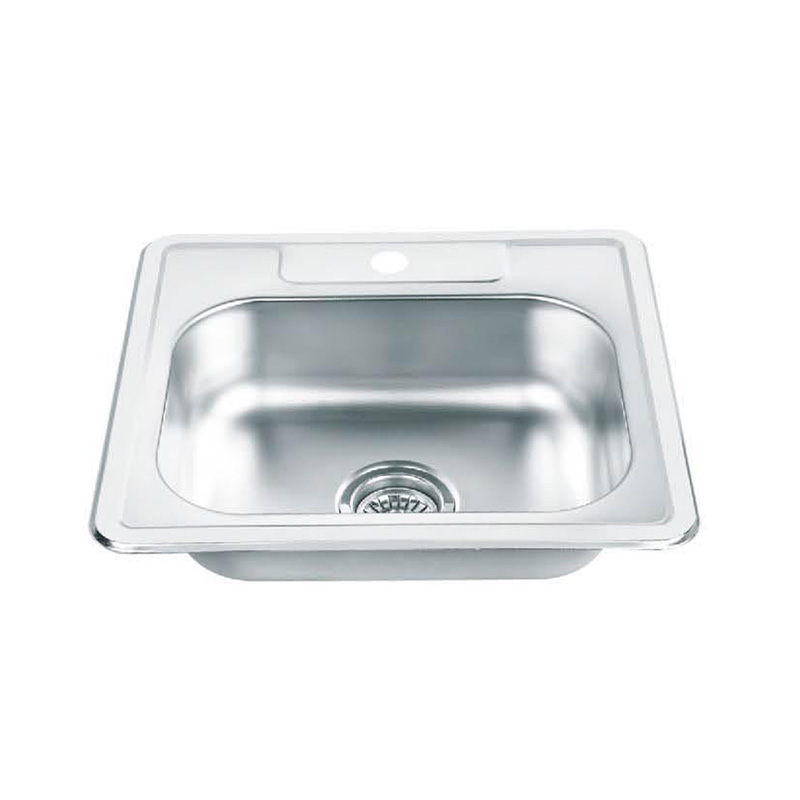
Welcome to our product showcase for the 20"*19" single bowl sink, a blend of practicality and elegance designed to meet the diverse needs of modern kitchens. This compact and efficient sink is tailore...
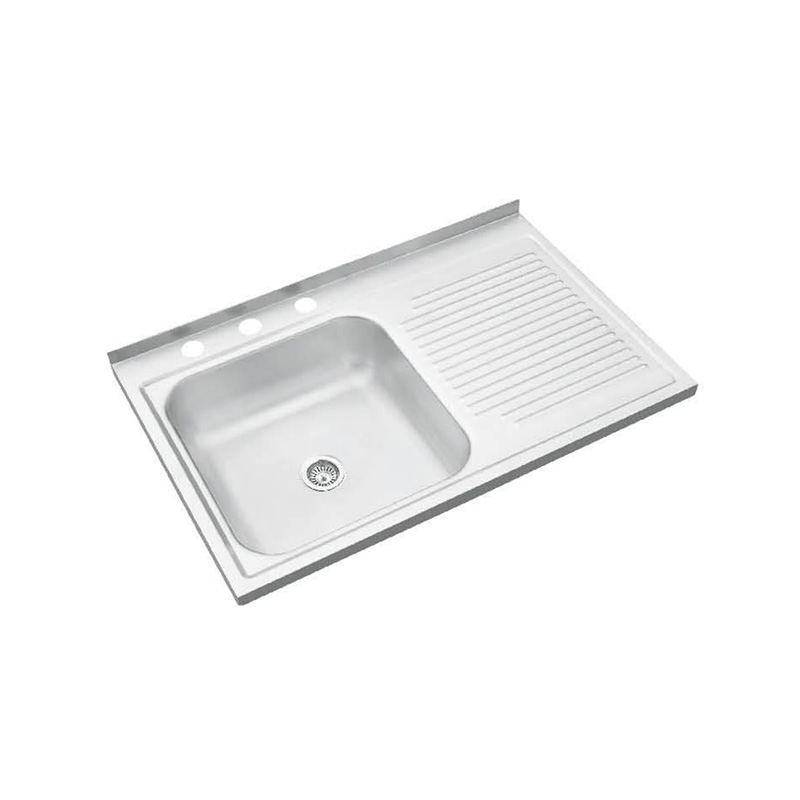
In the realm of kitchen fixtures, versatility and efficiency are important. Our 800*500 mm Left Bowl with Right Tray Sink offers a seamless blend of functionality and convenience, tailored to suit var...
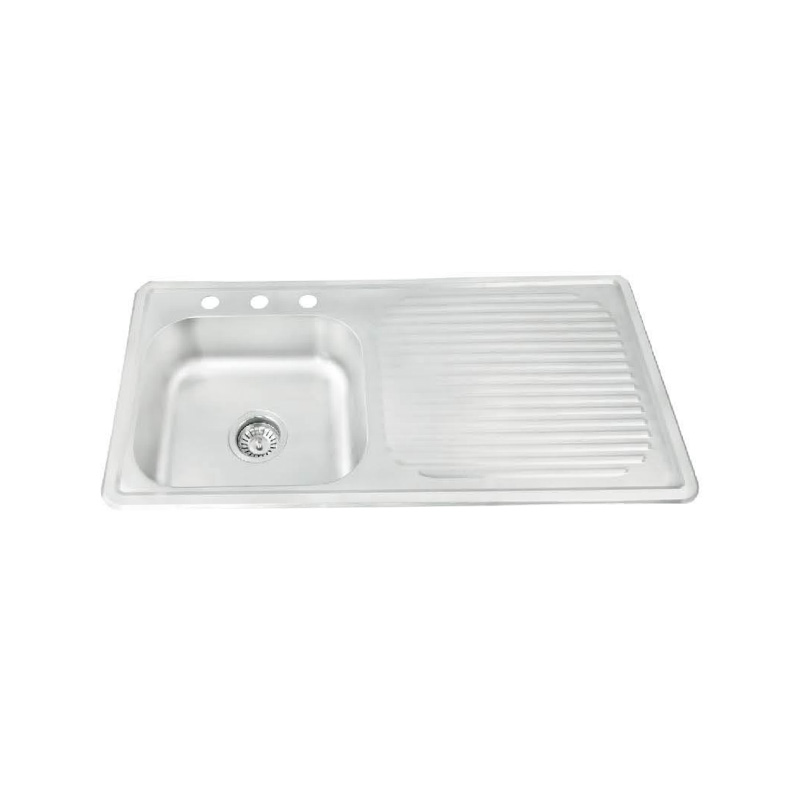
The 1000*500 mm left bowl with right tray sink is a good choice for modern kitchens requiring both style and functionality. This versatile sink is designed to handle the demands of a busy kitchen whil...
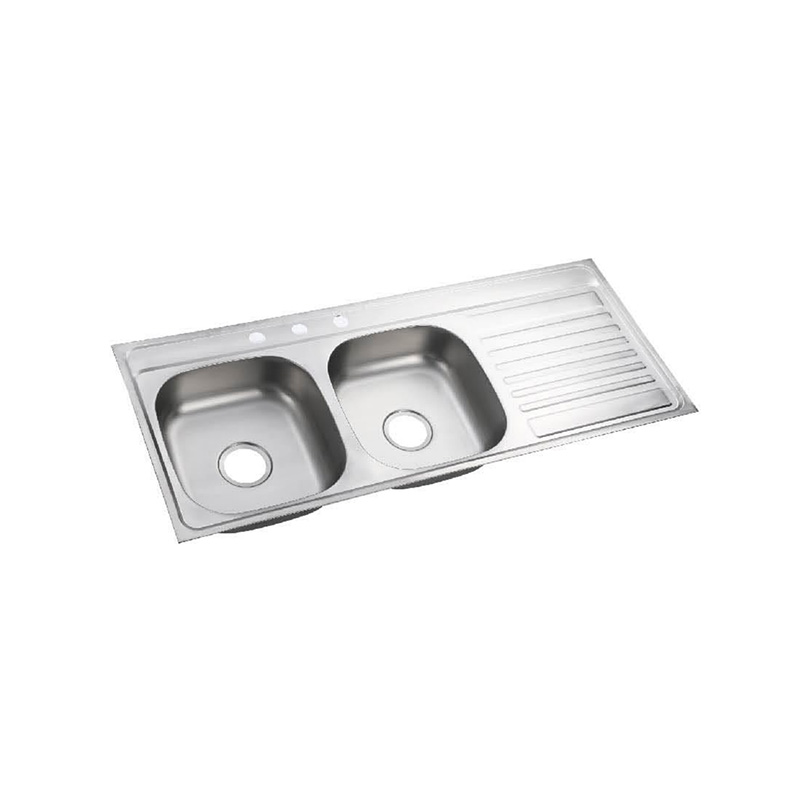
Introducing the 1200*500 mm left double bowl with right tray sink, a versatile solution for modern kitchens seeking enhanced functionality and convenience. This meticulously crafted sink combines the ...
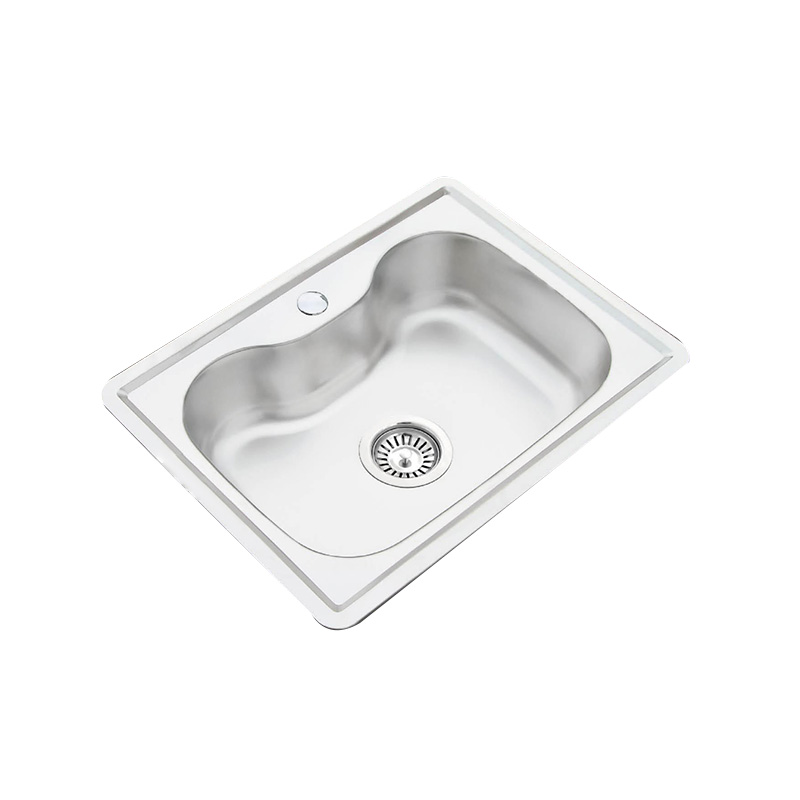
In the evolving world of kitchen design, the need for compact, efficient, and durable solutions has never been greater. Our 600*420 mm single bowl sink addresses these needs suitablely, combining spac...
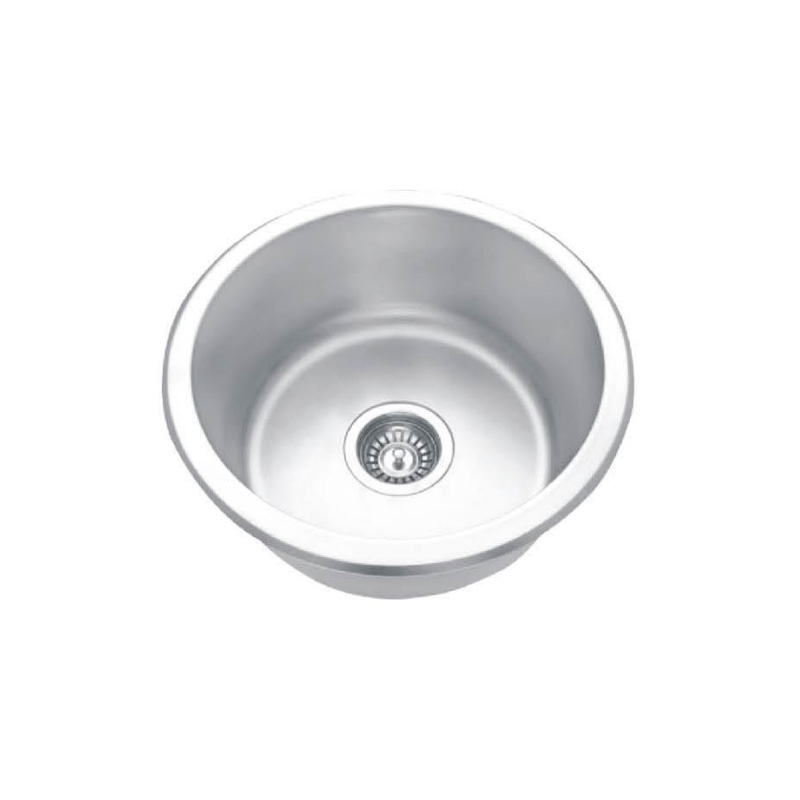
In the realm of functional kitchen fixtures, the sink reigns as a pivotal element. Enter our 420*420 mm round single bowl sink, a combination of utility and elegance that redefines kitchen essentials....

TaiZhou RunHeng Sanitary Ware Co., Ltd is an export-oriented enterprise integrating R&D, production and sales of stainless steel kitchen sink.
Copyright © 2024 TaiZhou RunHeng Sanitary Ware Co., Ltd. All Rights Reserved.
Commercial Undermount Kitchen Sinks Factory