English
 Español
 عربى
عربىProduct Consultation
Your email address will not be published. Required fields are marked *
Limited kitchen space often changes the way people cook, clean, and organize daily routines. A well-designed sink becomes more than a washing area when every centimeter matters. Many homeowners now pay closer attention to sound control, drainage efficiency, surface maintenance, and visual coordination during kitchen upgrades. Nano black kitchen sink products have gradually become part of this trend, especially in apartments, studio homes, and small family kitchens where noise and water management directly affect comfort. At the same time, a professional kitchen sink factory is expected to support different installation styles, material selections, and surface treatments that suit modern urban interiors without creating unnecessary maintenance pressure.
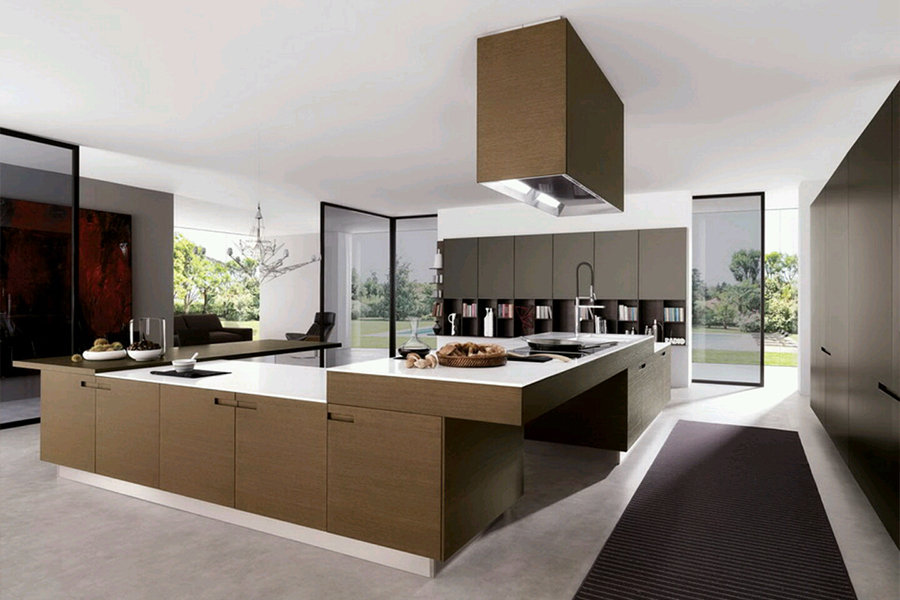
Open-layout apartments and compact kitchens often place the sink area close to dining tables, living spaces, or workstations. In these environments, loud water flow, metal vibration, and slow drainage become more noticeable during everyday use. Traditional stainless steel sinks sometimes create echoing sounds when dishes or cookware hit the basin surface. Water pooling near the drain area may also increase cleaning frequency.
Urban households are also handling more multitasking activities in the kitchen. A single sink may be used for vegetable cleaning, cookware washing, coffee preparation, and even temporary food storage during meal preparation. Under these conditions, drainage speed and splash control influence both workflow and hygiene.
Several practical concerns frequently appear in compact kitchen environments:
Because of these daily issues, sink manufacturers have started focusing on structural adjustments rather than only visual design changes. Deeper bowls, angled drainage bases, sound-absorbing pads, and nano-coated surfaces are now commonly discussed during kitchen planning.
A nano black kitchen sink is usually produced with stainless steel as the core material, combined with a dark nano-coated surface that changes both texture and maintenance characteristics. The coating process can help reduce visible water marks while creating a softer visual appearance compared with reflective metallic finishes.
From a structural perspective, many newer sink designs use slightly sloped basin bottoms to guide water toward the drain more efficiently. This adjustment may appear small, but it can reduce standing water after rinsing vegetables or washing cookware. Rounded corners are also becoming more common because they simplify cleaning compared with sharp-angle sink interiors.
A kitchen sink factory producing sinks for urban housing projects often considers several additional details during manufacturing. Sound-deadening pads are usually attached underneath the sink body to reduce vibration caused by water impact or metal utensils. Some models include anti-condensation coatings to lower moisture accumulation under the sink cabinet, especially in humid climates or kitchens with limited airflow.
Drainage systems have also become more refined. Instead of using narrow drainage openings, many compact sinks now support larger basket strainers and wider drainage channels. This allows food particles and water to move more smoothly without creating frequent blockages.
Surface treatment plays an important role as well. Nano-coated finishes are commonly selected because they reduce the visibility of oil stains, fingerprints, and mineral marks. In households where kitchen cleaning happens multiple times a day, this can lower maintenance pressure without changing normal cleaning habits.
Compact urban kitchens often require appliances and fixtures that support multiple functions without occupying extra space. Sink configuration therefore becomes part of overall kitchen planning rather than a separate accessory decision.
In smaller apartments, single-bowl sink designs are frequently chosen because they provide more usable interior washing space. This becomes useful when cleaning frying pans, baking trays, or larger cooking pots that may not fit comfortably inside divided double-bowl layouts.
Nano black finishes are also commonly paired with dark faucets, induction cooktops, and matte cabinetry. Instead of creating a highly reflective kitchen appearance, these combinations help create a softer visual balance inside narrow cooking areas.
Several application scenarios illustrate how these sinks are being used:
Apartment Renovation Projects
Older apartment kitchens often have limited countertop depth. Undermount or top-mount nano black sinks can help improve usable workspace while supporting updated drainage systems without major structural reconstruction.
Shared Living Spaces
In shared apartments, kitchens experience heavier daily use from multiple people. Sound-reduction layers beneath the sink can help reduce disturbance during early morning or late-night meal preparation.
Small Family Kitchens
Families with children often clean dishes continuously throughout the day. A sink surface that shows fewer fingerprints or water stains may reduce cleaning frequency between meal preparation sessions.
Rental Property Upgrades
Property owners sometimes select darker sink finishes because scratches and light staining become less visually noticeable over time, helping kitchens maintain a cleaner appearance during tenant turnover periods.
What Kitchen Sink Stainless Steel Offers For Long Term Use
Nano Black Kitchen Sink: Reducing Water Marks In Daily Cooking
Your email address will not be published. Required fields are marked *

Introducing our 19" x 19" single bowl black color sink, a stellar addition to our PVD sink collection. Designed with both aesthetics and functionality in mind, this sink is suitable for modern kitchen...
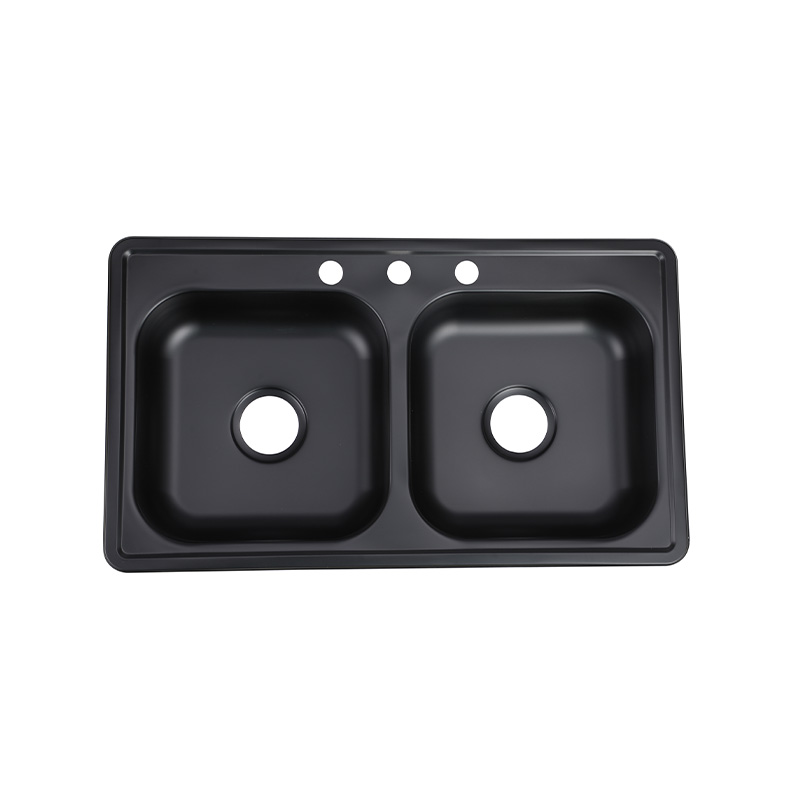
Welcome to the epitome of modern kitchen elegance and functionality with our new 33" x 19" Double Bowl Black Color Sink. This stunning sink, featuring advanced PVD (Physical Vapor Deposition) coating,...
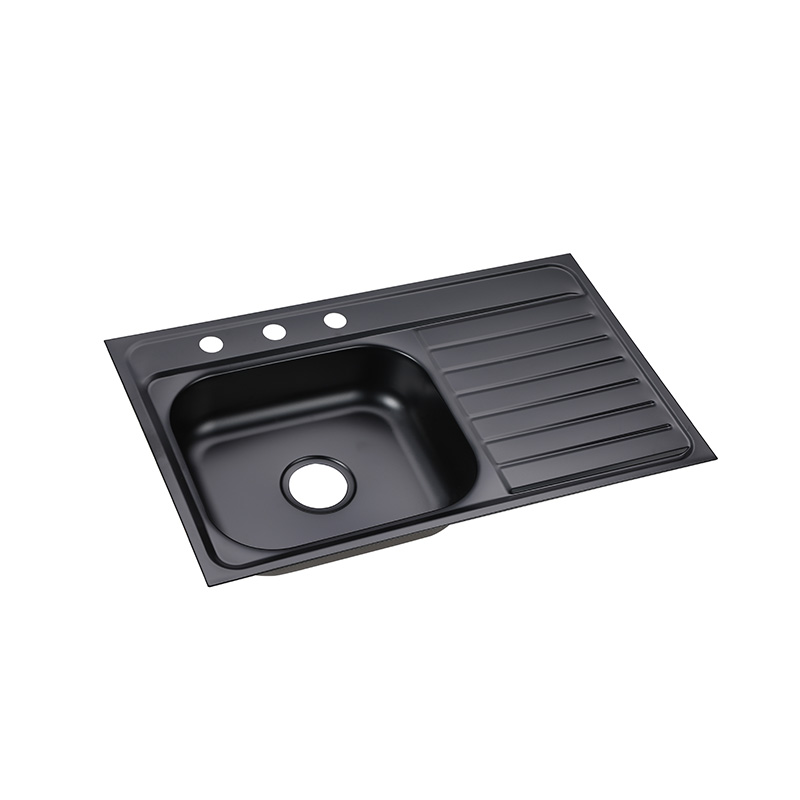
Welcome to our collection of premium PVD sinks, where functionality meets style. Among our diverse range of kitchen fixtures, the 800*500mm Left Bowl with Right Tray Sink in Black stands out as a test...
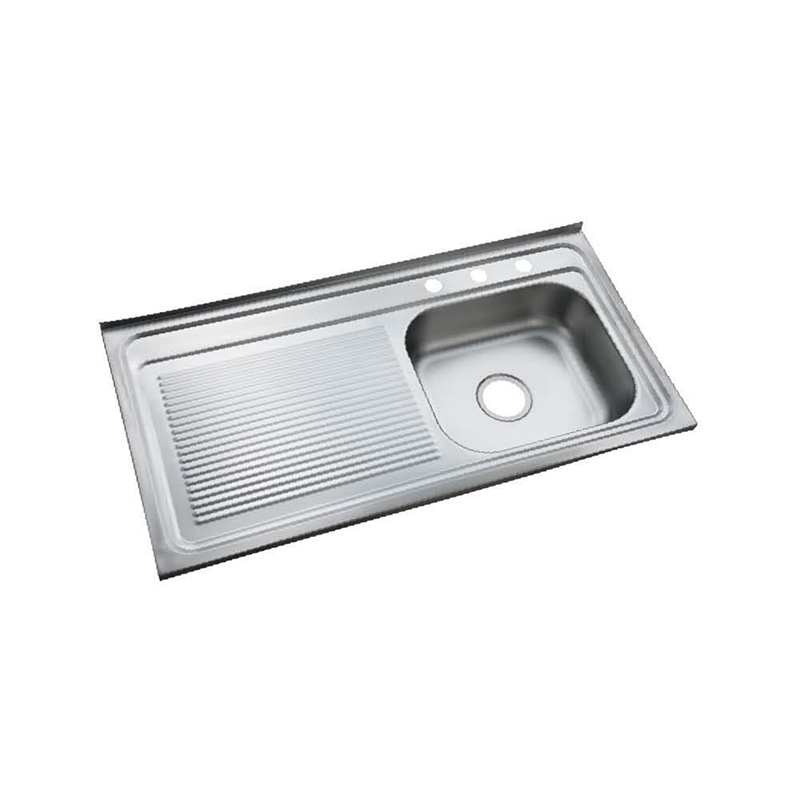
The XAL10050ERG 1000*500 mm right bowl with left tray sink in GREY color is a modern, versatile addition to any kitchen. This sink combines functionality with a sleek design, offering a practical solu...
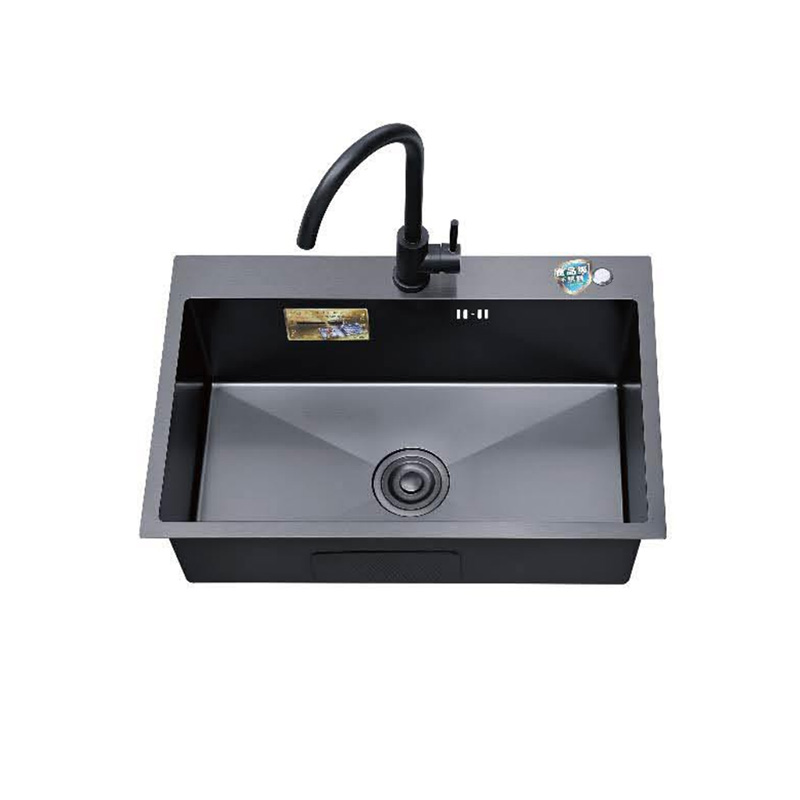
In the realm of kitchen fixtures, the single bowl handmade sink stands as a testament to the fusion of craftsmanship and functionality. Crafted with precision and care, each sink exudes a unique charm...
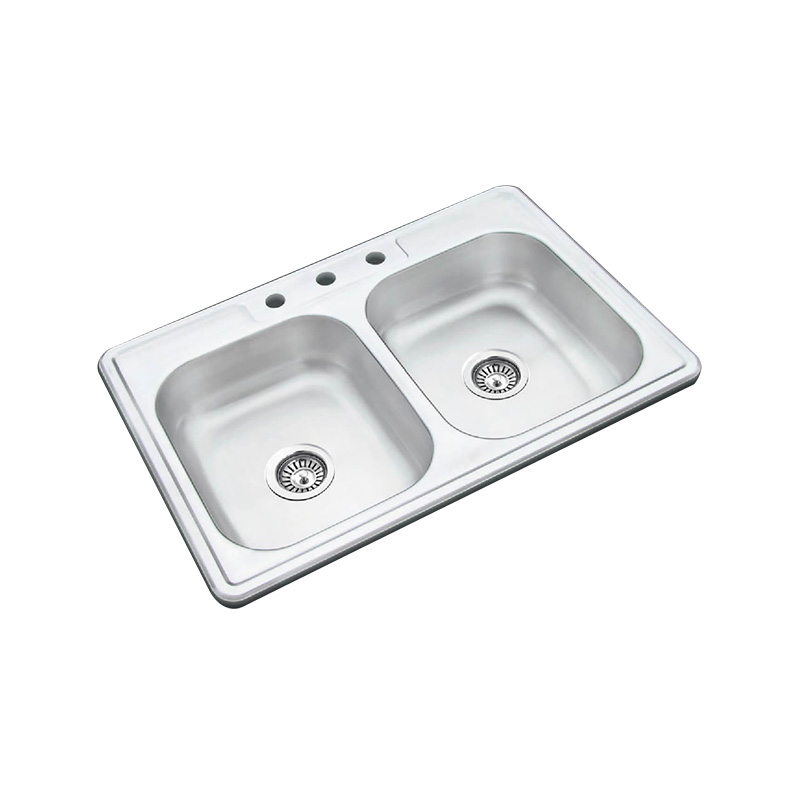
In the realm of kitchen essentials, versatility and efficiency are important. Our 3333"* 22" double bowl sink combines functionality and durability and is designed to enhance your kitchen experience. ...
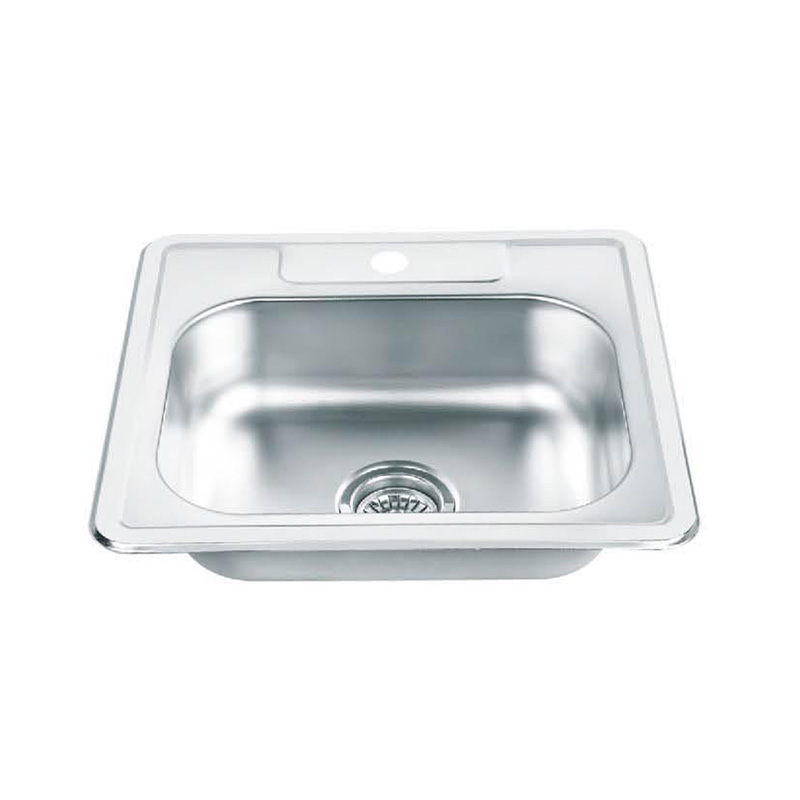
Welcome to our product showcase for the 20"*19" single bowl sink, a blend of practicality and elegance designed to meet the diverse needs of modern kitchens. This compact and efficient sink is tailore...
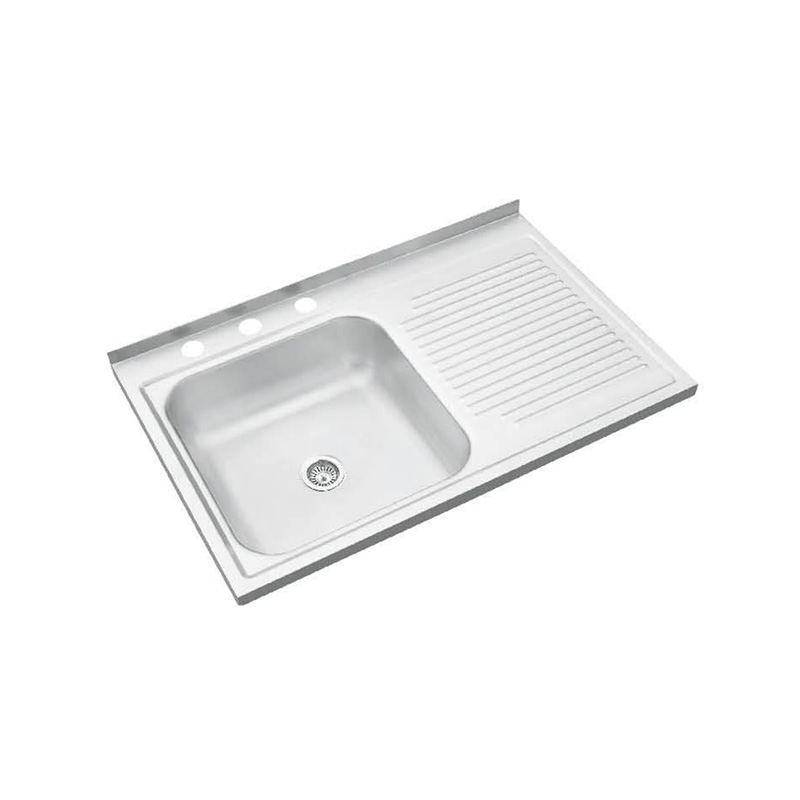
In the realm of kitchen fixtures, versatility and efficiency are important. Our 800*500 mm Left Bowl with Right Tray Sink offers a seamless blend of functionality and convenience, tailored to suit var...
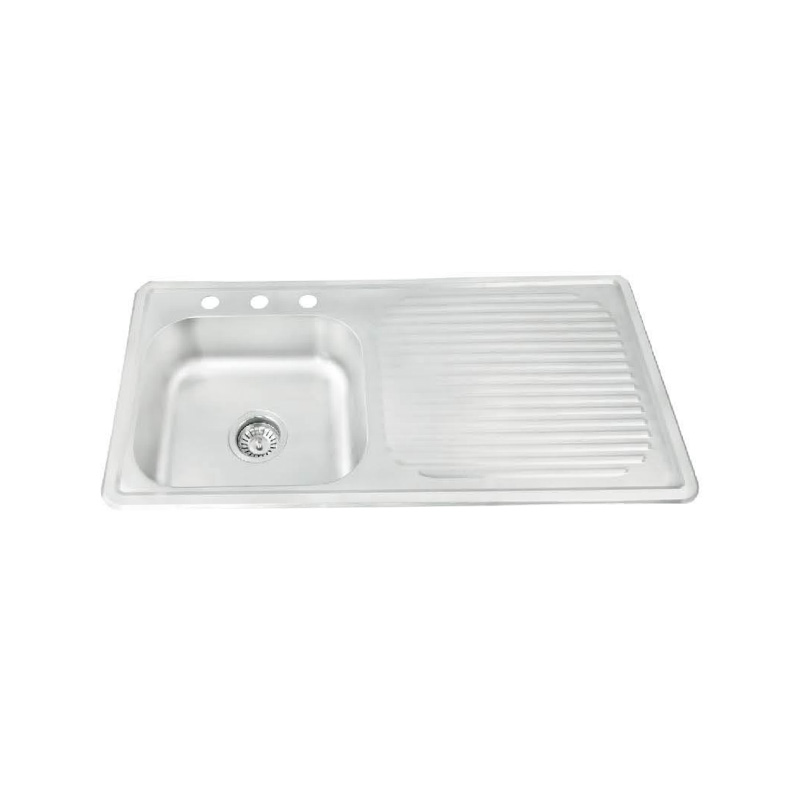
The 1000*500 mm left bowl with right tray sink is a good choice for modern kitchens requiring both style and functionality. This versatile sink is designed to handle the demands of a busy kitchen whil...
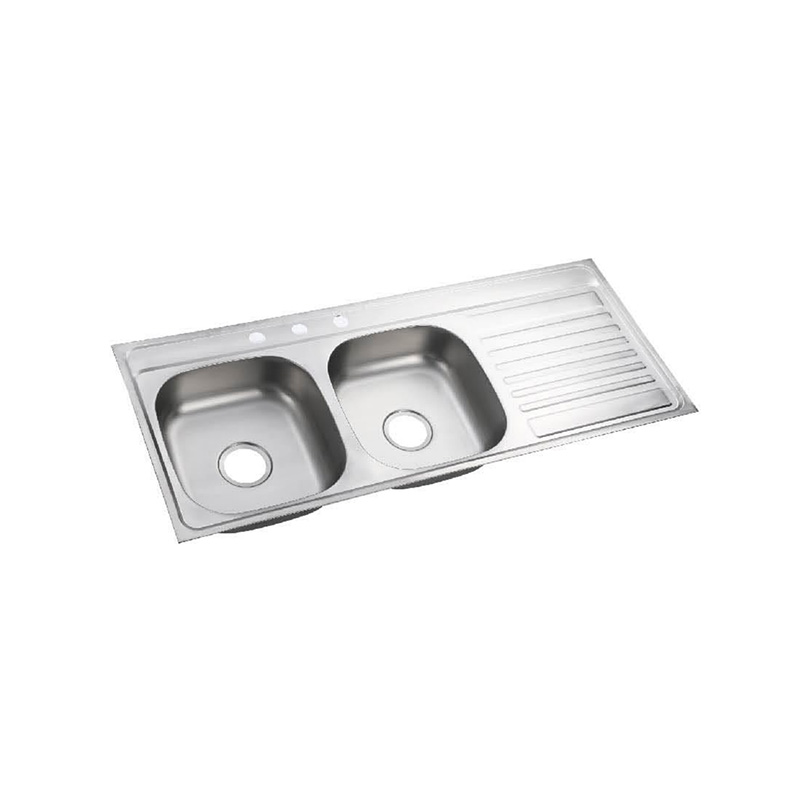
Introducing the 1200*500 mm left double bowl with right tray sink, a versatile solution for modern kitchens seeking enhanced functionality and convenience. This meticulously crafted sink combines the ...
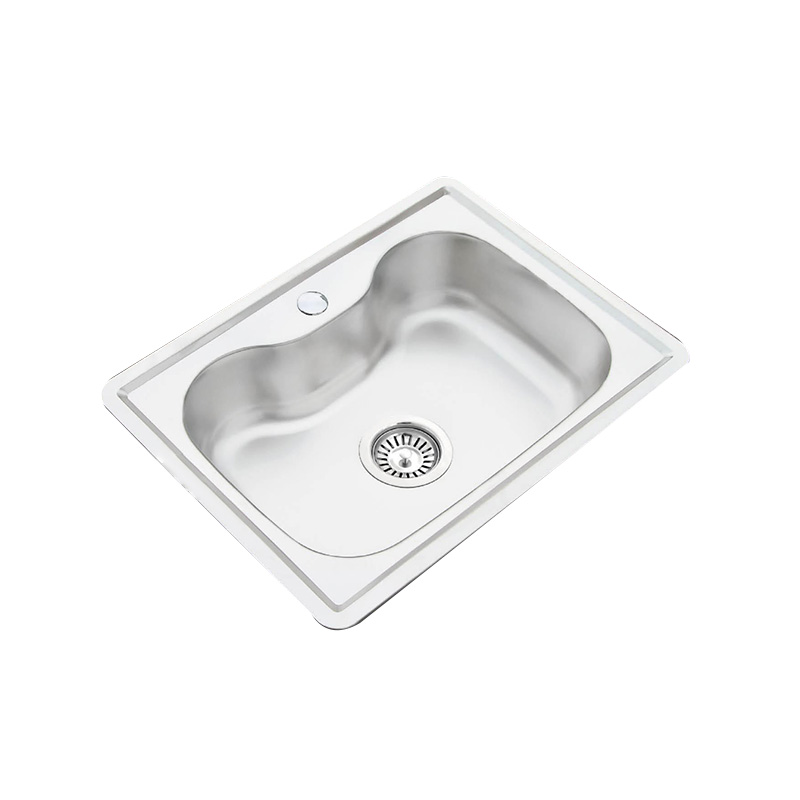
In the evolving world of kitchen design, the need for compact, efficient, and durable solutions has never been greater. Our 600*420 mm single bowl sink addresses these needs suitablely, combining spac...
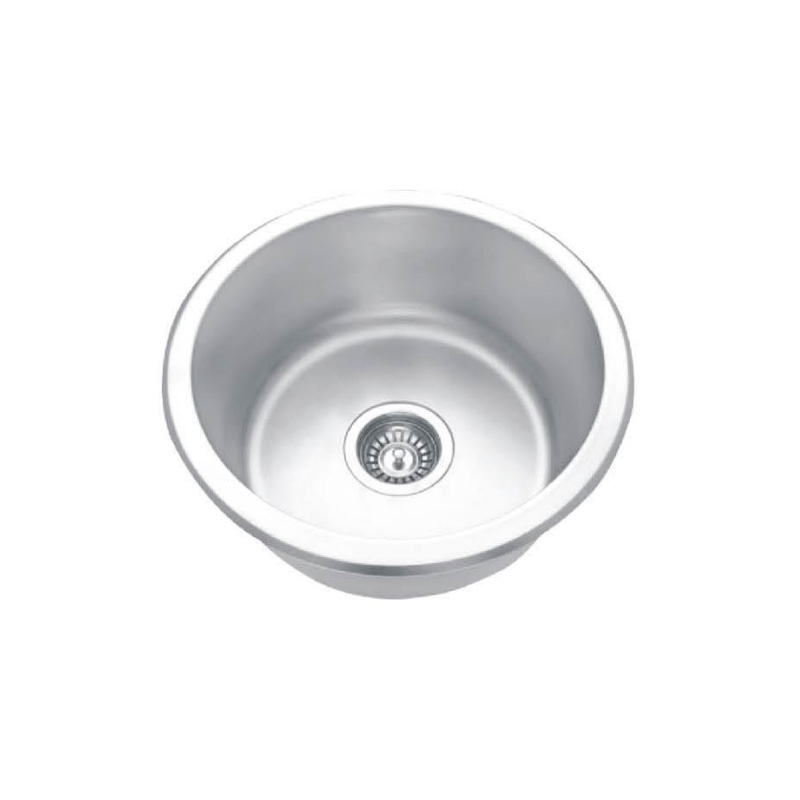
In the realm of functional kitchen fixtures, the sink reigns as a pivotal element. Enter our 420*420 mm round single bowl sink, a combination of utility and elegance that redefines kitchen essentials....

TaiZhou RunHeng Sanitary Ware Co., Ltd is an export-oriented enterprise integrating R&D, production and sales of stainless steel kitchen sink.
Copyright © 2024 TaiZhou RunHeng Sanitary Ware Co., Ltd. All Rights Reserved.
Commercial Undermount Kitchen Sinks Factory