English
 Español
 عربى
عربىProduct Consultation
Your email address will not be published. Required fields are marked *
Busy kitchens often require repeated cleaning throughout the day, and the sink becomes the main area where these tasks are completed. A kitchen sink stainless steel solution produced by a handmade sink factory can influence how smoothly these routines are carried out. Rather than focusing only on appearance, many users pay closer attention to how the sink supports faster rinsing, easier wiping, and a more organized workflow during daily use.
Cleaning efficiency is closely related to how a surface responds to water, food residue, and detergents. Stainless steel is commonly chosen because its non-porous structure does not easily trap particles. When rinsing dishes or vegetables, water tends to carry debris away instead of allowing it to settle into the material.
Another aspect is how the surface reacts after repeated use. With regular wiping, stainless steel can maintain a consistent texture, which helps users clean without needing extra steps. This is particularly useful in households where the sink is used frequently, as it reduces the effort required to keep the area ready for the next task.
The production method behind a sink can affect its day-to-day usability. Handmade sinks are often shaped and finished with attention to thickness and internal angles. These details may seem subtle, but they influence how easily the sink can be cleaned.
For example, a well-formed basin allows water to flow naturally toward the drain, reducing the need to manually push debris. Edge finishing also plays a role, as smoother transitions between surfaces can make wiping more direct. Over time, these characteristics support a routine where cleaning becomes part of the workflow rather than a separate task.

Certain features found in stainless steel sinks can help streamline cleaning activities:
These design choices contribute to a setup where less time is spent dealing with leftover residue, allowing users to move from one kitchen task to another with fewer interruptions.
A well-designed sink does more than hold water; it supports how different cleaning steps are connected. For instance, when washing dishes, the ability to rinse, scrub, and drain within the same area without repositioning items can make the process more continuous.
Stainless steel sinks are often compatible with accessories such as racks or boards, which can be placed directly over the basin. This allows users to extend the working area without adding extra fixtures. As a result, tasks like drying or sorting utensils can be completed in the same zone, reducing movement across the kitchen.
Installation style can also influence how easily the sink area is maintained. Undermount sinks create a smooth transition between the countertop and the basin, allowing users to wipe crumbs or water directly into the sink without obstruction. This can simplify daily cleaning, especially after food preparation.
Top-mount installations may still be practical in certain setups, particularly when working with existing countertops. However, users may need to pay more attention to the edges where the sink meets the surface, as these areas can collect residue if not cleaned regularly.
Alongside the sink design, daily habits play an important role in maintaining efficiency:
Q1. Why does stainless steel help with faster cleaning?
Its non-porous surface allows water and debris to move across it more easily, reducing the chance of buildup.
Q2. Are handmade sinks easier to maintain than standard ones?
They may include refined shaping and finishing, which can influence how smoothly surfaces can be wiped and rinsed.
Q3. Does sink depth affect cleaning efficiency?
Yes, a deeper basin can contain splashes and allow larger items to be cleaned without spreading water outside the sink area.
Q4. What type of accessories are useful for improving workflow?
Items such as drying racks, cutting boards, or colanders that fit within the sink can help keep tasks organized in one place.
Q5. How can I prevent water from staying in the sink?
Choosing a sink with a proper slope and keeping the drain clear can help water flow out more effectively.
Q6. Is daily wiping necessary for maintaining efficiency?
Regular wiping helps prevent residue buildup, making each subsequent cleaning task quicker and more straightforward.
Hygiene Control: Kitchen Sink Stainless Steel In Daily Food Preparation
What Kitchen Sink Stainless Steel Offers For Long Term Use
Your email address will not be published. Required fields are marked *

Introducing our 19" x 19" single bowl black color sink, a stellar addition to our PVD sink collection. Designed with both aesthetics and functionality in mind, this sink is suitable for modern kitchen...
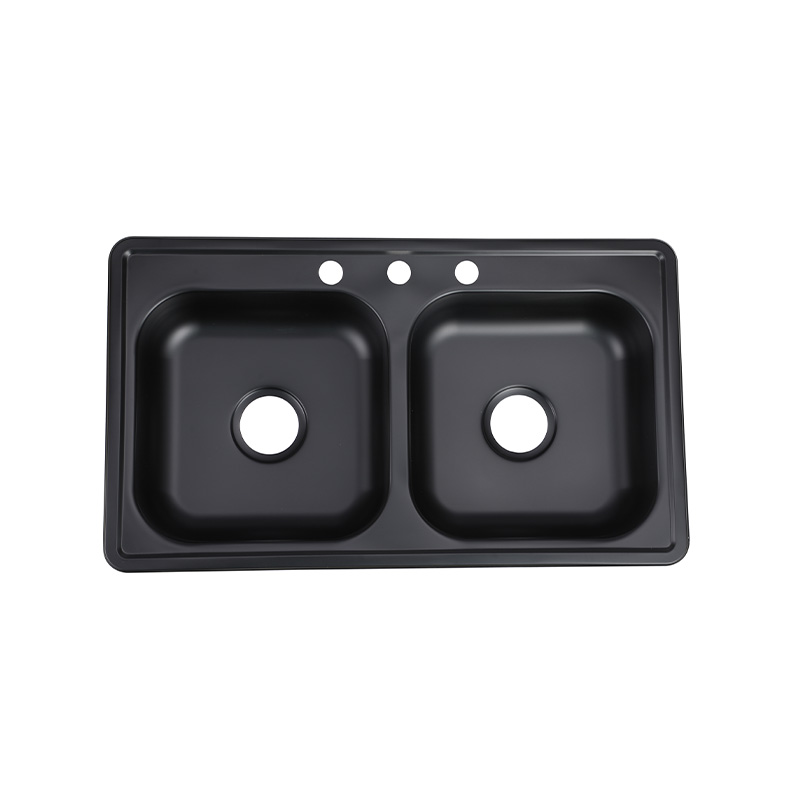
Welcome to the epitome of modern kitchen elegance and functionality with our new 33" x 19" Double Bowl Black Color Sink. This stunning sink, featuring advanced PVD (Physical Vapor Deposition) coating,...
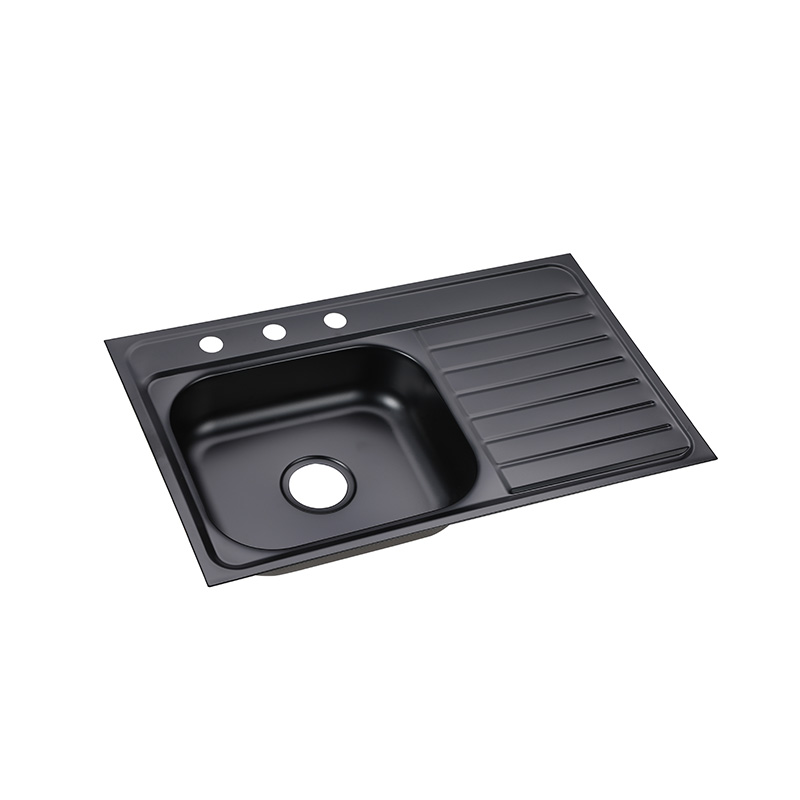
Welcome to our collection of premium PVD sinks, where functionality meets style. Among our diverse range of kitchen fixtures, the 800*500mm Left Bowl with Right Tray Sink in Black stands out as a test...
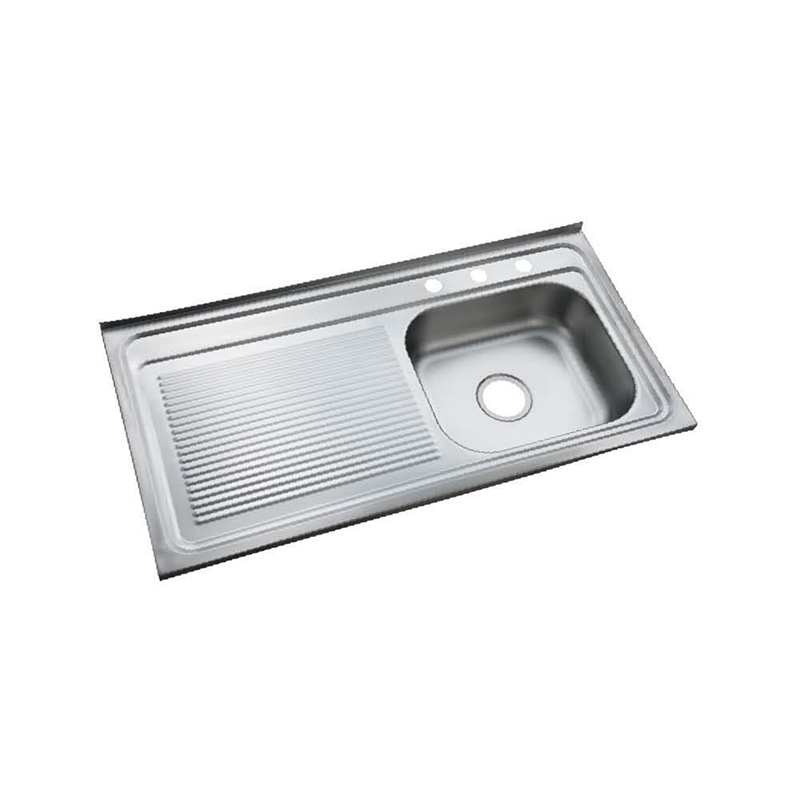
The XAL10050ERG 1000*500 mm right bowl with left tray sink in GREY color is a modern, versatile addition to any kitchen. This sink combines functionality with a sleek design, offering a practical solu...
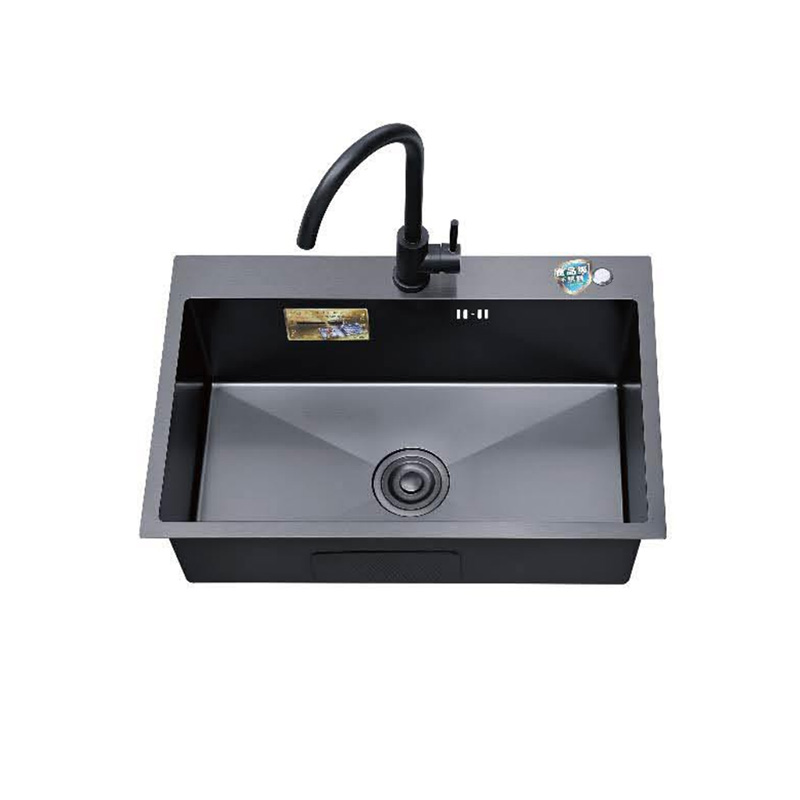
In the realm of kitchen fixtures, the single bowl handmade sink stands as a testament to the fusion of craftsmanship and functionality. Crafted with precision and care, each sink exudes a unique charm...
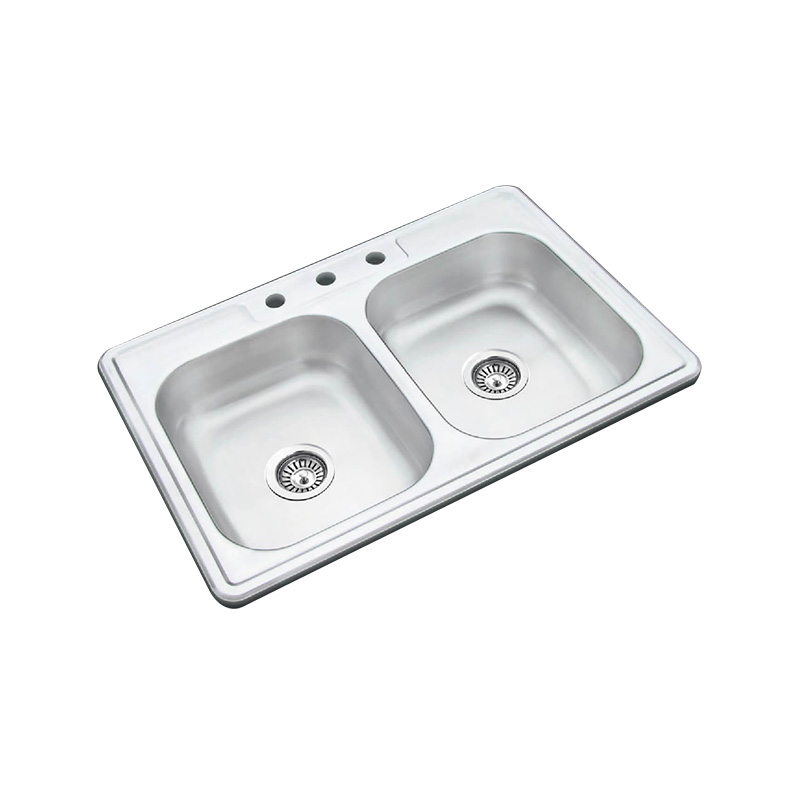
In the realm of kitchen essentials, versatility and efficiency are important. Our 3333"* 22" double bowl sink combines functionality and durability and is designed to enhance your kitchen experience. ...
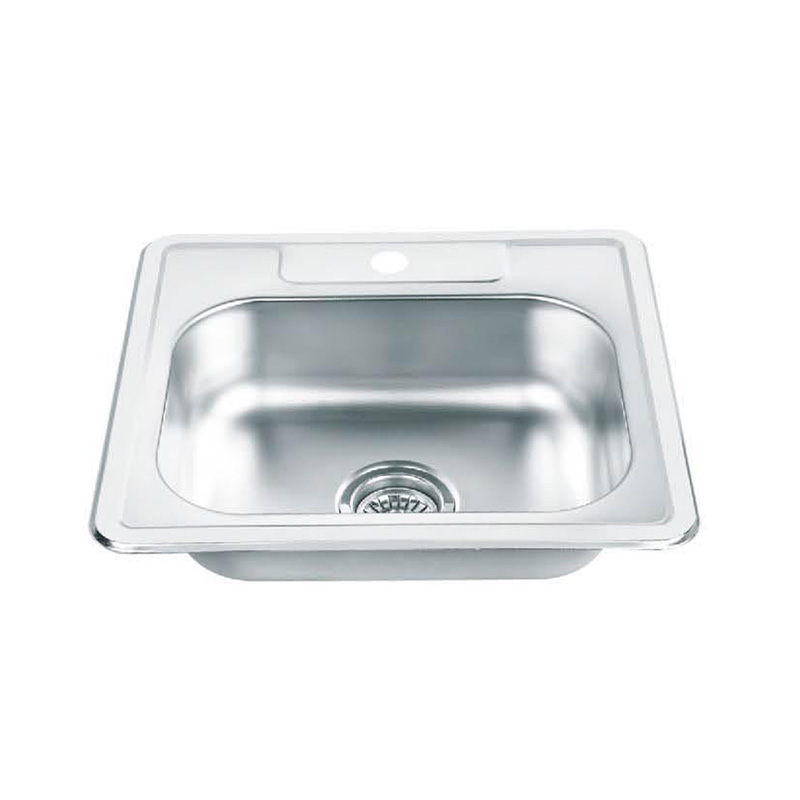
Welcome to our product showcase for the 20"*19" single bowl sink, a blend of practicality and elegance designed to meet the diverse needs of modern kitchens. This compact and efficient sink is tailore...
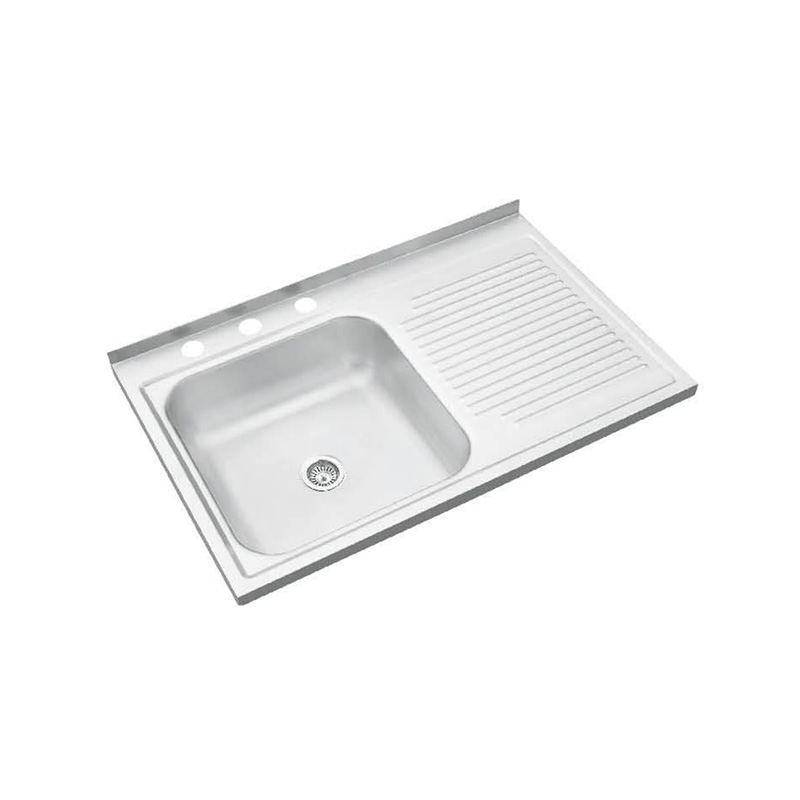
In the realm of kitchen fixtures, versatility and efficiency are important. Our 800*500 mm Left Bowl with Right Tray Sink offers a seamless blend of functionality and convenience, tailored to suit var...
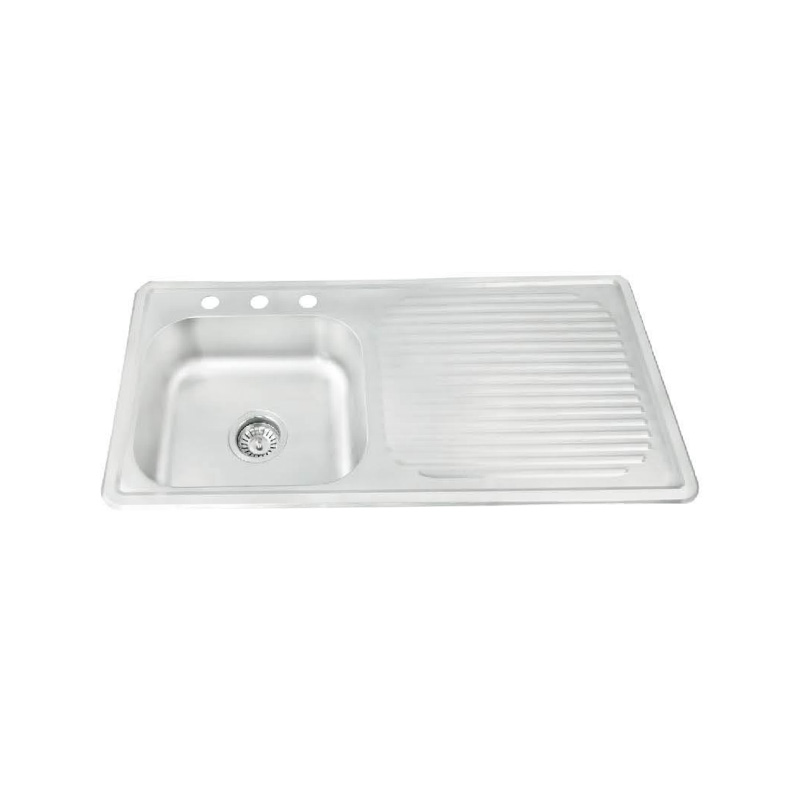
The 1000*500 mm left bowl with right tray sink is a good choice for modern kitchens requiring both style and functionality. This versatile sink is designed to handle the demands of a busy kitchen whil...
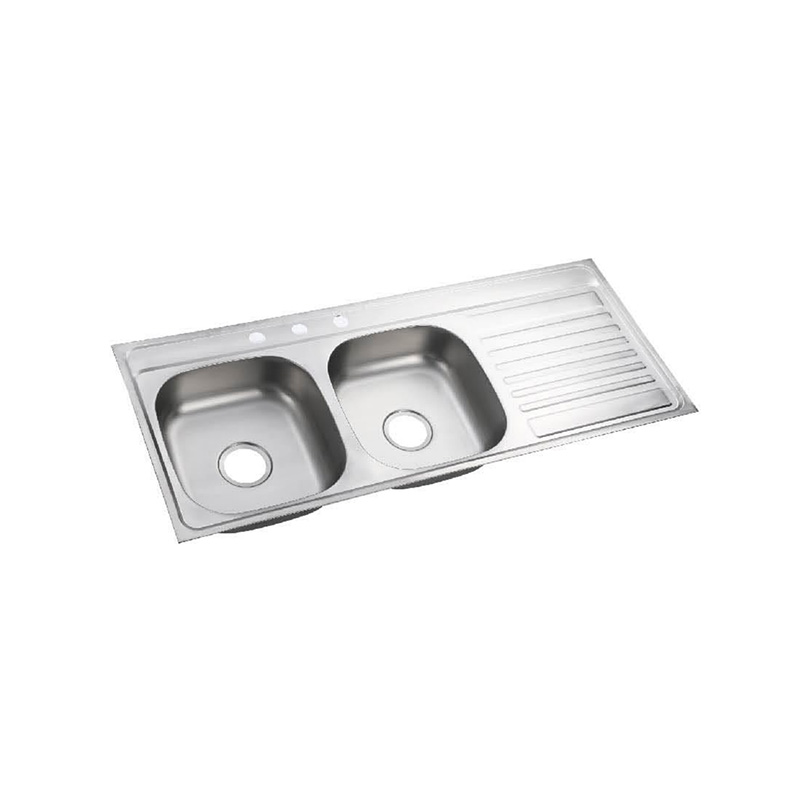
Introducing the 1200*500 mm left double bowl with right tray sink, a versatile solution for modern kitchens seeking enhanced functionality and convenience. This meticulously crafted sink combines the ...
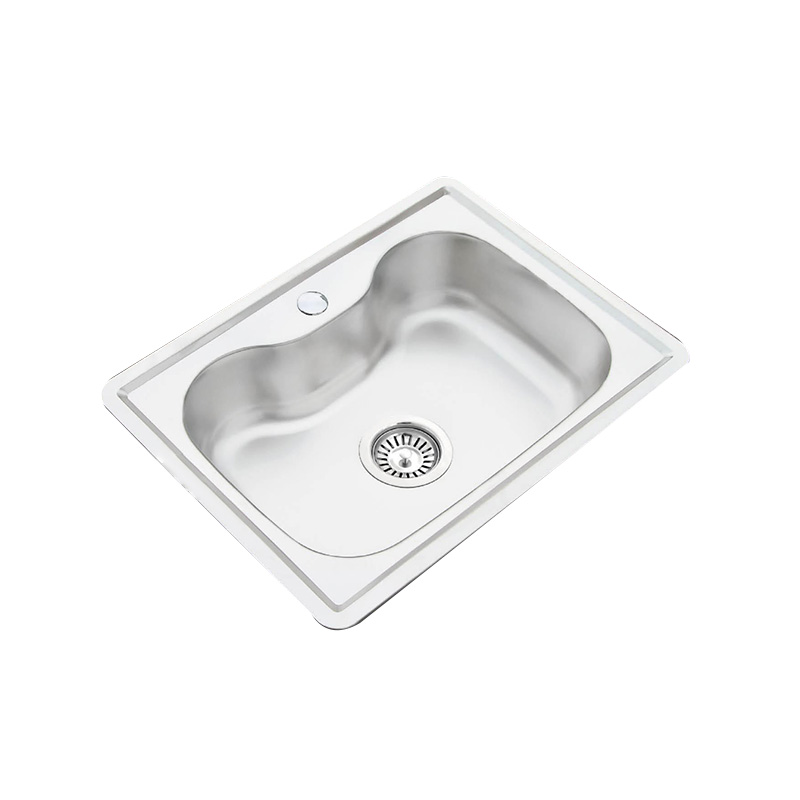
In the evolving world of kitchen design, the need for compact, efficient, and durable solutions has never been greater. Our 600*420 mm single bowl sink addresses these needs suitablely, combining spac...
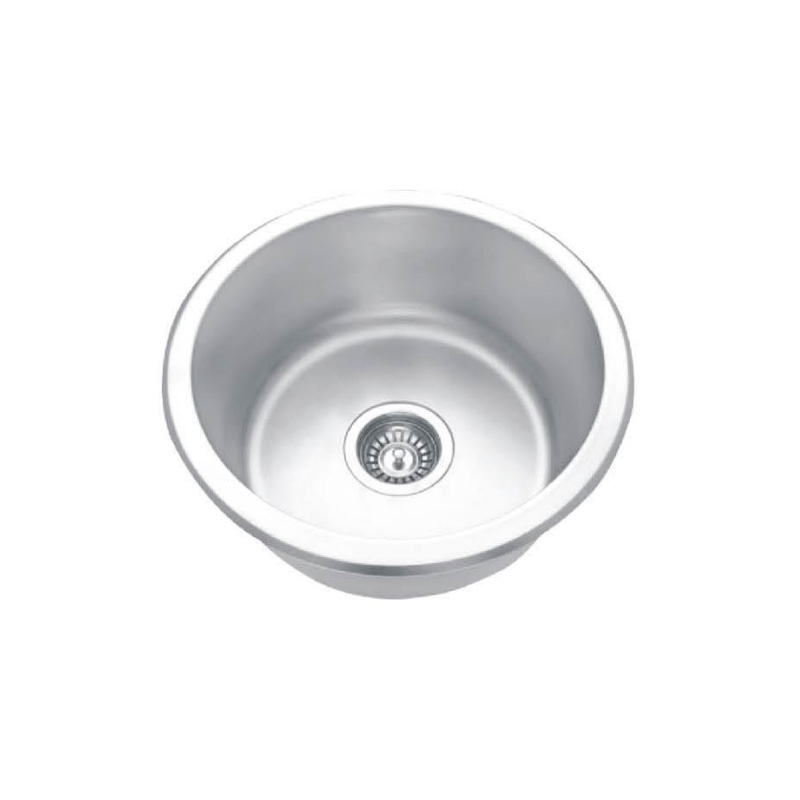
In the realm of functional kitchen fixtures, the sink reigns as a pivotal element. Enter our 420*420 mm round single bowl sink, a combination of utility and elegance that redefines kitchen essentials....

TaiZhou RunHeng Sanitary Ware Co., Ltd is an export-oriented enterprise integrating R&D, production and sales of stainless steel kitchen sink.
Copyright © 2024 TaiZhou RunHeng Sanitary Ware Co., Ltd. All Rights Reserved.
Commercial Undermount Kitchen Sinks Factory