English
 Español
 عربى
عربىProduct Consultation
Your email address will not be published. Required fields are marked *
Daily cooking routines often involve repeated contact between raw ingredients, utensils, and water, making the sink area a central point for hygiene management. Choosing a kitchen sink stainless steel product from a handmade sink factory is not only a structural decision but also a practical step toward maintaining a cleaner food preparation environment. The material, construction method, and design details all influence how easily the sink can be cleaned and how effectively it supports safe kitchen habits.
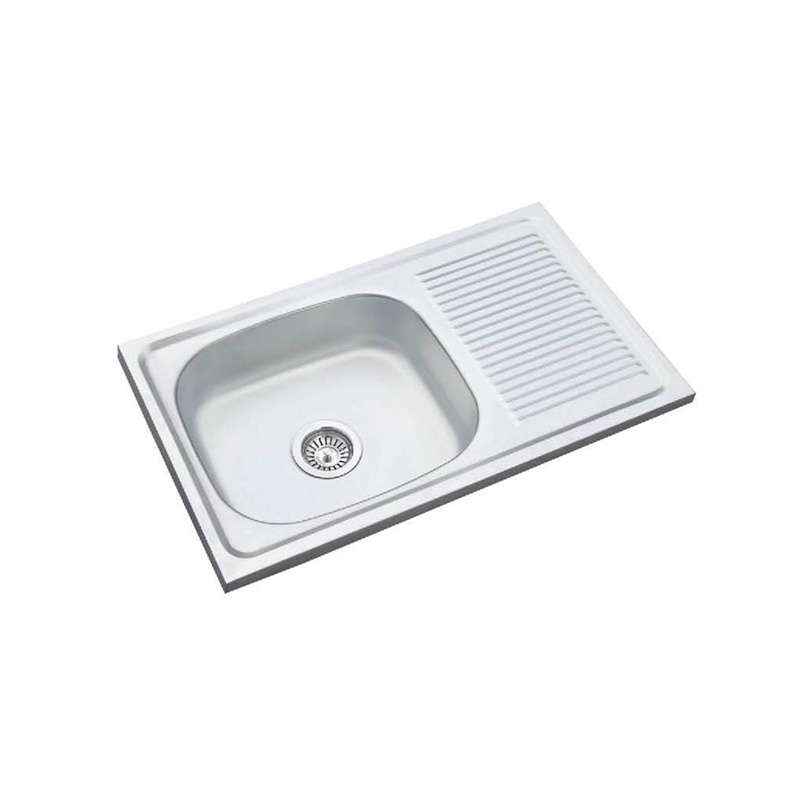
Stainless steel is widely used in kitchens due to its compatibility with frequent washing and exposure to various food types. It can handle contact with acidic ingredients, oils, and detergents without significant surface change when maintained correctly. This makes it suitable for environments where the sink is used throughout the day.
Handmade sinks may provide more consistent thickness and refined internal corners depending on the manufacturing process. These details can influence how easily debris is removed during cleaning. For example, tighter-radius corners may reduce areas where food particles collect, while slightly rounded corners can make wiping more straightforward. The choice between these options often depends on user preference and cleaning habits.
One of the practical ways to improve hygiene is to separate different kitchen activities. Even with a single-bowl sink, users can establish a sequence that reduces overlap between tasks. For example, rinsing produce before handling raw meat and cleaning utensils immediately after use can help maintain a clearer workflow.
In kitchens where space allows, accessories such as removable racks or divided inserts can create temporary zones within the sink. This approach helps keep certain items elevated or separated, reducing direct contact between different food types. Stainless steel surfaces are compatible with such accessories, allowing users to adapt the sink area based on specific needs.
Maintaining hygiene in the sink area does not necessarily require complex procedures. A consistent routine can make a noticeable difference in keeping the surface clean and ready for the next task. After each use, rinsing away visible debris and wiping the surface with a soft cloth can help prevent buildup.
Periodic cleaning with mild detergent supports the removal of grease and food residues. For households that handle a variety of ingredients, including raw meat or seafood, a more thorough rinse between tasks can help maintain separation. Stainless steel surfaces generally respond well to these simple cleaning steps when abrasive materials are avoided.
The way a sink is installed can influence how effectively it supports hygiene. Undermount installations allow users to wipe water and food particles directly from the countertop into the sink without obstruction. This reduces the chance of residue collecting along edges.
Drainage design also plays a role. A well-positioned drain with an appropriate slope helps ensure that water does not remain in the basin for extended periods. This supports a cleaner environment by reducing moisture retention. Handmade sinks often allow for more precise control over these structural details, depending on the design specifications.
To support daily hygiene, users can adopt a few straightforward habits:
These small adjustments can help maintain a more organized and sanitary workspace without requiring additional equipment.
Q1. Why is stainless steel commonly used for kitchen sinks?
Stainless steel is non-porous and compatible with regular cleaning, which makes it suitable for handling different types of food preparation tasks.
Q2. How often should the sink be cleaned during cooking?
It depends on the type of food being handled. Cleaning between tasks, especially when switching from raw to ready-to-eat items, helps maintain better hygiene.
Q3. Do handmade sinks offer practical advantages for cleaning?
They may provide more consistent finishing and controlled shaping, which can influence how easily surfaces are wiped and maintained.
Q4. Can accessories improve hygiene in the sink area?
Yes, accessories such as colanders or racks can help separate tasks and reduce direct contact between different food items.
Q5. What type of cleaning tools should be used on stainless steel?
Soft cloths or non-abrasive sponges are generally preferred to avoid scratching the surface.
Space Planning: Kitchen Sink Stainless Steel For Compact Living Areas
How Kitchen Sink Stainless Steel Improves Cleaning Efficiency Daily
Your email address will not be published. Required fields are marked *

Introducing our 19" x 19" single bowl black color sink, a stellar addition to our PVD sink collection. Designed with both aesthetics and functionality in mind, this sink is suitable for modern kitchen...
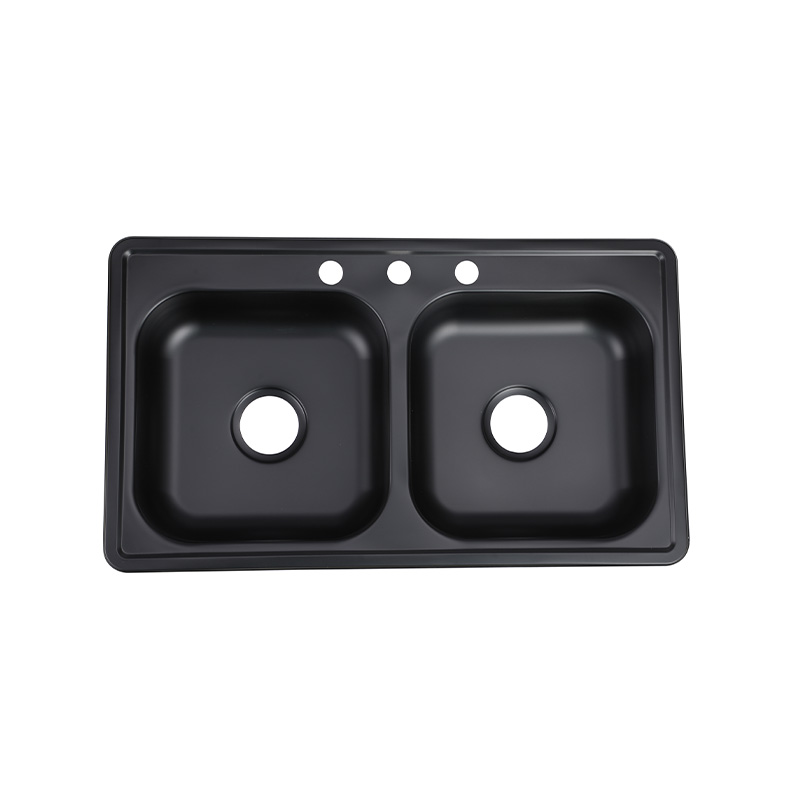
Welcome to the epitome of modern kitchen elegance and functionality with our new 33" x 19" Double Bowl Black Color Sink. This stunning sink, featuring advanced PVD (Physical Vapor Deposition) coating,...
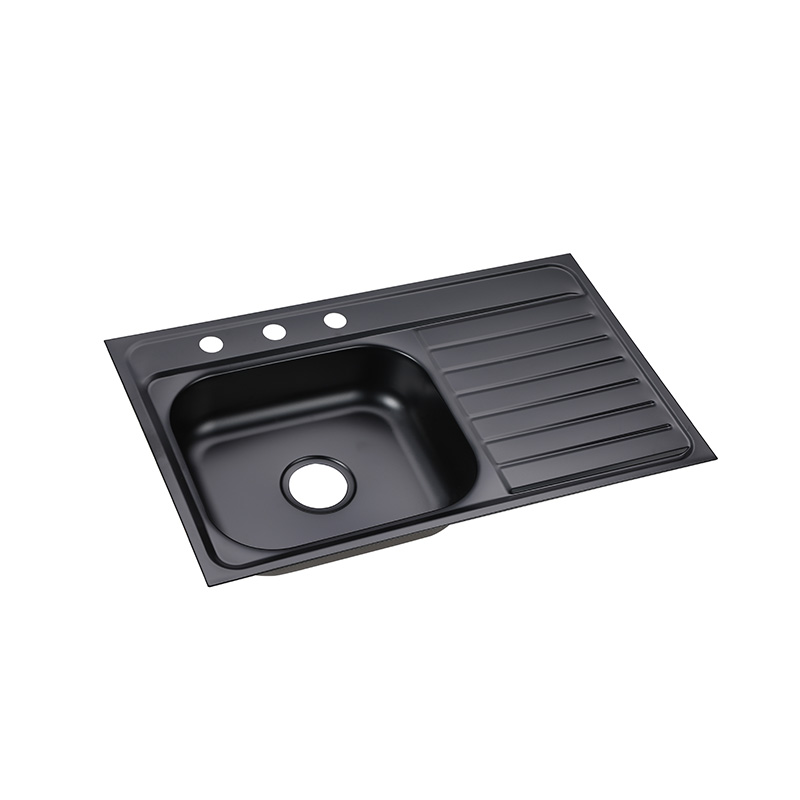
Welcome to our collection of premium PVD sinks, where functionality meets style. Among our diverse range of kitchen fixtures, the 800*500mm Left Bowl with Right Tray Sink in Black stands out as a test...
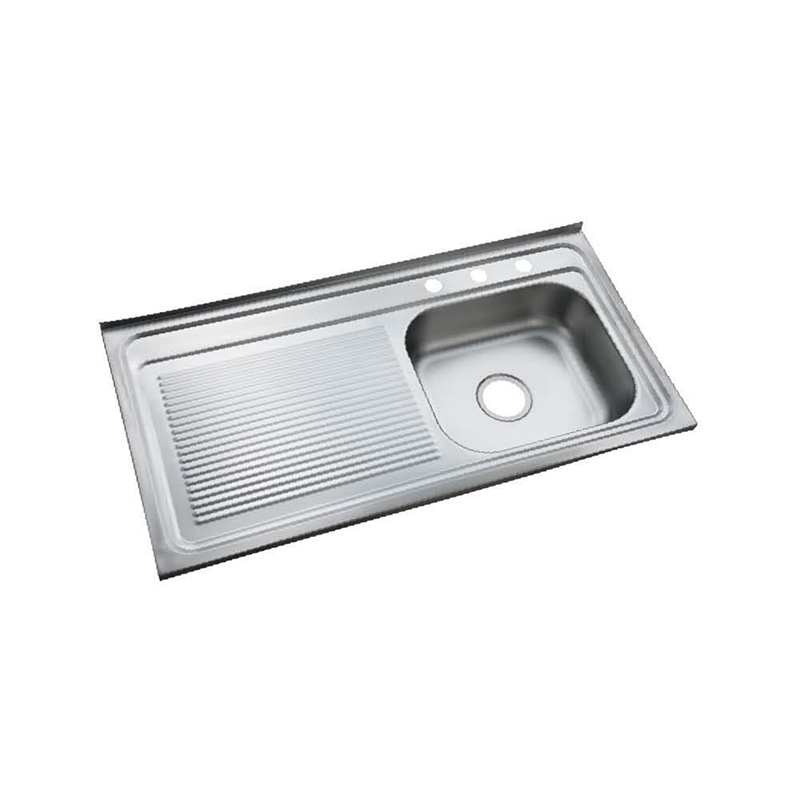
The XAL10050ERG 1000*500 mm right bowl with left tray sink in GREY color is a modern, versatile addition to any kitchen. This sink combines functionality with a sleek design, offering a practical solu...
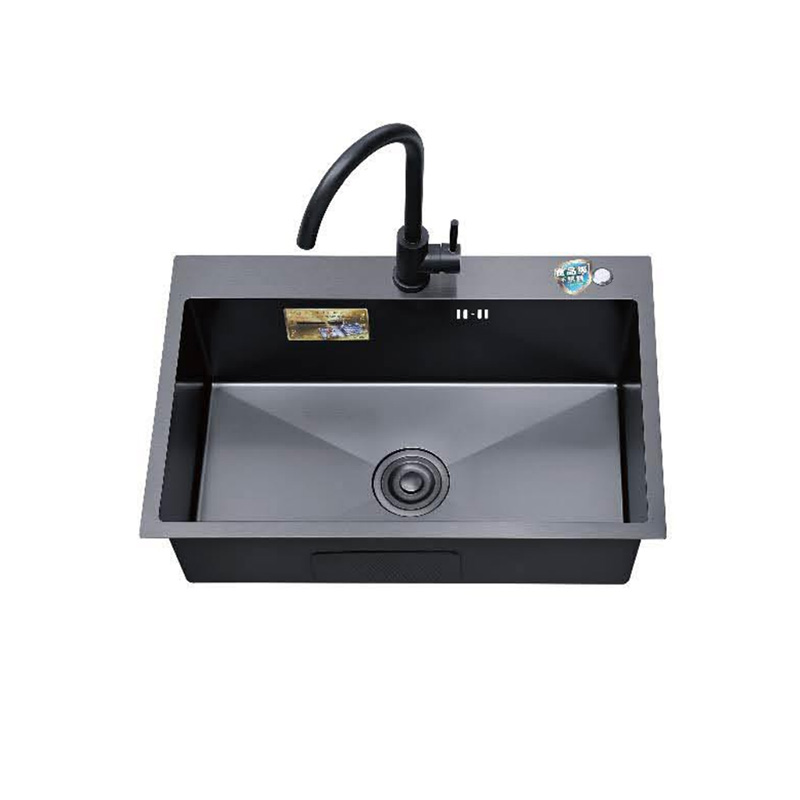
In the realm of kitchen fixtures, the single bowl handmade sink stands as a testament to the fusion of craftsmanship and functionality. Crafted with precision and care, each sink exudes a unique charm...
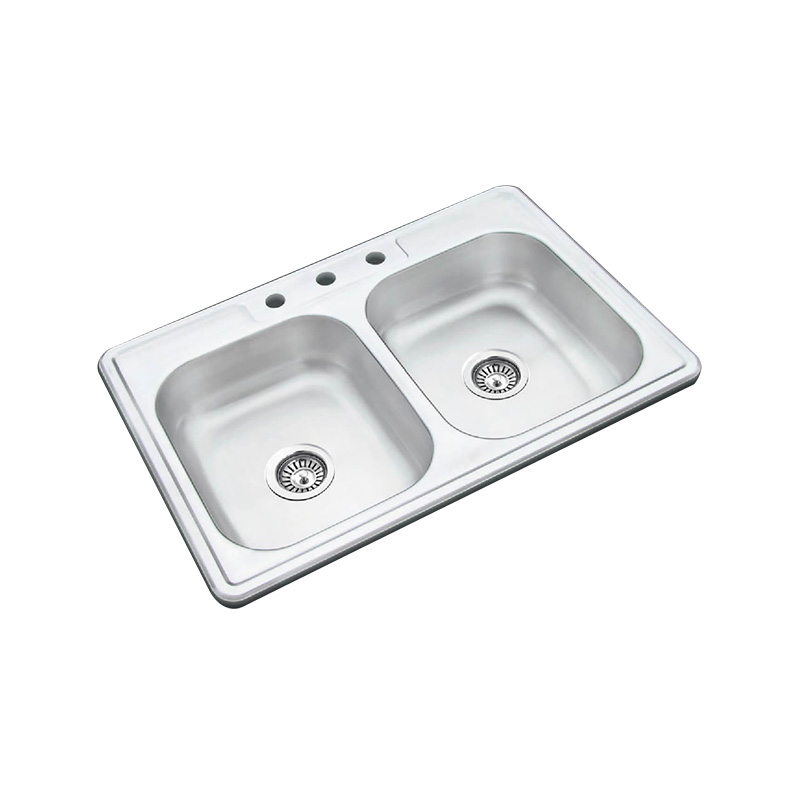
In the realm of kitchen essentials, versatility and efficiency are important. Our 3333"* 22" double bowl sink combines functionality and durability and is designed to enhance your kitchen experience. ...
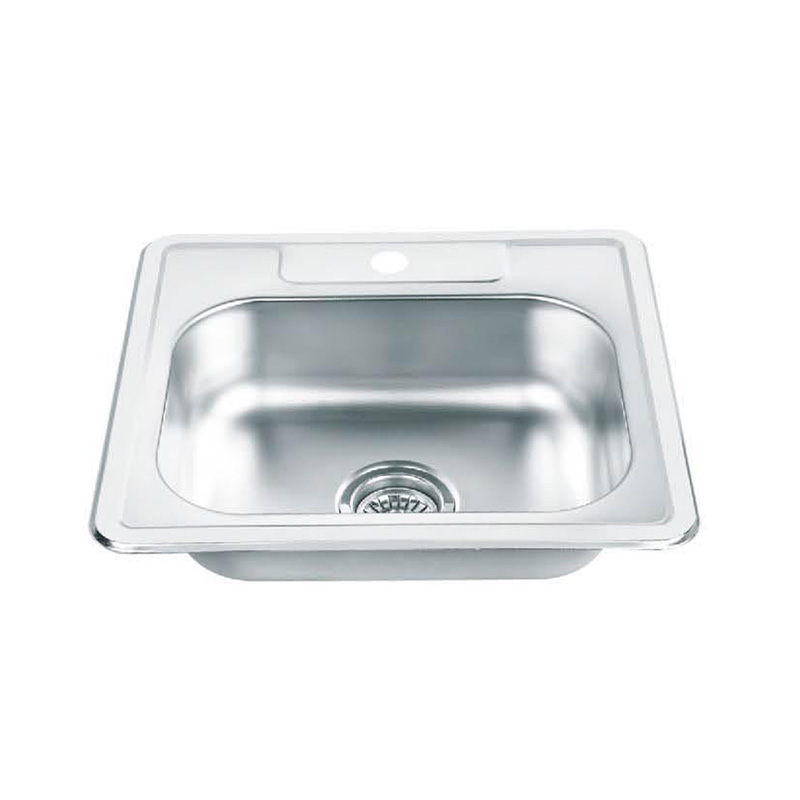
Welcome to our product showcase for the 20"*19" single bowl sink, a blend of practicality and elegance designed to meet the diverse needs of modern kitchens. This compact and efficient sink is tailore...
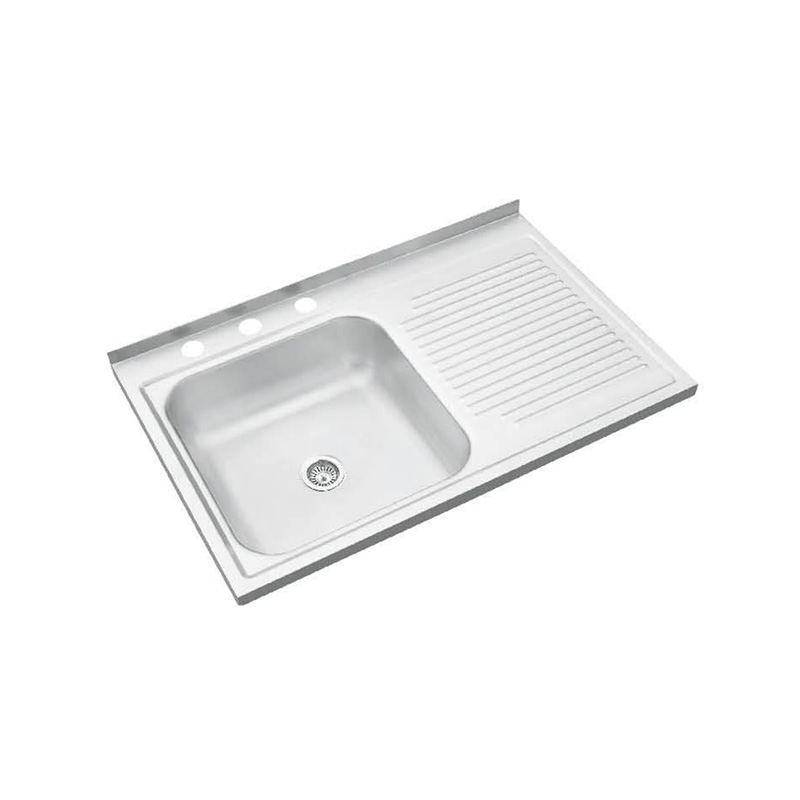
In the realm of kitchen fixtures, versatility and efficiency are important. Our 800*500 mm Left Bowl with Right Tray Sink offers a seamless blend of functionality and convenience, tailored to suit var...
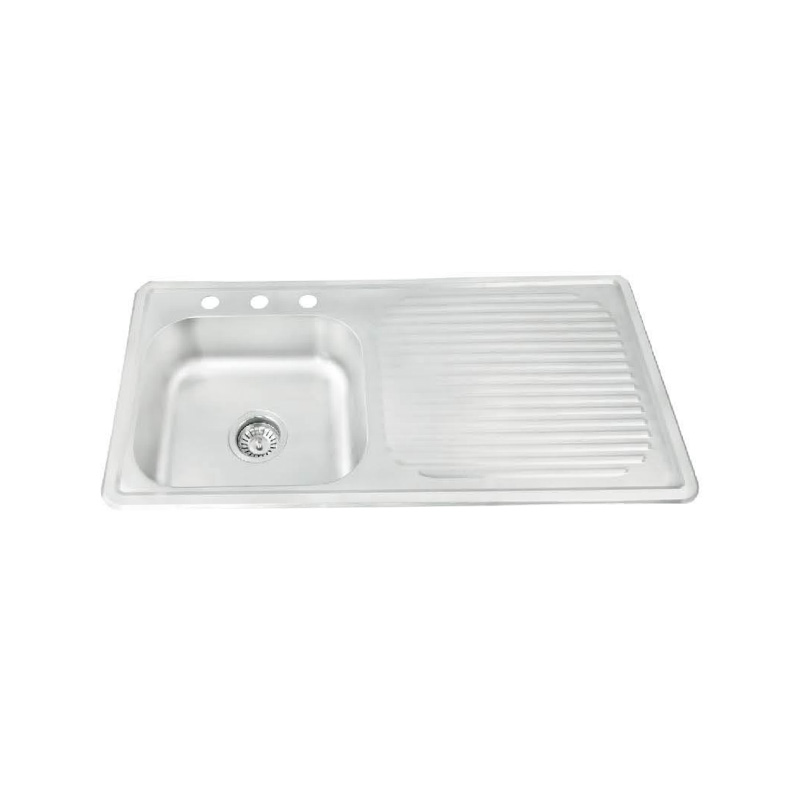
The 1000*500 mm left bowl with right tray sink is a good choice for modern kitchens requiring both style and functionality. This versatile sink is designed to handle the demands of a busy kitchen whil...
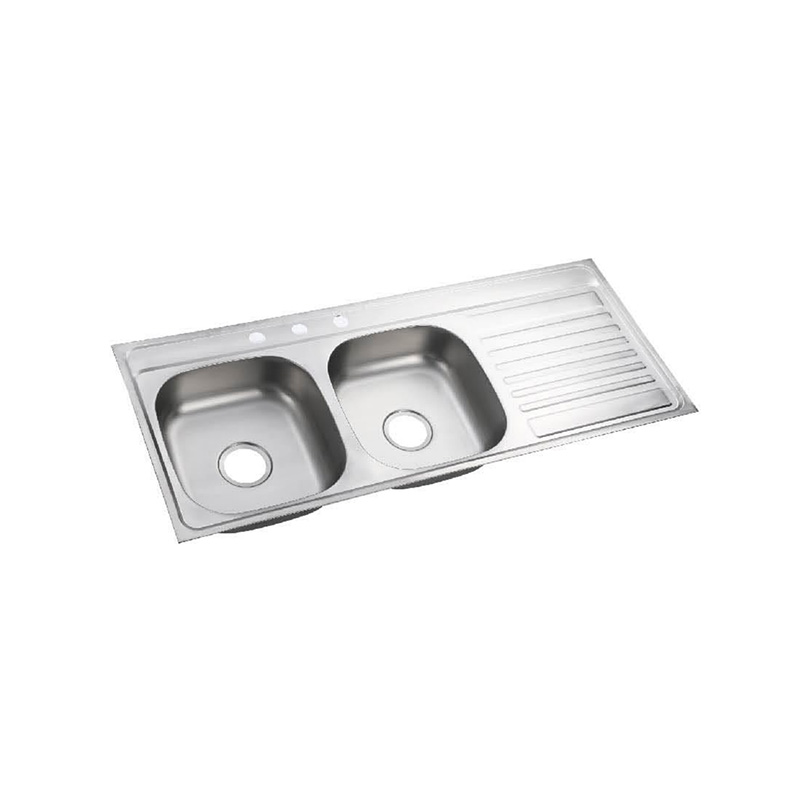
Introducing the 1200*500 mm left double bowl with right tray sink, a versatile solution for modern kitchens seeking enhanced functionality and convenience. This meticulously crafted sink combines the ...
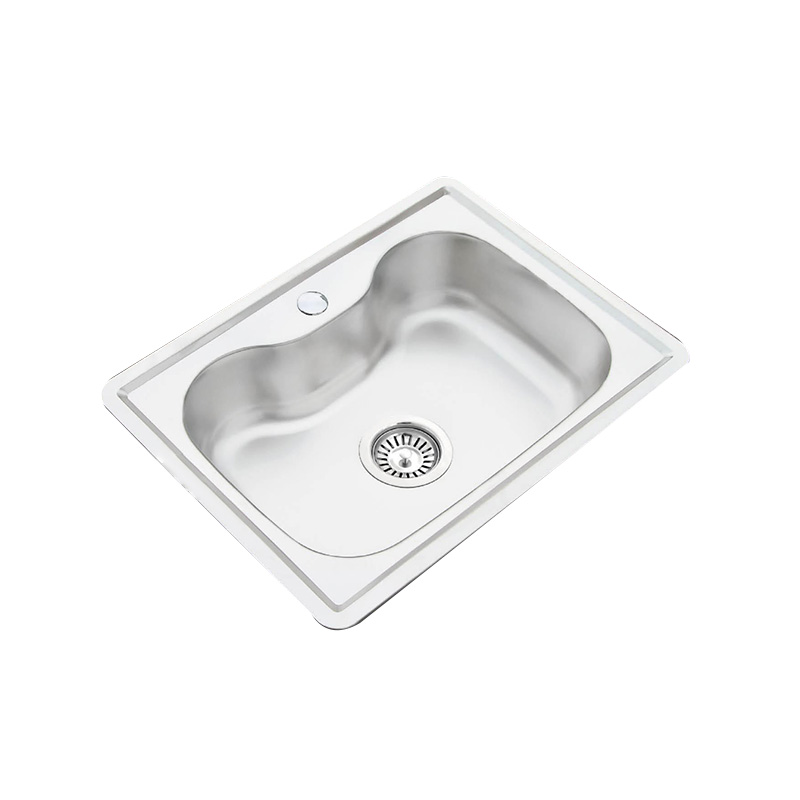
In the evolving world of kitchen design, the need for compact, efficient, and durable solutions has never been greater. Our 600*420 mm single bowl sink addresses these needs suitablely, combining spac...
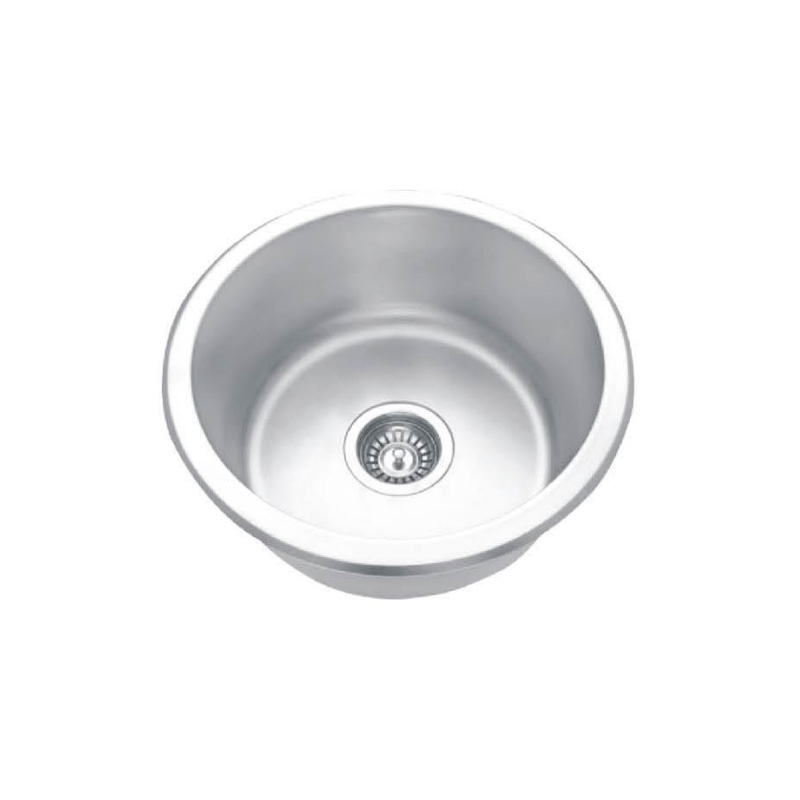
In the realm of functional kitchen fixtures, the sink reigns as a pivotal element. Enter our 420*420 mm round single bowl sink, a combination of utility and elegance that redefines kitchen essentials....

TaiZhou RunHeng Sanitary Ware Co., Ltd is an export-oriented enterprise integrating R&D, production and sales of stainless steel kitchen sink.
Copyright © 2024 TaiZhou RunHeng Sanitary Ware Co., Ltd. All Rights Reserved.
Commercial Undermount Kitchen Sinks Factory