English
 Español
 عربى
عربىProduct Consultation
Your email address will not be published. Required fields are marked *
Urban kitchens are becoming more compact as living spaces evolve, and every design decision plays a role in maintaining functionality without overcrowding the room. In this context, selecting a kitchen sink stainless steel product from a handmade sink factory can influence how efficiently a limited kitchen area is organized. Rather than treating the sink as a fixed utility, many homeowners and designers now consider it a central element that supports both workflow and spatial balance.
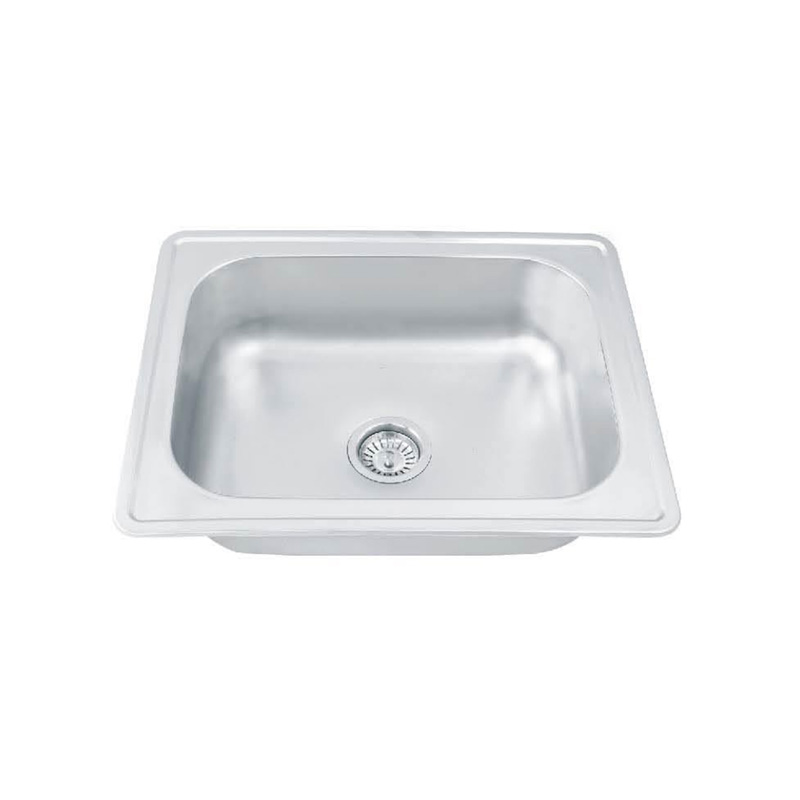
In compact layouts, sink placement often determines how other elements are arranged. Positioning the sink close to food preparation zones reduces unnecessary movement, while aligning it with natural light sources can improve visibility during daily use. Stainless steel sinks are frequently chosen because their slim profiles allow for easier integration into narrow countertops or corner installations.
Careful planning also involves considering clearance space. Even in smaller kitchens, maintaining a comfortable working distance between the sink and adjacent appliances such as stoves or refrigerators helps prevent congestion. A well-positioned sink can create a smoother flow between washing, cutting, and cooking tasks, making the kitchen feel more organized despite its size.
The selection of stainless steel as a sink material is often linked to practical considerations. Its surface is generally resistant to common kitchen conditions such as moisture, temperature variation, and repeated cleaning. This makes it suitable for households where the sink is used frequently throughout the day.
Additionally, the relatively lightweight nature of stainless steel simplifies installation, especially in apartments or renovated spaces where structural limitations may exist. Handmade production methods can further refine the thickness and finish of the sink, allowing for more consistent edges and smoother surfaces that are easier to maintain over time.
When working with limited kitchen space, small design adjustments can make a noticeable difference. Handmade sinks often incorporate features that help users manage daily tasks more effectively:
These details contribute to a more flexible workspace, enabling the sink area to serve multiple purposes without requiring additional countertop extensions.
The way a sink is installed can influence how much usable space remains around it. Undermount sinks are commonly used in compact kitchens because they create a seamless transition from countertop to basin, making it easier to wipe water or food scraps directly into the sink. This reduces the need for extra cleaning movements and helps keep surfaces tidy.
Top-mount installations, on the other hand, may be preferred in situations where retrofitting is required or where countertop materials need additional support. Each method has its own spatial implications, and the choice often depends on the existing kitchen structure as well as user preferences.
While functionality remains a priority, visual consistency also contributes to a comfortable kitchen environment. Stainless steel surfaces tend to complement a range of countertop materials, from stone to laminate, making them adaptable to different design styles.
Handmade sinks may offer subtle variations in finish, such as brushed or matte textures, which can help reduce the visibility of water marks or fingerprints. These aesthetic considerations support everyday usability by keeping the sink area looking clean with less frequent maintenance.
Q1. How do I choose the right sink size for a small kitchen?
Measure the available countertop area and consider how much space is needed for other tasks. A slightly deeper sink can compensate for a narrower width by allowing more vertical capacity for dishes.
Q2. Is a single bowl or double bowl sink better for limited space?
Single bowl sinks are often preferred in compact kitchens because they provide uninterrupted space for washing larger items. However, some users may still prefer double bowls for separating tasks if space allows.
Q3. Are handmade sinks different from standard models?
Handmade sinks are typically crafted with more attention to edge finishing and thickness control. This can result in a more defined structure and potentially longer usability, depending on how the sink is used.
Q4. Does stainless steel require special maintenance?
Regular cleaning with mild detergent and wiping the surface dry after use can help maintain its appearance. Avoiding abrasive materials may reduce the risk of surface scratches.
Q5. Can sink accessories help save space?
Yes, accessories such as fitted cutting boards or drying racks can extend the functionality of the sink area without adding extra fixtures to the kitchen.
Q6. What should I consider before installation?
Check cabinet dimensions, plumbing layout, and countertop material compatibility. Planning these details in advance can reduce adjustments during installation.
How Much Care Does Nano Black Kitchen Sink Need?
Hygiene Control: Kitchen Sink Stainless Steel In Daily Food Preparation
Your email address will not be published. Required fields are marked *

Introducing our 19" x 19" single bowl black color sink, a stellar addition to our PVD sink collection. Designed with both aesthetics and functionality in mind, this sink is suitable for modern kitchen...
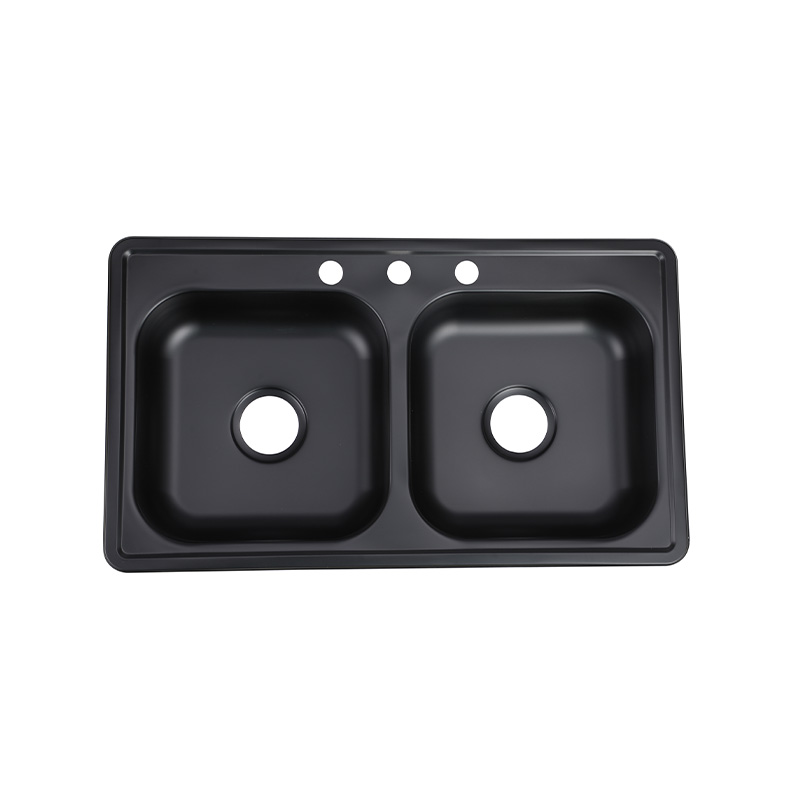
Welcome to the epitome of modern kitchen elegance and functionality with our new 33" x 19" Double Bowl Black Color Sink. This stunning sink, featuring advanced PVD (Physical Vapor Deposition) coating,...
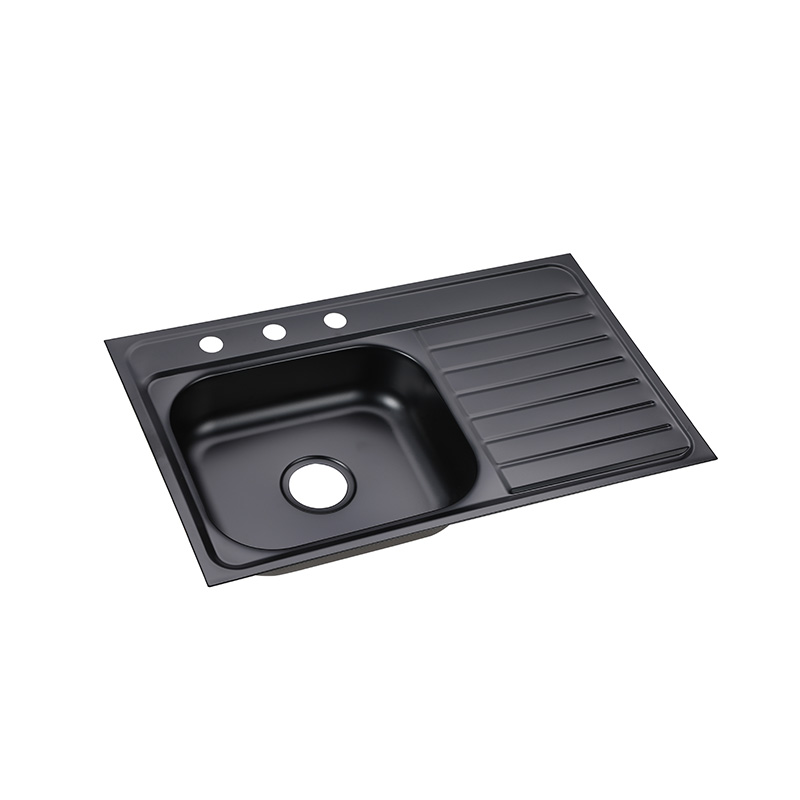
Welcome to our collection of premium PVD sinks, where functionality meets style. Among our diverse range of kitchen fixtures, the 800*500mm Left Bowl with Right Tray Sink in Black stands out as a test...
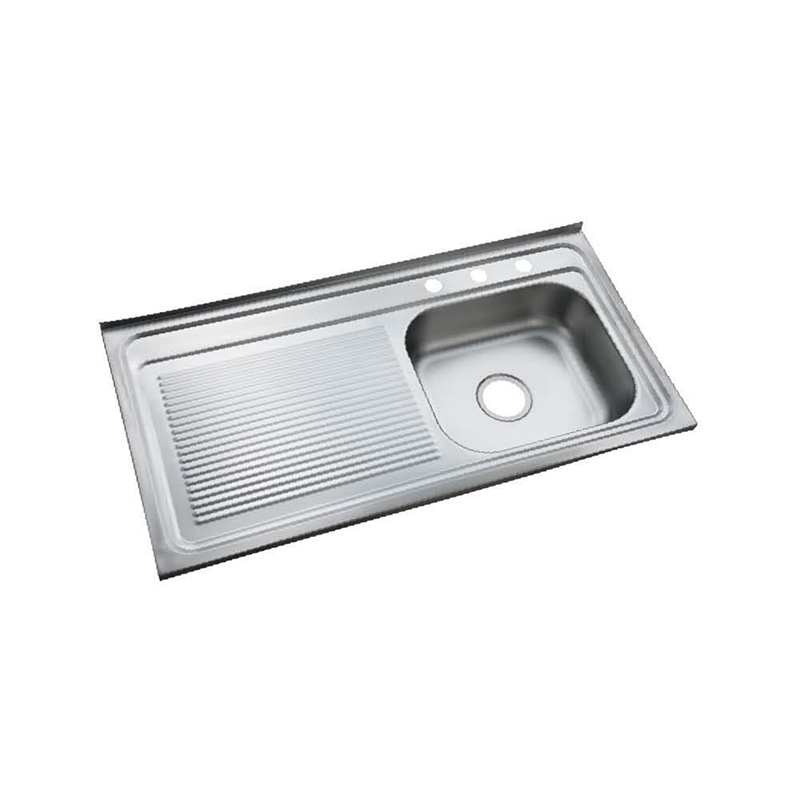
The XAL10050ERG 1000*500 mm right bowl with left tray sink in GREY color is a modern, versatile addition to any kitchen. This sink combines functionality with a sleek design, offering a practical solu...
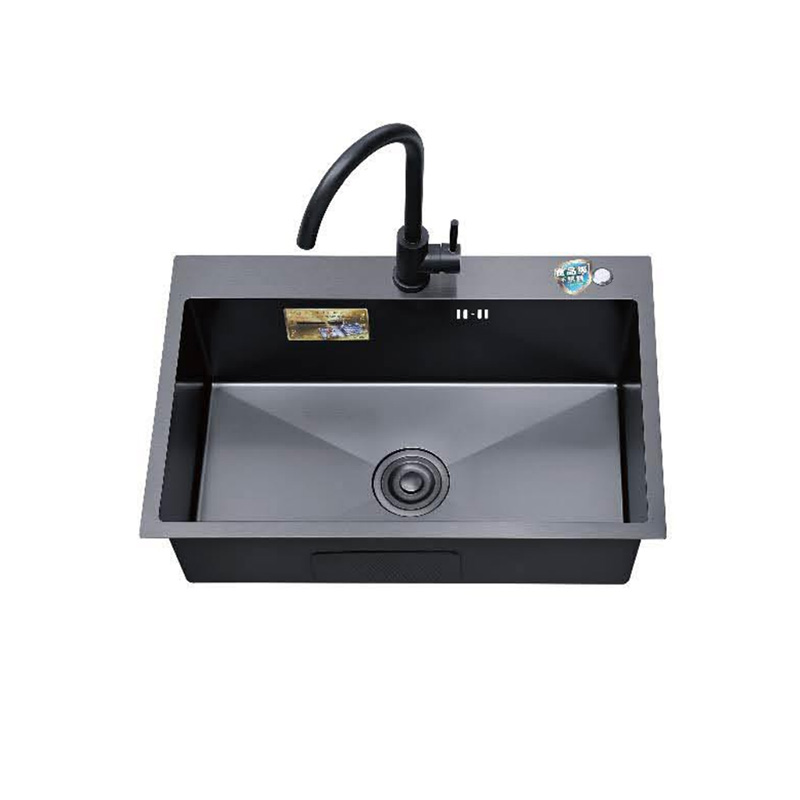
In the realm of kitchen fixtures, the single bowl handmade sink stands as a testament to the fusion of craftsmanship and functionality. Crafted with precision and care, each sink exudes a unique charm...
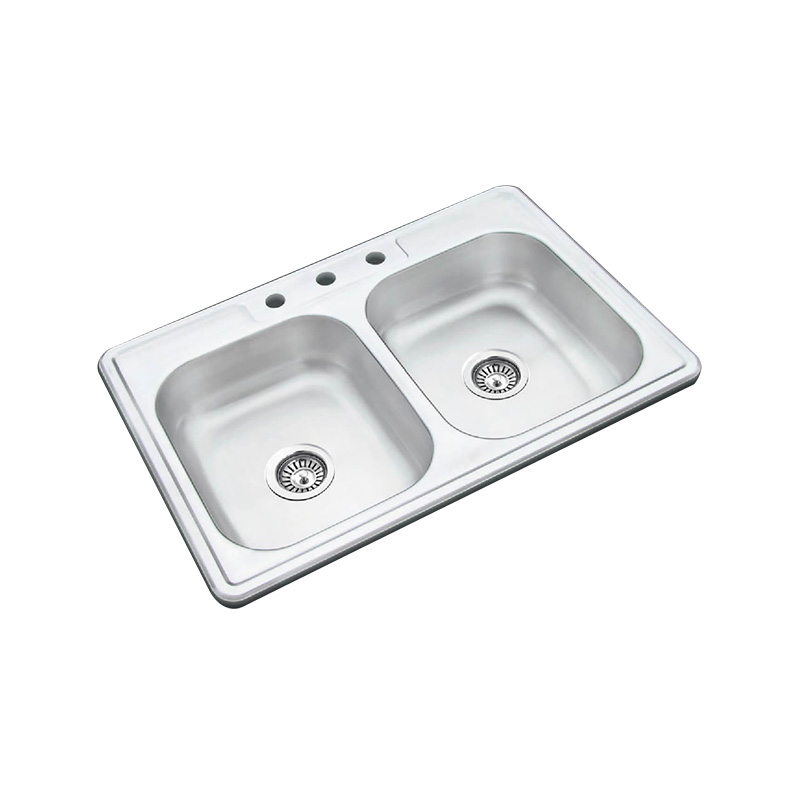
In the realm of kitchen essentials, versatility and efficiency are important. Our 3333"* 22" double bowl sink combines functionality and durability and is designed to enhance your kitchen experience. ...
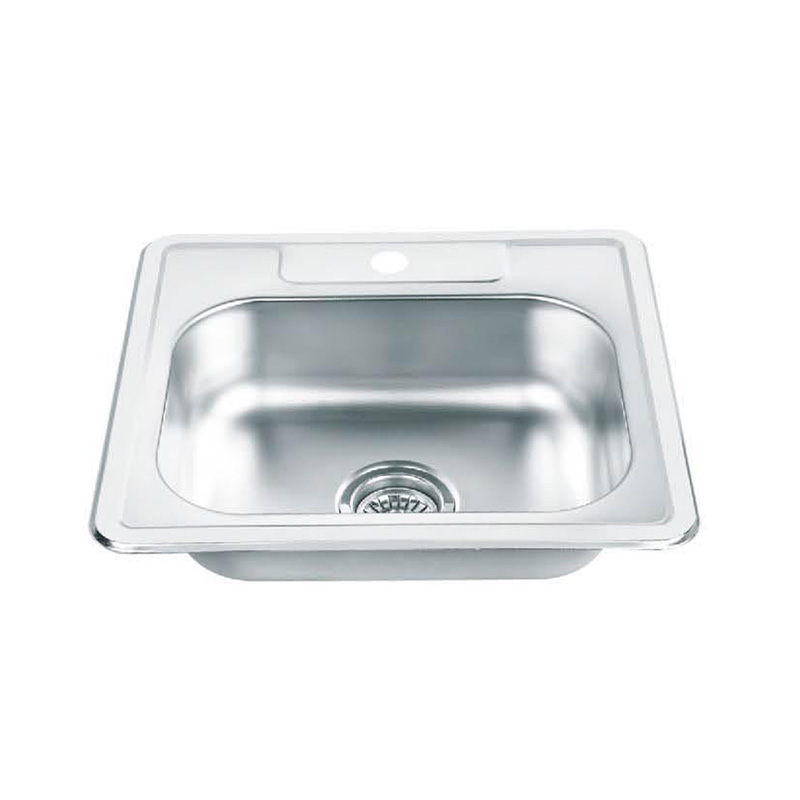
Welcome to our product showcase for the 20"*19" single bowl sink, a blend of practicality and elegance designed to meet the diverse needs of modern kitchens. This compact and efficient sink is tailore...
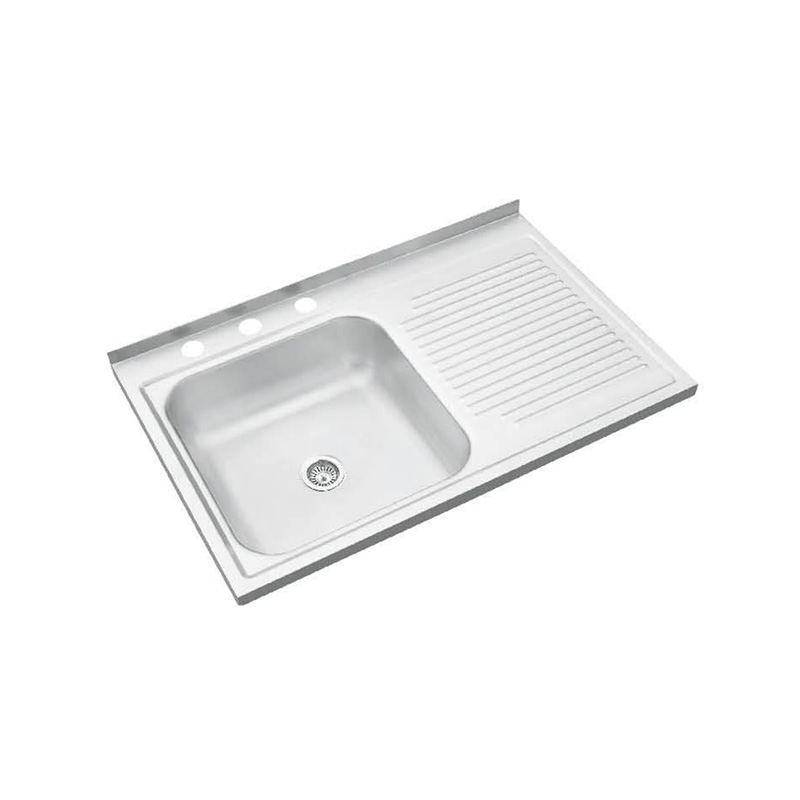
In the realm of kitchen fixtures, versatility and efficiency are important. Our 800*500 mm Left Bowl with Right Tray Sink offers a seamless blend of functionality and convenience, tailored to suit var...
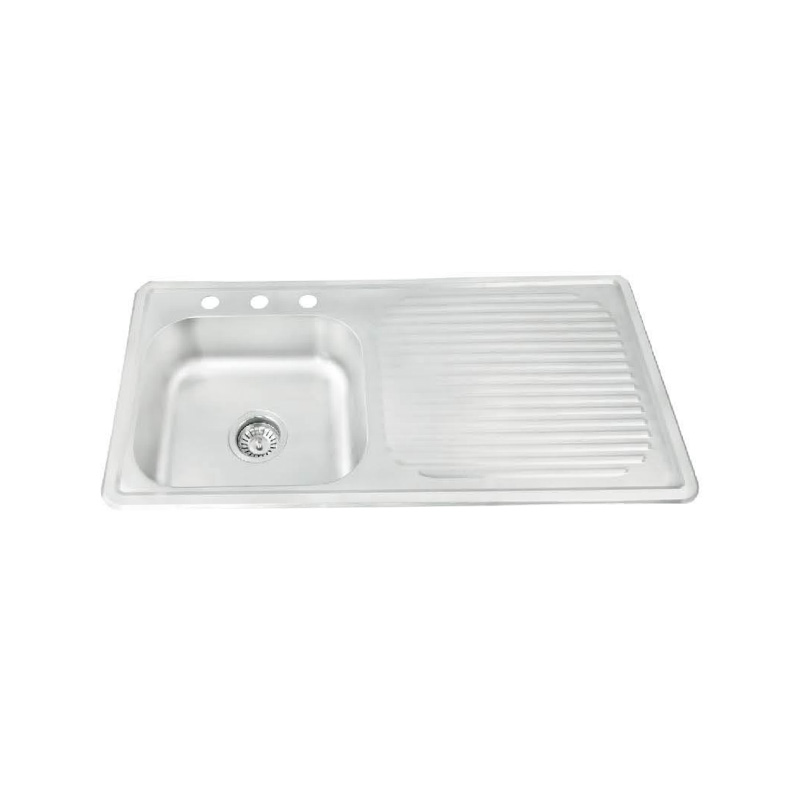
The 1000*500 mm left bowl with right tray sink is a good choice for modern kitchens requiring both style and functionality. This versatile sink is designed to handle the demands of a busy kitchen whil...
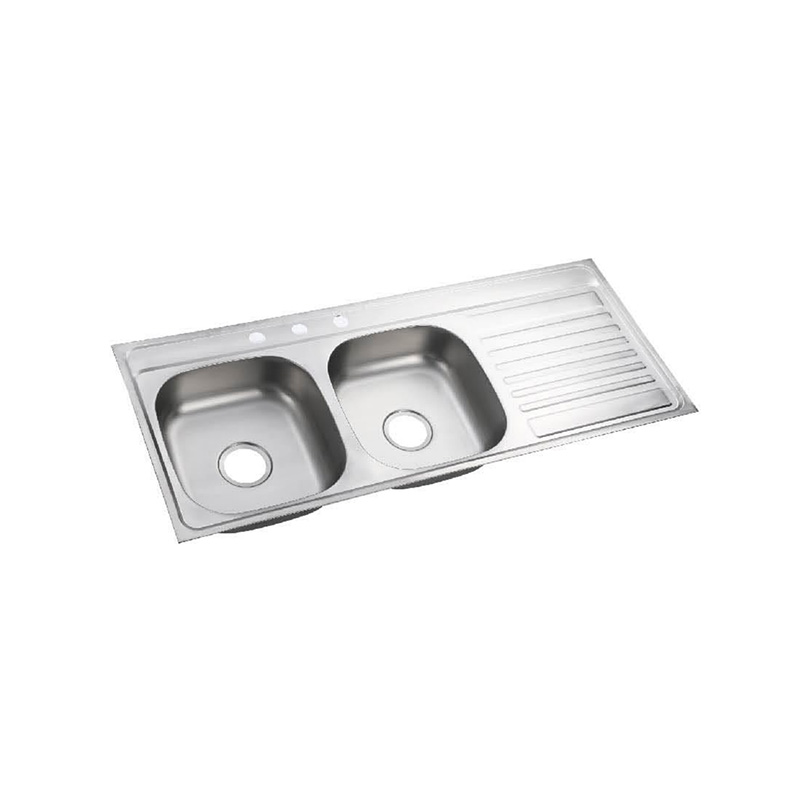
Introducing the 1200*500 mm left double bowl with right tray sink, a versatile solution for modern kitchens seeking enhanced functionality and convenience. This meticulously crafted sink combines the ...
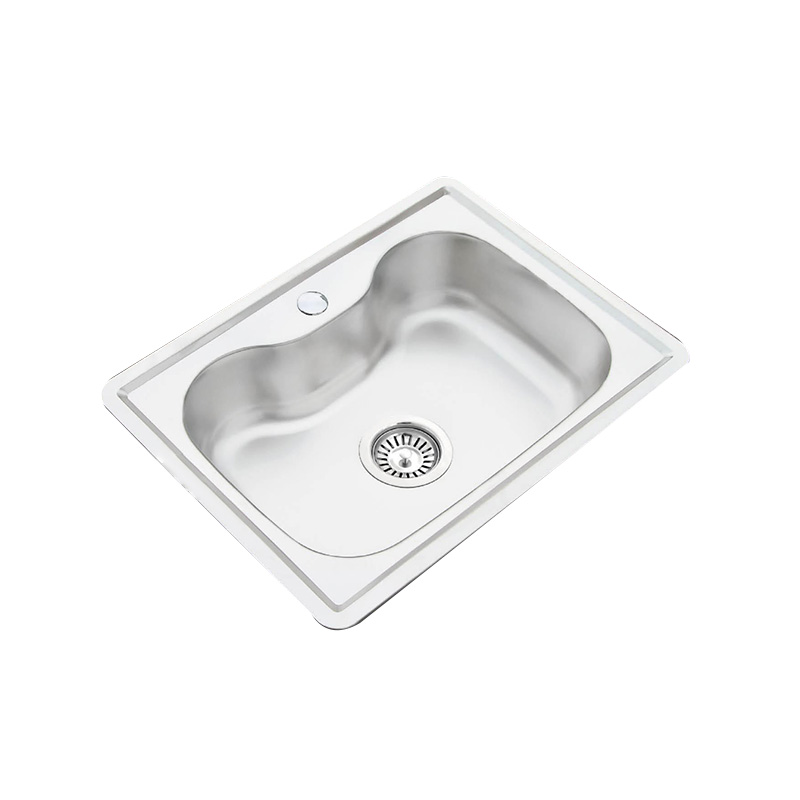
In the evolving world of kitchen design, the need for compact, efficient, and durable solutions has never been greater. Our 600*420 mm single bowl sink addresses these needs suitablely, combining spac...
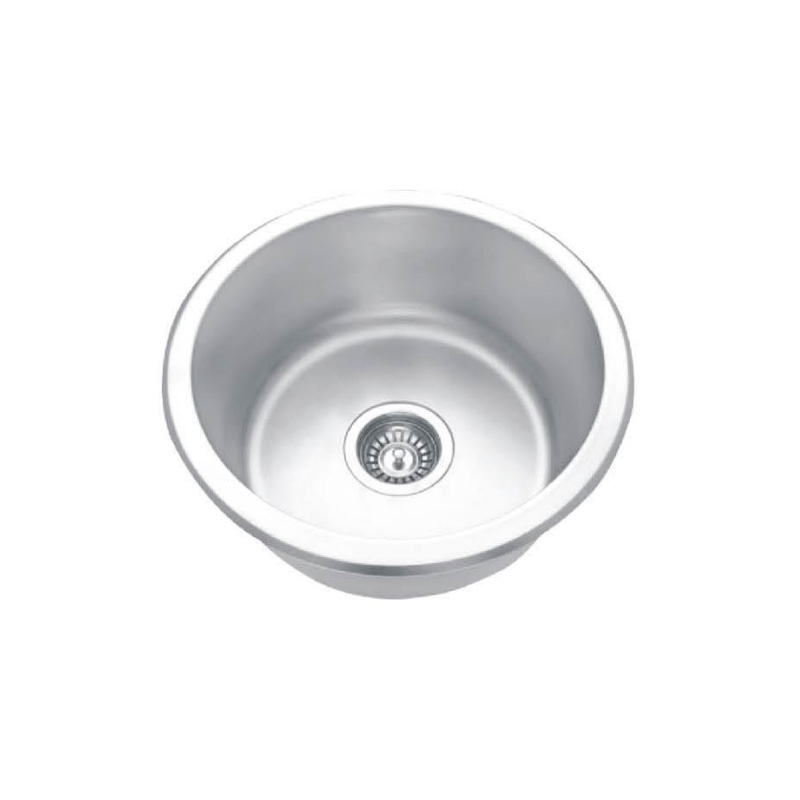
In the realm of functional kitchen fixtures, the sink reigns as a pivotal element. Enter our 420*420 mm round single bowl sink, a combination of utility and elegance that redefines kitchen essentials....

TaiZhou RunHeng Sanitary Ware Co., Ltd is an export-oriented enterprise integrating R&D, production and sales of stainless steel kitchen sink.
Copyright © 2024 TaiZhou RunHeng Sanitary Ware Co., Ltd. All Rights Reserved.
Commercial Undermount Kitchen Sinks Factory