English
 Español
 عربى
عربىProduct Consultation
Your email address will not be published. Required fields are marked *
Kitchen sinks are exposed to water, food residue, cookware contact, and cleaning products every day, so maintenance is an important concern for homeowners and property managers. The undermount sink and the nano black kitchen sink are often selected for their structural integration and surface characteristics, but many users want to understand how much care is required to keep them clean and maintain their appearance over time. While nano-treated surfaces are designed to support easier cleaning compared to untreated finishes, proper care routines still play a key role in preserving both function and visual consistency.
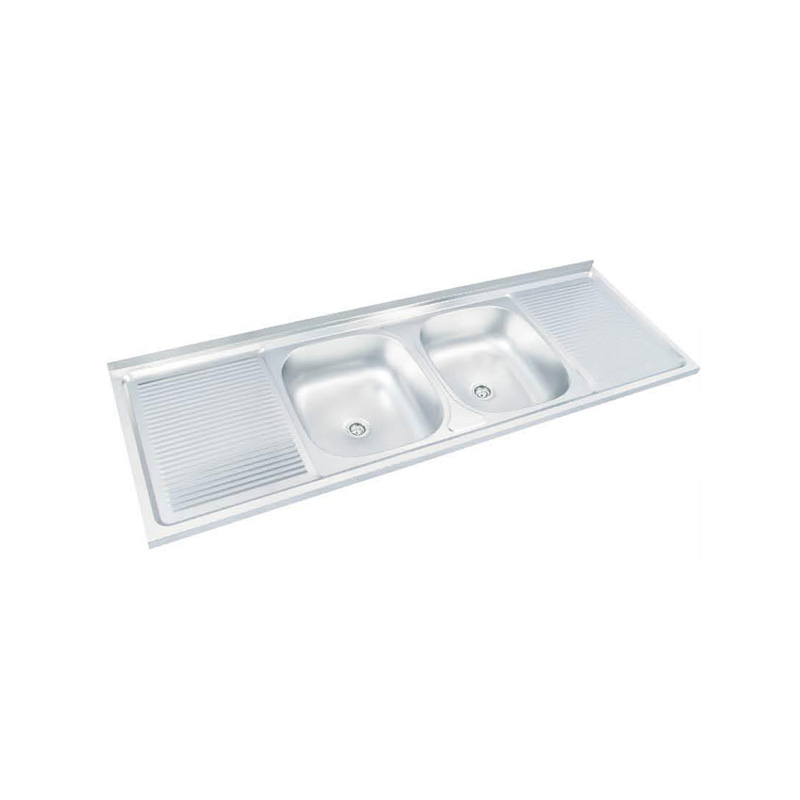
The nano-treated finish applied to a nano black kitchen sink is created by modifying the surface texture at a microscopic scale. This treatment changes how water, oil, and residue interact with the sink surface. Instead of spreading evenly and forming thin films, liquids tend to gather into droplets, which makes rinsing more straightforward during routine cleaning.
This surface structure also affects how stains develop. Food residue such as oils, sauces, or coffee may remain on the surface if left unattended, but the nano coating reduces the ability of these substances to bond strongly with the sink material. As a result, normal cleaning with water and mild detergent is generally sufficient to remove common kitchen residue.
The darker finish also affects visual perception. Water spots, fingerprints, and light residue may appear less noticeable compared to untreated stainless steel under similar lighting conditions. This characteristic helps maintain a consistent appearance between cleaning cycles, especially in kitchens that are used frequently.
However, nano surface treatment does not eliminate the need for cleaning. Like any kitchen fixture, regular maintenance helps prevent buildup and ensures that the sink continues to function as expected.
Routine cleaning does not require specialized tools or complicated procedures. Many households can maintain a nano black kitchen sink using common cleaning materials already available in the kitchen. After washing dishes or handling food, rinsing the sink with clean water helps remove loose debris and residue before it dries.
Wiping the surface with a soft cloth or sponge helps remove remaining moisture and reduces the chance of visible water spots. This is particularly useful in areas with hard water, where mineral deposits may appear after repeated drying cycles. Mild dish soap can be used to remove grease or food residue, followed by rinsing with clean water.
Avoiding abrasive tools such as steel wool or hard scrubbing pads helps preserve the surface texture. While the nano coating provides some resistance to wear from normal use, aggressive cleaning tools may gradually affect the finish. Using non-abrasive cloths and gentle cleaning products helps maintain the surface condition without introducing unnecessary wear.
These cleaning habits require only a few minutes and can be integrated into normal kitchen routines without additional effort.
In addition to daily cleaning, periodic maintenance helps address buildup that may not be fully removed during routine use. This is especially relevant in kitchens where cooking involves oils, sauces, or frequent food preparation.
A more thorough cleaning once a week or as needed can help maintain the sink surface. This process usually involves applying mild detergent, gently wiping the entire basin, and rinsing thoroughly with clean water. Drying the surface afterward helps reduce the formation of water spots, particularly in regions with mineral-rich water.
If mineral deposits begin to appear, a mild vinegar solution diluted with water can help dissolve residue. After applying the solution, rinsing with clean water and wiping dry helps restore surface appearance. This method uses commonly available household materials and does not require specialized cleaning products.
Regular attention to these maintenance steps helps prevent buildup that could become more difficult to remove later.
The undermount sink design plays an important role in simplifying maintenance routines. Because the sink is installed beneath the countertop, there is no raised rim between the sink and the counter surface. This structural difference allows debris and water to be wiped directly into the basin without obstruction.
This configuration reduces areas where residue may collect, particularly around the sink edges. Cleaning cloths and sponges can move smoothly across the countertop and into the sink, which simplifies routine wiping. Over time, this structural advantage helps reduce cleaning effort compared to sink designs with exposed edges or seams.
The seamless transition between countertop and sink also helps prevent moisture from collecting in narrow gaps. This contributes to easier long-term maintenance, especially in kitchens where the sink is used frequently.
Some cleaning methods may affect the appearance or surface condition if used repeatedly. Understanding what to avoid helps extend the usable life of the sink finish and structure.
Do not leave strong chemical cleaners on the surface for extended periods, especially products containing bleach or harsh acids.
Do not allow food residue or liquids to remain on the surface for long periods without rinsing.
These precautions help maintain both the appearance and function of the sink without requiring complex maintenance routines.
Who Benefits from Choosing Undermount Sink Design?
Space Planning: Kitchen Sink Stainless Steel For Compact Living Areas
Your email address will not be published. Required fields are marked *

Introducing our 19" x 19" single bowl black color sink, a stellar addition to our PVD sink collection. Designed with both aesthetics and functionality in mind, this sink is suitable for modern kitchen...
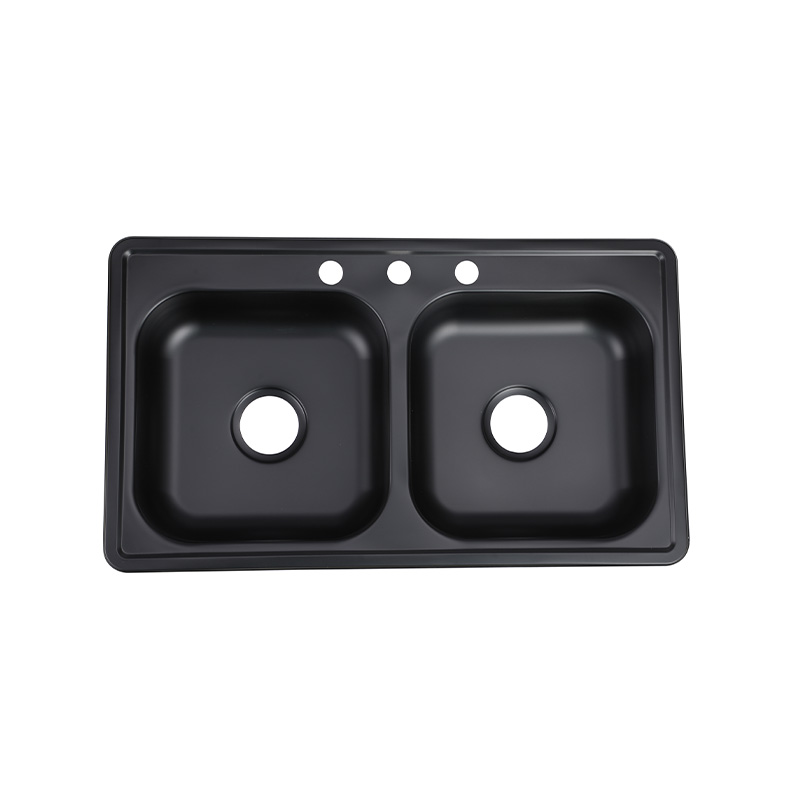
Welcome to the epitome of modern kitchen elegance and functionality with our new 33" x 19" Double Bowl Black Color Sink. This stunning sink, featuring advanced PVD (Physical Vapor Deposition) coating,...
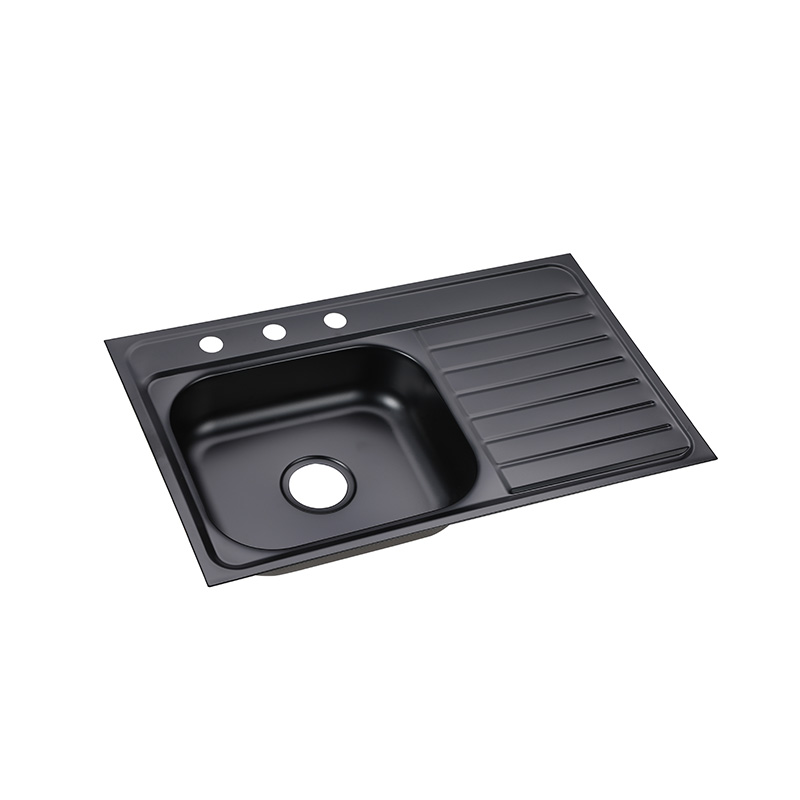
Welcome to our collection of premium PVD sinks, where functionality meets style. Among our diverse range of kitchen fixtures, the 800*500mm Left Bowl with Right Tray Sink in Black stands out as a test...
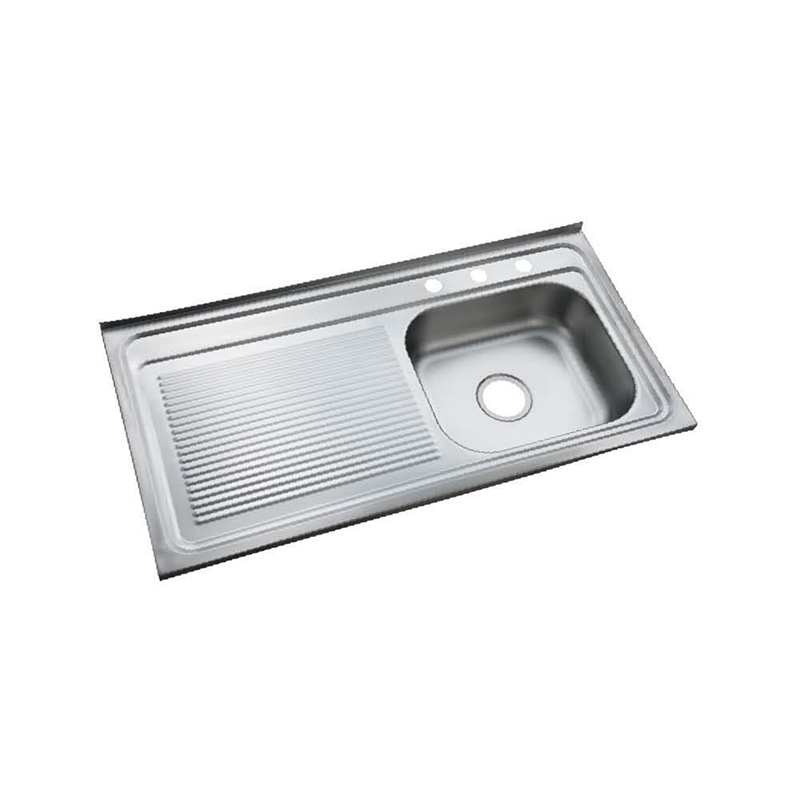
The XAL10050ERG 1000*500 mm right bowl with left tray sink in GREY color is a modern, versatile addition to any kitchen. This sink combines functionality with a sleek design, offering a practical solu...
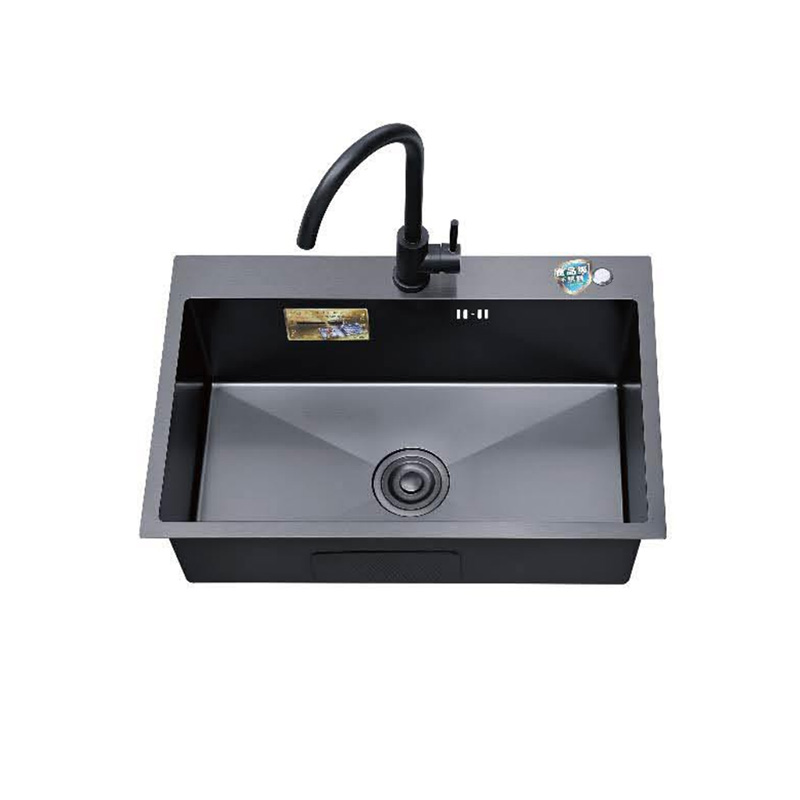
In the realm of kitchen fixtures, the single bowl handmade sink stands as a testament to the fusion of craftsmanship and functionality. Crafted with precision and care, each sink exudes a unique charm...
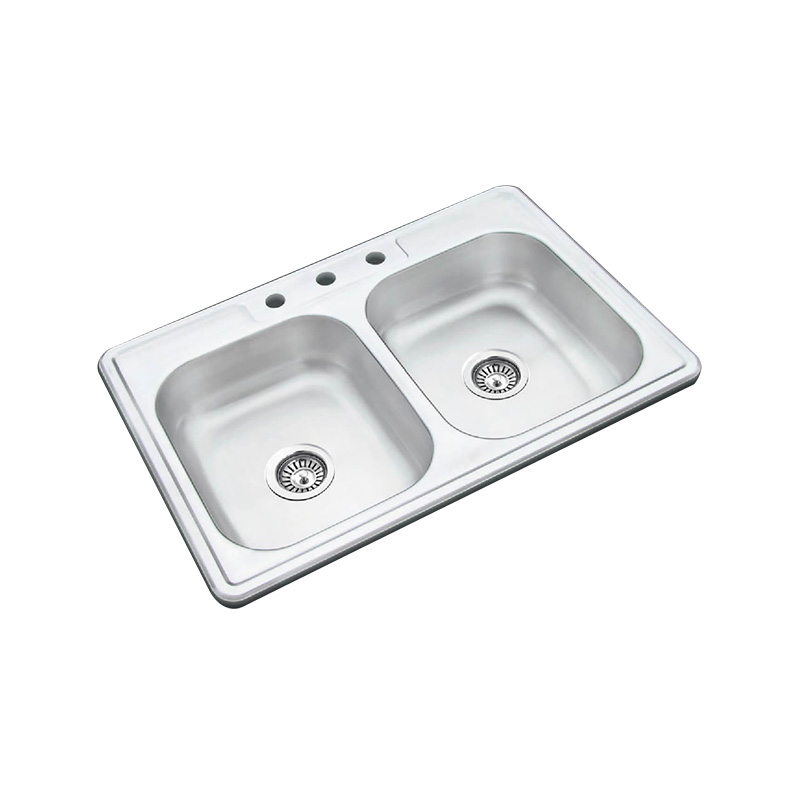
In the realm of kitchen essentials, versatility and efficiency are important. Our 3333"* 22" double bowl sink combines functionality and durability and is designed to enhance your kitchen experience. ...
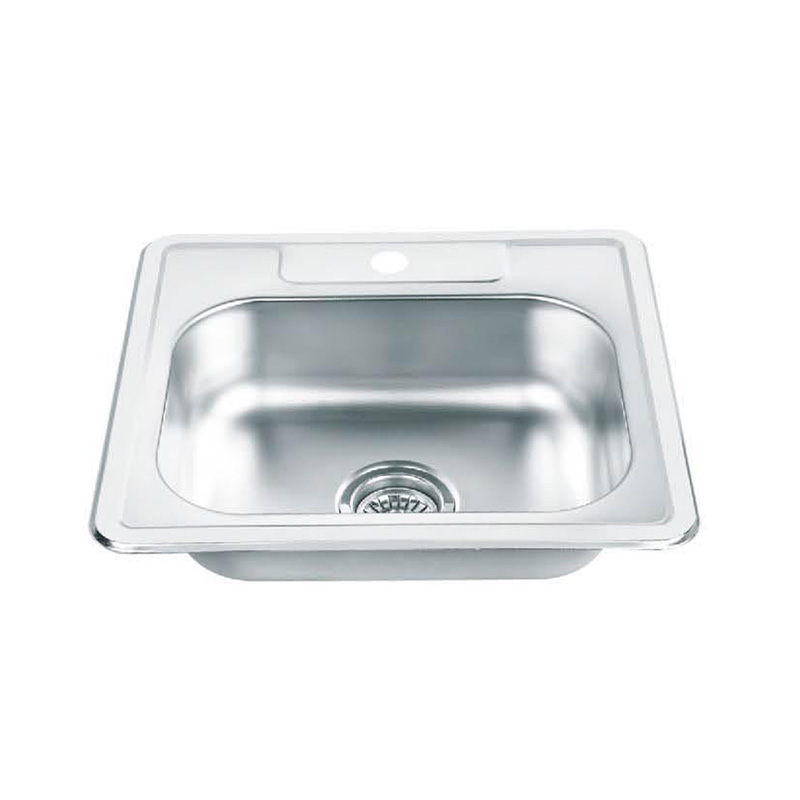
Welcome to our product showcase for the 20"*19" single bowl sink, a blend of practicality and elegance designed to meet the diverse needs of modern kitchens. This compact and efficient sink is tailore...
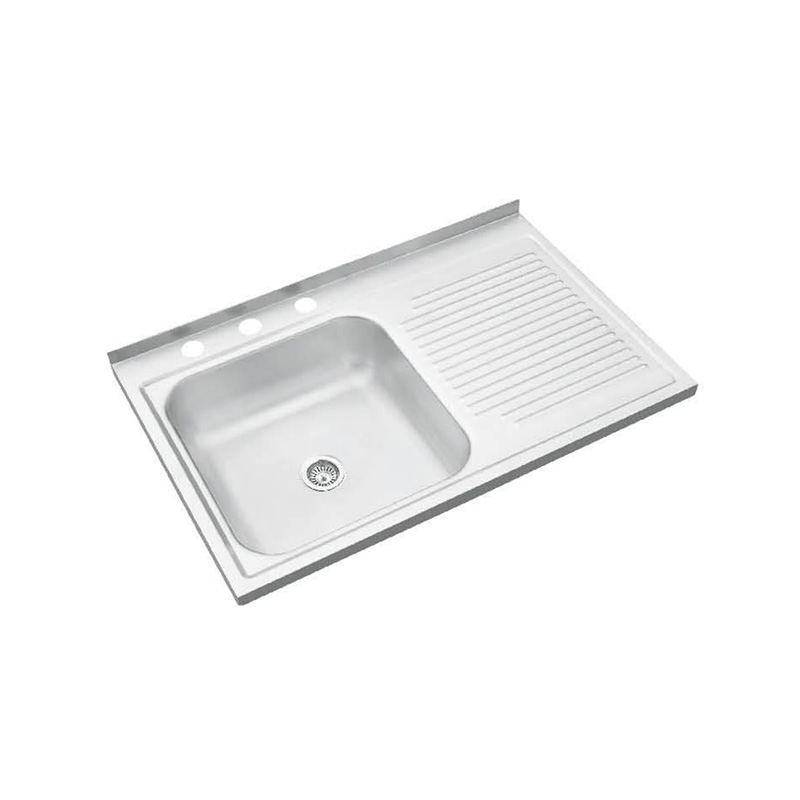
In the realm of kitchen fixtures, versatility and efficiency are important. Our 800*500 mm Left Bowl with Right Tray Sink offers a seamless blend of functionality and convenience, tailored to suit var...
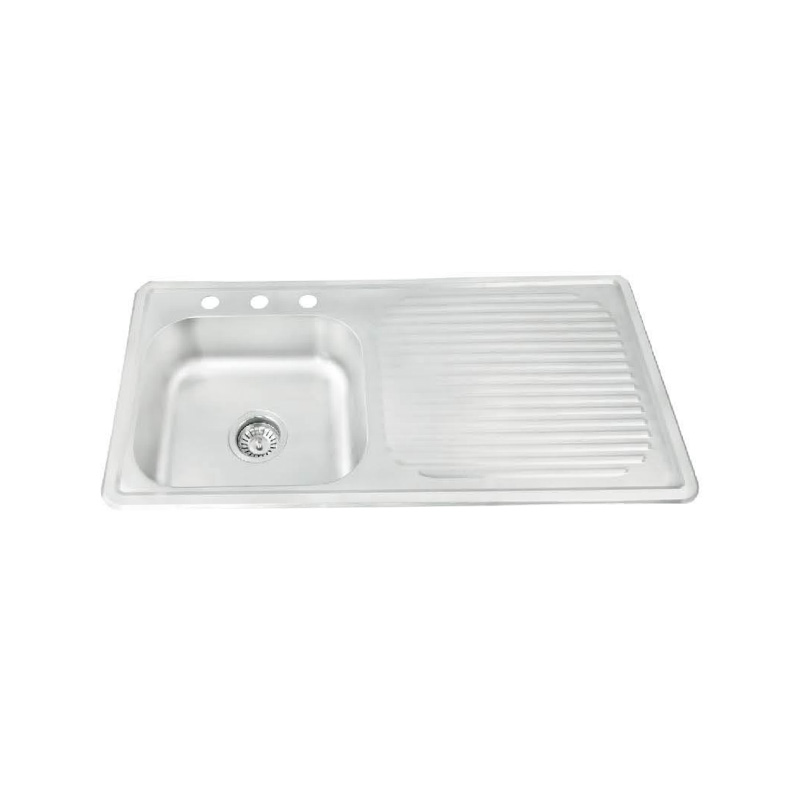
The 1000*500 mm left bowl with right tray sink is a good choice for modern kitchens requiring both style and functionality. This versatile sink is designed to handle the demands of a busy kitchen whil...
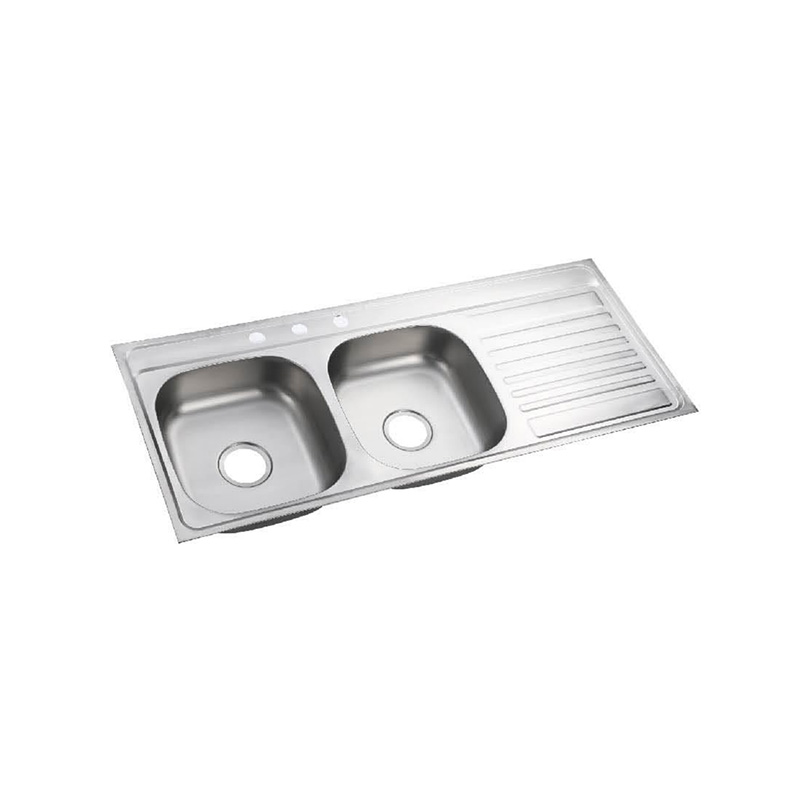
Introducing the 1200*500 mm left double bowl with right tray sink, a versatile solution for modern kitchens seeking enhanced functionality and convenience. This meticulously crafted sink combines the ...
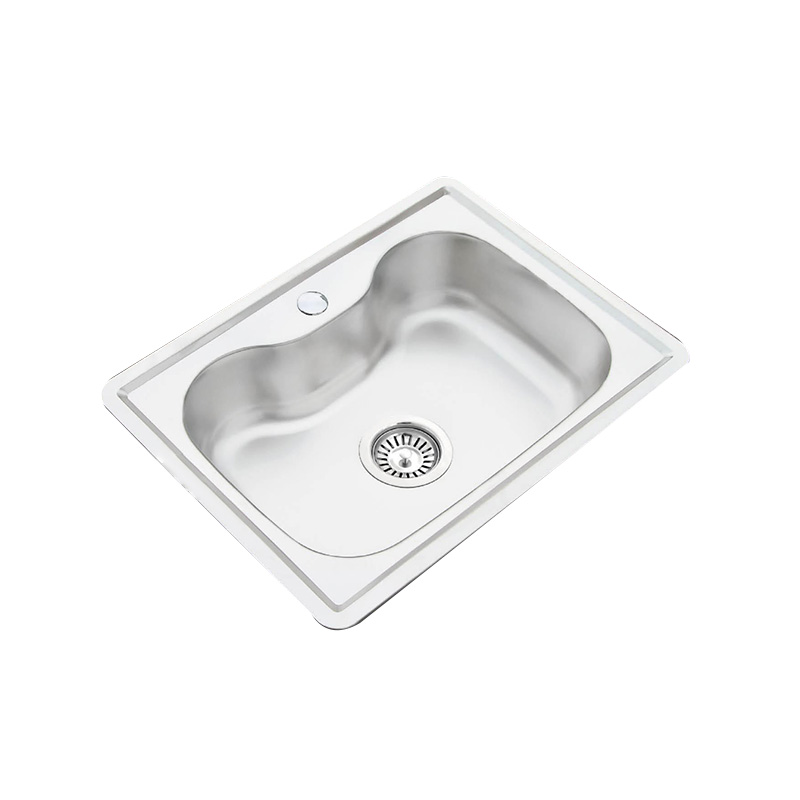
In the evolving world of kitchen design, the need for compact, efficient, and durable solutions has never been greater. Our 600*420 mm single bowl sink addresses these needs suitablely, combining spac...
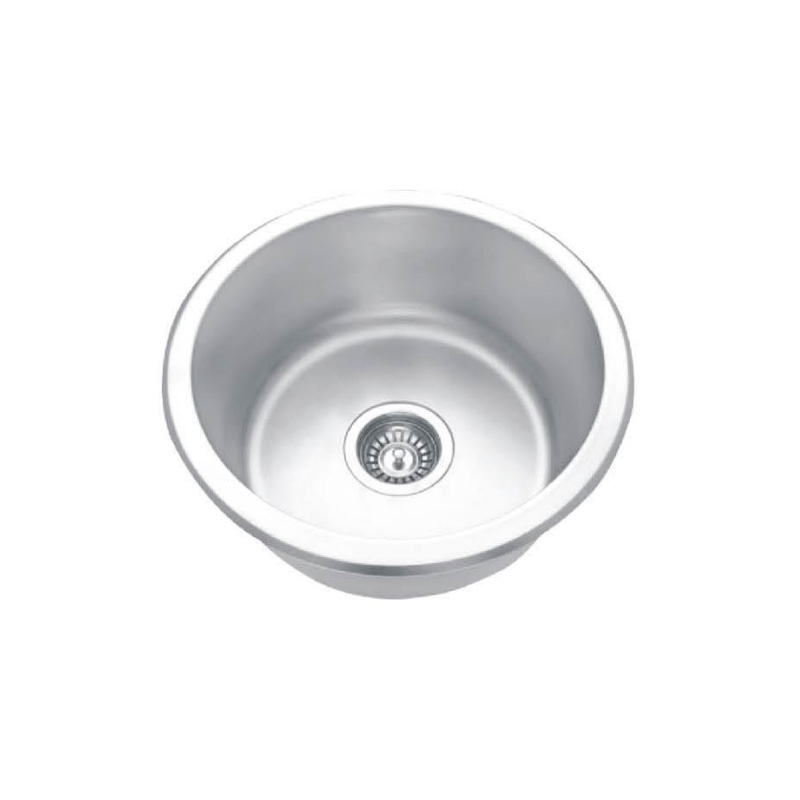
In the realm of functional kitchen fixtures, the sink reigns as a pivotal element. Enter our 420*420 mm round single bowl sink, a combination of utility and elegance that redefines kitchen essentials....

TaiZhou RunHeng Sanitary Ware Co., Ltd is an export-oriented enterprise integrating R&D, production and sales of stainless steel kitchen sink.
Copyright © 2024 TaiZhou RunHeng Sanitary Ware Co., Ltd. All Rights Reserved.
Commercial Undermount Kitchen Sinks Factory