English
 Español
 عربى
عربىProduct Consultation
Your email address will not be published. Required fields are marked *
A durable home is built from decisions that prioritize longevity, often starting with components that see daily use. The kitchen sink, a focal point of activity, plays a significant role in this equation. The methods and standards applied within a kitchen sink factory directly influence the long-term performance and resilience of the final machine-made sink installed in your home. Understanding these processes offers insight into how modern manufacturing contributes directly to a home's sustained functionality and value.
The journey toward durability begins with how a sink is formed. In a contemporary kitchen sink factory, computer-controlled machinery is used to cut, press, and shape materials. This high level of precision ensures consistent thickness, uniform bowl depths, and accurate dimensions for the sink flange and undermount surfaces. For homeowners, this translates to a product that fits cabinetry correctly from the start, preventing stress points and gaps that can cause installation problems or water damage over time. The structural integrity achieved through controlled forming means the sink can better handle the weight of heavy pots, dropped utensils, and daily use without compromising its shape, contributing directly to the longevity of the kitchen workspace.
A common point of weakness in any fixture is where pieces are joined. Factory processes address this through automated welding and sealing techniques. For stainless steel models, robotic welding creates consistent, clean seams that are less prone to corrosion and leakage compared to irregular manual welds. For composite or fireclay sinks, controlled molding processes can create seamless bowl designs that eliminate joints where bacteria can grow and cracks can start. The controlled environment of a kitchen sink factory allows for these joining methods to be executed under strict parameters, resulting in a unified structure that supports durable, hygienic use for many years.
Durability is not just about strength but also about resistance to wear. Factory processes include specific material treatments that enhance these properties. For instance, many stainless steel sinks undergo a process called "passivation" after forming, which removes free iron particles from the surface, strengthening its natural resistance to rust. The precise alloy composition used by a factory can also be calibrated to improve resistance to dents and scratches. The finish applied, whether a subtle brush or a polished look, is often sealed or treated to better resist fingerprints and water spots, making the sink easier to maintain and helping it retain its appearance as part of a durable home environment.
A key way a kitchen sink factory enhances durability is through systematic quality control. This involves checking for defects at multiple stages: material inspection, mid-process measurements, and final testing. Procedures might include leak tests, checks for surface imperfections, and verifying drain hole alignment. This systematic approach filters out products with potential weaknesses before they leave the factory. For the homeowner, this means a reduced likelihood of encountering flaws that could shorten the sink's service life, providing greater confidence in the product's day-to-day and long-term reliability.
Factory design processes consider how a sink interacts with other kitchen elements. The engineering of sound-dampening pads applied to the underside, the strategic reinforcement of basins, and the design of drainage slopes are all calculated during development. A well-designed machine-made sink will effectively reduce noise from water impact and disposal use, a factor in long-term user satisfaction. Furthermore, proper drainage slope design, built into the mold or form, helps prevent standing water and accelerates drying, contributing to a more hygienic and maintenance-friendly surface over the life of the product.
The processes within a kitchen sink factory are fundamentally connected to creating a product that supports a durable home. From the initial cut of material to the final inspection, each step is oriented toward building consistency, structural soundness, and resilient finishes. When a machine-made sink arrives for installation, it carries with it the benefits of these controlled procedures—benefits that manifest in a fixture that fits well, performs consistently, and maintains its function through years of household activity. This approach to manufacturing ultimately provides a practical foundation for the enduring quality of a home's kitchen, where daily routines and long-term value intersect.
What Materials in Kitchen Sink Factory Production Boost Longevity?
How Does Nano Black Kitchen Sink Resist Visible Scratches?
Your email address will not be published. Required fields are marked *

Introducing our 19" x 19" single bowl black color sink, a stellar addition to our PVD sink collection. Designed with both aesthetics and functionality in mind, this sink is suitable for modern kitchen...
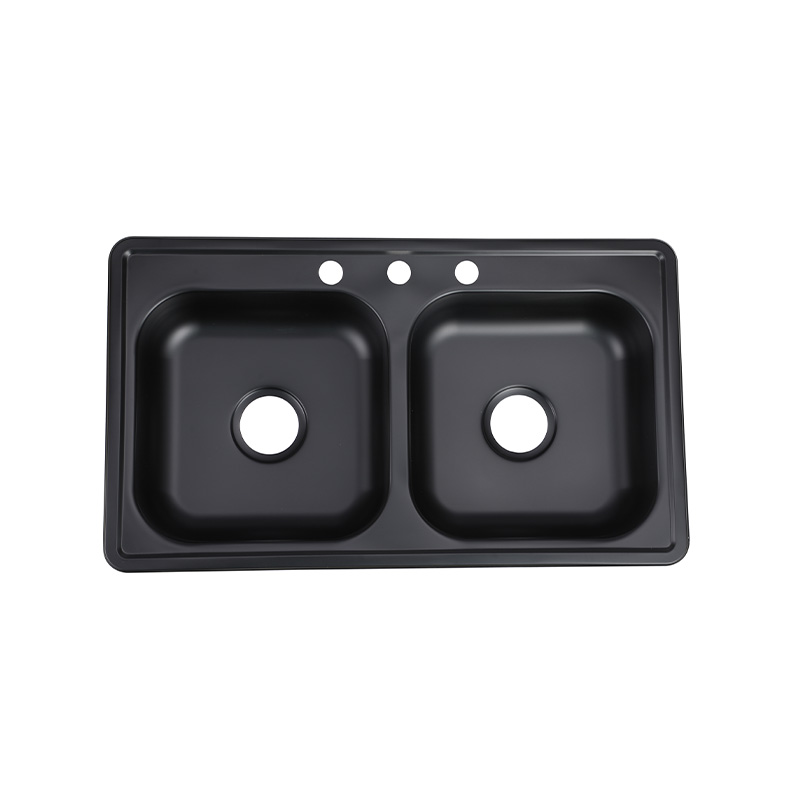
Welcome to the epitome of modern kitchen elegance and functionality with our new 33" x 19" Double Bowl Black Color Sink. This stunning sink, featuring advanced PVD (Physical Vapor Deposition) coating,...
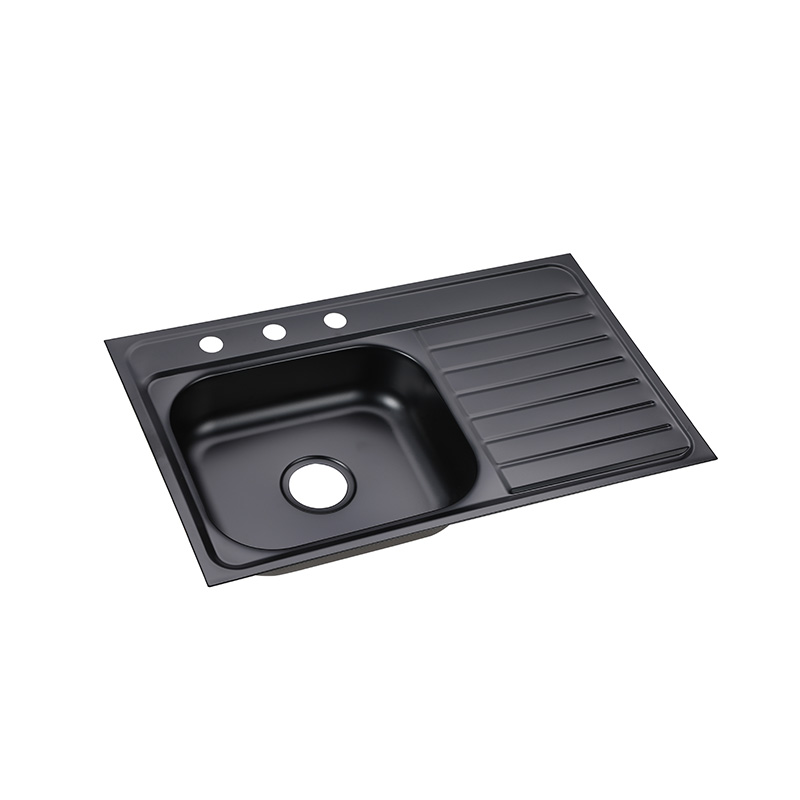
Welcome to our collection of premium PVD sinks, where functionality meets style. Among our diverse range of kitchen fixtures, the 800*500mm Left Bowl with Right Tray Sink in Black stands out as a test...
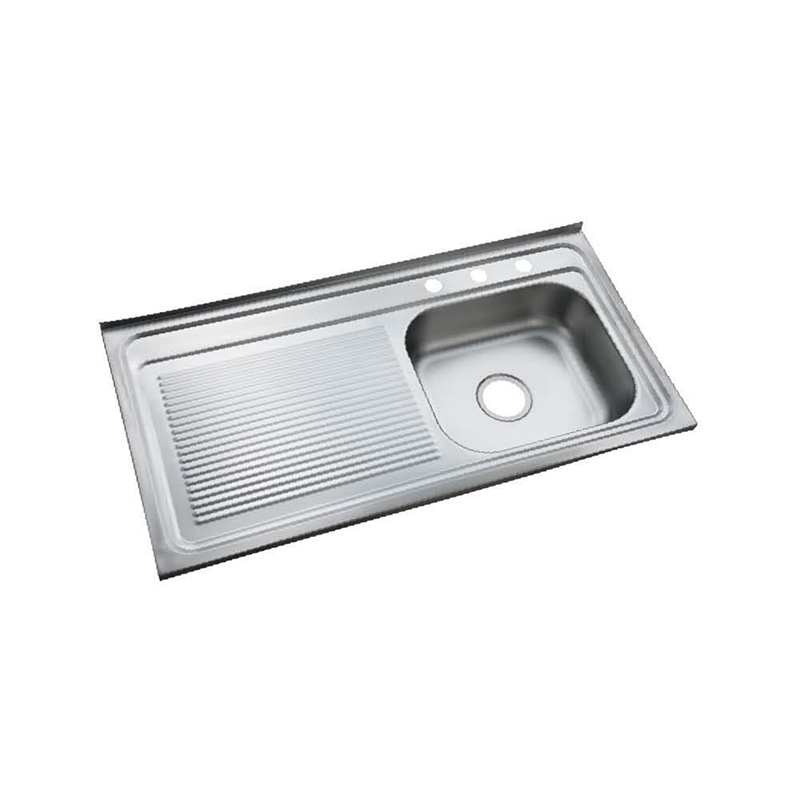
The XAL10050ERG 1000*500 mm right bowl with left tray sink in GREY color is a modern, versatile addition to any kitchen. This sink combines functionality with a sleek design, offering a practical solu...
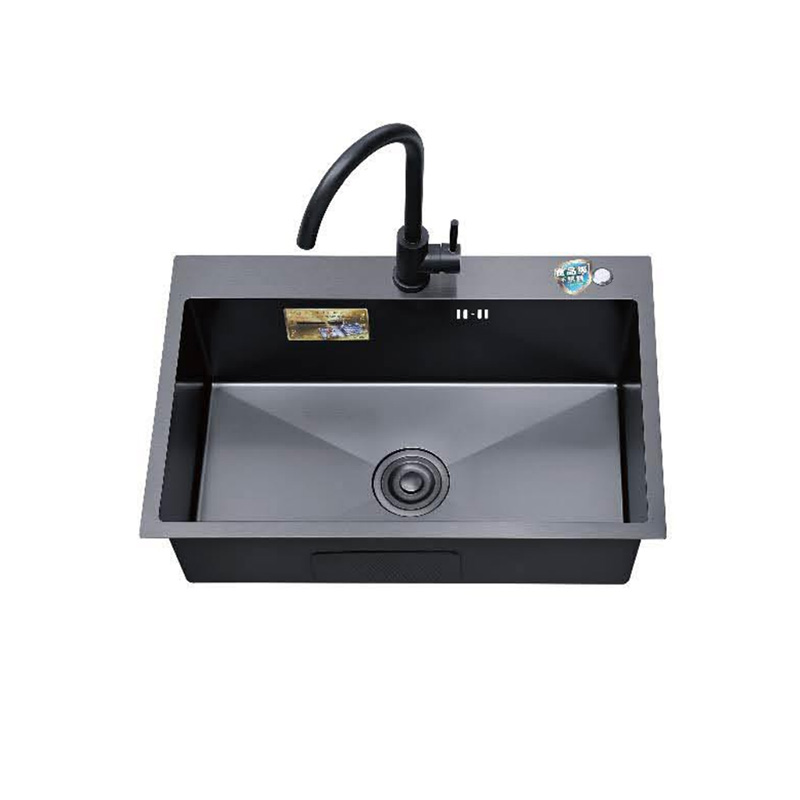
In the realm of kitchen fixtures, the single bowl handmade sink stands as a testament to the fusion of craftsmanship and functionality. Crafted with precision and care, each sink exudes a unique charm...
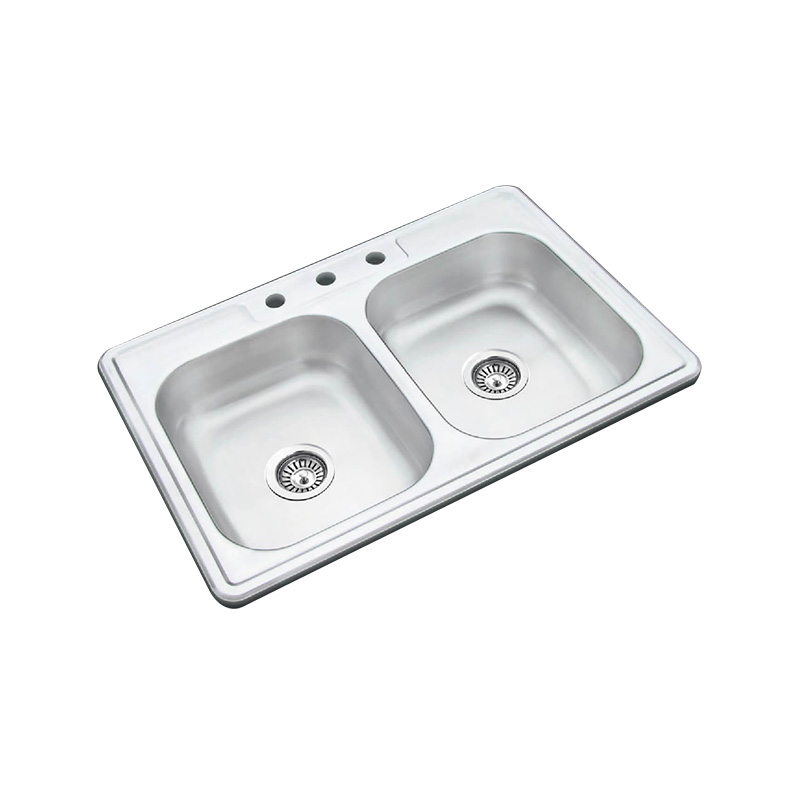
In the realm of kitchen essentials, versatility and efficiency are important. Our 3333"* 22" double bowl sink combines functionality and durability and is designed to enhance your kitchen experience. ...
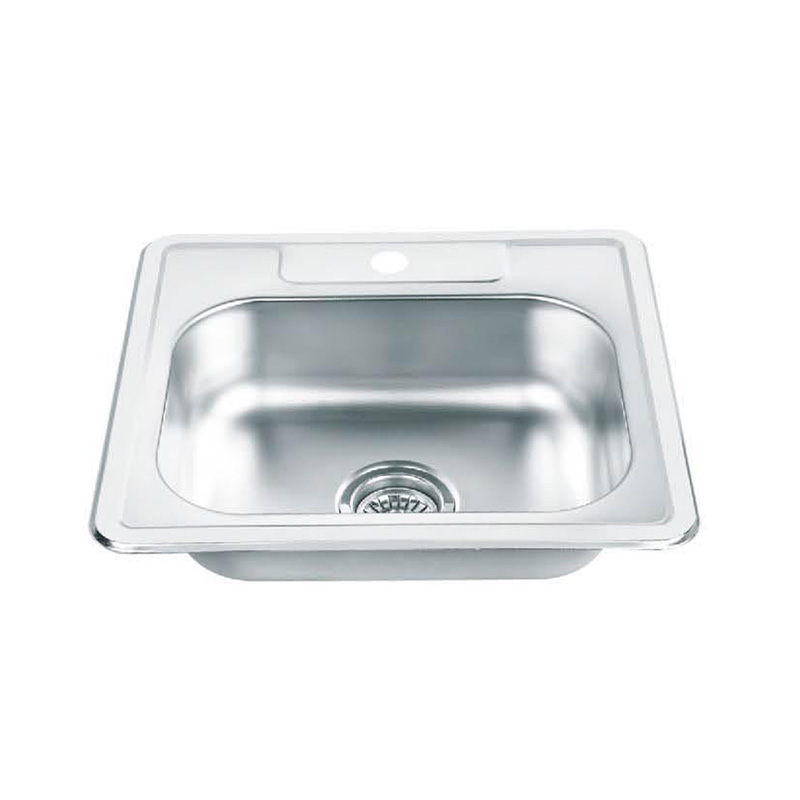
Welcome to our product showcase for the 20"*19" single bowl sink, a blend of practicality and elegance designed to meet the diverse needs of modern kitchens. This compact and efficient sink is tailore...
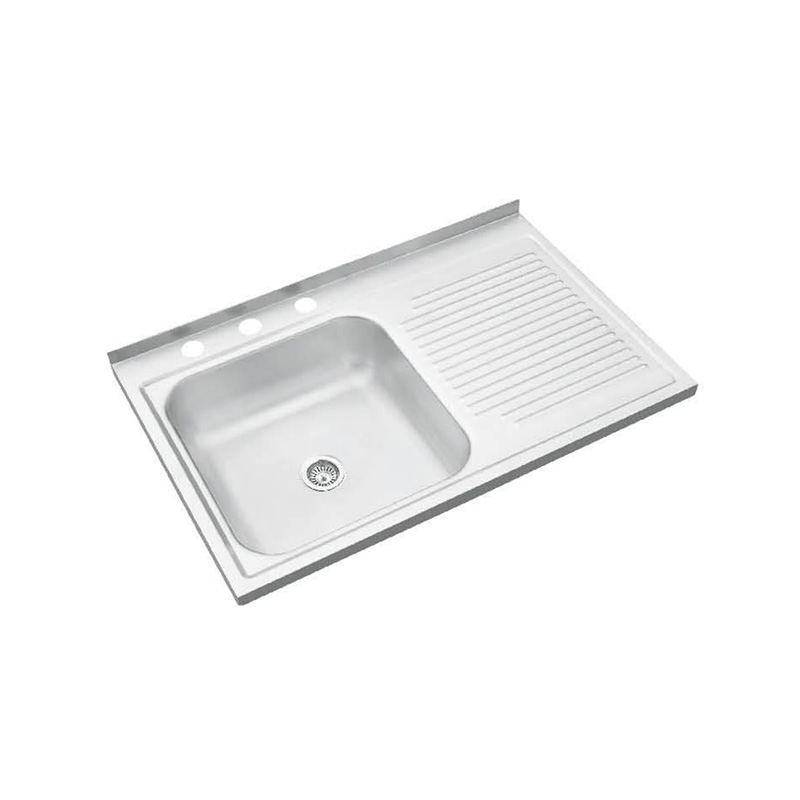
In the realm of kitchen fixtures, versatility and efficiency are important. Our 800*500 mm Left Bowl with Right Tray Sink offers a seamless blend of functionality and convenience, tailored to suit var...
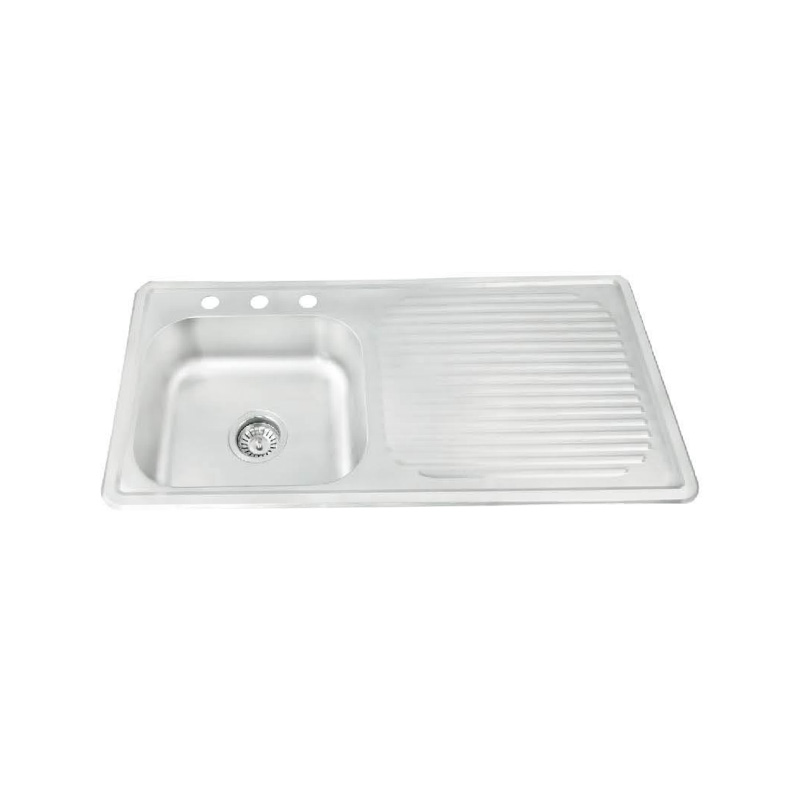
The 1000*500 mm left bowl with right tray sink is a good choice for modern kitchens requiring both style and functionality. This versatile sink is designed to handle the demands of a busy kitchen whil...
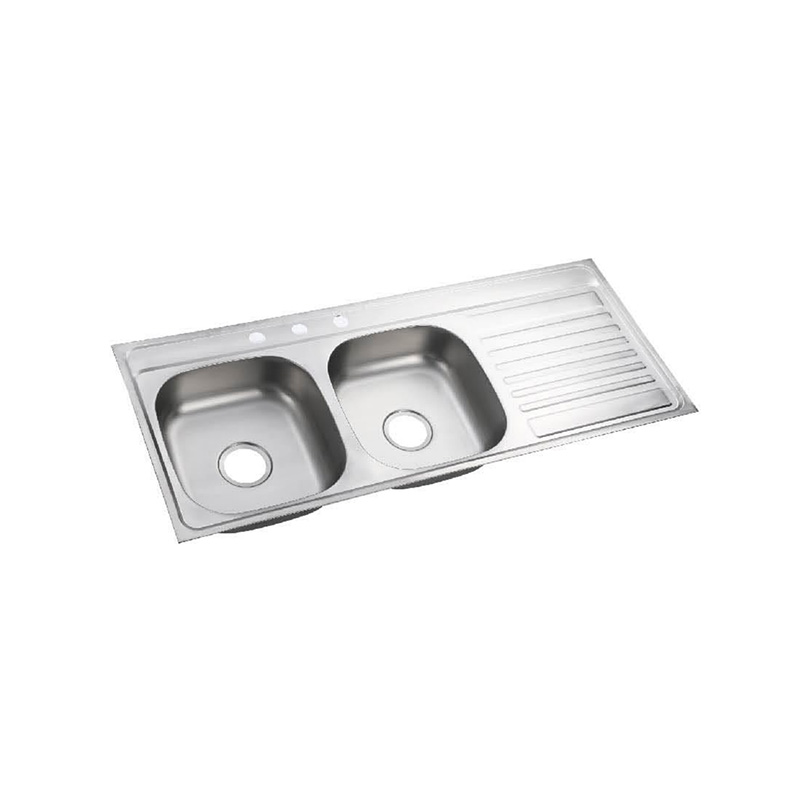
Introducing the 1200*500 mm left double bowl with right tray sink, a versatile solution for modern kitchens seeking enhanced functionality and convenience. This meticulously crafted sink combines the ...
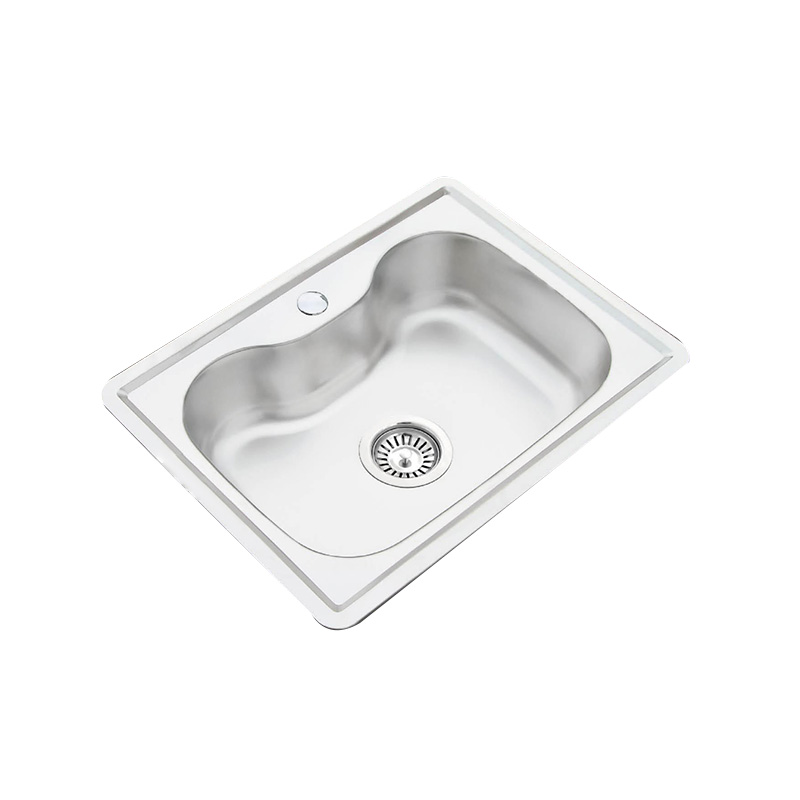
In the evolving world of kitchen design, the need for compact, efficient, and durable solutions has never been greater. Our 600*420 mm single bowl sink addresses these needs suitablely, combining spac...
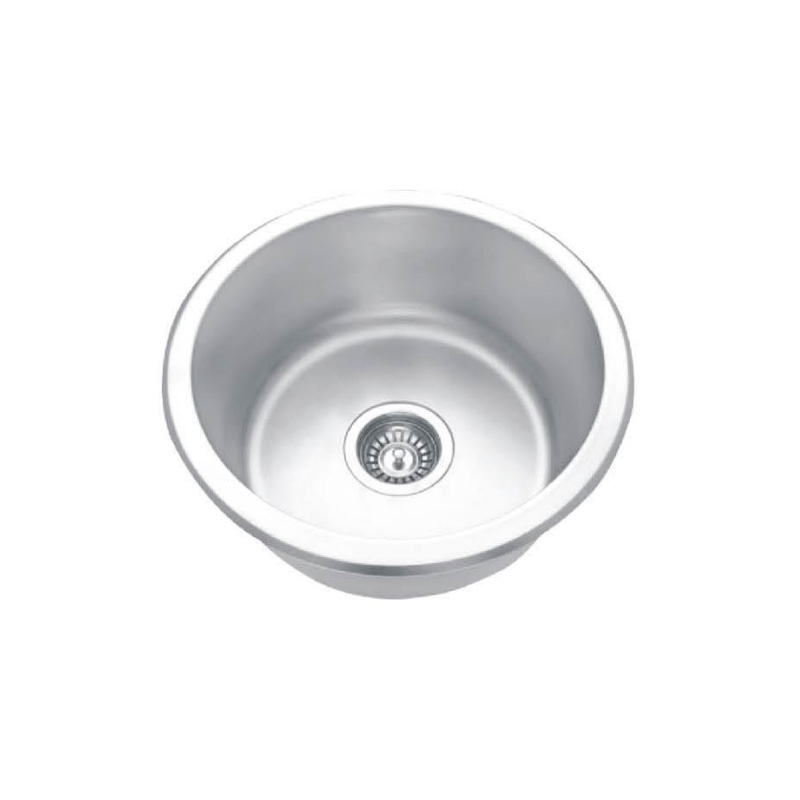
In the realm of functional kitchen fixtures, the sink reigns as a pivotal element. Enter our 420*420 mm round single bowl sink, a combination of utility and elegance that redefines kitchen essentials....

TaiZhou RunHeng Sanitary Ware Co., Ltd is an export-oriented enterprise integrating R&D, production and sales of stainless steel kitchen sink.
Copyright © 2024 TaiZhou RunHeng Sanitary Ware Co., Ltd. All Rights Reserved.
Commercial Undermount Kitchen Sinks Factory