English
 Español
 عربى
عربىProduct Consultation
Your email address will not be published. Required fields are marked *
Compact kitchen environments often require thoughtful material and structural choices, especially when selecting an undermount sink that balances durability with visual consistency. A nano black kitchen sink, particularly in a 470×350 mm undercounter configuration, demonstrates how modern surface treatments and engineering approaches can reduce the visibility of scratches while maintaining daily usability. This is especially relevant in apartments, office pantries, and studio kitchens, where the sink is frequently used for washing cookware, utensils, and food ingredients. Understanding how nano coatings function and how design factors contribute to scratch resistance can help users make informed decisions and extend the service life of their sink.

The term “nano black” refers to a surface treatment process that applies a microscopic protective layer to stainless steel. Unlike untreated metal surfaces, nano-treated finishes contain extremely fine particles that create a more uniform and dense outer layer. This layer helps reduce friction between the sink surface and external objects such as metal utensils, ceramic dishes, and cookware.
When objects move across the surface, scratches can occur due to friction and pressure. However, the nano-textured coating distributes contact forces more evenly. Instead of forming sharp and highly visible lines, any minor surface marks tend to blend into the finish. This effect is particularly useful in compact sinks, where washing activities often occur in a concentrated area.
Another important aspect is light reflection. Traditional polished stainless steel reflects light strongly, making even small scratches easy to notice. Nano black finishes use a matte or satin texture that diffuses light rather than reflecting it directly. As a result, surface imperfections are less visible under typical kitchen lighting conditions.
Surface coating alone does not determine durability. The underlying structure of the sink also contributes significantly to how it withstands everyday use. A compact 470×350 mm undercounter sink benefits from carefully engineered geometry and material thickness, which helps maintain structural integrity during repeated washing tasks.
The basin’s depth and shape reduce the likelihood of cookware hitting the surface with excessive force. When items are lowered into a deeper basin, impact energy is distributed across a wider area instead of concentrating on a single point. This reduces the formation of deep scratches or dents.
Undermount installation further supports durability because the sink is secured beneath the countertop, providing additional structural stability. Unlike top-mounted sinks, which expose the rim to direct contact, undermount models reduce the number of exposed edges that can accumulate wear over time. This installation method also allows users to slide dishes from the countertop into the basin without catching on raised edges, reducing friction-related damage.
Nano black kitchen sinks are typically manufactured from stainless steel, a material known for its balance of strength and corrosion resistance. Stainless steel contains chromium, which forms a passive protective layer when exposed to oxygen. This layer helps protect the metal from environmental damage such as moisture exposure and cleaning agents.
The nano coating works in combination with this natural protective layer. While the chromium oxide layer protects against corrosion, the nano finish helps address mechanical wear caused by physical contact. Together, these layers contribute to maintaining the sink’s appearance over time.
In compact sinks used in apartments or office settings, the frequency of use may vary, but daily contact with utensils, mugs, and cleaning tools is common. The nano-treated surface helps maintain a consistent appearance despite repeated contact, reducing the need for frequent refinishing or replacement.
Even with advanced coatings, proper maintenance plays a key role in preserving the appearance of a nano black sink. Users can adopt simple practices that support long-term performance.
These habits help maintain the integrity of the nano coating and reduce unnecessary surface wear. Over time, consistent care supports both appearance and functionality.
A smaller sink such as the 470×350 mm model concentrates washing activity within a defined area. This can be beneficial because the nano coating is designed to handle regular contact in these zones. The controlled dimensions encourage more deliberate movement of utensils and cookware, which helps reduce accidental impacts.
In addition, the ergonomic depth helps prevent splashing while providing enough clearance for washing common kitchen items. Reduced splashing also helps maintain surface cleanliness, preventing the buildup of residue that could contribute to surface abrasion during cleaning.
For apartment kitchens and studio environments, this balance between compact size and functional depth supports efficient use without increasing surface wear.
How Can Kitchen Sink Factory Processes Enhance Home Durability?
Why Choose Nano Black Kitchen Sink for Busy Homes?
Your email address will not be published. Required fields are marked *

Introducing our 19" x 19" single bowl black color sink, a stellar addition to our PVD sink collection. Designed with both aesthetics and functionality in mind, this sink is suitable for modern kitchen...
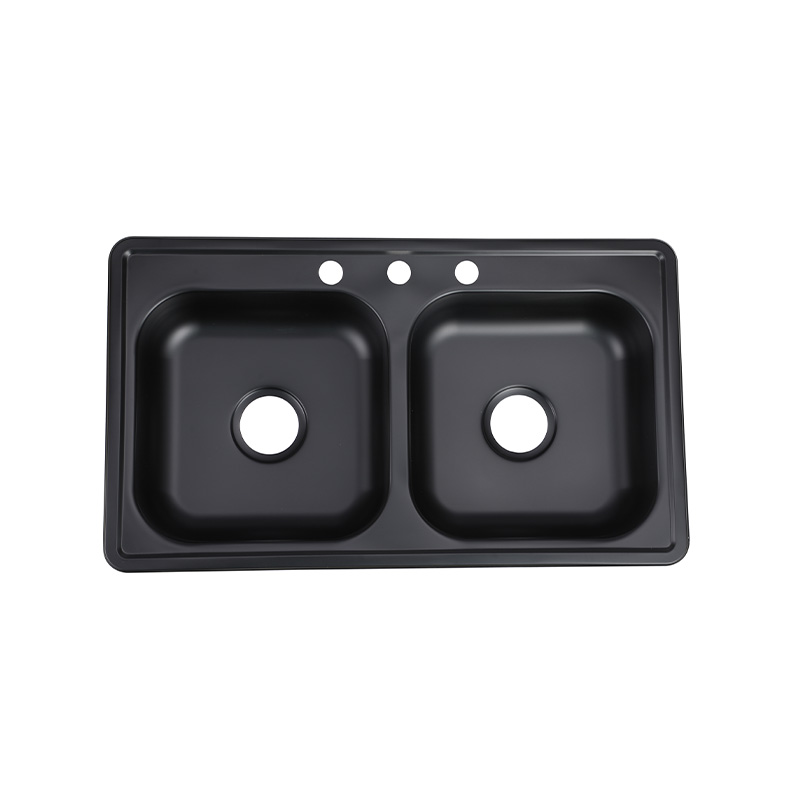
Welcome to the epitome of modern kitchen elegance and functionality with our new 33" x 19" Double Bowl Black Color Sink. This stunning sink, featuring advanced PVD (Physical Vapor Deposition) coating,...
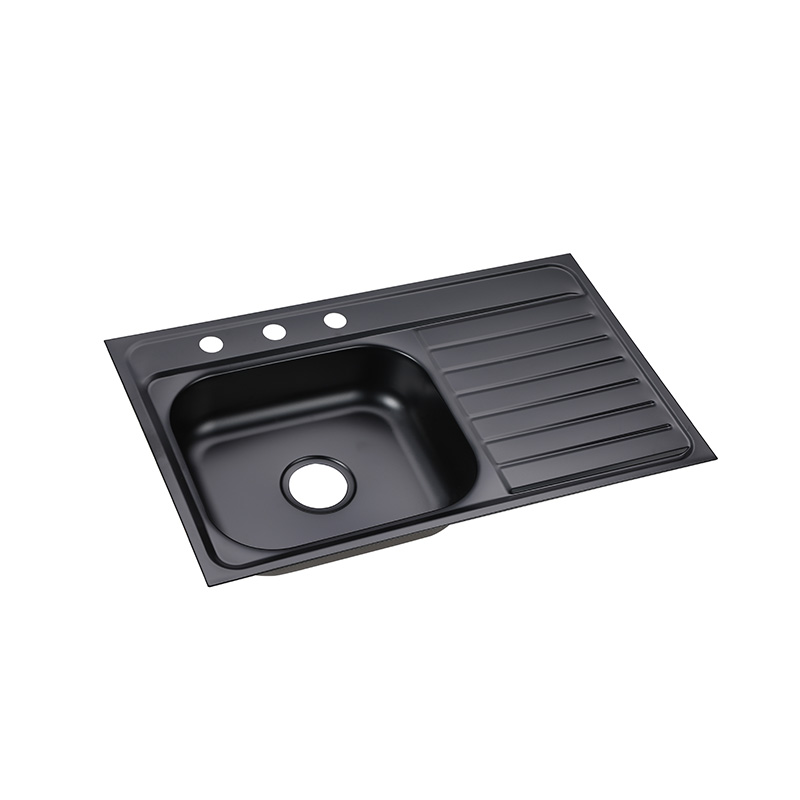
Welcome to our collection of premium PVD sinks, where functionality meets style. Among our diverse range of kitchen fixtures, the 800*500mm Left Bowl with Right Tray Sink in Black stands out as a test...
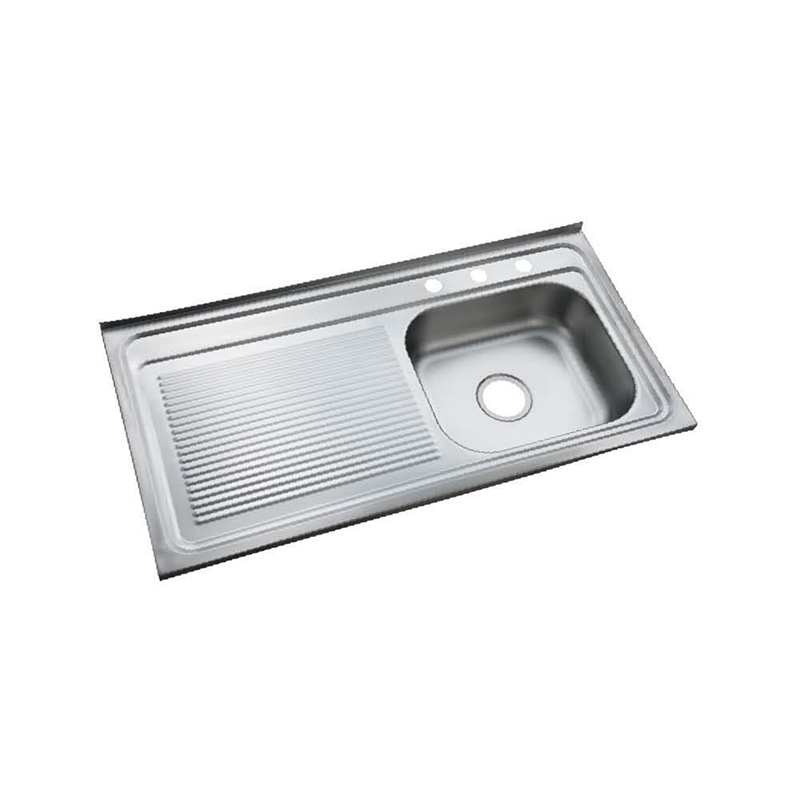
The XAL10050ERG 1000*500 mm right bowl with left tray sink in GREY color is a modern, versatile addition to any kitchen. This sink combines functionality with a sleek design, offering a practical solu...
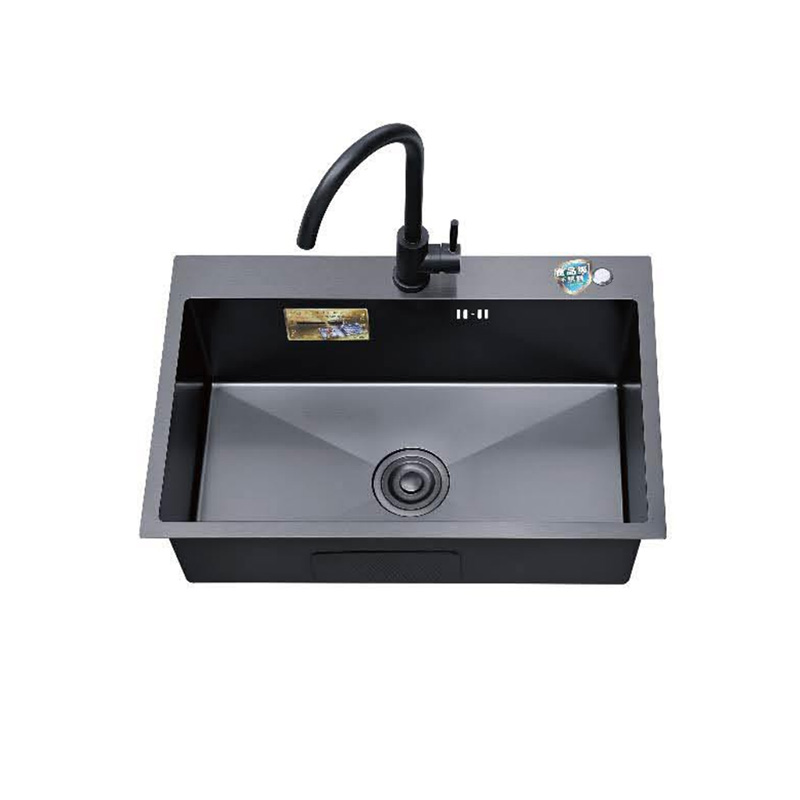
In the realm of kitchen fixtures, the single bowl handmade sink stands as a testament to the fusion of craftsmanship and functionality. Crafted with precision and care, each sink exudes a unique charm...
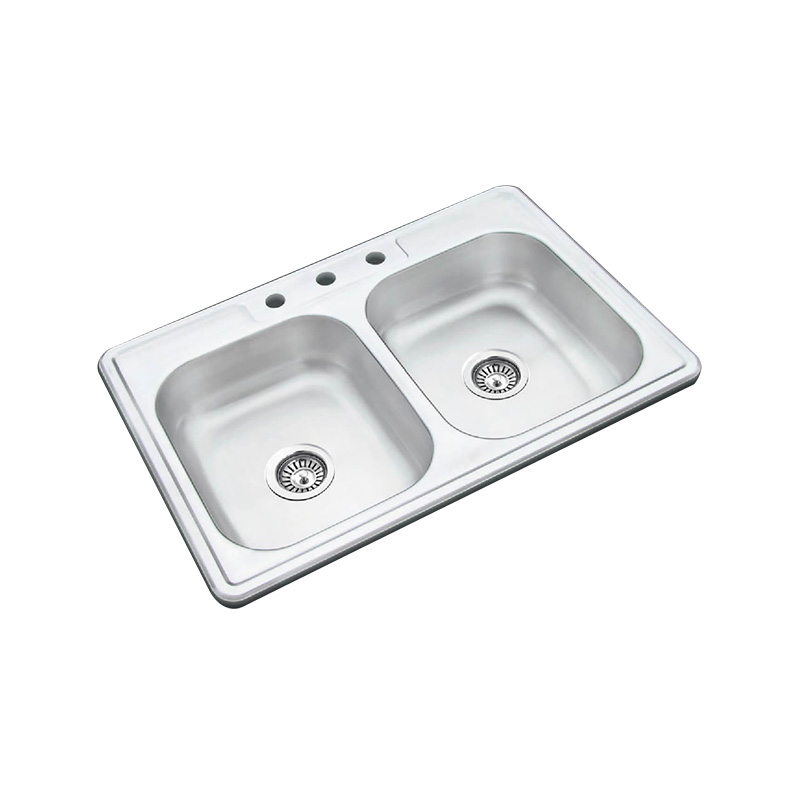
In the realm of kitchen essentials, versatility and efficiency are important. Our 3333"* 22" double bowl sink combines functionality and durability and is designed to enhance your kitchen experience. ...
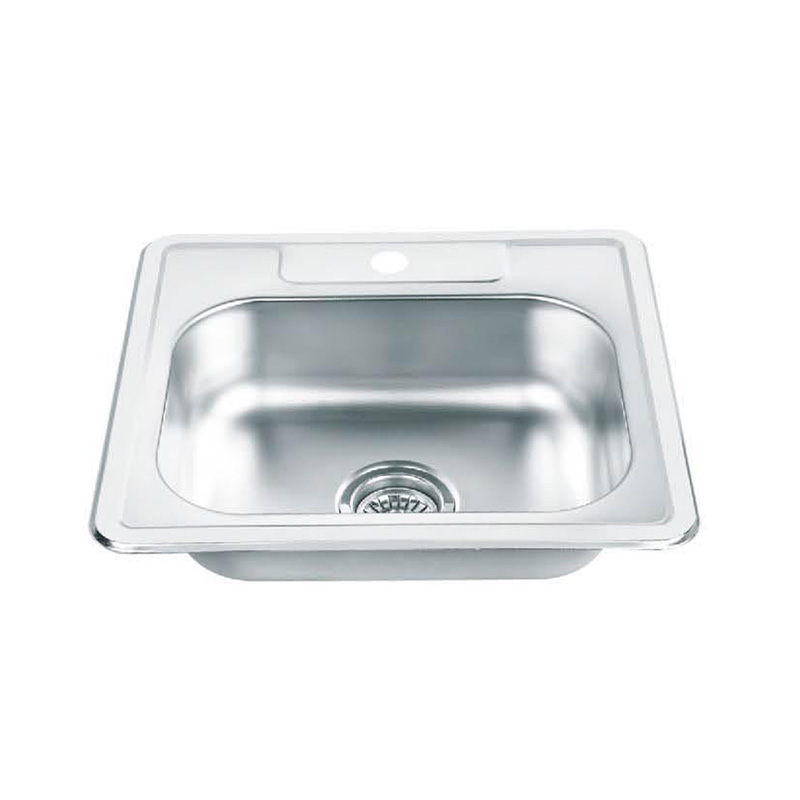
Welcome to our product showcase for the 20"*19" single bowl sink, a blend of practicality and elegance designed to meet the diverse needs of modern kitchens. This compact and efficient sink is tailore...
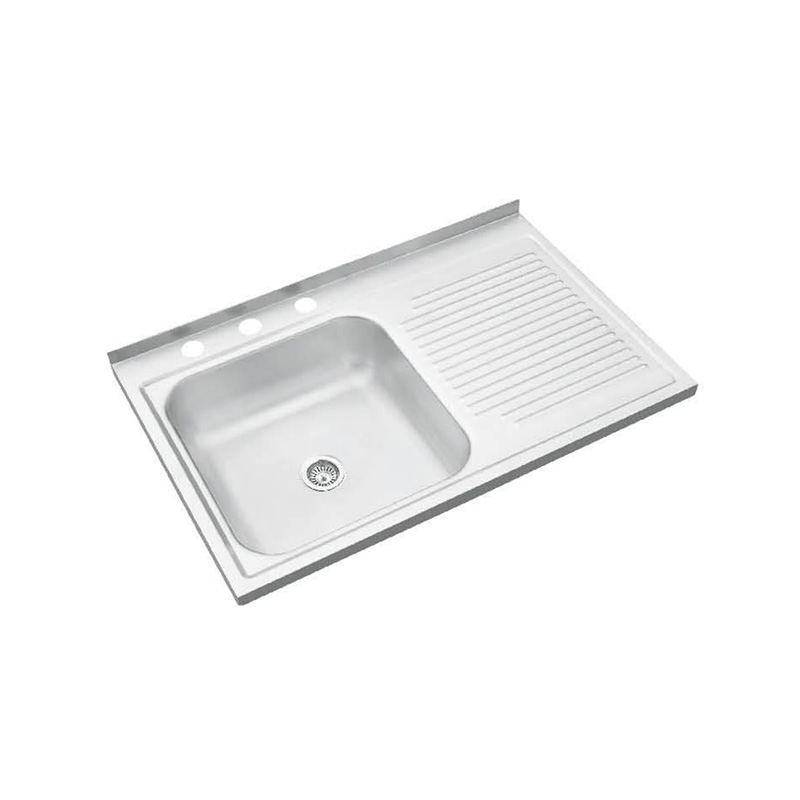
In the realm of kitchen fixtures, versatility and efficiency are important. Our 800*500 mm Left Bowl with Right Tray Sink offers a seamless blend of functionality and convenience, tailored to suit var...
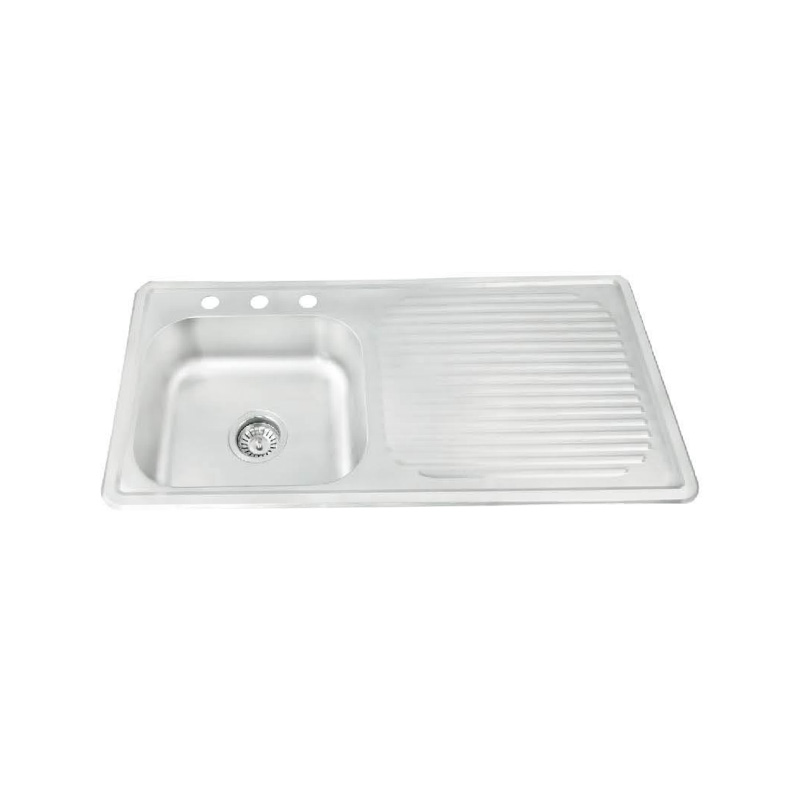
The 1000*500 mm left bowl with right tray sink is a good choice for modern kitchens requiring both style and functionality. This versatile sink is designed to handle the demands of a busy kitchen whil...
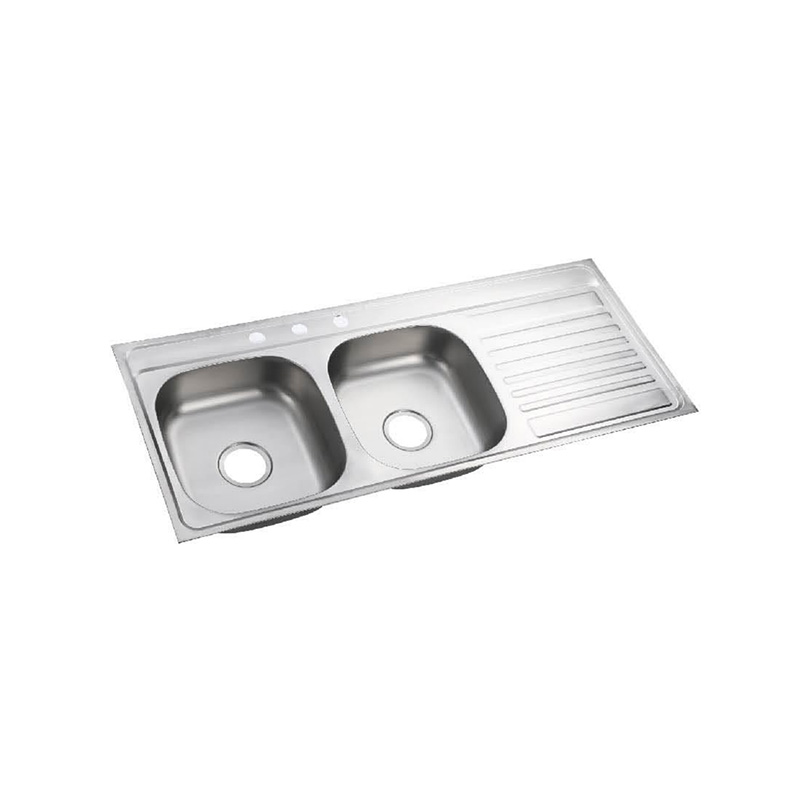
Introducing the 1200*500 mm left double bowl with right tray sink, a versatile solution for modern kitchens seeking enhanced functionality and convenience. This meticulously crafted sink combines the ...
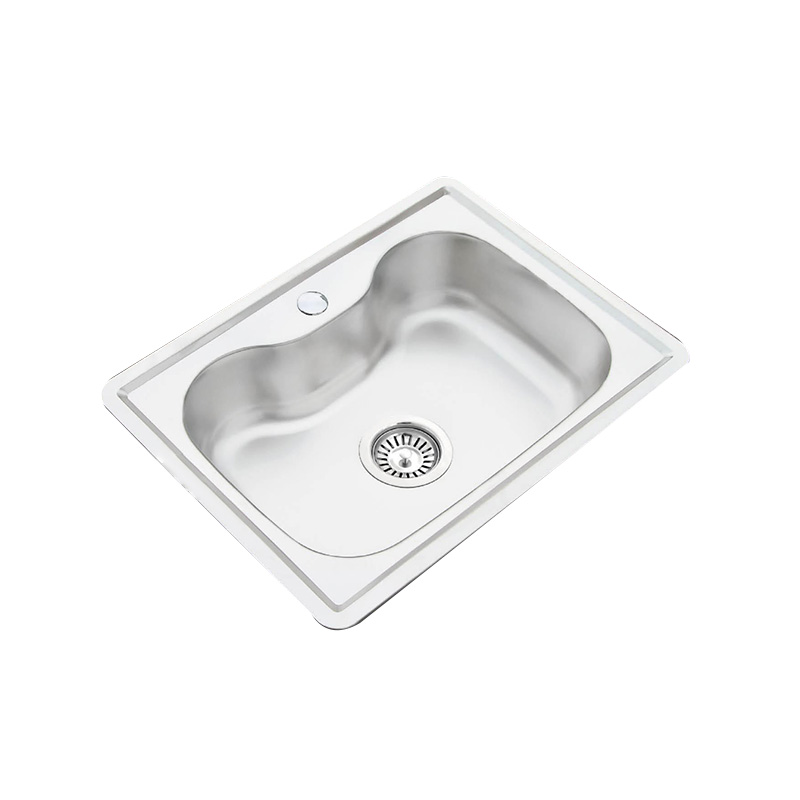
In the evolving world of kitchen design, the need for compact, efficient, and durable solutions has never been greater. Our 600*420 mm single bowl sink addresses these needs suitablely, combining spac...
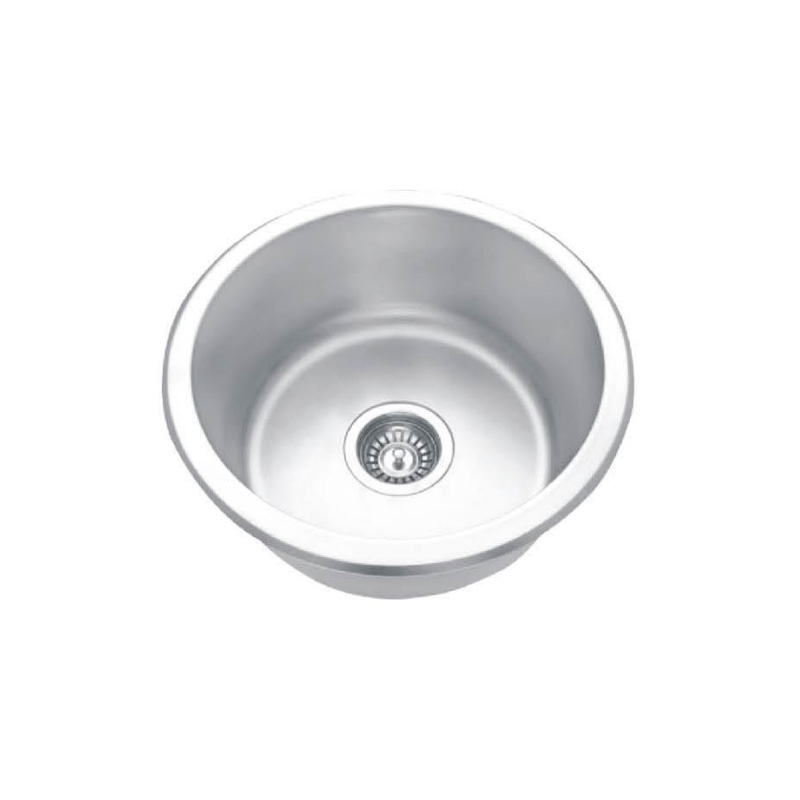
In the realm of functional kitchen fixtures, the sink reigns as a pivotal element. Enter our 420*420 mm round single bowl sink, a combination of utility and elegance that redefines kitchen essentials....

TaiZhou RunHeng Sanitary Ware Co., Ltd is an export-oriented enterprise integrating R&D, production and sales of stainless steel kitchen sink.
Copyright © 2024 TaiZhou RunHeng Sanitary Ware Co., Ltd. All Rights Reserved.
Commercial Undermount Kitchen Sinks Factory