English
 Español
 عربى
عربىProduct Consultation
Your email address will not be published. Required fields are marked *
Homeowners and designers frequently evaluate the lifespan of kitchen fixtures when planning renovations. In the production of machine-made sinks at a kitchen sink factory, the choice of materials directly influences how well these items hold up under repeated use. Factors such as resistance to wear, exposure to water, and daily handling play into this, guiding selections that align with practical needs in various settings.
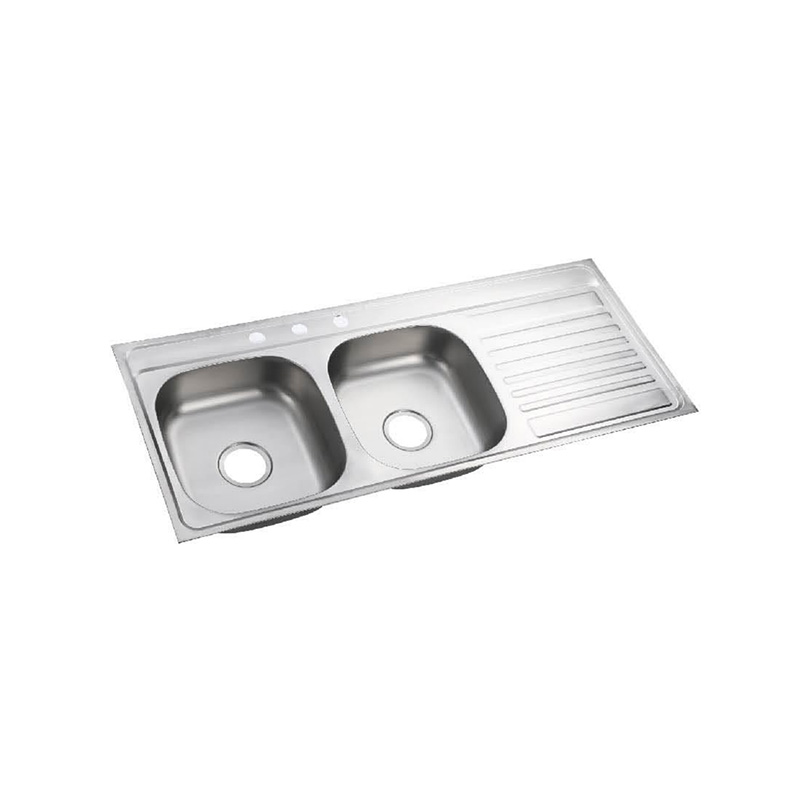
Stainless steel forms a common base in factory settings for machine-made sinks due to its composition of iron, chromium, and nickel. The chromium content, typically around 10 to 18 percent, creates a passive layer that helps prevent rust in moist environments. Factories gauge the thickness from 16 to 22, where higher numbers indicate thinner sheets that suit lighter-duty applications, while lower gauges offer more substance for frequent scrubbing. During production, automated presses shape the steel into basins, followed by welding seams to ensure structural integrity. Users can check for uniformity by inspecting the underside for even welds, which reduce the chance of leaks over time. In areas with hard water, this material accumulates fewer mineral deposits compared to others, though regular wiping with a vinegar solution can maintain its surface. Factories often apply a brushed finish, which conceals minor scratches from utensils, extending the visual appeal in active kitchens. For those installing in high-humidity zones, selecting alloys with added molybdenum can further limit pitting from chlorides in tap water. Practical testing involves placing weighted items in the basin to assess dent resistance, providing insight into how it performs under load.
Composite sinks, blended from resins and minerals like quartz or granite, undergo molding in kitchen sink factories to achieve consistent shapes. The process involves mixing acrylic binders with fillers, then curing under heat to form solid structures that resist fading from sunlight exposure. These materials distribute impact evenly, lessening the likelihood of cracks from dropped pots, and their non-porous nature limits bacterial growth with simple soap cleans. Factories produce them in thicknesses of about 1/2 to 3/4 inch, allowing for integration into countertops without added supports. Color options range from neutrals to earth tones, enabling matches with surrounding cabinetry for cohesive designs. In production, vibration tables remove air bubbles, ensuring density that contributes to longevity in damp conditions. Users dealing with acidic spills, such as from citrus, find that these surfaces clean up without etching, though avoiding abrasive pads preserves the finish. For evaluation, gently tapping the edge with a soft mallet reveals resonance, indicating internal solidity. Factories sometimes incorporate recycled aggregates, which maintain performance while addressing material sourcing concerns.
Cast iron serves as a traditional option in machine-made sink production, where factories pour molten metal into molds before applying enamel coatings. The iron core provides weight and stability, often weighing 50 to 100 pounds, which anchors the sink firmly in place during use. Enamel layers, baked on at high temperatures, create a smooth barrier against stains from food residues. Thickness of the enamel varies from 1/16 to 1/8 inch, with even application preventing chipping from impacts. In factory processes, multiple firings ensure adhesion, reducing the risk of peeling in steamy kitchens. This combination handles thermal shocks, like hot pans followed by cold water, without fracturing. Maintenance includes using non-acidic cleaners to avoid dulling the gloss, and inspecting for hairline cracks annually can catch issues early. For heavier-duty setups, such as in commercial-like home kitchens, the material's mass absorbs vibrations from garbage disposals. Factories test batches by subjecting them to cycle tests of heating and cooling, simulating years of exposure to predict endurance.
Why Integrate Machine-Made Sinks for Efficient Water Conservation?
How Can Kitchen Sink Factory Processes Enhance Home Durability?
Your email address will not be published. Required fields are marked *

Introducing our 19" x 19" single bowl black color sink, a stellar addition to our PVD sink collection. Designed with both aesthetics and functionality in mind, this sink is suitable for modern kitchen...
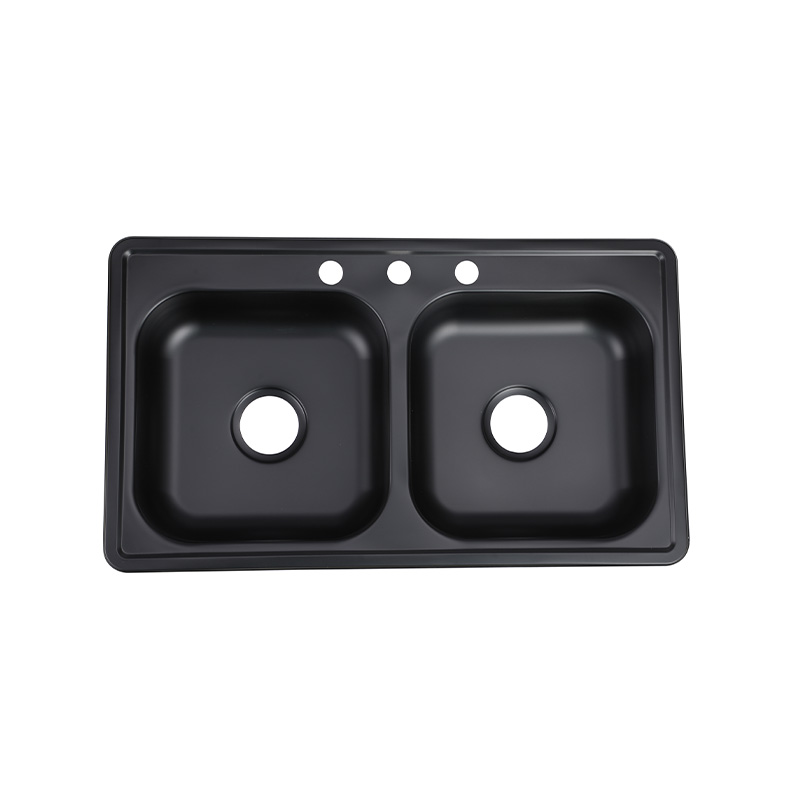
Welcome to the epitome of modern kitchen elegance and functionality with our new 33" x 19" Double Bowl Black Color Sink. This stunning sink, featuring advanced PVD (Physical Vapor Deposition) coating,...
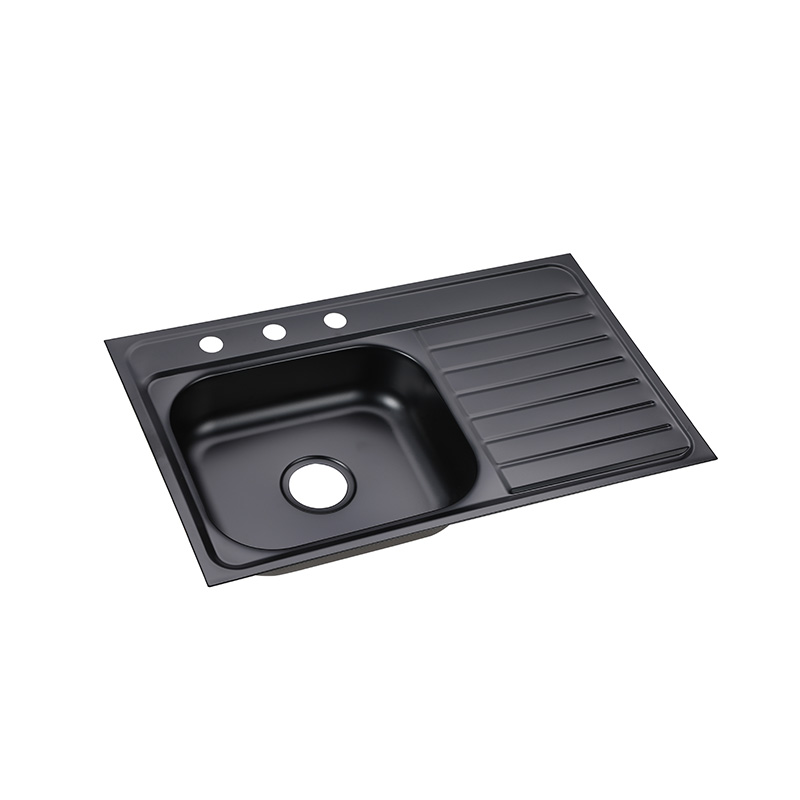
Welcome to our collection of premium PVD sinks, where functionality meets style. Among our diverse range of kitchen fixtures, the 800*500mm Left Bowl with Right Tray Sink in Black stands out as a test...
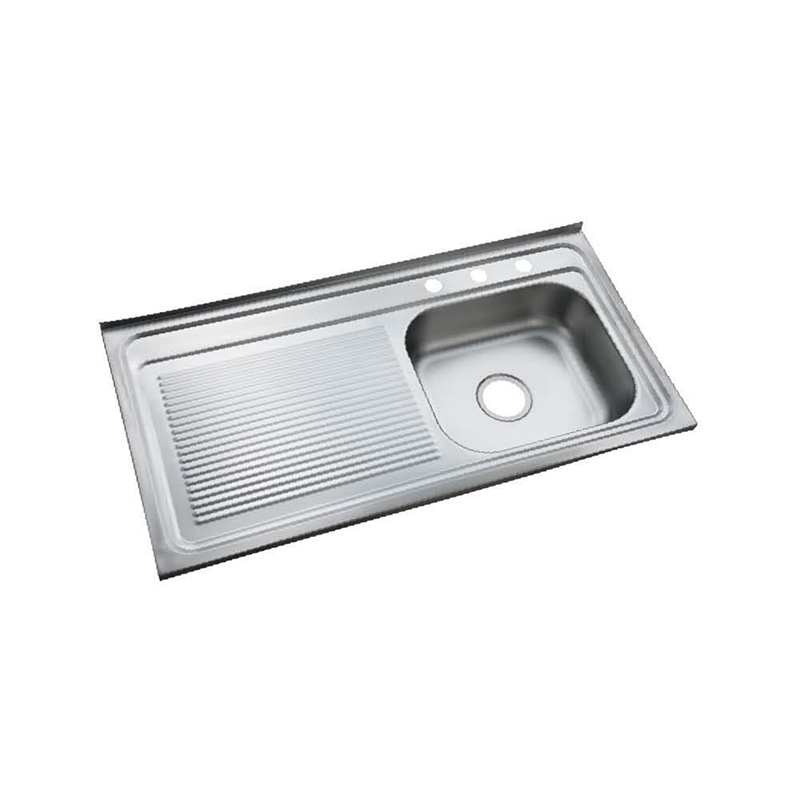
The XAL10050ERG 1000*500 mm right bowl with left tray sink in GREY color is a modern, versatile addition to any kitchen. This sink combines functionality with a sleek design, offering a practical solu...
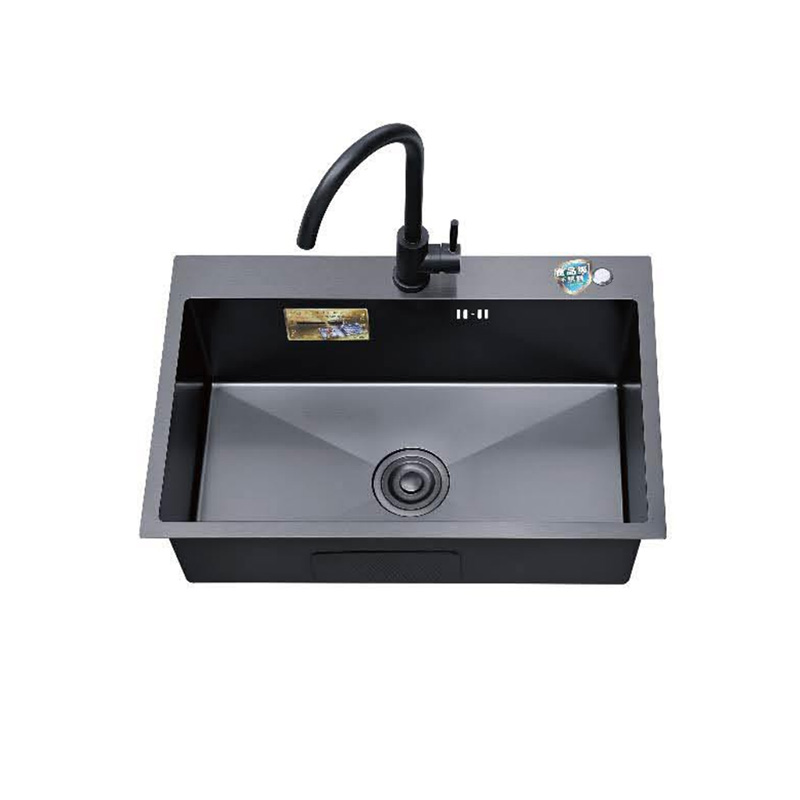
In the realm of kitchen fixtures, the single bowl handmade sink stands as a testament to the fusion of craftsmanship and functionality. Crafted with precision and care, each sink exudes a unique charm...
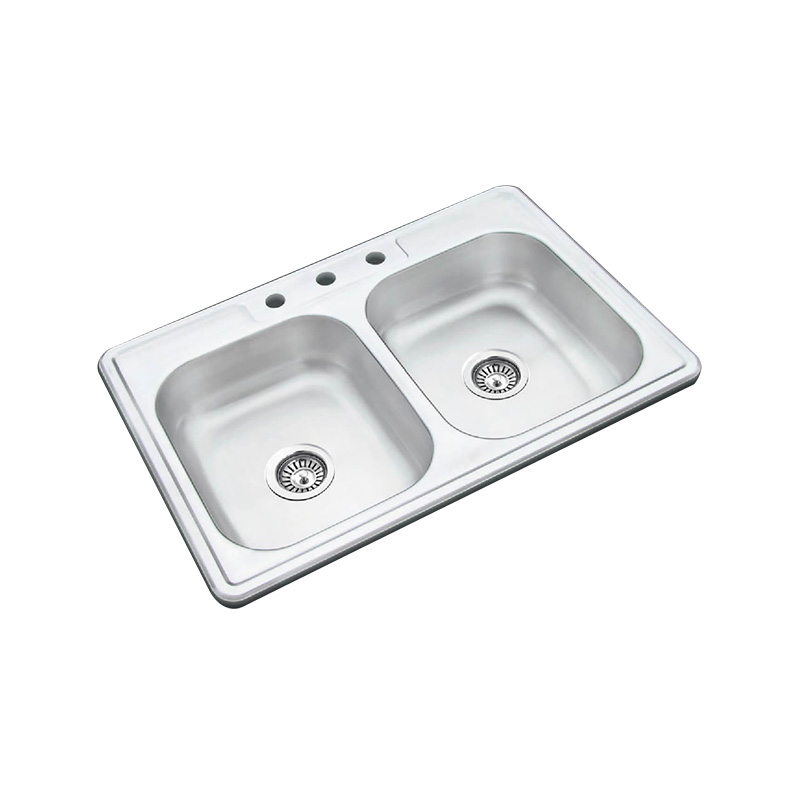
In the realm of kitchen essentials, versatility and efficiency are important. Our 3333"* 22" double bowl sink combines functionality and durability and is designed to enhance your kitchen experience. ...
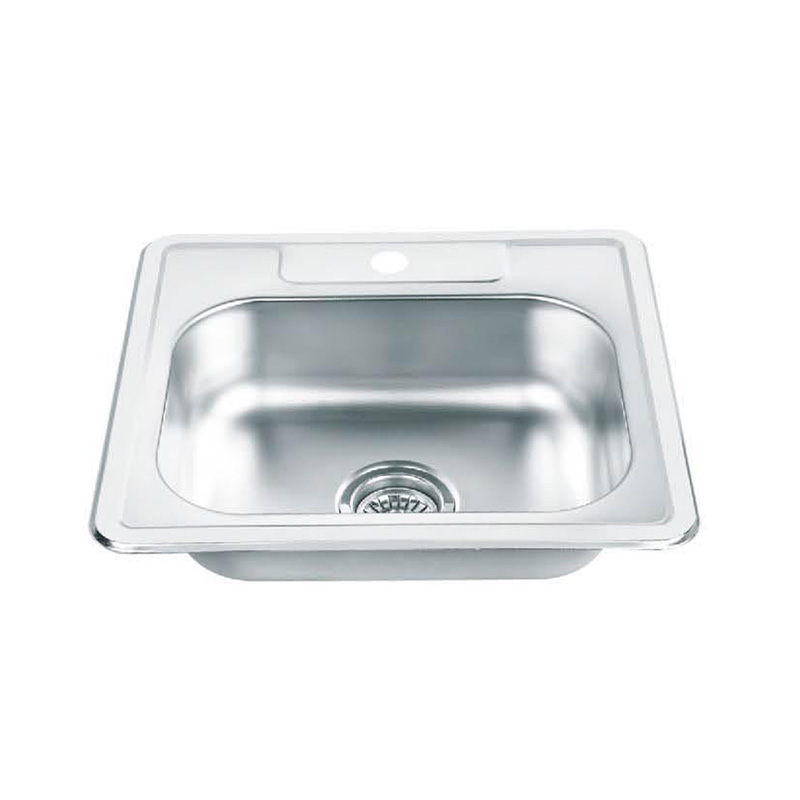
Welcome to our product showcase for the 20"*19" single bowl sink, a blend of practicality and elegance designed to meet the diverse needs of modern kitchens. This compact and efficient sink is tailore...
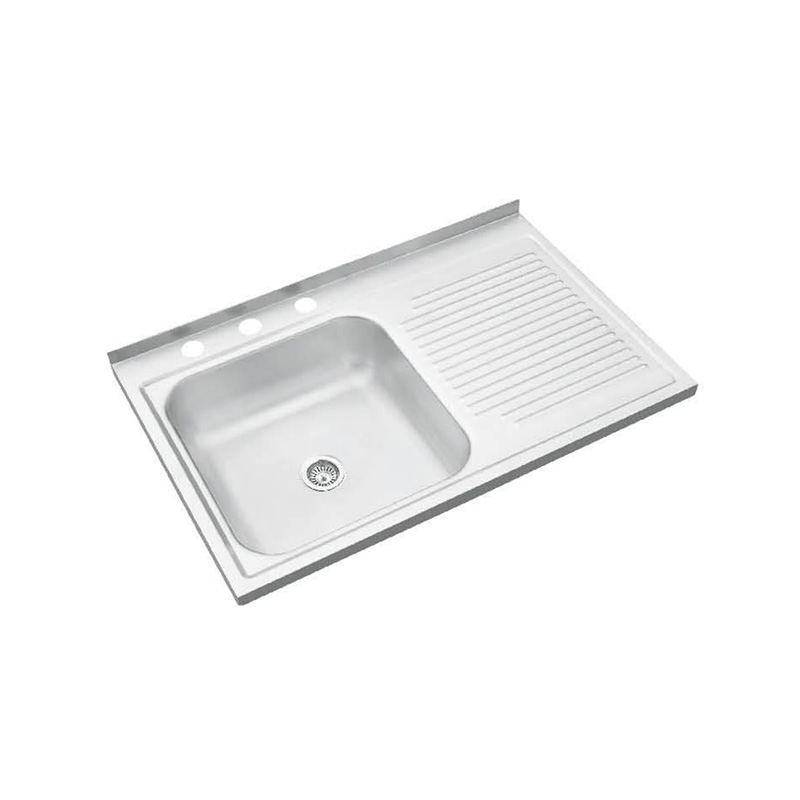
In the realm of kitchen fixtures, versatility and efficiency are important. Our 800*500 mm Left Bowl with Right Tray Sink offers a seamless blend of functionality and convenience, tailored to suit var...
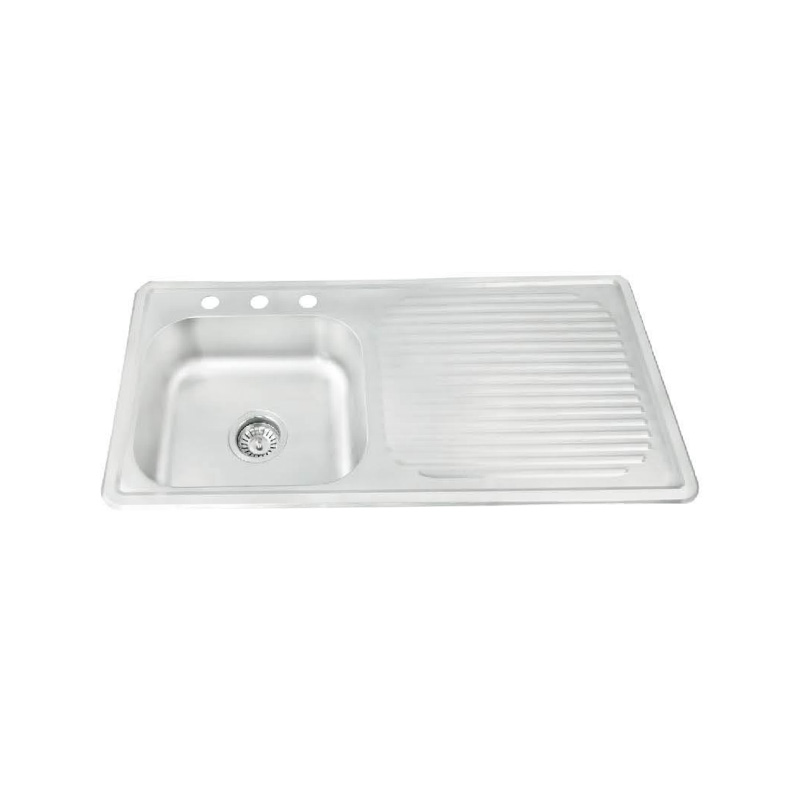
The 1000*500 mm left bowl with right tray sink is a good choice for modern kitchens requiring both style and functionality. This versatile sink is designed to handle the demands of a busy kitchen whil...
Introducing the 1200*500 mm left double bowl with right tray sink, a versatile solution for modern kitchens seeking enhanced functionality and convenience. This meticulously crafted sink combines the ...
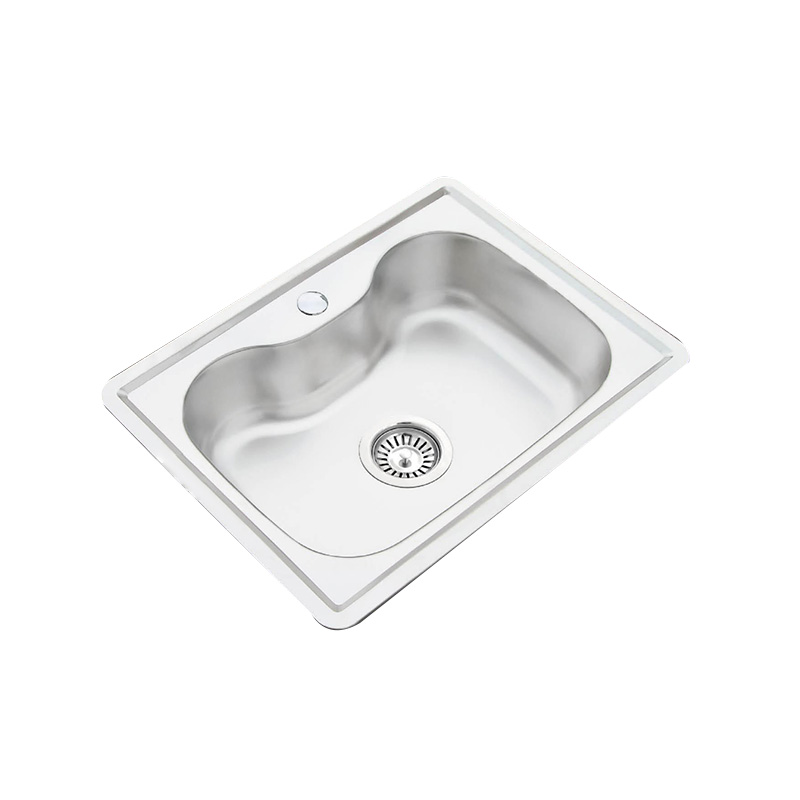
In the evolving world of kitchen design, the need for compact, efficient, and durable solutions has never been greater. Our 600*420 mm single bowl sink addresses these needs suitablely, combining spac...
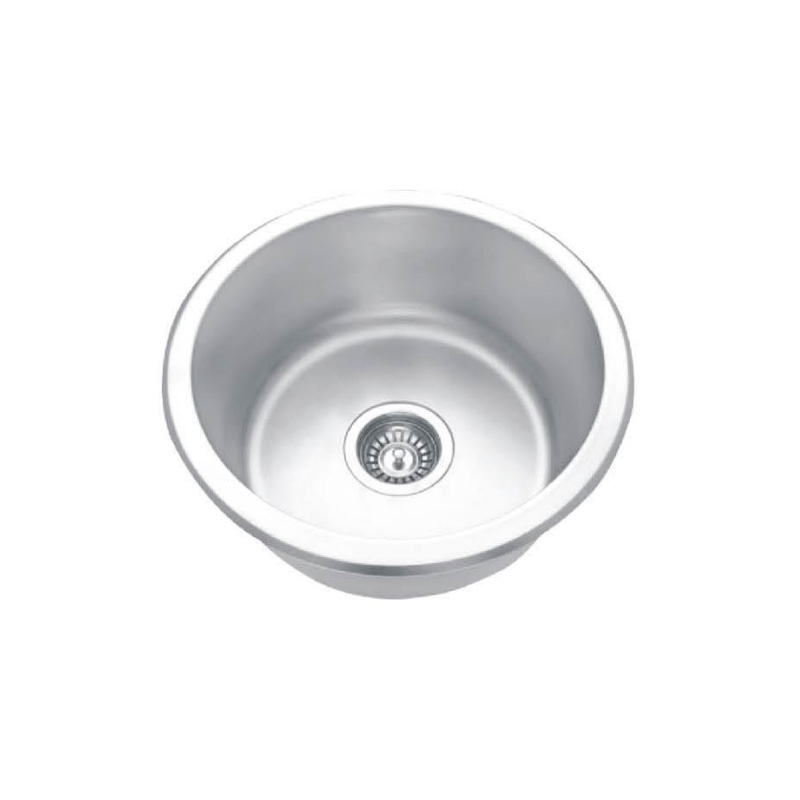
In the realm of functional kitchen fixtures, the sink reigns as a pivotal element. Enter our 420*420 mm round single bowl sink, a combination of utility and elegance that redefines kitchen essentials....

TaiZhou RunHeng Sanitary Ware Co., Ltd is an export-oriented enterprise integrating R&D, production and sales of stainless steel kitchen sink.
Copyright © 2024 TaiZhou RunHeng Sanitary Ware Co., Ltd. All Rights Reserved.
Commercial Undermount Kitchen Sinks Factory