English
 Español
 عربى
عربىProduct Consultation
Your email address will not be published. Required fields are marked *
Water conservation in the kitchen is a practical consideration for many households and businesses. It involves not only daily habits but also the tools and fixtures we choose. The integration of a machine-made sink from a modern kitchen sink factory presents a meaningful opportunity to support this goal. This article explores how such sinks contribute to water efficiency through their design and manufacturing process.

Sinks produced through automated machinery benefit from a high degree of dimensional accuracy. This precision ensures that the bowl shape, depth, and drainage slope are built to consistent specifications. A well-defined basin geometry allows water to flow toward the drain effectively, reducing the amount of water that might otherwise remain pooled and unused. For the user, this translates to needing less water to rinse the basin clean after use.
Beyond basic shape, several design elements commonly found in machine-made models can aid in reducing water use. Integrated bowl layouts, for example, allow for separation of tasks. One bowl can be used for soaking, while the other is available for rinsing, preventing the need to frequently fill and drain a single large basin. Additionally, many sinks from a contemporary kitchen sink factory are designed to be compatible with modern, low-flow faucets and accessories like pre-rinse sprayers. The precise placement and reinforcement of tap holes ensure these water-saving fixtures install correctly and function without leaks, which is a common source of unnoticed water waste.
The automated production of a machine-made sink typically involves forming from a single sheet of stainless steel or composite material. This method creates a seamless surface with fewer seams or joints where debris and moisture can accumulate. A smooth, uniform finish is easier and faster to clean, which often requires less water and detergent over time. The material quality, maintained consistently through factory production, also contributes to the sink’s resistance to stains and corrosion. A durable surface maintains its clean appearance without the need for intensive, water-heavy scrubbing methods years after installation.
A sink's contribution to water conservation extends to its installation. A precisely manufactured sink from an advanced kitchen sink factory ensures a consistent flange and flat underside. This allows for a more secure and even seal against the countertop, reducing the risk of water seepage into the cabinetry below.
The approach to conservation also involves resource management in manufacturing and product longevity. Automated fabrication in a kitchen sink factory optimizes material use, reducing scrap waste from cutting and forming. Furthermore, the inherent durability of a machine-made product means it is less likely to need early replacement due to defects or wear. A longer-lasting sink avoids the water and material resources required to produce and install a replacement unit, making its overall environmental footprint more manageable.
Choosing a machine-made sink is a decision that aligns with practical water-saving objectives. The combination of exact manufacturing, thoughtful design, and durable construction provides a reliable foundation for efficient kitchen water use. As kitchens continue to evolve into spaces where functionality and resource awareness meet, the products from a capable kitchen sink factory serve as relevant components in building more sustainable homes and commercial spaces. The focus remains on providing tangible features that meet daily needs while quietly supporting the broader aim of careful water stewardship.
How to Choose Kitchen Sink Factory Models for Versatile Layouts?
What Materials in Kitchen Sink Factory Production Boost Longevity?
Your email address will not be published. Required fields are marked *

Introducing our 19" x 19" single bowl black color sink, a stellar addition to our PVD sink collection. Designed with both aesthetics and functionality in mind, this sink is suitable for modern kitchen...
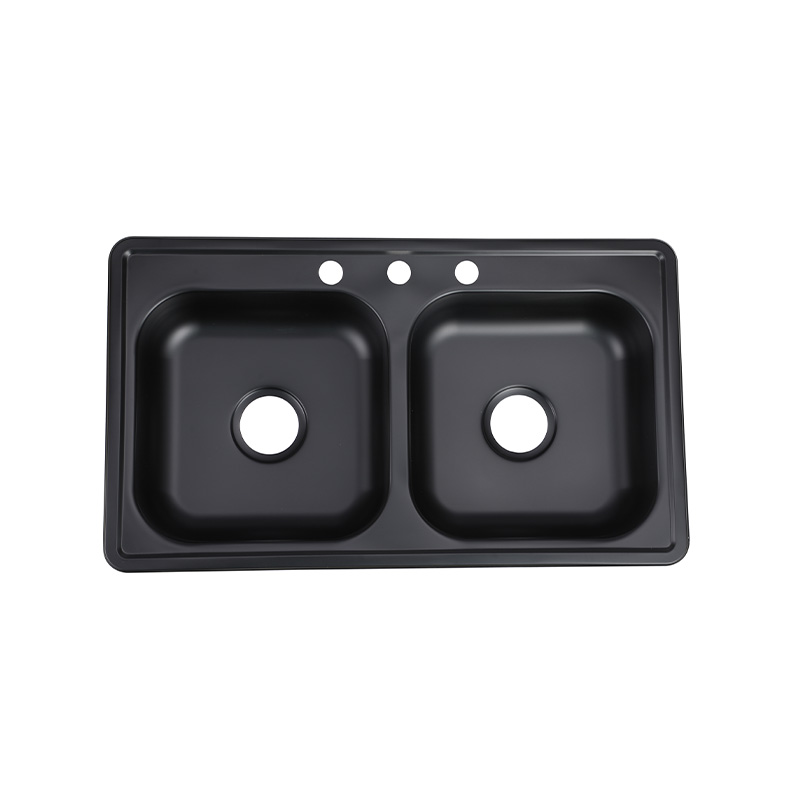
Welcome to the epitome of modern kitchen elegance and functionality with our new 33" x 19" Double Bowl Black Color Sink. This stunning sink, featuring advanced PVD (Physical Vapor Deposition) coating,...
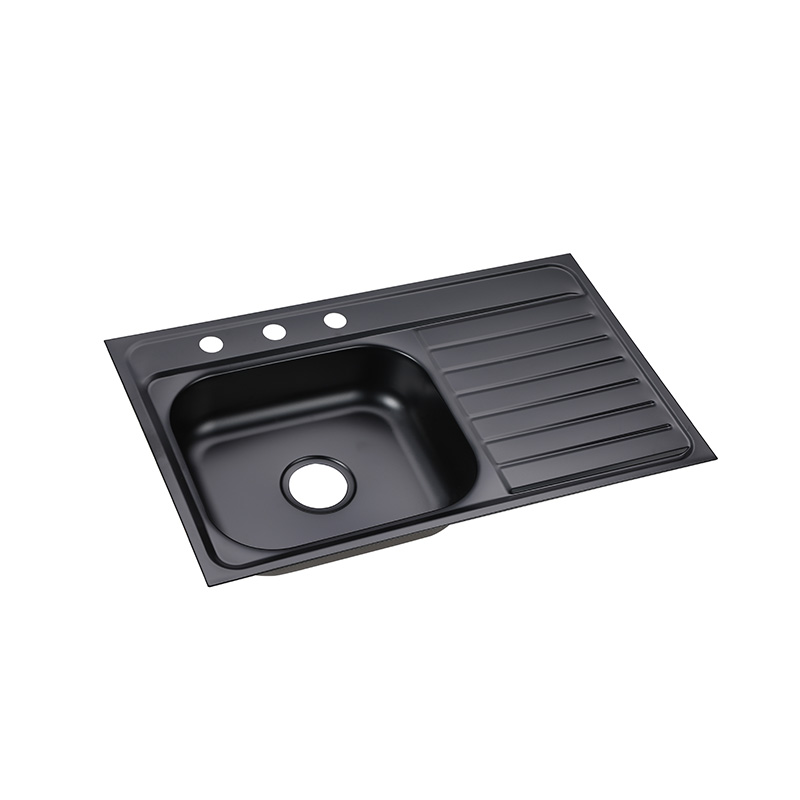
Welcome to our collection of premium PVD sinks, where functionality meets style. Among our diverse range of kitchen fixtures, the 800*500mm Left Bowl with Right Tray Sink in Black stands out as a test...
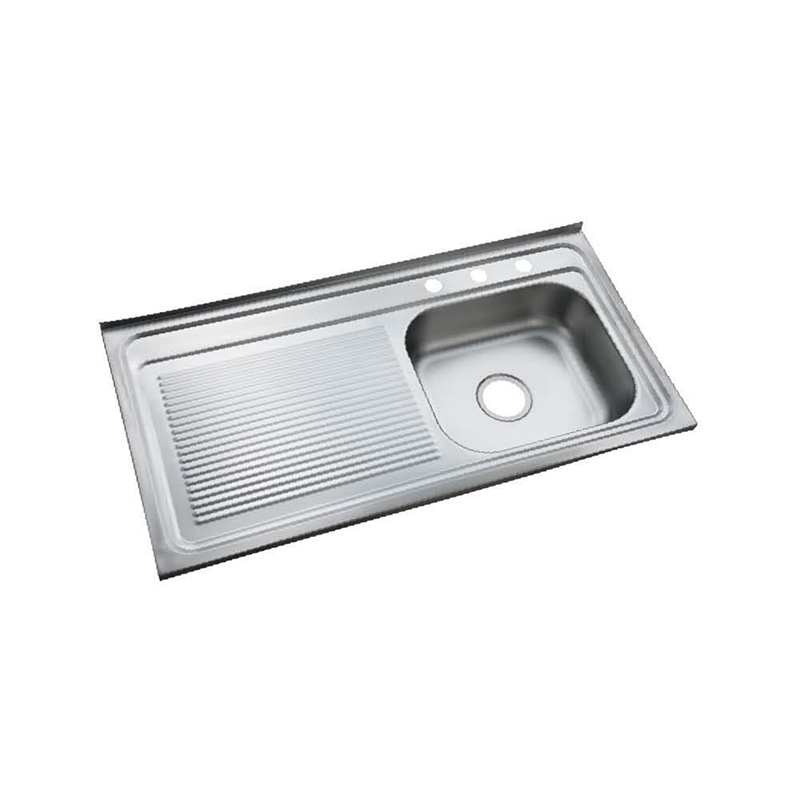
The XAL10050ERG 1000*500 mm right bowl with left tray sink in GREY color is a modern, versatile addition to any kitchen. This sink combines functionality with a sleek design, offering a practical solu...
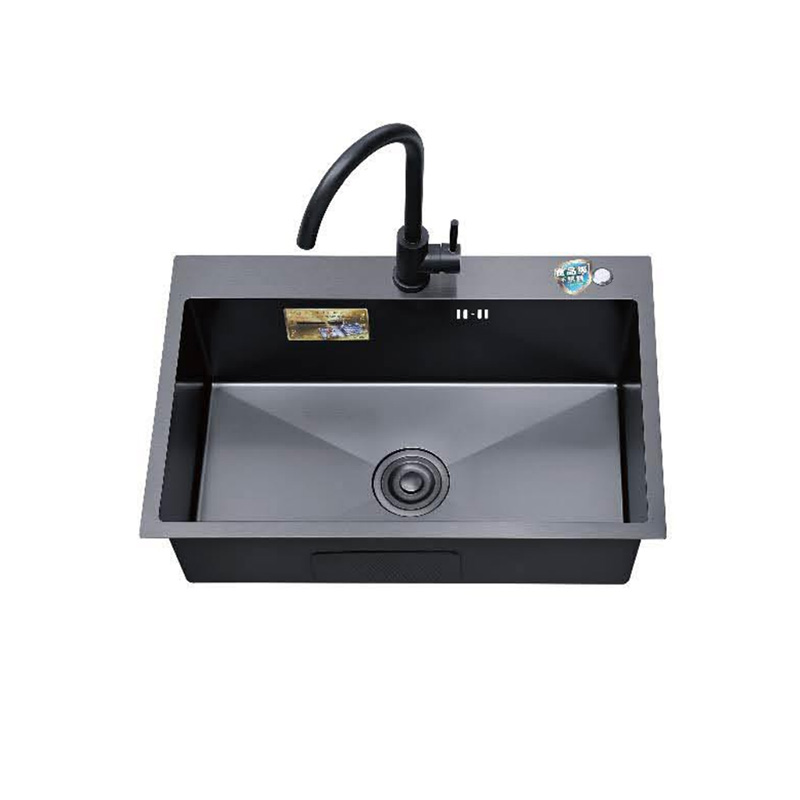
In the realm of kitchen fixtures, the single bowl handmade sink stands as a testament to the fusion of craftsmanship and functionality. Crafted with precision and care, each sink exudes a unique charm...
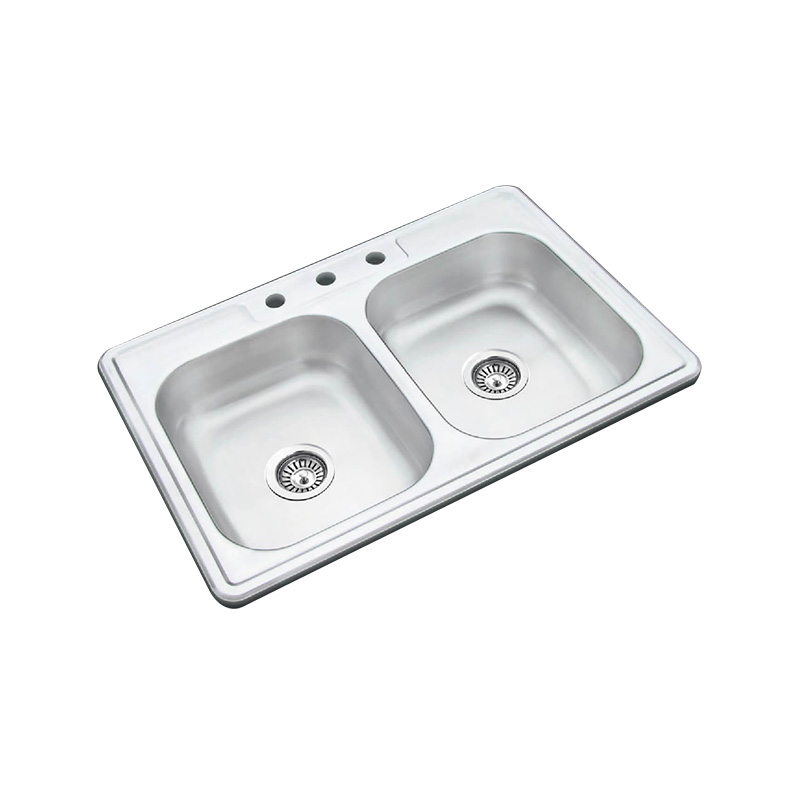
In the realm of kitchen essentials, versatility and efficiency are important. Our 3333"* 22" double bowl sink combines functionality and durability and is designed to enhance your kitchen experience. ...
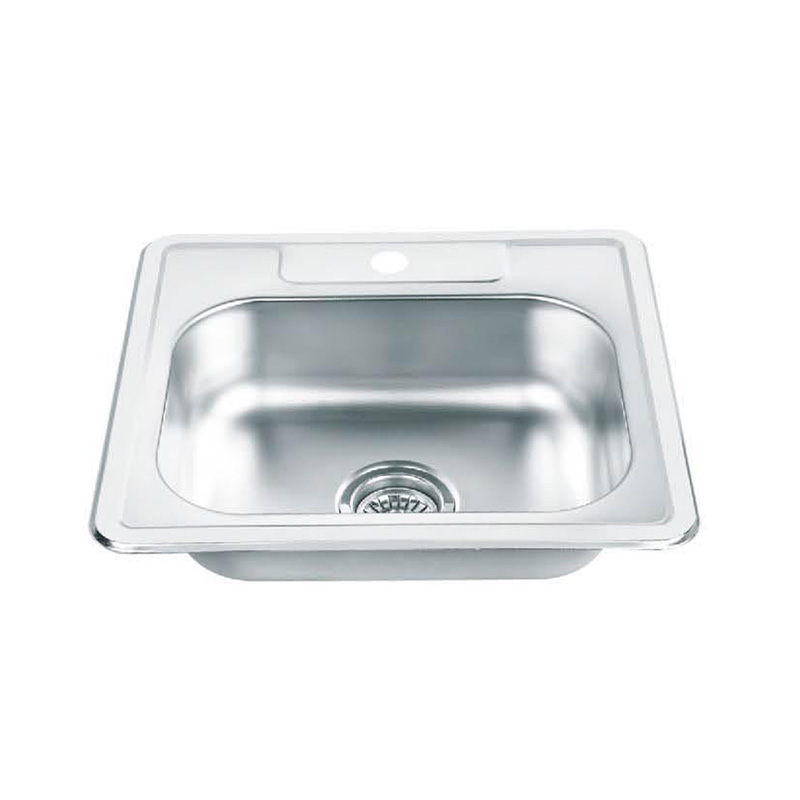
Welcome to our product showcase for the 20"*19" single bowl sink, a blend of practicality and elegance designed to meet the diverse needs of modern kitchens. This compact and efficient sink is tailore...
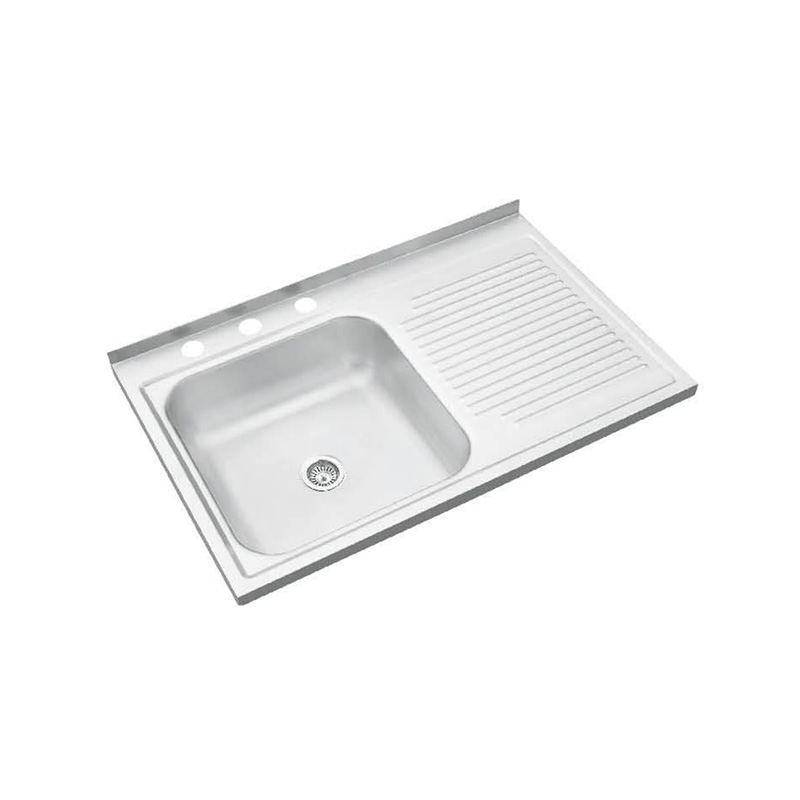
In the realm of kitchen fixtures, versatility and efficiency are important. Our 800*500 mm Left Bowl with Right Tray Sink offers a seamless blend of functionality and convenience, tailored to suit var...
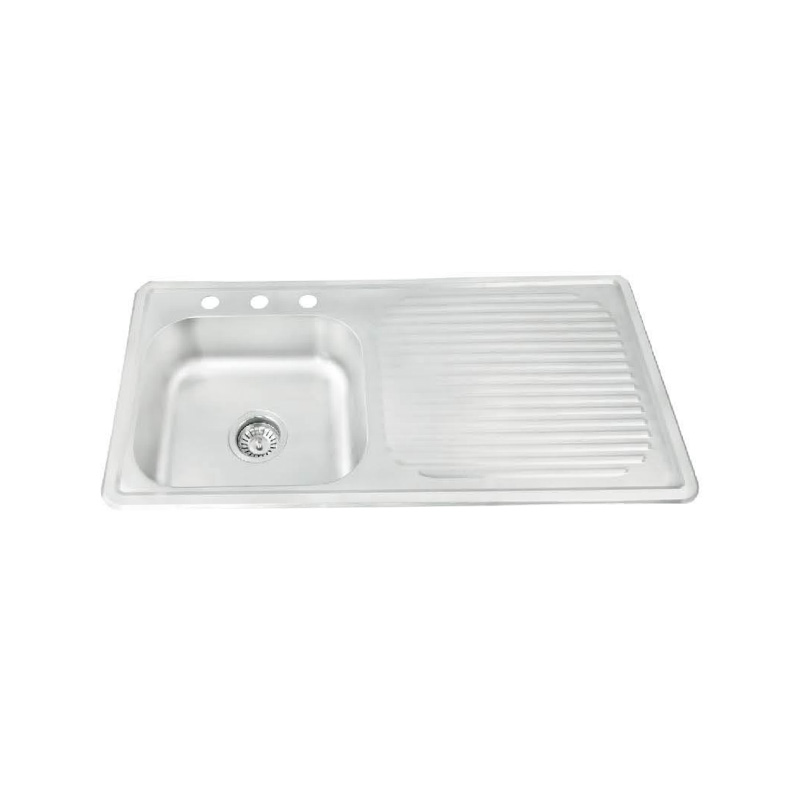
The 1000*500 mm left bowl with right tray sink is a good choice for modern kitchens requiring both style and functionality. This versatile sink is designed to handle the demands of a busy kitchen whil...
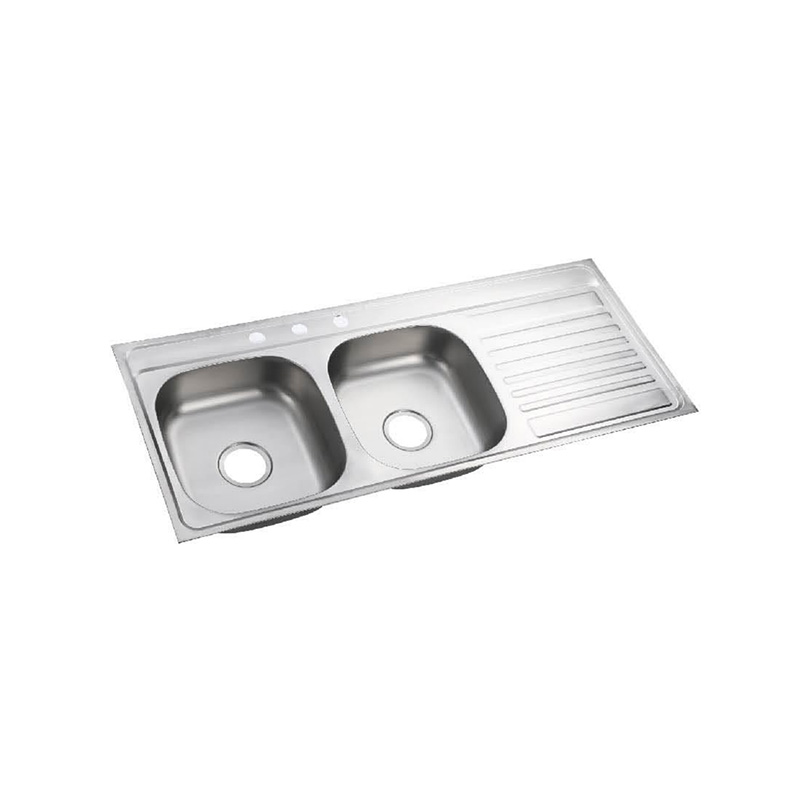
Introducing the 1200*500 mm left double bowl with right tray sink, a versatile solution for modern kitchens seeking enhanced functionality and convenience. This meticulously crafted sink combines the ...
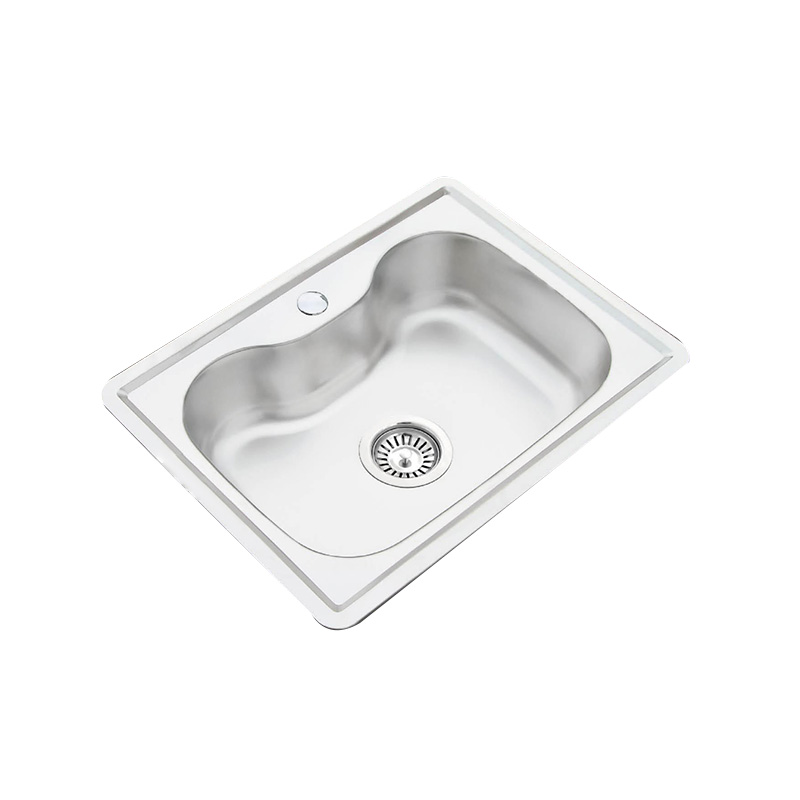
In the evolving world of kitchen design, the need for compact, efficient, and durable solutions has never been greater. Our 600*420 mm single bowl sink addresses these needs suitablely, combining spac...
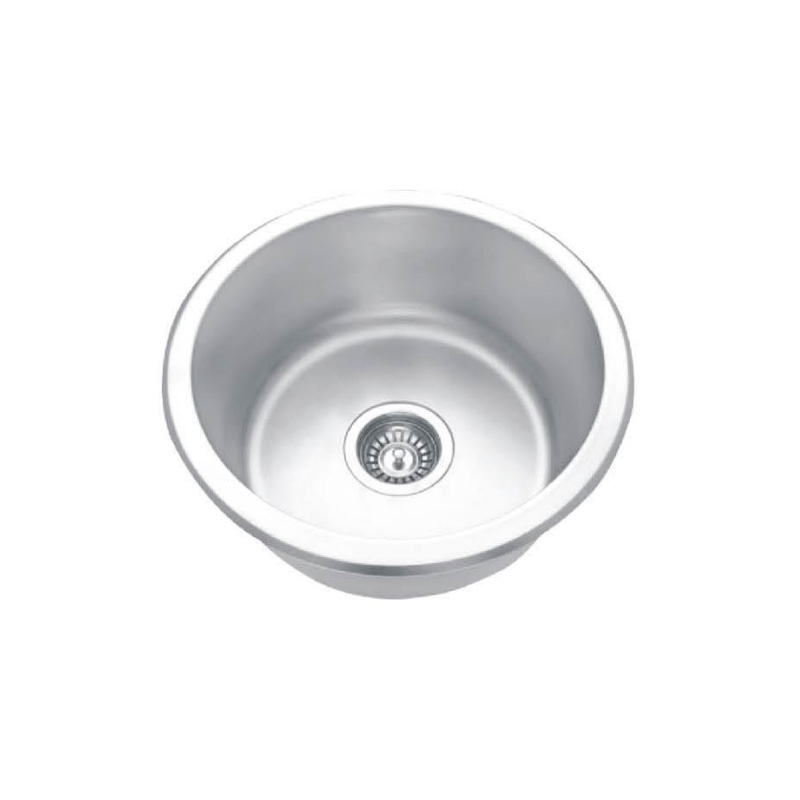
In the realm of functional kitchen fixtures, the sink reigns as a pivotal element. Enter our 420*420 mm round single bowl sink, a combination of utility and elegance that redefines kitchen essentials....

TaiZhou RunHeng Sanitary Ware Co., Ltd is an export-oriented enterprise integrating R&D, production and sales of stainless steel kitchen sink.
Copyright © 2024 TaiZhou RunHeng Sanitary Ware Co., Ltd. All Rights Reserved.
Commercial Undermount Kitchen Sinks Factory