English
 Español
 عربى
عربىProduct Consultation
Your email address will not be published. Required fields are marked *
Kitchens often serve as the central hub in homes, where functionality meets daily routines. When selecting machine-made sinks from a kitchen sink factory, the focus shifts to models that adapt to various space arrangements without compromising utility. This choice involves weighing factors like material, size, and installation to ensure the sink fits seamlessly into diverse setups, from compact apartments to spacious family homes.

Materials play a key role in how a sink performs over time in different kitchen environments. Stainless steel, commonly used in machine-made sinks, offers resistance to stains and heat, making it suitable for high-traffic areas where spills and hot pots are frequent. Factories produce these in gauges ranging from 16 to 22, with thicker options providing more dent resistance, though thinner ones can suffice for lighter use. Composite materials, such as granite or quartz blends, absorb sound better and come in multiple colors, allowing integration with countertops in open-plan layouts. These are formed through molding processes in factories, ensuring consistent quality across batches. Porcelain or fireclay sinks provide a classic look and handle heavy scrubbing, but they require careful handling during installation to avoid chips. When evaluating options from a kitchen sink factory, consider the kitchen's exposure to moisture and usage patterns— for instance, in humid climates, materials with natural corrosion resistance like certain alloys can reduce maintenance efforts. Testing samples for scratch resistance by gently rubbing with a soft cloth can reveal how well a material holds up in everyday scenarios. Additionally, some factories incorporate recycled content in their materials, which appeals to those prioritizing environmental considerations without altering performance.
The size and shape of a sink influence how it integrates into a kitchen's workflow. Standard single-bowl sinks measure around 25 to 33 inches wide, fitting well in linear layouts where space is limited along one wall. Double-bowl versions, often 33 to 48 inches, allow for separating tasks like washing and rinsing, which is practical in L-shaped or U-shaped kitchens with multiple prep zones. Factories produce these with varying depths, typically 8 to 10 inches, where deeper basins accommodate larger pots but may require bending more during use. For island setups, consider corner sinks or those with rounded edges to facilitate movement around the area. Measure the cabinet base before selection, ensuring at least 2 inches of clearance on each side for plumbing connections. Some models feature offset drains, which free up under-sink storage in compact layouts. When browsing kitchen sink factory catalogs, look for customizable dimensions that align with existing cabinetry, avoiding the need for extensive modifications. Practical tip: sketch your kitchen floor plan and overlay potential sink outlines to visualize flow, helping identify if a rectangular or oval shape better suits curved counter edges.
Installation type determines how a sink interacts with the surrounding surfaces and affects cleaning routines. Undermount sinks attach beneath the countertop, creating a continuous surface that's easier to wipe down, ideal for galley kitchens where counters see heavy use. These require solid counter materials like stone or laminate for support, and factories often include mounting clips in their kits. Drop-in sinks, with rims overlapping the counter, install quickly and work with various materials, including tile, making them adaptable for rental properties or temporary setups. Farmhouse or apron-front models extend forward, adding character to traditional layouts but needing reinforced cabinets to bear the weight. In peninsular designs, where the sink faces an open area, ensure the installation allows for adequate faucet clearance—typically 4 to 6 inches from the back wall. Kitchen sink factories provide templates for cutouts, which simplify the process; trace these on the counter to confirm fit before cutting. For DIY enthusiasts, check if the model includes sealant recommendations to prevent leaks at joints. In multi-user households, consider accessible heights, around 34 inches from the floor, to accommodate different family members without strain.
Durability stems from construction details that withstand regular wear. Machine-made sinks often feature welded seams for strength, reducing the risk of separation over time. Look for models with sound-dampening pads on the underside to lessen noise from water flow, useful in open-concept homes where kitchens adjoin living spaces. Factories apply finishes like brushed or polished surfaces, where brushed options hide fingerprints better in busy environments. Maintenance involves routine cleaning with mild soap to preserve the surface; for tougher spots, a baking soda paste can gently remove residue without scratching. In hard water areas, models with built-in resistance to mineral buildup, such as those with specialized coatings, lessen the frequency of deep cleans.
Where Can Kitchen Sink Stainless Steel Factory Improve Everyday Cooking?
Why Integrate Machine-Made Sinks for Efficient Water Conservation?
Your email address will not be published. Required fields are marked *

Introducing our 19" x 19" single bowl black color sink, a stellar addition to our PVD sink collection. Designed with both aesthetics and functionality in mind, this sink is suitable for modern kitchen...
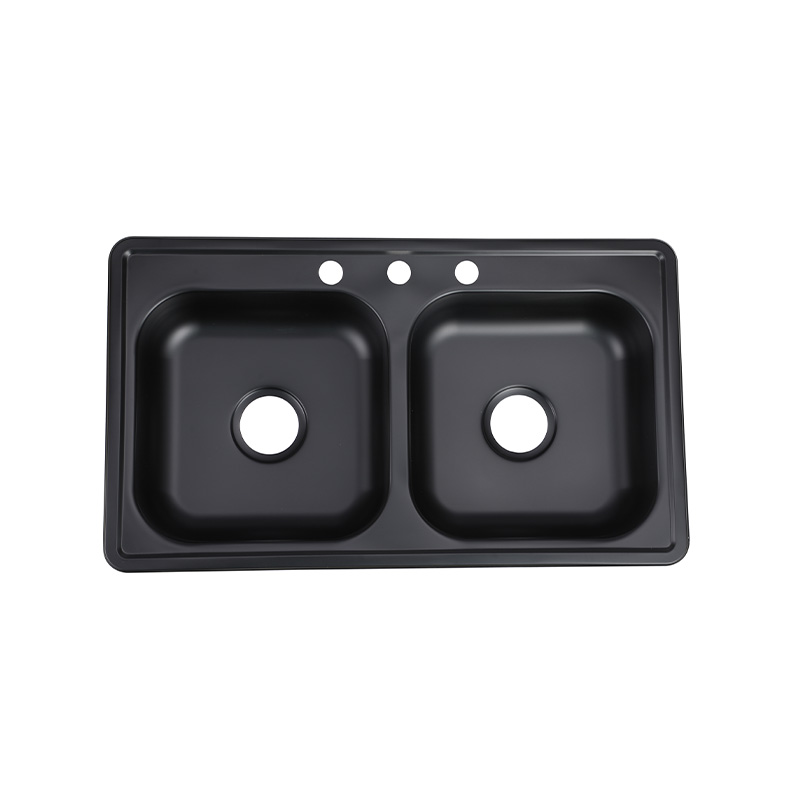
Welcome to the epitome of modern kitchen elegance and functionality with our new 33" x 19" Double Bowl Black Color Sink. This stunning sink, featuring advanced PVD (Physical Vapor Deposition) coating,...
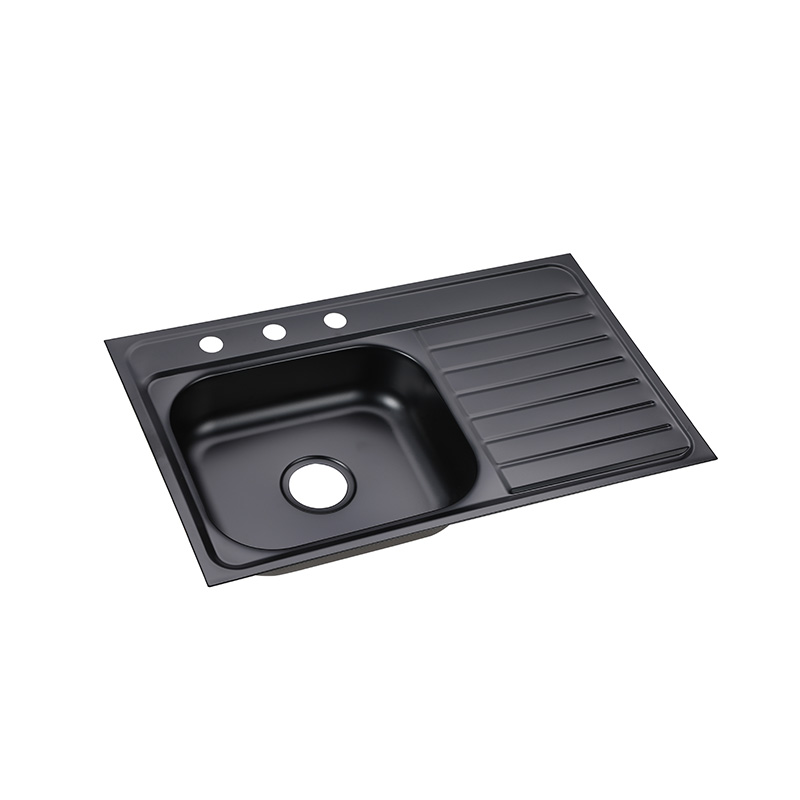
Welcome to our collection of premium PVD sinks, where functionality meets style. Among our diverse range of kitchen fixtures, the 800*500mm Left Bowl with Right Tray Sink in Black stands out as a test...
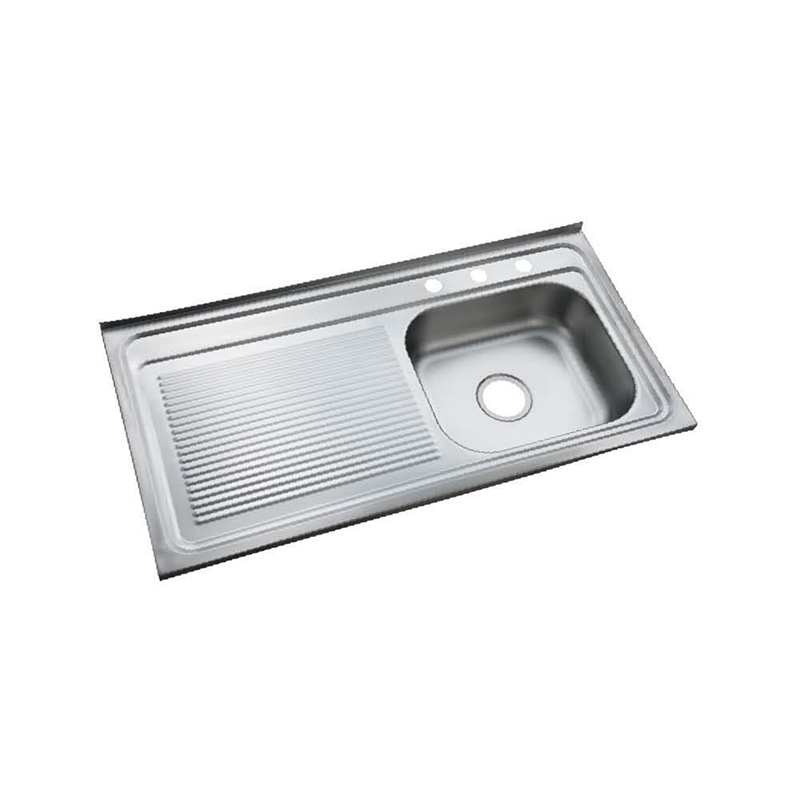
The XAL10050ERG 1000*500 mm right bowl with left tray sink in GREY color is a modern, versatile addition to any kitchen. This sink combines functionality with a sleek design, offering a practical solu...
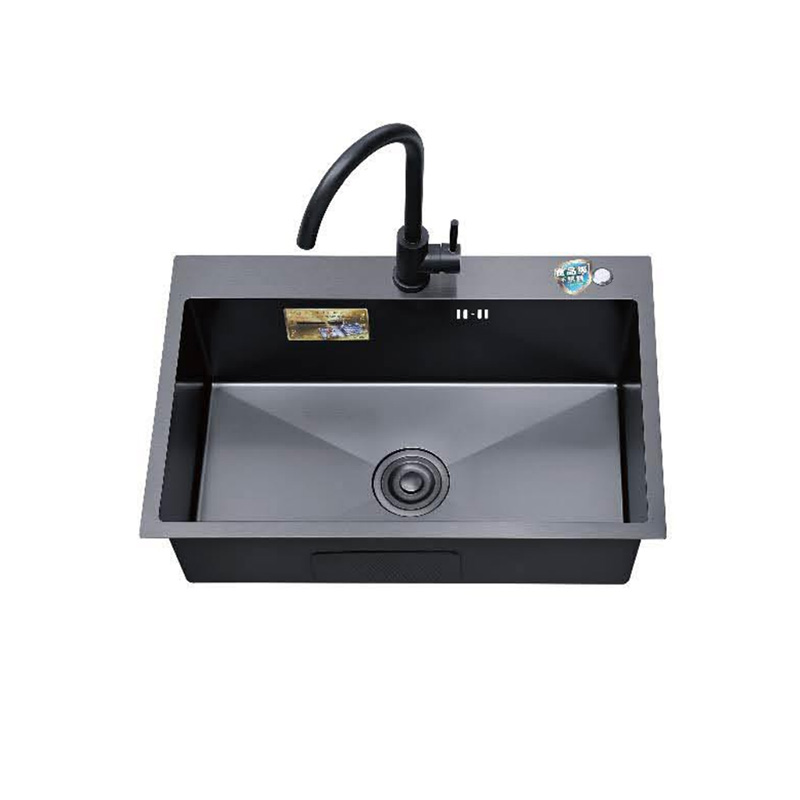
In the realm of kitchen fixtures, the single bowl handmade sink stands as a testament to the fusion of craftsmanship and functionality. Crafted with precision and care, each sink exudes a unique charm...
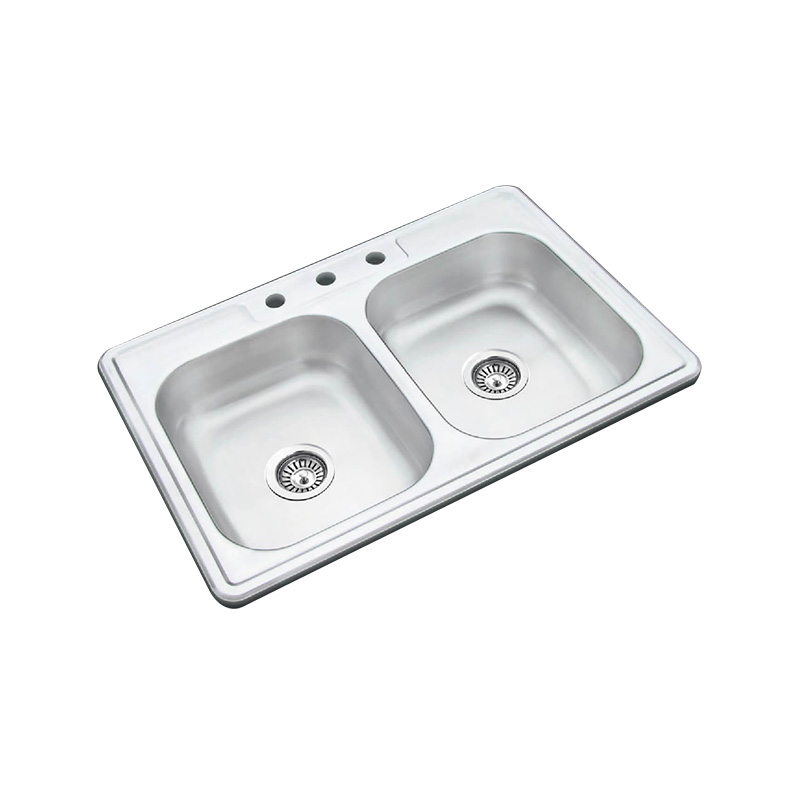
In the realm of kitchen essentials, versatility and efficiency are important. Our 3333"* 22" double bowl sink combines functionality and durability and is designed to enhance your kitchen experience. ...
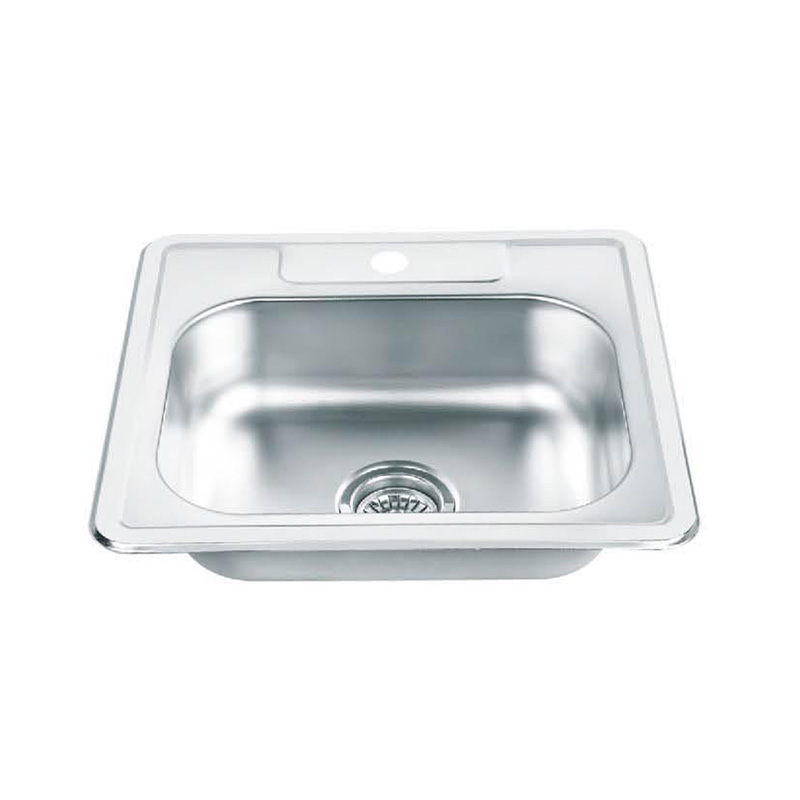
Welcome to our product showcase for the 20"*19" single bowl sink, a blend of practicality and elegance designed to meet the diverse needs of modern kitchens. This compact and efficient sink is tailore...
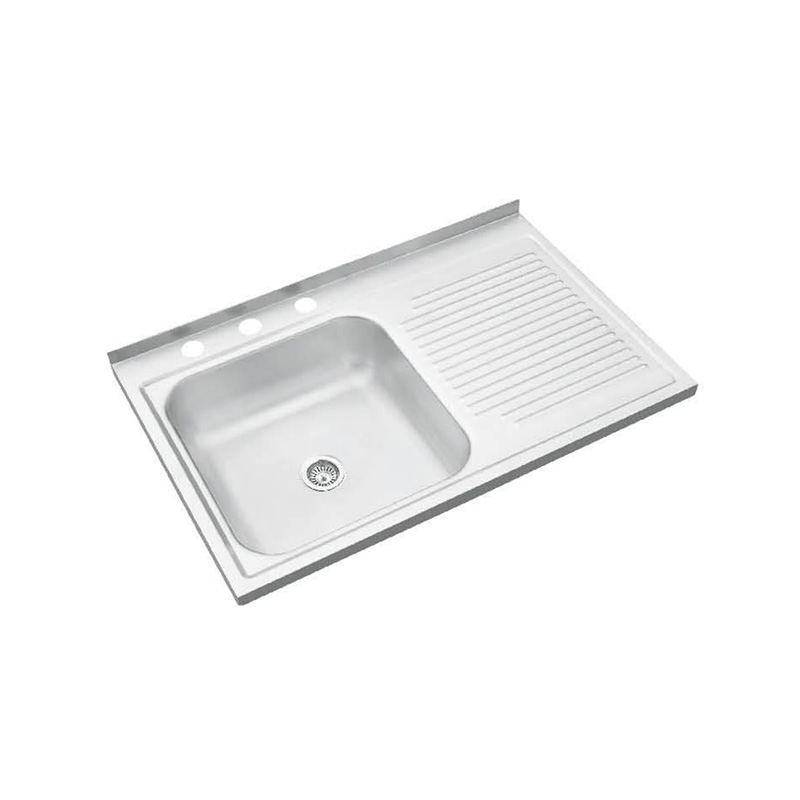
In the realm of kitchen fixtures, versatility and efficiency are important. Our 800*500 mm Left Bowl with Right Tray Sink offers a seamless blend of functionality and convenience, tailored to suit var...
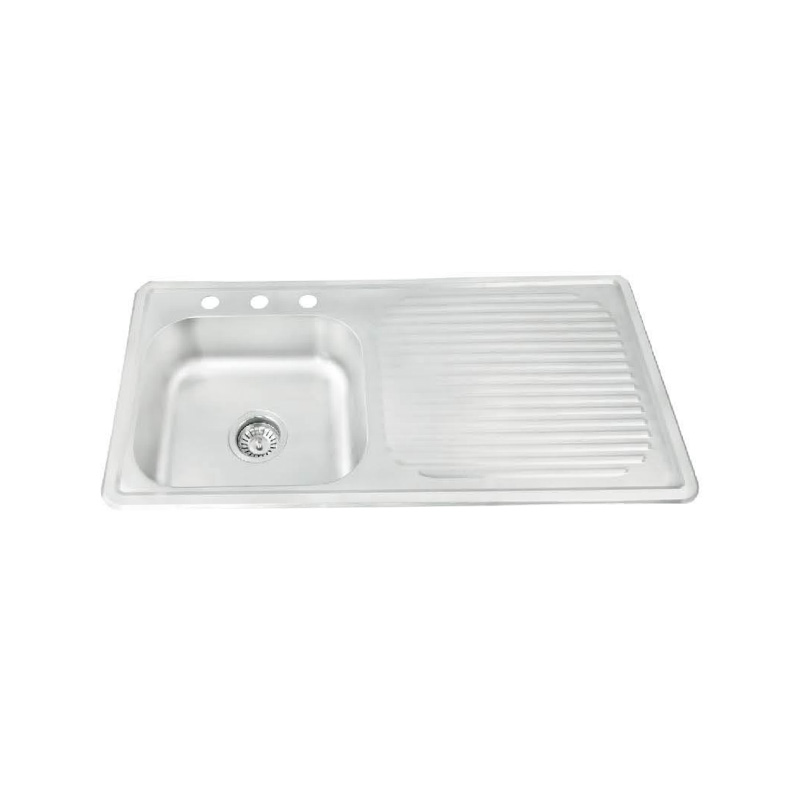
The 1000*500 mm left bowl with right tray sink is a good choice for modern kitchens requiring both style and functionality. This versatile sink is designed to handle the demands of a busy kitchen whil...
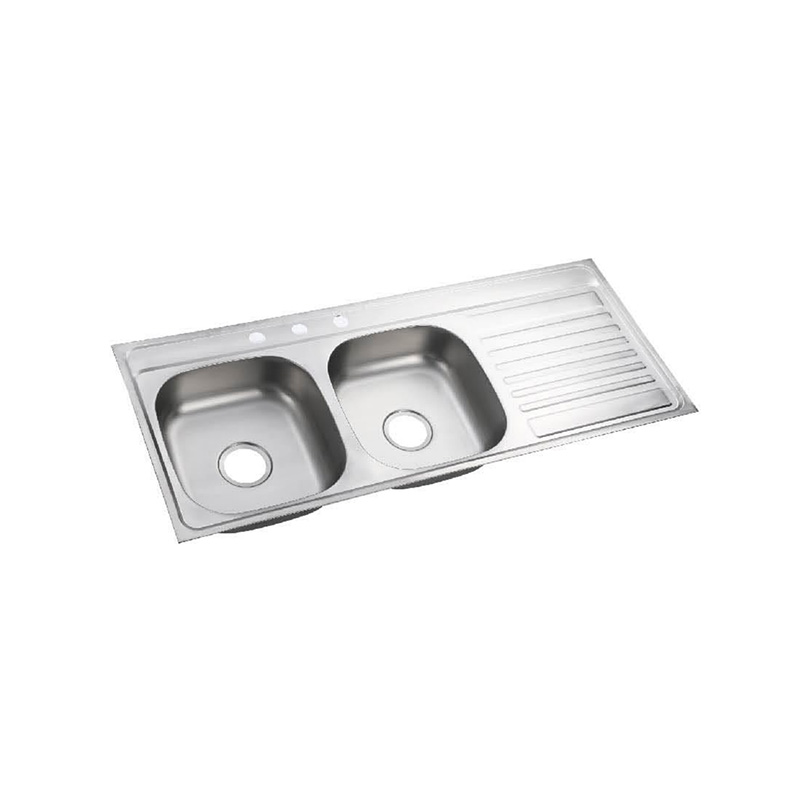
Introducing the 1200*500 mm left double bowl with right tray sink, a versatile solution for modern kitchens seeking enhanced functionality and convenience. This meticulously crafted sink combines the ...
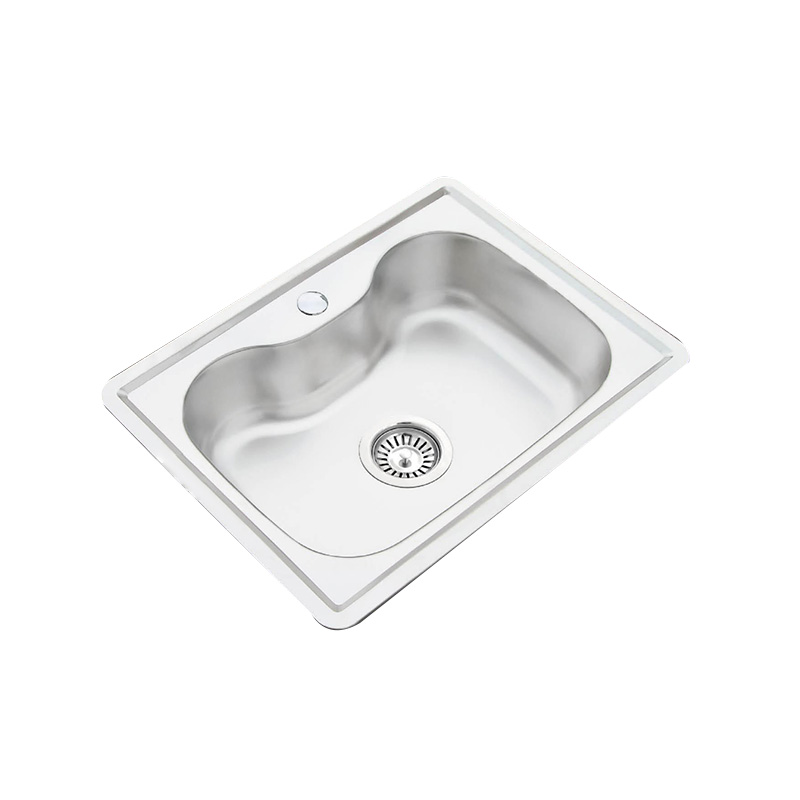
In the evolving world of kitchen design, the need for compact, efficient, and durable solutions has never been greater. Our 600*420 mm single bowl sink addresses these needs suitablely, combining spac...
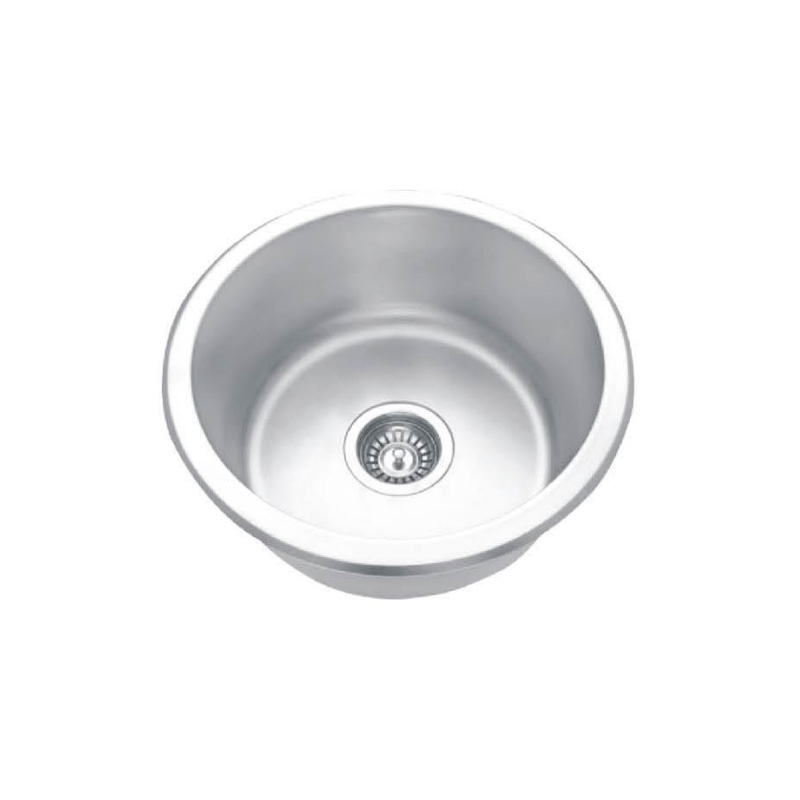
In the realm of functional kitchen fixtures, the sink reigns as a pivotal element. Enter our 420*420 mm round single bowl sink, a combination of utility and elegance that redefines kitchen essentials....

TaiZhou RunHeng Sanitary Ware Co., Ltd is an export-oriented enterprise integrating R&D, production and sales of stainless steel kitchen sink.
Copyright © 2024 TaiZhou RunHeng Sanitary Ware Co., Ltd. All Rights Reserved.
Commercial Undermount Kitchen Sinks Factory