English
 Español
 عربى
عربىProduct Consultation
Your email address will not be published. Required fields are marked *
Kitchen design often starts with cabinets and countertops, yet the sink quietly shapes how the space feels and functions every day. When people compare options from a kitchen sink stainless steel factory and a handmade sink factory, they are often deciding between uniform efficiency and crafted individuality. Handmade sinks bring a different perspective to kitchen planning by allowing the sink to become a design anchor rather than a background fixture. Through material choices, proportions, and construction methods, handmade sinks help kitchens express personality while supporting daily routines in a practical way.
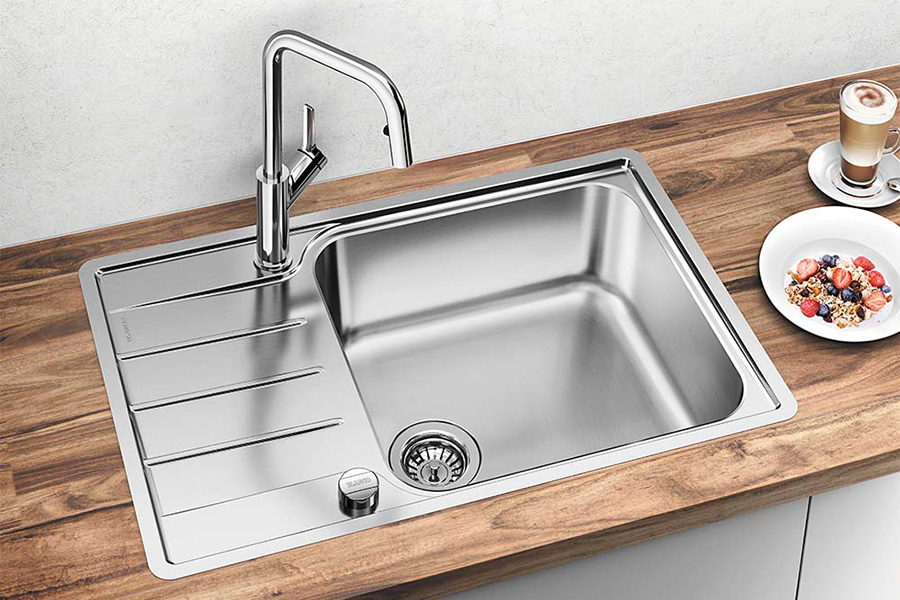
A handmade sink factory focuses on manual processes that highlight careful shaping, welding, and finishing. This approach introduces subtle variations that cannot be replicated in fully automated production lines. These variations do not affect usability, but they add visual depth and texture to the sink surface. In a kitchen space, these small details can soften rigid lines created by cabinets and appliances, helping the room feel more balanced and welcoming.
For homeowners who want their kitchen to feel less standardized, a handmade sink offers an opportunity to introduce character without changing the overall layout. The sink can complement natural materials such as wood or stone and support both contemporary and traditional styles. Rather than standing out aggressively, it blends into the space while still reflecting thoughtful design choices.
Stainless steel remains a common material across both mass production and handmade manufacturing. Products from a kitchen sink stainless steel factory are valued for consistency, corrosion resistance, and predictable dimensions. Handmade sink factories often use similar grades of stainless steel but apply different finishing techniques that influence the final appearance.
Hand-applied brushing, controlled polishing, or softened edges can alter how light interacts with the sink surface. These finishes affect how the sink integrates with surrounding elements such as countertops and backsplashes. For example, a softer brushed finish may reduce visual glare in kitchens with strong lighting, while a deeper tone can support warmer design palettes. These material decisions help shape the character of the kitchen without requiring decorative elements that may date quickly.
Standard sink sizes work well in many kitchens, but they can limit layout choices in spaces with unusual proportions. Handmade sink factories offer more flexibility in dimensions, depth, and basin configuration. This flexibility allows the sink to adapt to the kitchen rather than forcing the kitchen to adapt to the sink.
In compact kitchens, a deeper single basin can support washing larger cookware while keeping the countertop layout simple. In wider kitchens or open-plan spaces, custom-width sinks can align with islands or extended work surfaces. This adaptability encourages designers and homeowners to explore layouts that feel natural for their cooking and cleaning habits, contributing to a kitchen that feels thoughtfully planned rather than assembled from fixed components.
The ability to customize handmade sinks also affects where the sink can be placed. Traditional layouts often position the sink directly under a window or along a main wall. While these placements remain practical, handmade sinks make it easier to explore alternatives such as island-mounted sinks or corner installations.
When the sink becomes a visible part of the kitchen’s central area, its design details matter more. Clean welds, even edges, and consistent finishes help the sink hold its place visually without overwhelming the space. This allows the sink to support the overall character of the kitchen while remaining practical for daily tasks such as food preparation and cleaning.
Character in a kitchen should not come at the expense of usability. Handmade sinks are designed to support everyday routines, including washing cookware, handling temperature changes, and managing water flow. Stainless steel construction helps maintain structural stability and surface integrity over time.
The smooth, non-porous surfaces commonly found in handmade sinks make routine cleaning straightforward. This practical aspect allows the sink to remain visually consistent even with regular use. Over time, light wear may develop, but this often adds to the sink’s lived-in appearance rather than detracting from it. For many users, this natural aging process contributes to the sense that the kitchen is a working space with personality, not just a display area.
One reason handmade sink factory products add character is their ability to adapt across design styles. In modern kitchens, simple basin shapes and clean finishes align with minimalist cabinetry and streamlined appliances. In more traditional settings, slightly deeper basins or softened edges can echo classic design elements without appearing outdated.
This adaptability helps homeowners avoid over-committing to short-term trends. A handmade sink can support changes in décor, color schemes, or hardware
For buyers comparing sinks from different production methods, understanding how handmade sinks influence kitchen character can guide more informed decisions. Factors such as basin depth, corner radius, finish texture, and drain placement all affect both appearance and function. Handmade sink factories allow these factors to be adjusted to suit real usage patterns rather than assumed standards.
When evaluating options, it is helpful to consider how the sink will interact with daily routines, lighting conditions, and surrounding materials. A sink that fits these practical considerations naturally contributes to the kitchen’s character because it feels intentional and well-matched to the space.
Why Do Handmade Sink Factory Sinks Inspire Creative Kitchen Layouts?
How Do Handmade Sink Factory Creations Transform Kitchen Aesthetics?
Your email address will not be published. Required fields are marked *

Introducing our 19" x 19" single bowl black color sink, a stellar addition to our PVD sink collection. Designed with both aesthetics and functionality in mind, this sink is suitable for modern kitchen...
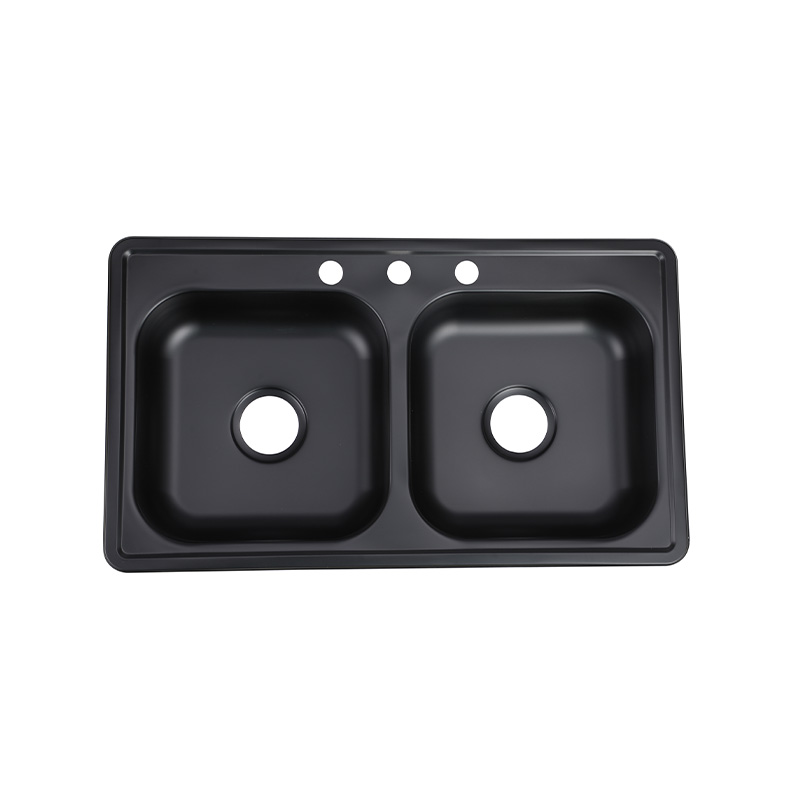
Welcome to the epitome of modern kitchen elegance and functionality with our new 33" x 19" Double Bowl Black Color Sink. This stunning sink, featuring advanced PVD (Physical Vapor Deposition) coating,...
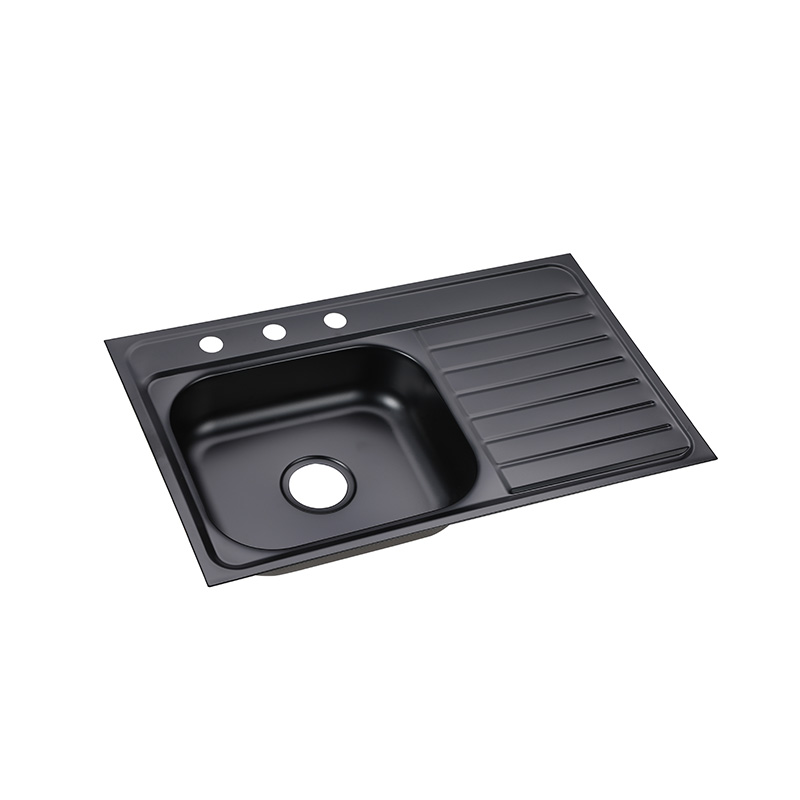
Welcome to our collection of premium PVD sinks, where functionality meets style. Among our diverse range of kitchen fixtures, the 800*500mm Left Bowl with Right Tray Sink in Black stands out as a test...
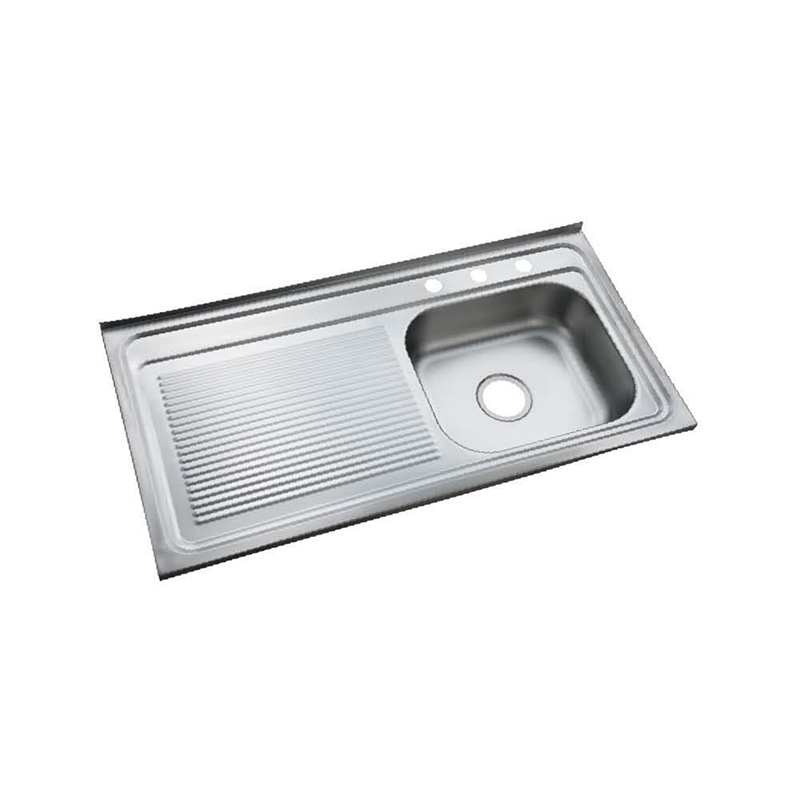
The XAL10050ERG 1000*500 mm right bowl with left tray sink in GREY color is a modern, versatile addition to any kitchen. This sink combines functionality with a sleek design, offering a practical solu...
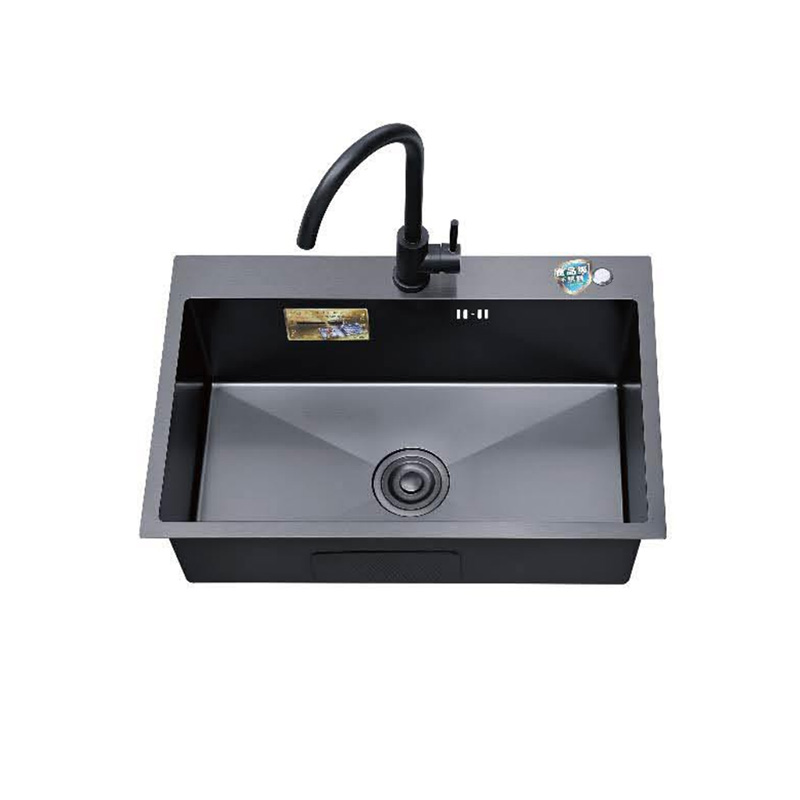
In the realm of kitchen fixtures, the single bowl handmade sink stands as a testament to the fusion of craftsmanship and functionality. Crafted with precision and care, each sink exudes a unique charm...
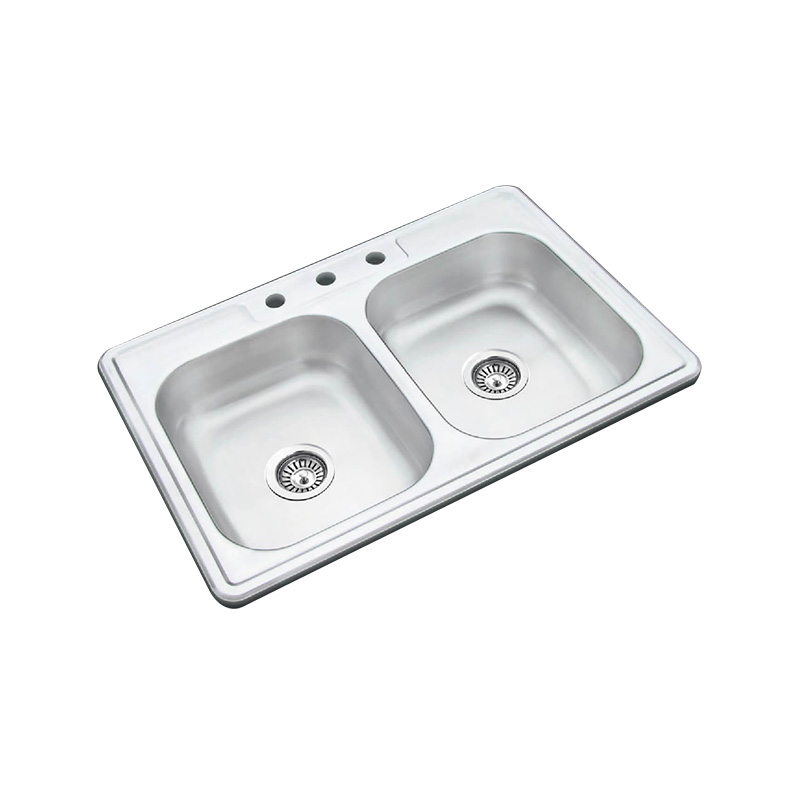
In the realm of kitchen essentials, versatility and efficiency are important. Our 3333"* 22" double bowl sink combines functionality and durability and is designed to enhance your kitchen experience. ...
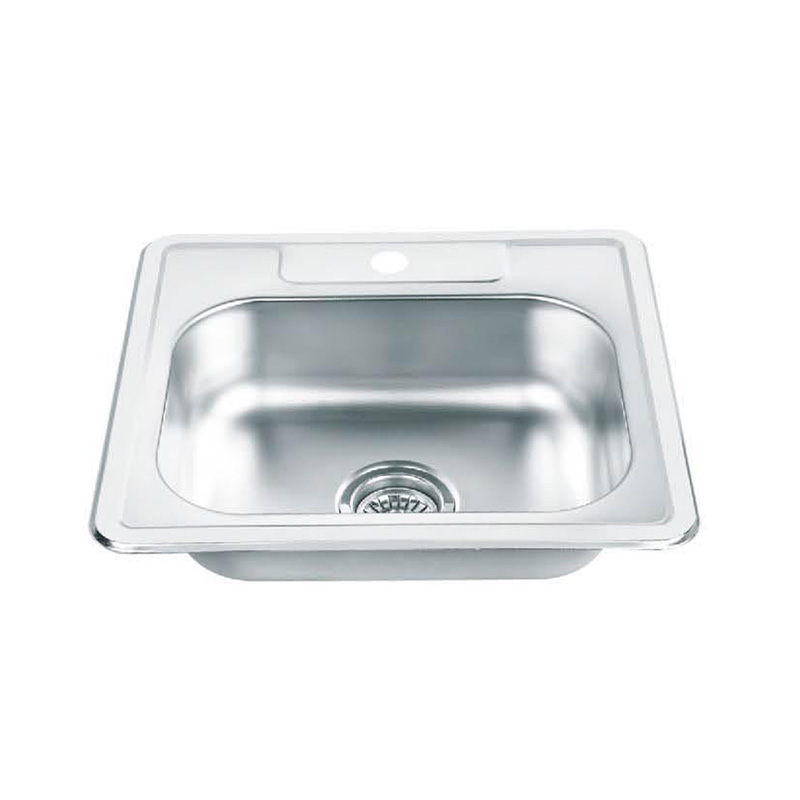
Welcome to our product showcase for the 20"*19" single bowl sink, a blend of practicality and elegance designed to meet the diverse needs of modern kitchens. This compact and efficient sink is tailore...
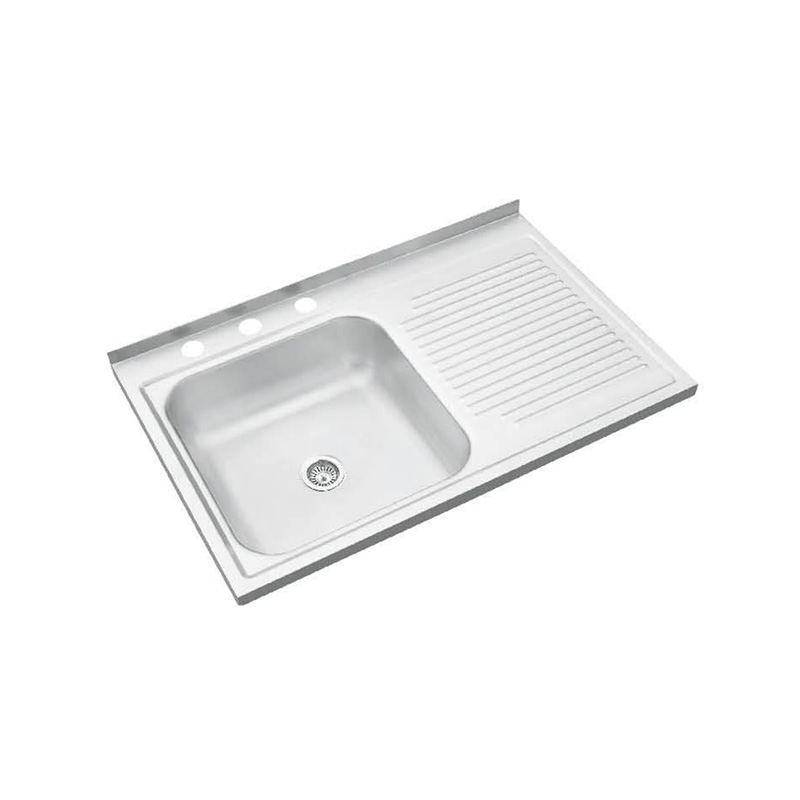
In the realm of kitchen fixtures, versatility and efficiency are important. Our 800*500 mm Left Bowl with Right Tray Sink offers a seamless blend of functionality and convenience, tailored to suit var...
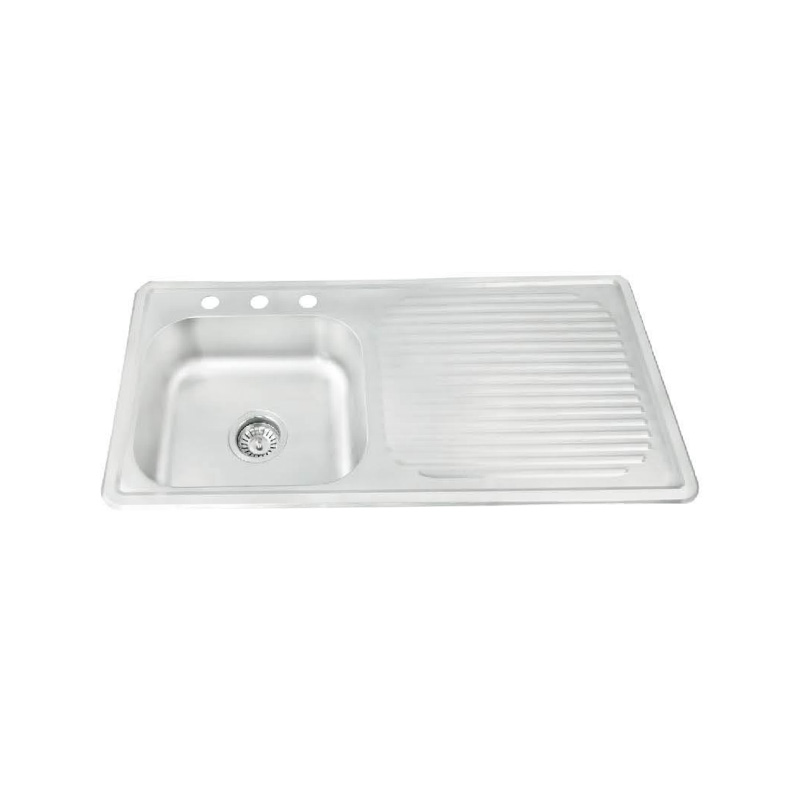
The 1000*500 mm left bowl with right tray sink is a good choice for modern kitchens requiring both style and functionality. This versatile sink is designed to handle the demands of a busy kitchen whil...
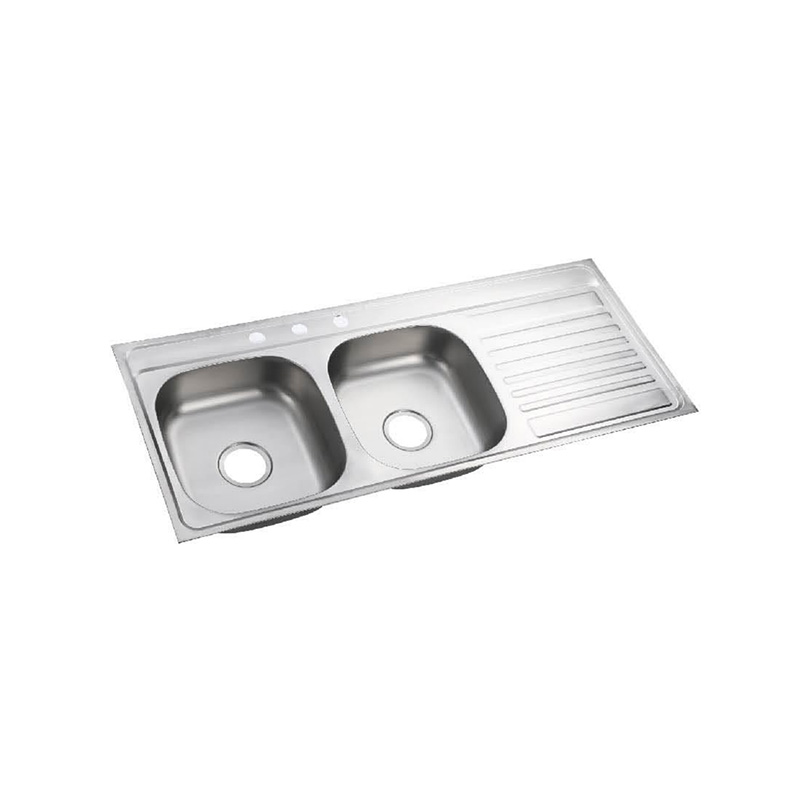
Introducing the 1200*500 mm left double bowl with right tray sink, a versatile solution for modern kitchens seeking enhanced functionality and convenience. This meticulously crafted sink combines the ...
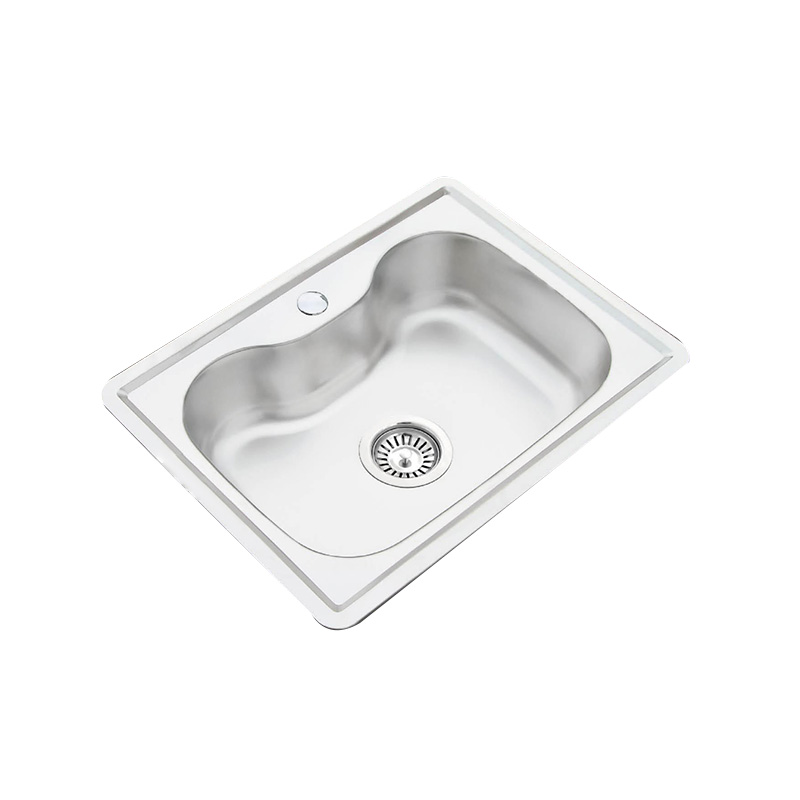
In the evolving world of kitchen design, the need for compact, efficient, and durable solutions has never been greater. Our 600*420 mm single bowl sink addresses these needs suitablely, combining spac...
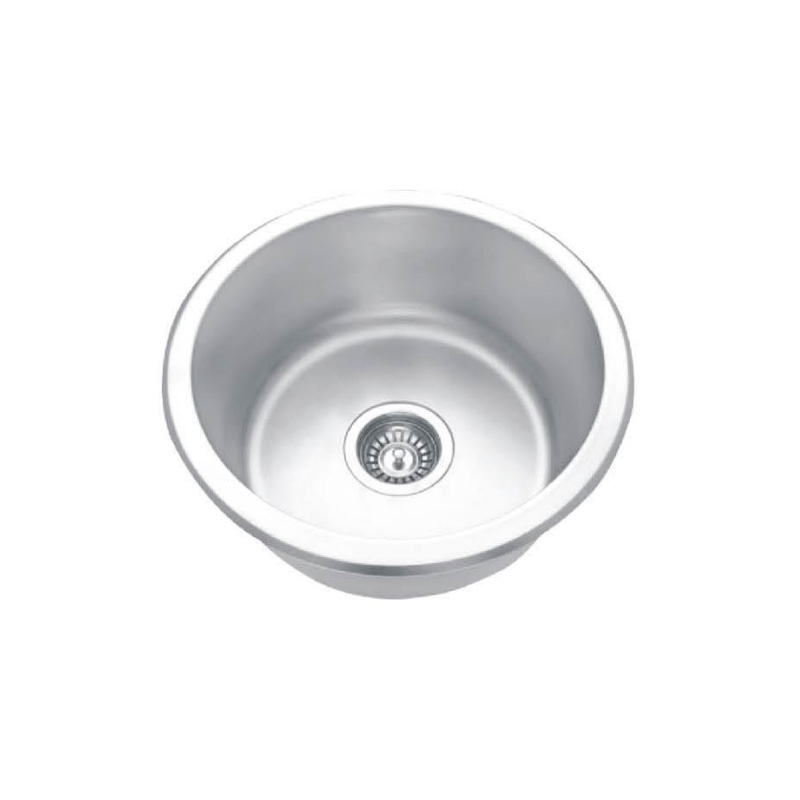
In the realm of functional kitchen fixtures, the sink reigns as a pivotal element. Enter our 420*420 mm round single bowl sink, a combination of utility and elegance that redefines kitchen essentials....

TaiZhou RunHeng Sanitary Ware Co., Ltd is an export-oriented enterprise integrating R&D, production and sales of stainless steel kitchen sink.
Copyright © 2024 TaiZhou RunHeng Sanitary Ware Co., Ltd. All Rights Reserved.
Commercial Undermount Kitchen Sinks Factory