English
 Español
 عربى
عربىProduct Consultation
Your email address will not be published. Required fields are marked *
Designing a functional and visually appealing kitchen involves careful consideration of the main fixtures, and the sink often plays a central role. For homeowners and designers exploring options, kitchen sink stainless steel factory and handmade sink factory products provide distinct advantages. While stainless steel sinks from factory settings offer consistent quality and durability, sinks crafted in handmade sink factories provide flexibility, unique design possibilities, and an artisanal touch that can shape creative kitchen layouts.
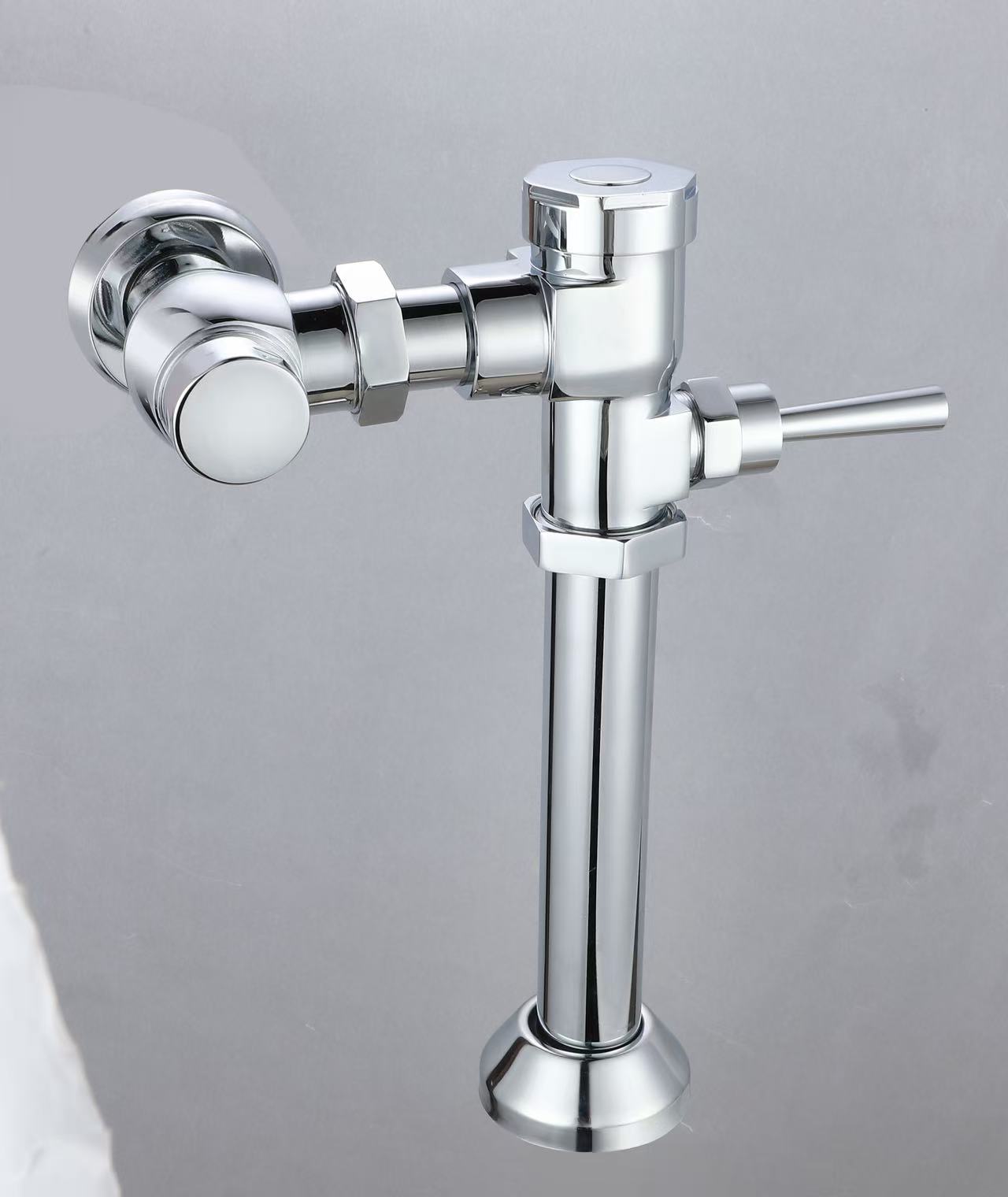
Handmade sinks from dedicated factories are created by skilled artisans who focus on detail and craftsmanship. Unlike mass-produced alternatives, each sink can feature subtle variations in finish, shape, and size, allowing it to become a defining element in a kitchen. These sinks can be tailored to fit unusual or custom layouts, enabling homeowners to explore configurations that may not work with standard designs. For instance, a kitchen with limited counter space may benefit from a deep, single-basin handmade sink that provides room for washing larger items without compromising adjacent workspace.
Additionally, handmade sinks can be shaped to complement the workflow of the kitchen. Whether the focus is on food preparation, cleaning, or multitasking, artisans can create configurations that suit both practical needs and aesthetic preferences. This level of customization can encourage designers to rethink traditional layouts, placing the sink in positions that improve accessibility, streamline movement, or highlight particular design features.
Sinks produced in stainless steel factories are valued for their uniformity, corrosion resistance, and functional lifespan. These sinks provide a dependable baseline for durability and ease of maintenance. Handmade sinks often use the same high-quality stainless steel, but the artisanal process allows for additional refinements in thickness, finish, and seam construction. This combination of durable material and skilled craftsmanship ensures that the sink can withstand regular use while maintaining its appearance over time.
The durability and material quality of handmade sinks also influence kitchen planning. A sink that can handle heavy cookware, water exposure, and temperature changes without warping or staining allows homeowners to place it in locations that suit workflow rather than being constrained by durability concerns. This opens up more options for integrating islands, peninsulas, or multi-functional countertops into kitchen layouts.
One of the main reasons handmade sink factory sinks inspire creative kitchen layouts is their versatility. Artisans can produce sinks in various configurations, from single or double basins to unique shapes that match specific cabinetry or countertop designs. This flexibility allows for a personalized approach, letting homeowners choose dimensions, depth, and even drain placement according to the kitchen’s particular requirements.
For kitchens with limited space, a well-designed handmade sink can offer adequate capacity without requiring oversized countertops. Conversely, in open-plan kitchens, larger or custom-shaped sinks can serve as a central visual feature while supporting multiple tasks simultaneously. The ability to adapt the sink to the space rather than adjusting the kitchen to a standard sink size allows for more inventive arrangements and functional zoning within the kitchen.
Beyond practical considerations, handmade sinks contribute to the visual appeal of the kitchen. Clean lines, smooth finishes, and carefully executed welds make these sinks attractive focal points that integrate with various materials, such as wood, stone, or engineered surfaces. A sink with a refined finish or distinctive shape can inspire designers to arrange surrounding elements, such as countertops, shelving, and appliances, in ways that complement and highlight the sink’s presence.
The combination of durability and aesthetic flexibility means that handmade sinks can support diverse kitchen styles, from contemporary minimalism to traditional layouts. By considering both workflow and visual alignment, designers and homeowners can use the sink as a guiding element when planning storage, preparation zones, or cooking areas.
Maintenance is another factor that encourages creative sink placement. Handmade sinks typically feature smooth, non-porous surfaces that resist staining and are simple to clean. This makes it easier to position the sink in prominent areas or near high-traffic zones without concern for intensive upkeep. The practical benefits of easy cleaning and resistance to minor scratches or water spots ensure that the sink continues to function well in the chosen layout over time.
When Can Handmade Sink Transform Ordinary Bathrooms Into Stylish Spaces?
How Can Handmade Sink Factory Add Character To Kitchen Spaces?
Your email address will not be published. Required fields are marked *

Introducing our 19" x 19" single bowl black color sink, a stellar addition to our PVD sink collection. Designed with both aesthetics and functionality in mind, this sink is suitable for modern kitchen...
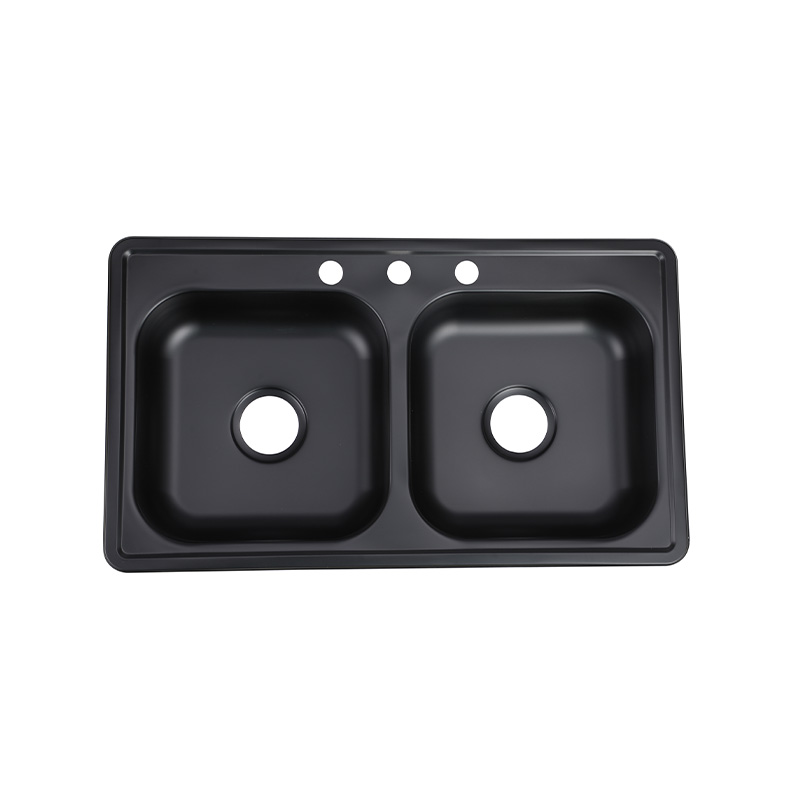
Welcome to the epitome of modern kitchen elegance and functionality with our new 33" x 19" Double Bowl Black Color Sink. This stunning sink, featuring advanced PVD (Physical Vapor Deposition) coating,...
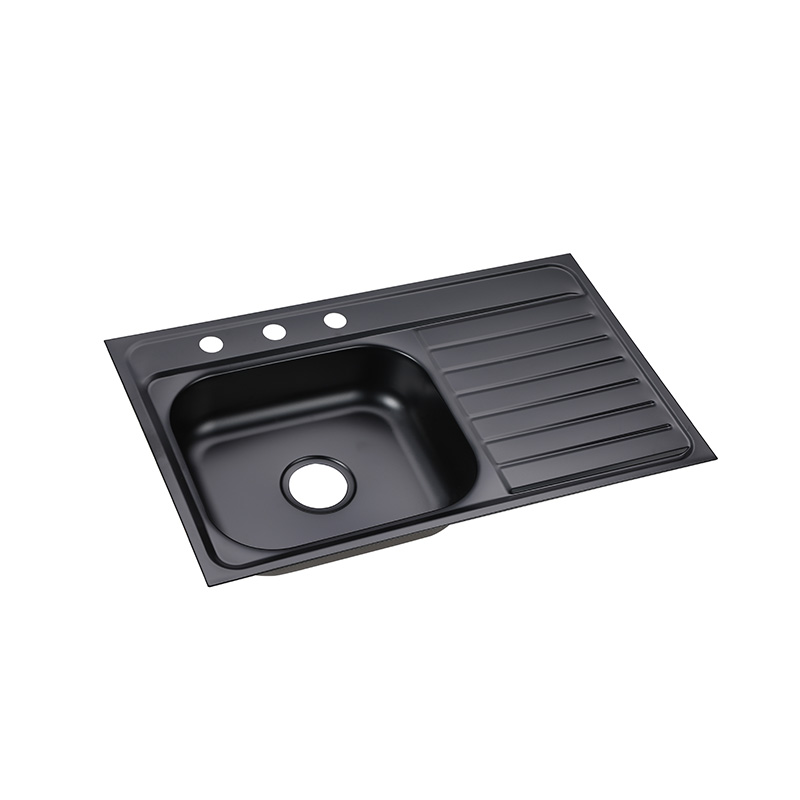
Welcome to our collection of premium PVD sinks, where functionality meets style. Among our diverse range of kitchen fixtures, the 800*500mm Left Bowl with Right Tray Sink in Black stands out as a test...
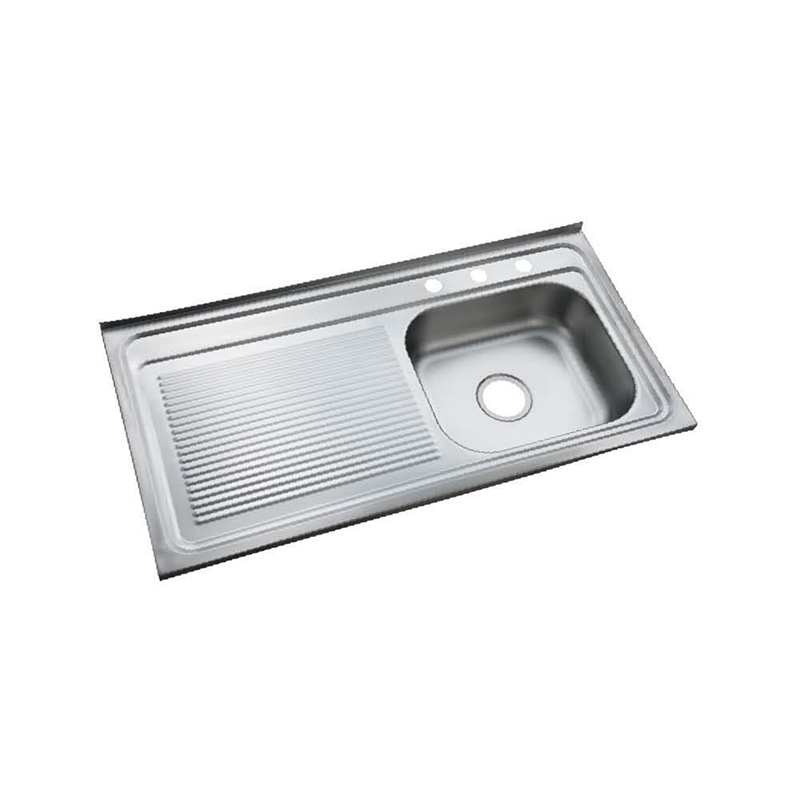
The XAL10050ERG 1000*500 mm right bowl with left tray sink in GREY color is a modern, versatile addition to any kitchen. This sink combines functionality with a sleek design, offering a practical solu...
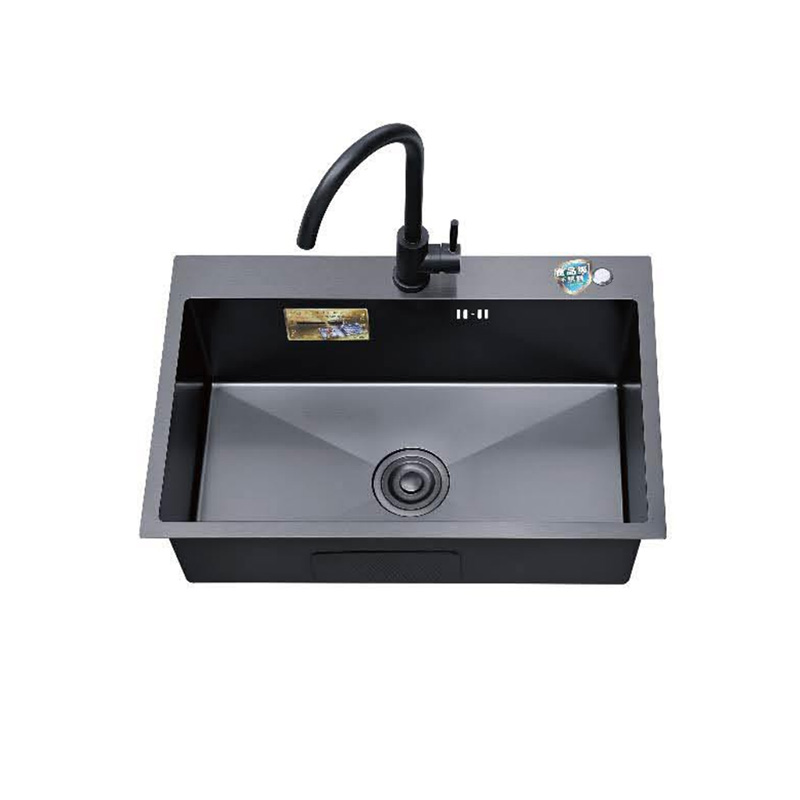
In the realm of kitchen fixtures, the single bowl handmade sink stands as a testament to the fusion of craftsmanship and functionality. Crafted with precision and care, each sink exudes a unique charm...
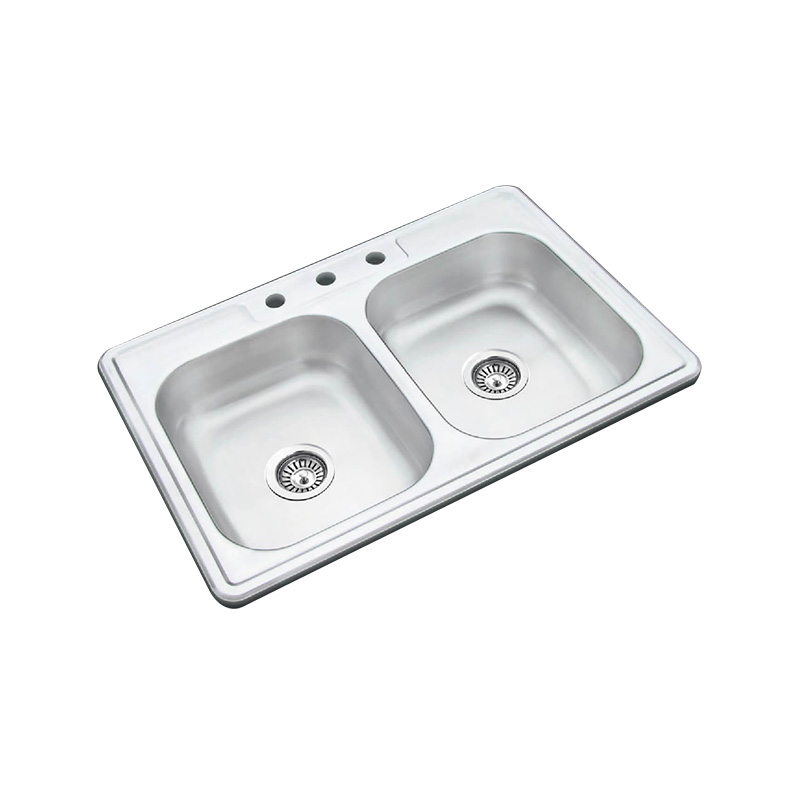
In the realm of kitchen essentials, versatility and efficiency are important. Our 3333"* 22" double bowl sink combines functionality and durability and is designed to enhance your kitchen experience. ...
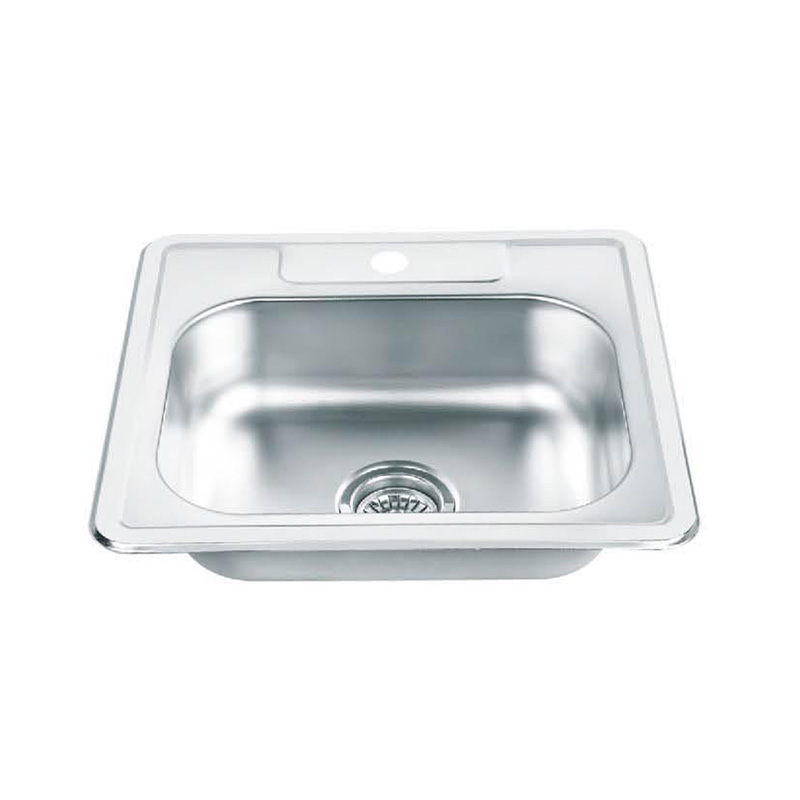
Welcome to our product showcase for the 20"*19" single bowl sink, a blend of practicality and elegance designed to meet the diverse needs of modern kitchens. This compact and efficient sink is tailore...
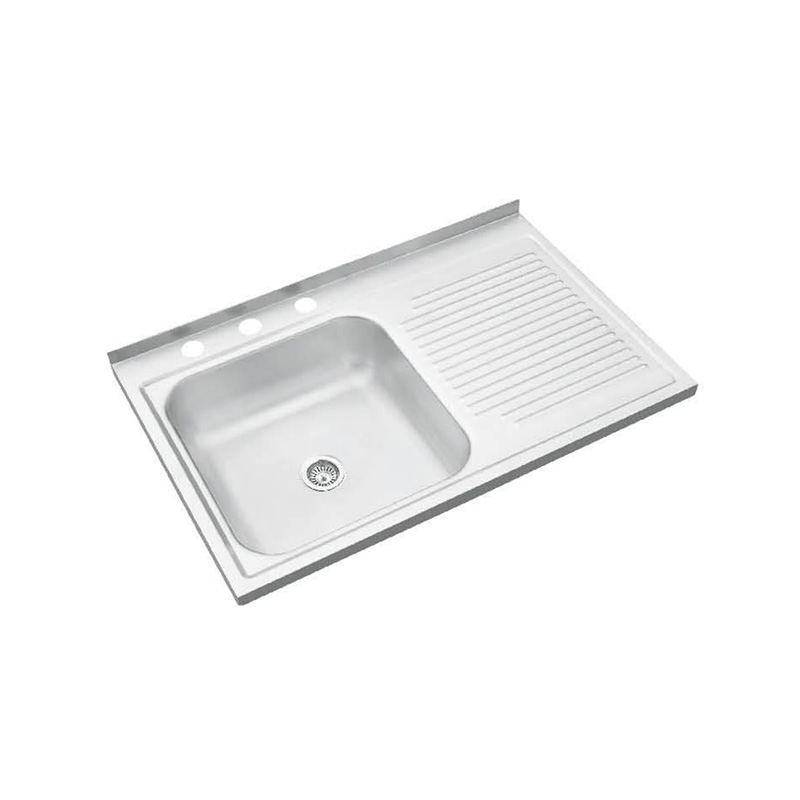
In the realm of kitchen fixtures, versatility and efficiency are important. Our 800*500 mm Left Bowl with Right Tray Sink offers a seamless blend of functionality and convenience, tailored to suit var...
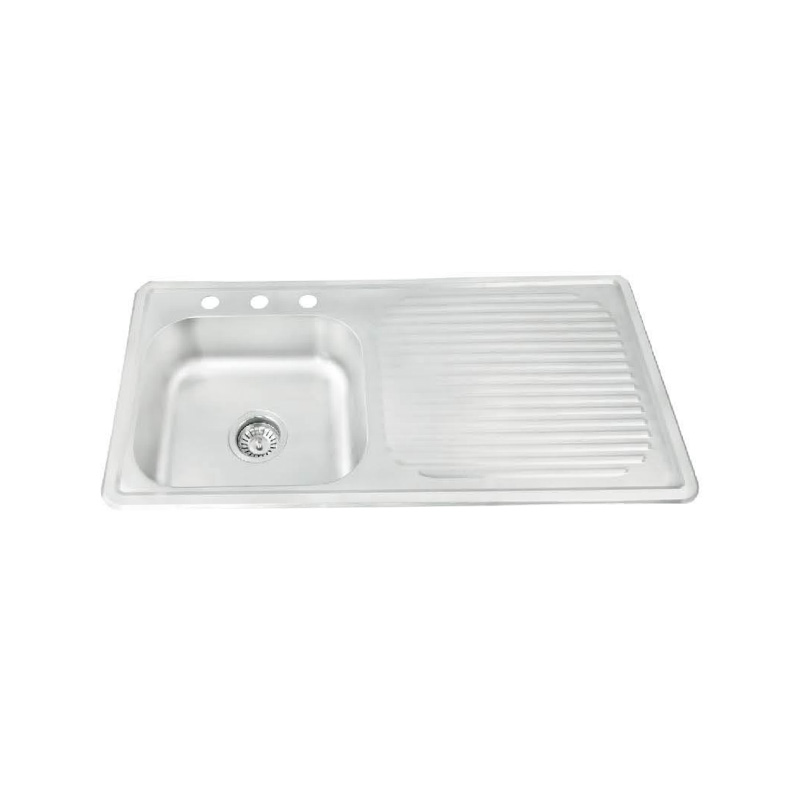
The 1000*500 mm left bowl with right tray sink is a good choice for modern kitchens requiring both style and functionality. This versatile sink is designed to handle the demands of a busy kitchen whil...
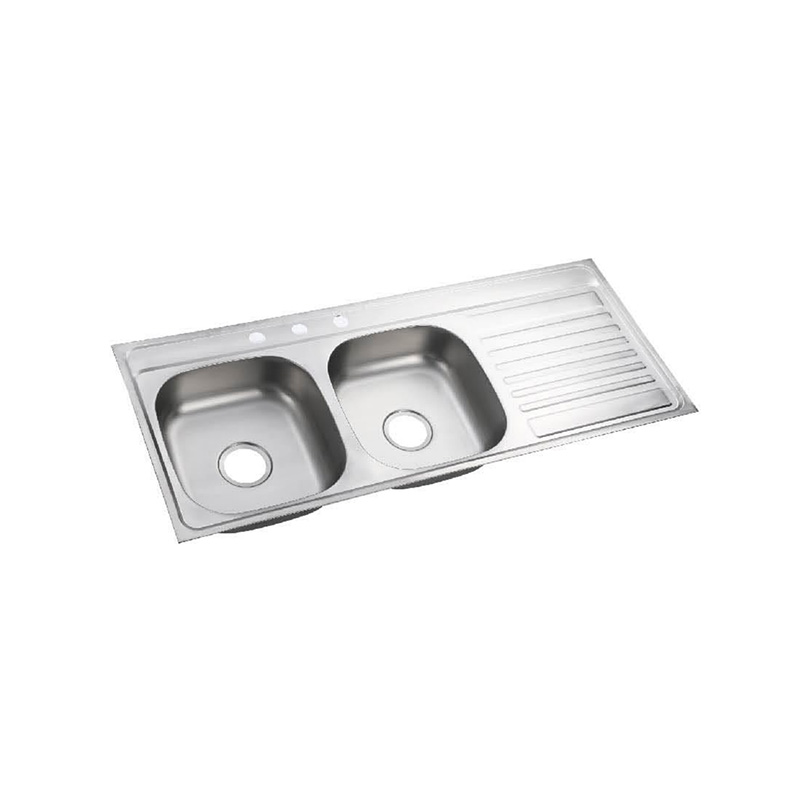
Introducing the 1200*500 mm left double bowl with right tray sink, a versatile solution for modern kitchens seeking enhanced functionality and convenience. This meticulously crafted sink combines the ...
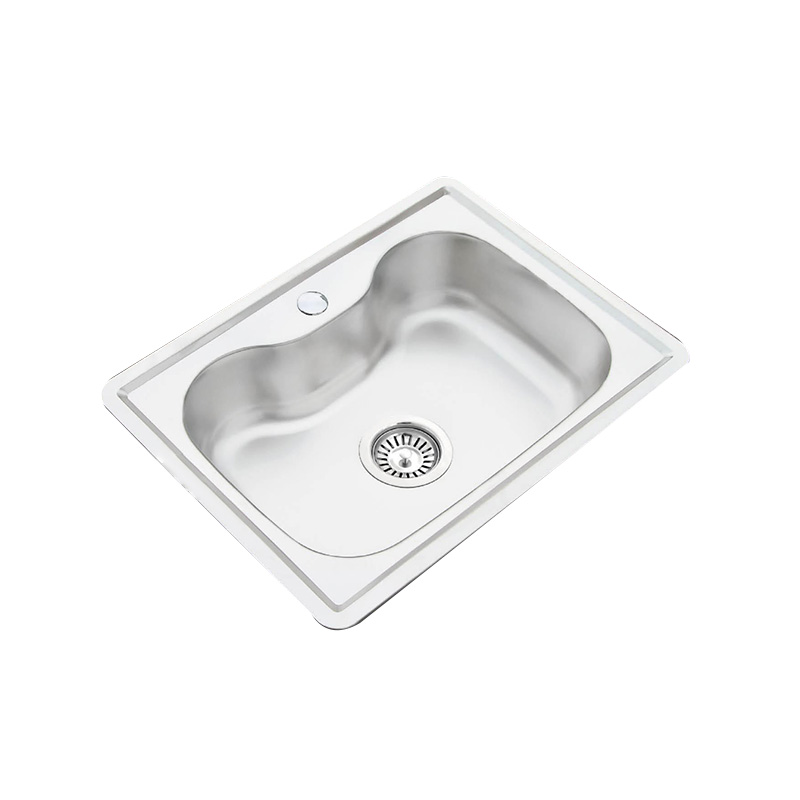
In the evolving world of kitchen design, the need for compact, efficient, and durable solutions has never been greater. Our 600*420 mm single bowl sink addresses these needs suitablely, combining spac...
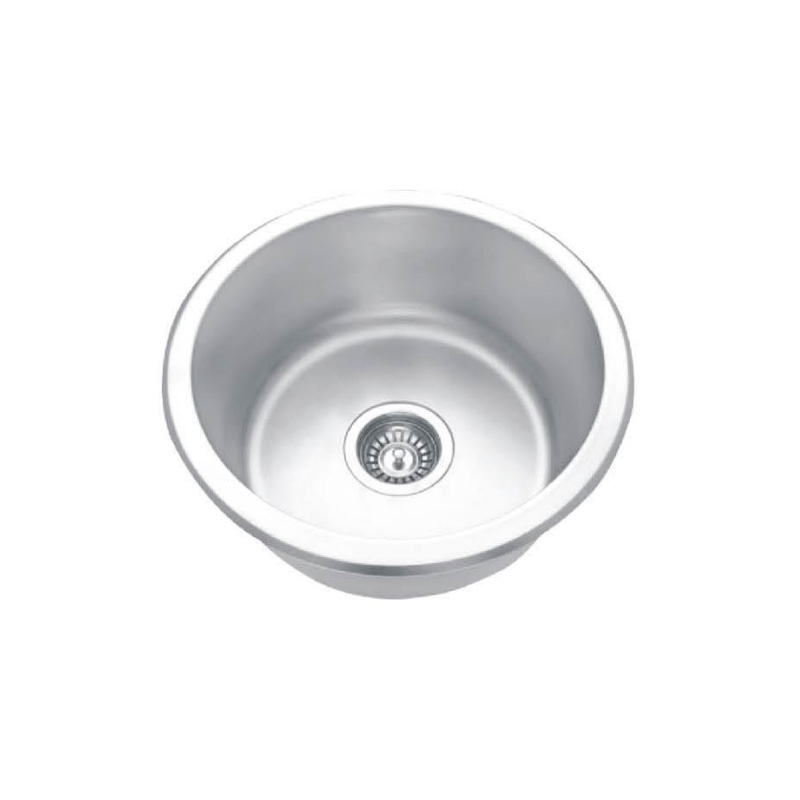
In the realm of functional kitchen fixtures, the sink reigns as a pivotal element. Enter our 420*420 mm round single bowl sink, a combination of utility and elegance that redefines kitchen essentials....

TaiZhou RunHeng Sanitary Ware Co., Ltd is an export-oriented enterprise integrating R&D, production and sales of stainless steel kitchen sink.
Copyright © 2024 TaiZhou RunHeng Sanitary Ware Co., Ltd. All Rights Reserved.
Commercial Undermount Kitchen Sinks Factory