English
 Español
 عربى
عربىProduct Consultation
Your email address will not be published. Required fields are marked *
Kitchen spaces often communicate their style through subtle, functional elements rather than decorative additions alone. Among these elements, the sink plays a central yet understated role. When comparing products from a kitchen sink stainless steel factory and a handmade sink factory, the difference is not only about production methods but also about how each approach shapes visual balance and daily interaction. Handmade sink creations influence kitchen aesthetics by aligning material, proportion, and craftsmanship with the overall spatial design, allowing kitchens to feel more intentional and cohesive.
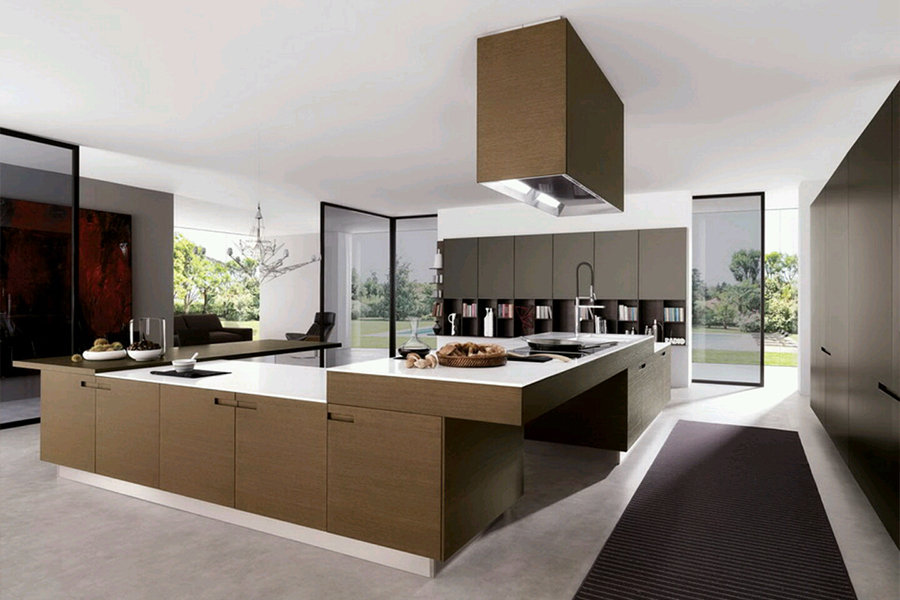
A sink occupies a fixed position within the kitchen, making it one of the few components that remains constantly visible during daily use. Handmade sink factories approach sink design with attention to edges, surface transitions, and proportions. These details affect how the sink visually connects with countertops, cabinetry, and surrounding fixtures.
Rather than appearing as a standardized insert, a handmade sink often feels integrated into the kitchen structure. Subtle variations in finish or edge treatment can soften rigid lines created by cabinets and appliances. This visual continuity helps the sink blend naturally into the space, contributing to an overall aesthetic that feels deliberate rather than assembled from unrelated parts.
Stainless steel remains a common choice for kitchen sinks due to its durability and ease of care. Products from a kitchen sink stainless steel factory typically emphasize consistency and uniform surface finishes. Handmade sink factories, while often using the same stainless steel grades, apply different surface treatments that influence how light interacts with the sink.
Hand-applied brushing or controlled polishing can create a surface that appears calmer under various lighting conditions. This affects how the sink complements nearby materials such as stone countertops or tiled backsplashes. A thoughtfully finished surface avoids visual harshness and supports kitchens where balance and restraint are preferred over bold contrast.
Aesthetic transformation in kitchens is not limited to color or texture; proportions play a significant role. Handmade sink factories allow adjustments in basin depth, width, and corner radius. These dimensional choices affect how the sink occupies space within the countertop.
A deeper basin can visually ground a kitchen island, while a wider sink can align more closely with long countertop runs. In smaller kitchens, carefully considered proportions help prevent the sink from overpowering surrounding surfaces. By matching sink dimensions to the scale of the kitchen, handmade designs contribute to visual harmony and reduce the sense of crowding or imbalance.
One way handmade sink creations influence kitchen aesthetics is through integration. Flush-mount, undermount, or apron-style installations each interact differently with countertops and cabinetry. Handmade sink factories often support these installation methods with precise adjustments, allowing the sink to sit evenly and align cleanly with adjacent materials.
This level of integration affects how the kitchen is perceived at a glance. Smooth transitions between sink and countertop create uninterrupted visual lines, which can make the space feel more organized. When installation details are handled carefully, the sink becomes part of the kitchen’s architectural structure rather than a separate component.
Craftsmanship in handmade sinks introduces small but noticeable details such as consistent weld seams, even edge thickness, and controlled surface textures. These elements add visual depth without relying on ornamentation. Over time, users become familiar with these details during everyday tasks, reinforcing the sense that the kitchen has been thoughtfully designed.
Unlike decorative features that may draw attention initially but fade in relevance, these craft details remain part of daily interaction. This sustained presence contributes to a kitchen aesthetic that feels grounded in function and use rather than short-term trends.
Handmade sink factory creations are adaptable across a range of kitchen styles. In contemporary kitchens, clean lines and restrained finishes align well with minimal cabinetry and neutral color palettes. In more traditional or transitional kitchens, subtle variations in edge shape or basin depth can echo classic design elements without appearing overly ornate.
This adaptability allows the sink to support the overall design direction rather than competing with it. By maintaining a balanced presence, handmade sinks help kitchens express a consistent visual language, regardless of whether the style leans modern, industrial, or classic.
Handmade sinks are designed to handle daily tasks while maintaining surface integrity. Over time, light marks or patina may develop, reflecting regular use rather than neglect.
This gradual change often aligns with the way other kitchen materials age, such as wood surfaces or natural stone. Instead of disrupting the visual balance, these changes contribute to a cohesive, lived-in appearance. Kitchens designed with this long-term perspective tend to feel more authentic and less dependent on constant updates.
For homeowners and designers evaluating sink options, understanding how handmade sink designs affect aesthetics can guide practical decisions. Considering how the sink interacts with lighting, material finishes, and spatial proportions helps ensure that visual appeal is supported by daily usability.
Choosing a handmade sink is not about adding decoration but about refining how essential elements fit together. When the sink’s design aligns with the kitchen’s functional needs and visual goals, the result is a space that feels composed and intentional.
How Can Handmade Sink Factory Add Character To Kitchen Spaces?
Where Can Kitchen Sink Stainless Steel Factory Improve Everyday Cooking?
Your email address will not be published. Required fields are marked *

Introducing our 19" x 19" single bowl black color sink, a stellar addition to our PVD sink collection. Designed with both aesthetics and functionality in mind, this sink is suitable for modern kitchen...
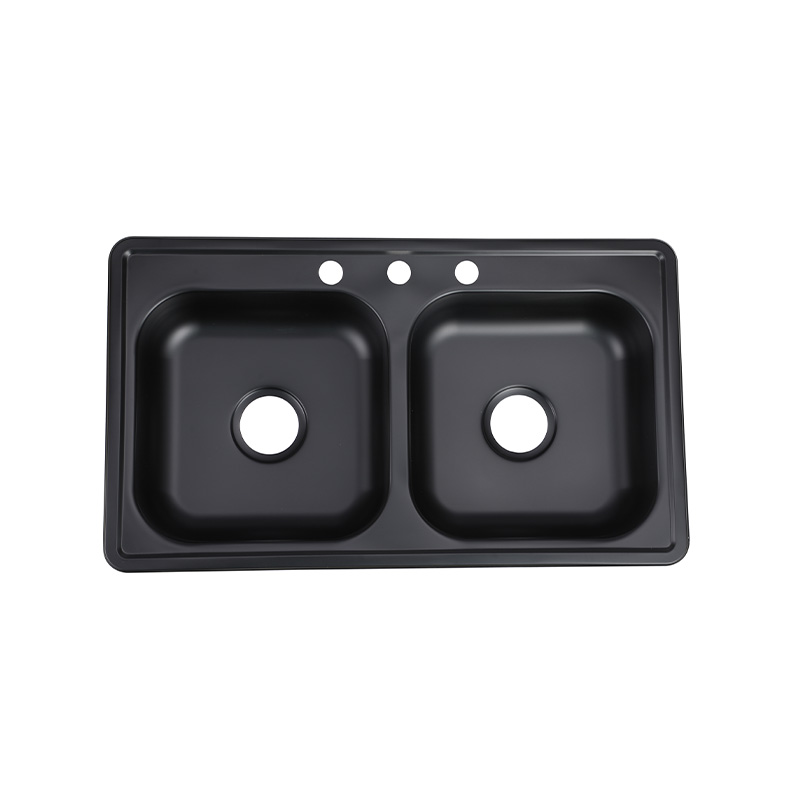
Welcome to the epitome of modern kitchen elegance and functionality with our new 33" x 19" Double Bowl Black Color Sink. This stunning sink, featuring advanced PVD (Physical Vapor Deposition) coating,...
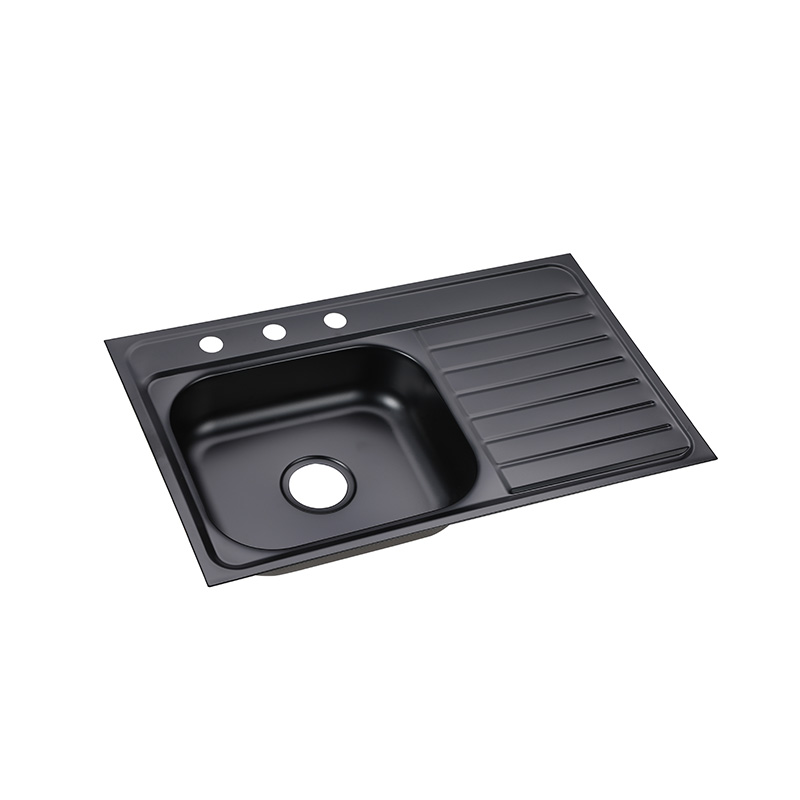
Welcome to our collection of premium PVD sinks, where functionality meets style. Among our diverse range of kitchen fixtures, the 800*500mm Left Bowl with Right Tray Sink in Black stands out as a test...
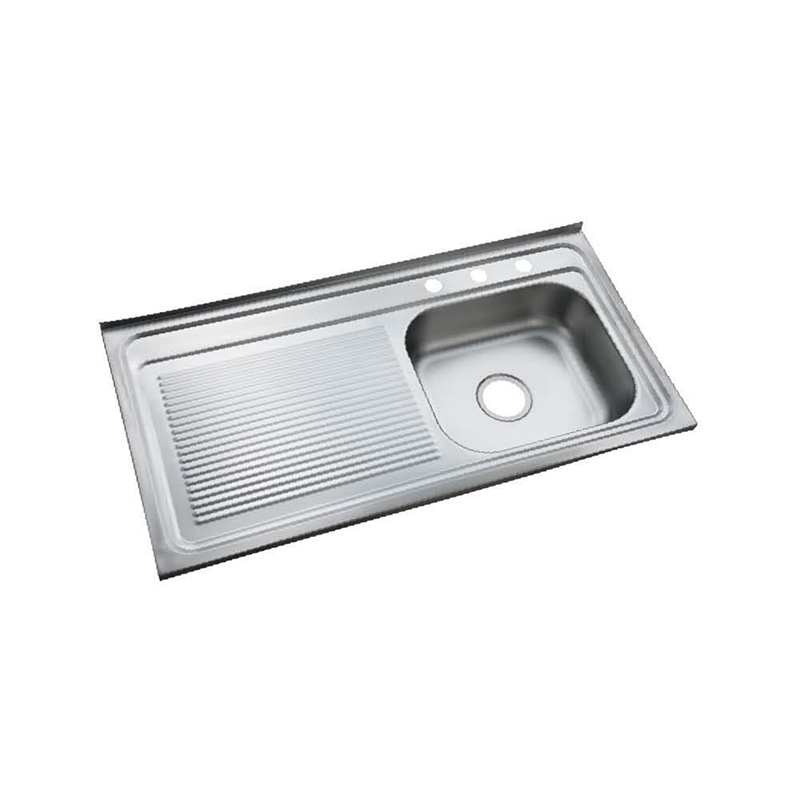
The XAL10050ERG 1000*500 mm right bowl with left tray sink in GREY color is a modern, versatile addition to any kitchen. This sink combines functionality with a sleek design, offering a practical solu...
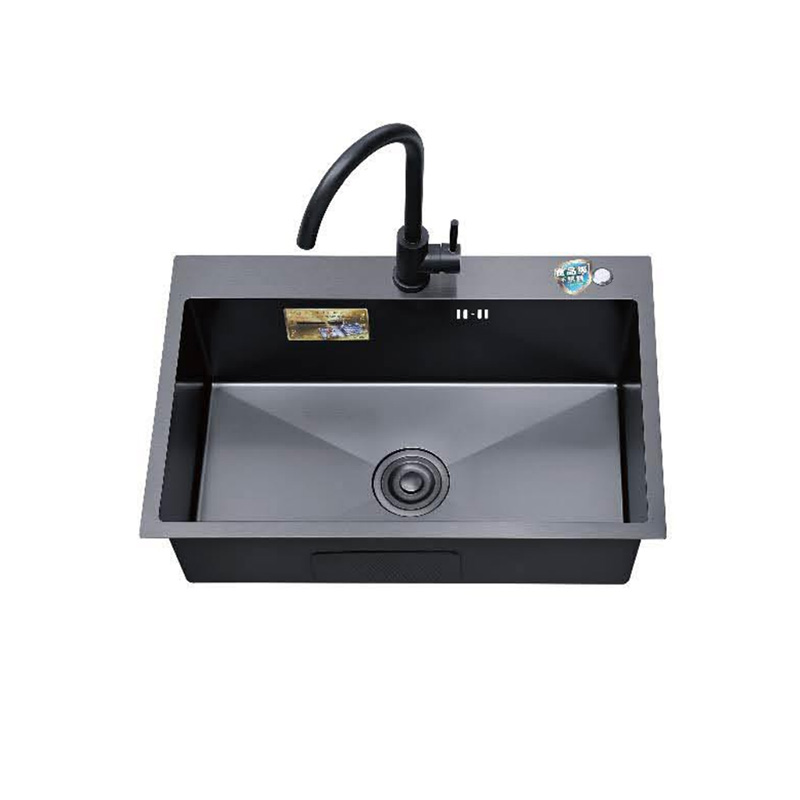
In the realm of kitchen fixtures, the single bowl handmade sink stands as a testament to the fusion of craftsmanship and functionality. Crafted with precision and care, each sink exudes a unique charm...
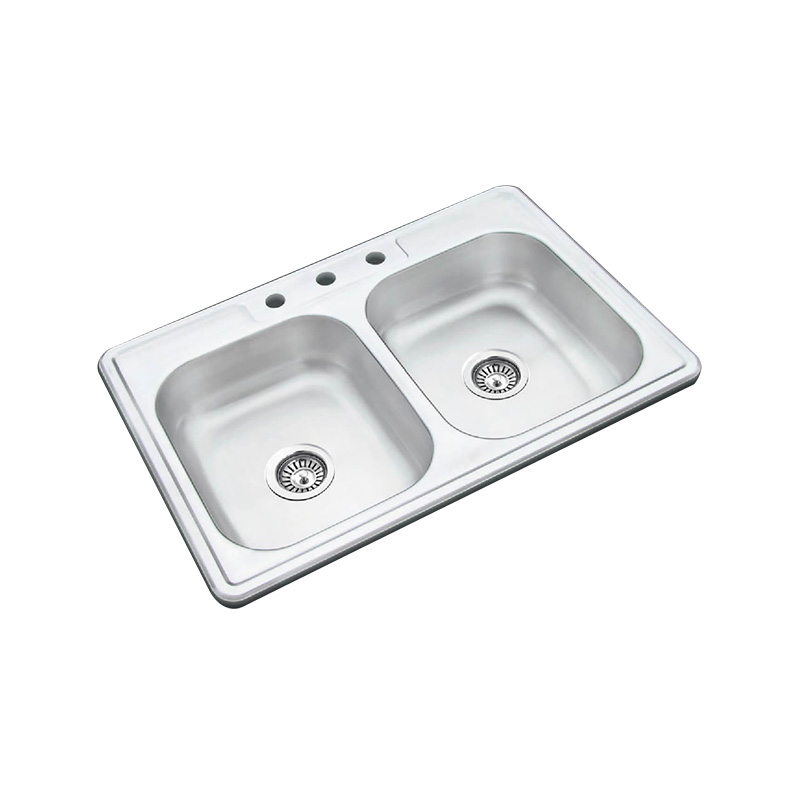
In the realm of kitchen essentials, versatility and efficiency are important. Our 3333"* 22" double bowl sink combines functionality and durability and is designed to enhance your kitchen experience. ...
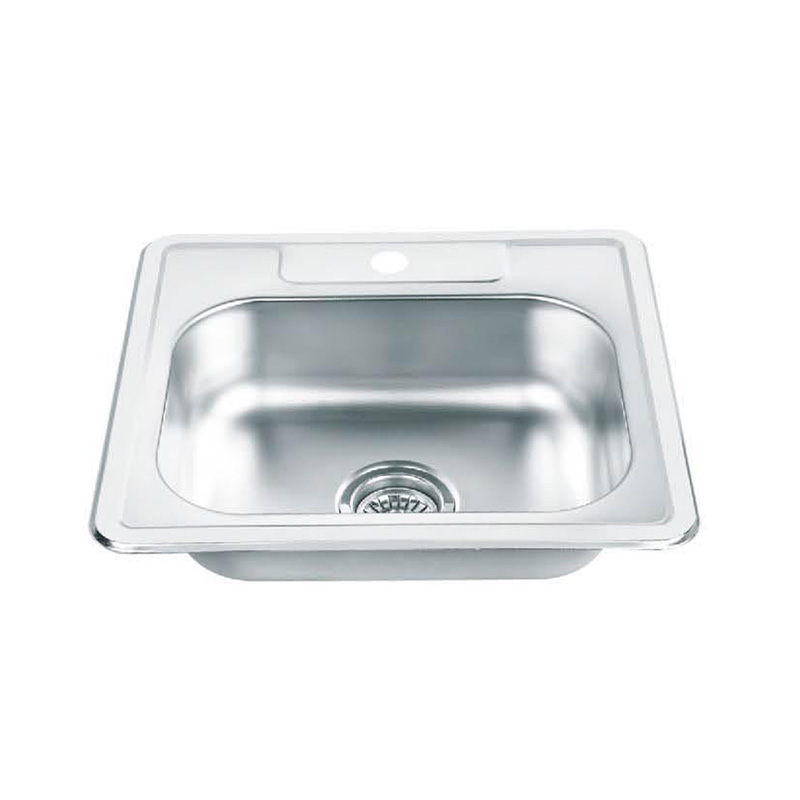
Welcome to our product showcase for the 20"*19" single bowl sink, a blend of practicality and elegance designed to meet the diverse needs of modern kitchens. This compact and efficient sink is tailore...
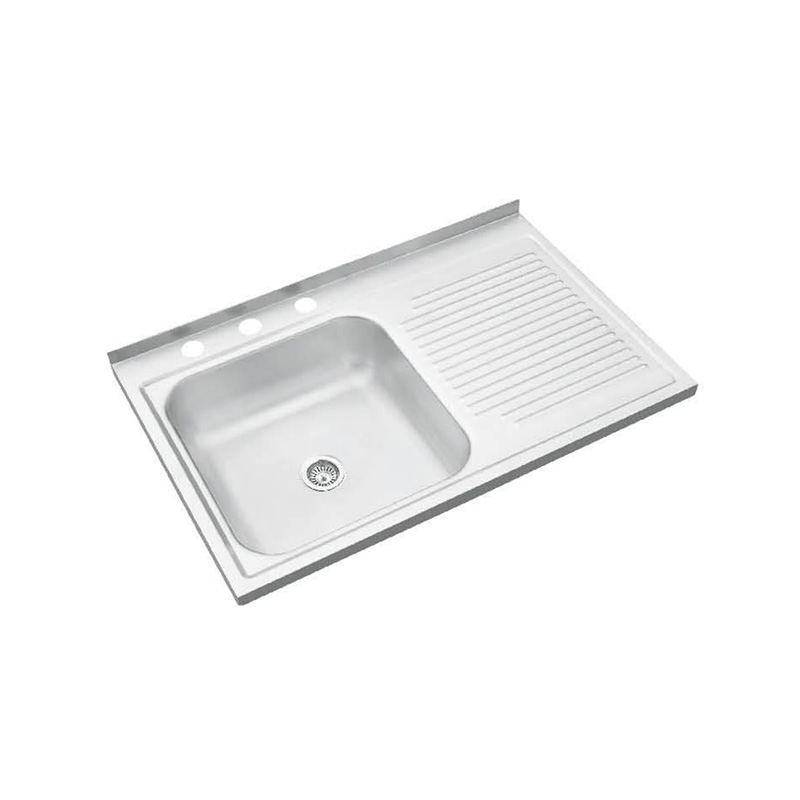
In the realm of kitchen fixtures, versatility and efficiency are important. Our 800*500 mm Left Bowl with Right Tray Sink offers a seamless blend of functionality and convenience, tailored to suit var...
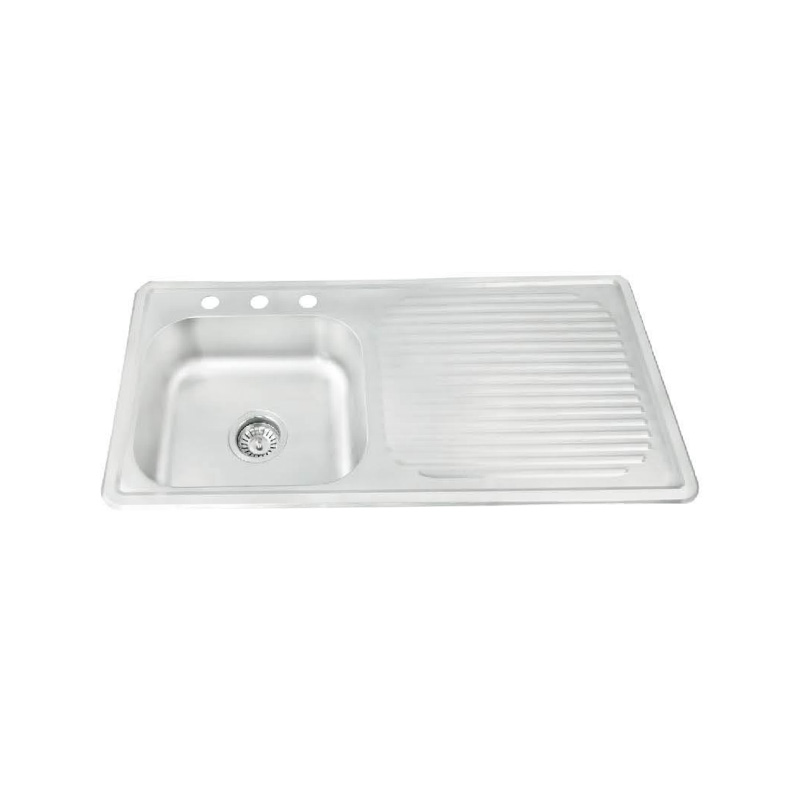
The 1000*500 mm left bowl with right tray sink is a good choice for modern kitchens requiring both style and functionality. This versatile sink is designed to handle the demands of a busy kitchen whil...
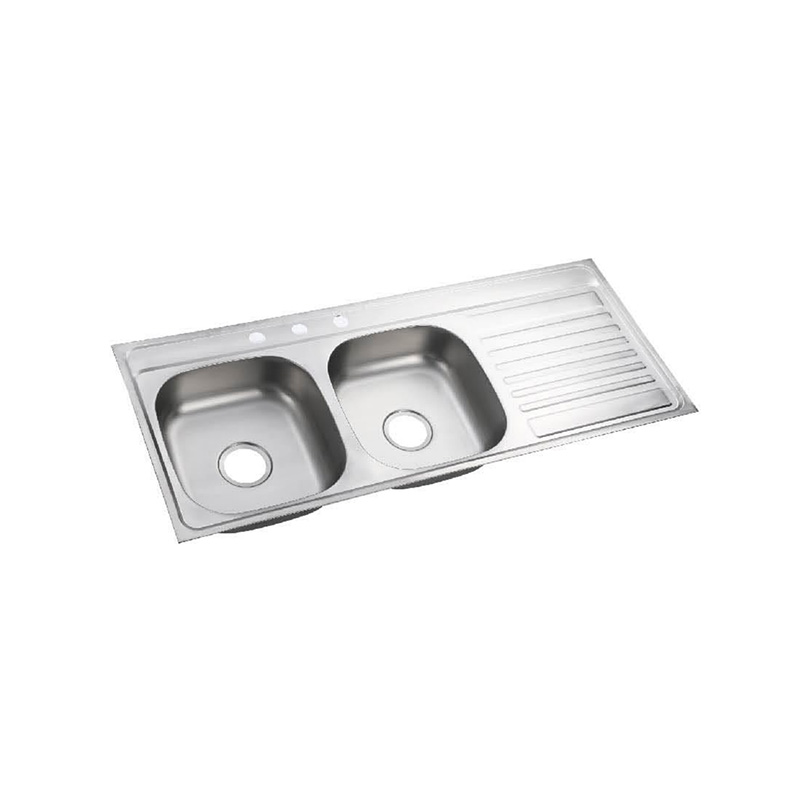
Introducing the 1200*500 mm left double bowl with right tray sink, a versatile solution for modern kitchens seeking enhanced functionality and convenience. This meticulously crafted sink combines the ...
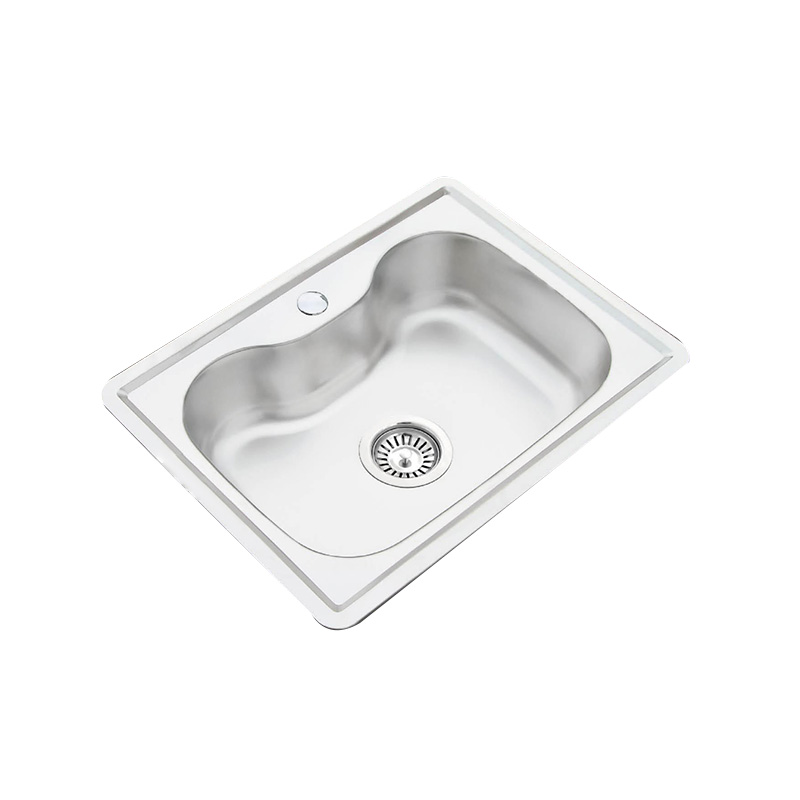
In the evolving world of kitchen design, the need for compact, efficient, and durable solutions has never been greater. Our 600*420 mm single bowl sink addresses these needs suitablely, combining spac...
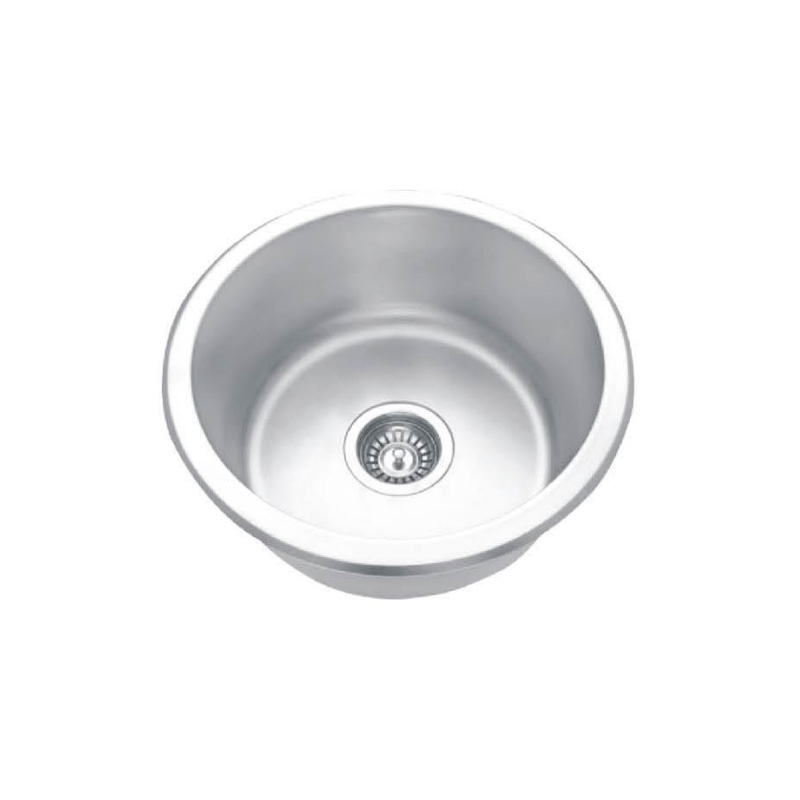
In the realm of functional kitchen fixtures, the sink reigns as a pivotal element. Enter our 420*420 mm round single bowl sink, a combination of utility and elegance that redefines kitchen essentials....

TaiZhou RunHeng Sanitary Ware Co., Ltd is an export-oriented enterprise integrating R&D, production and sales of stainless steel kitchen sink.
Copyright © 2024 TaiZhou RunHeng Sanitary Ware Co., Ltd. All Rights Reserved.
Commercial Undermount Kitchen Sinks Factory