English
 Español
 عربى
Product Consultation
Your email address will not be published. Required fields are marked *
Kitchen design increasingly focuses on clean lines, practical work surfaces, and materials that are easy to maintain. Undermount sinks support this approach by sitting beneath the countertop, creating a smooth transition between the sink and surrounding worktop. However, a successful installation depends on more than appearance. For kitchen cabinet manufacturers, countertop fabricators, and building material distributors, choosing the right product from an undermount sink factory means checking dimensions, mounting compatibility, material finish, drainage design, and production consistency before placing an order.

An undermount sink must fit the countertop opening and the cabinet space beneath it. Even a small mismatch between the sink dimensions, cutout, and available cabinet clearance can complicate installation.
Buyers should confirm the overall length, width, bowl depth, corner radius, and mounting requirements before approving a product. For custom kitchen projects, technical drawings are particularly useful because countertop fabricators need accurate information to prepare the opening.
Manufacturers should provide clear dimensional specifications and communicate any installation allowances required by the sink design. This helps reduce avoidable adjustments during countertop processing and on-site assembly.
Unlike top-mount sinks, undermount models rely on a secure connection beneath the countertop. The material and thickness of the worktop therefore influence the installation method.
Natural stone, engineered stone, and other countertop materials may require different fixing arrangements and installation procedures. Buyers should check whether the selected sink is compatible with the intended worktop and follow the recommendations of the countertop and installation professionals.
For project procurement, it is useful to confirm the mounting method before finalizing the sink order. This can help prevent situations where a visually suitable product proves difficult to install with the specified countertop.
Kitchen sinks are exposed to water, food residue, cleaning products, and frequent contact with cookware. Material selection and surface finishing influence how the sink looks and how users care for it over time.
When comparing products, buyers should consider the material specification, surface consistency, resistance to everyday staining, and recommended cleaning methods. They should also examine the finish under normal lighting to identify visible scratches, uneven polishing, or inconsistent surface appearance.
A manufacturer should communicate material and care information clearly so distributors and retailers can provide accurate guidance to end users.
A sink's internal layout affects how comfortably users can wash dishes, prepare food, and clean larger cookware. Single-bowl designs provide an open washing area, while double-bowl configurations allow users to separate tasks.
The right choice depends on kitchen size, cabinet dimensions, and household or commercial usage. Buyers should also consider bowl depth and the position of the drain outlet, as these details influence usable space and plumbing arrangements.
For wholesale orders, offering several practical configurations can help distributors serve different kitchen layouts without relying on one standard design.
A well-designed sink should work smoothly with the surrounding plumbing and countertop accessories. Drain opening dimensions, waste fittings, overflow arrangements, and compatible strainers should be confirmed before production or shipment.
Buyers can review the following details when comparing suppliers:
Checking these details early helps avoid purchasing a sink that requires additional parts or unexpected plumbing adjustments.
For importers and kitchen brands, evaluating one sample is only part of the sourcing process. Bulk orders also require consistency in dimensions, surface finish, welding or forming quality, and accessory configuration.
A professional undermount sink factory should have suitable procedures for checking incoming materials, monitoring production, and inspecting finished products. Buyers can ask how dimensional accuracy is verified and how surface defects are identified before packing.
Clear product specifications and agreed inspection criteria also make repeat orders easier to manage, particularly when the same sink model is supplied for multiple kitchen projects.
An undermount sink is part of a larger kitchen system involving the countertop, cabinet, plumbing, and accessories. Selecting it only by price or appearance may overlook details that affect installation and customer satisfaction.
When working with an undermount sink factory, overseas buyers should discuss project dimensions, countertop materials, bowl configurations, finish expectations, and packaging requirements in advance. A manufacturer that understands these connected requirements can help buyers evaluate product suitability more accurately and develop sink options that meet the needs of their target market.
Your email address will not be published. Required fields are marked *

Introducing our 19" x 19" single bowl black color sink, a stellar addition to our PVD sink collection. Designed with both aesthetics and functionality in mind, this sink is suitable for modern kitchen...
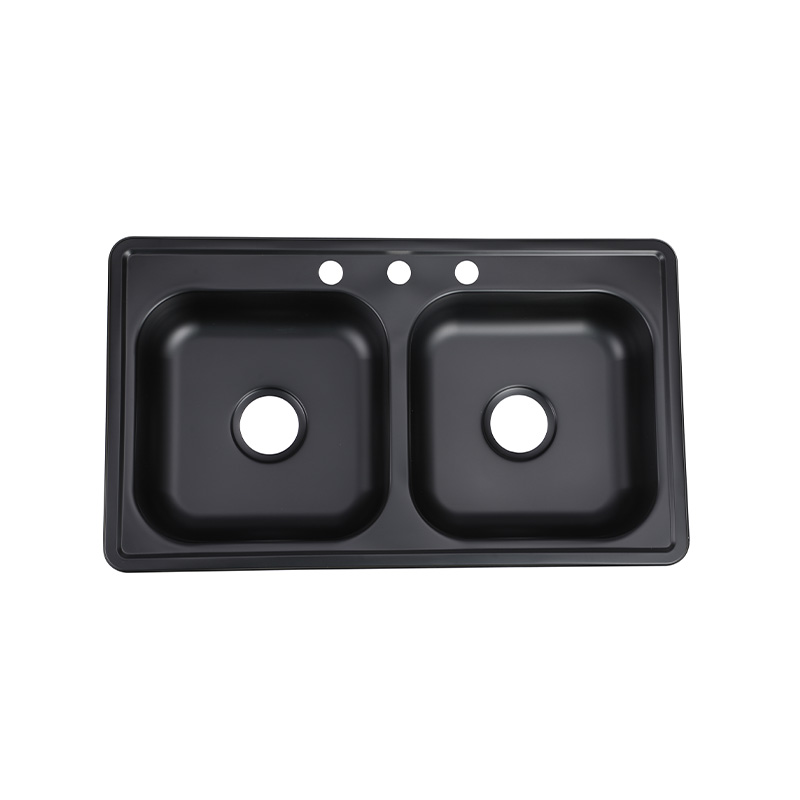
Welcome to the epitome of modern kitchen elegance and functionality with our new 33" x 19" Double Bowl Black Color Sink. This stunning sink, featuring advanced PVD (Physical Vapor Deposition) coating,...
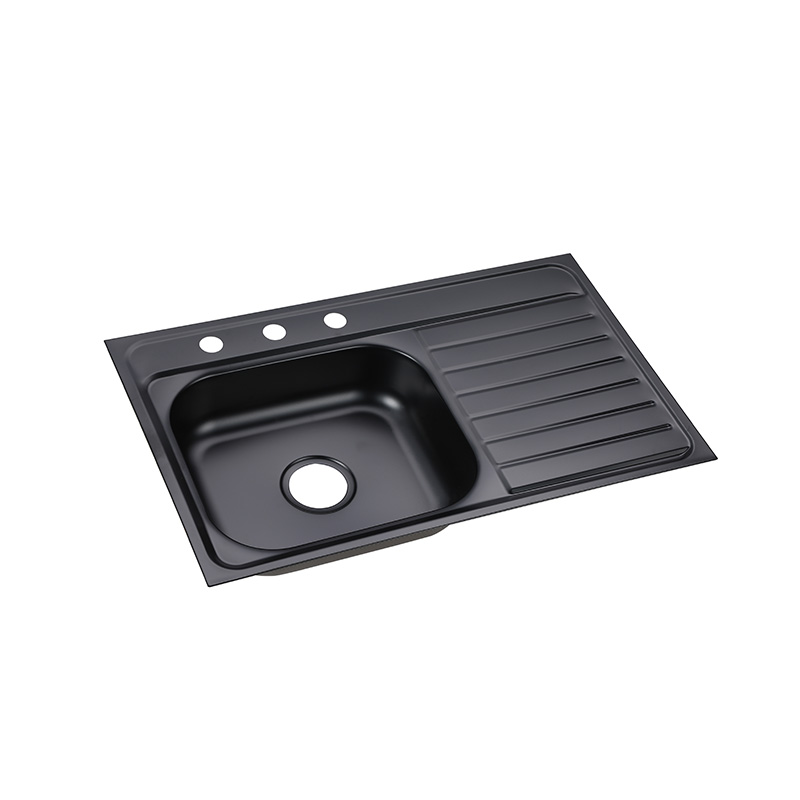
Welcome to our collection of premium PVD sinks, where functionality meets style. Among our diverse range of kitchen fixtures, the 800*500mm Left Bowl with Right Tray Sink in Black stands out as a test...
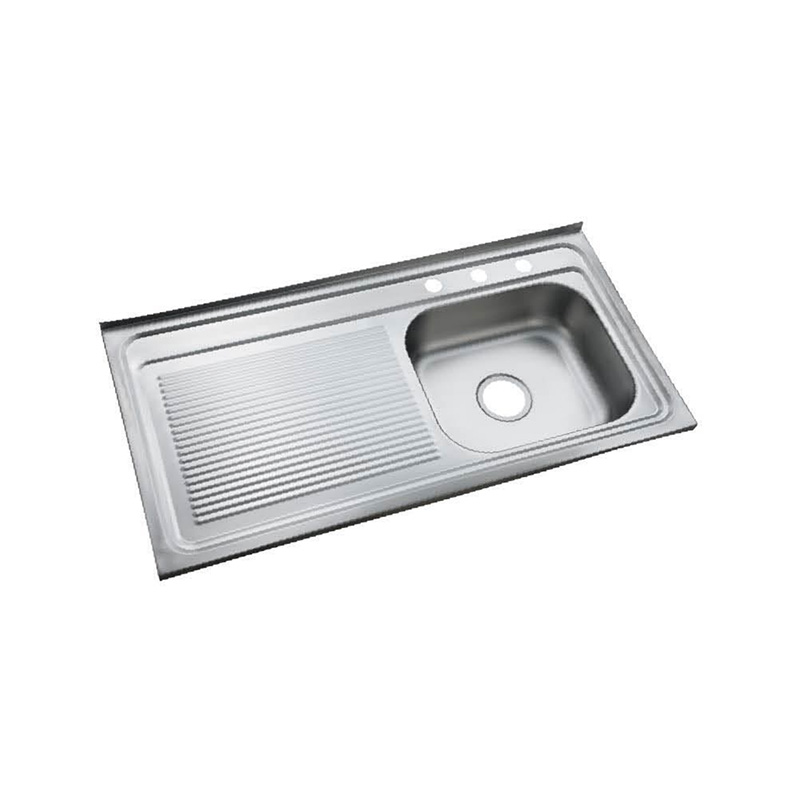
The XAL10050ERG 1000*500 mm right bowl with left tray sink in GREY color is a modern, versatile addition to any kitchen. This sink combines functionality with a sleek design, offering a practical solu...
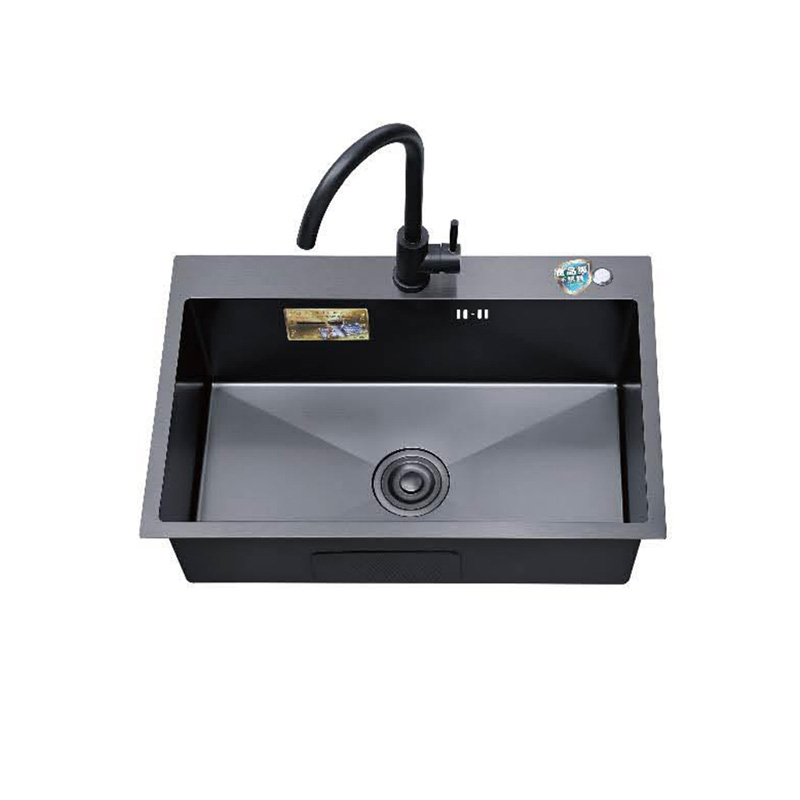
In the realm of kitchen fixtures, the single bowl handmade sink stands as a testament to the fusion of craftsmanship and functionality. Crafted with precision and care, each sink exudes a unique charm...
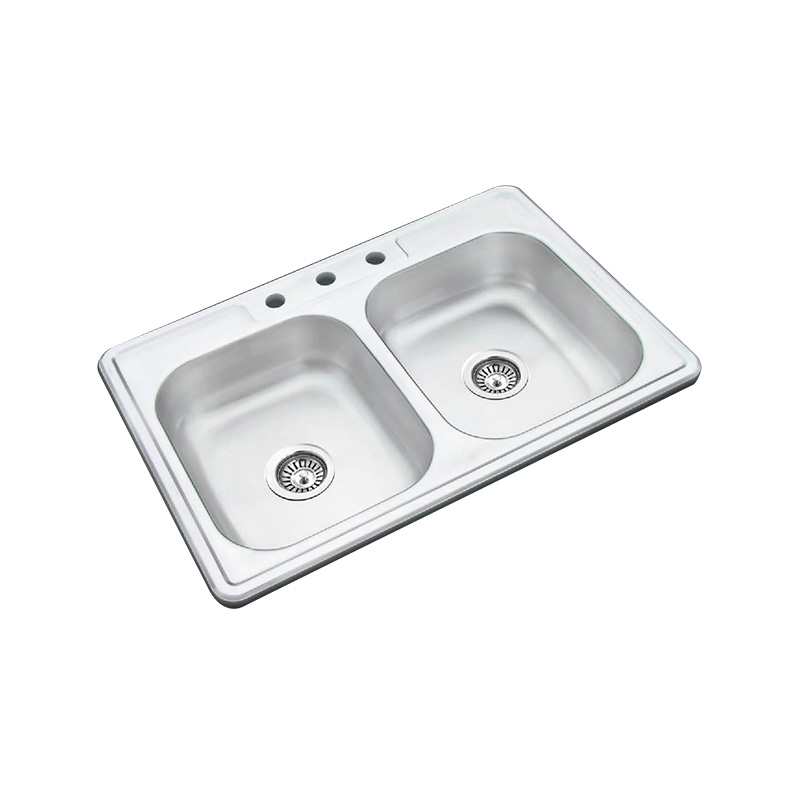
In the realm of kitchen essentials, versatility and efficiency are important. Our 3333"* 22" double bowl sink combines functionality and durability and is designed to enhance your kitchen experience. ...
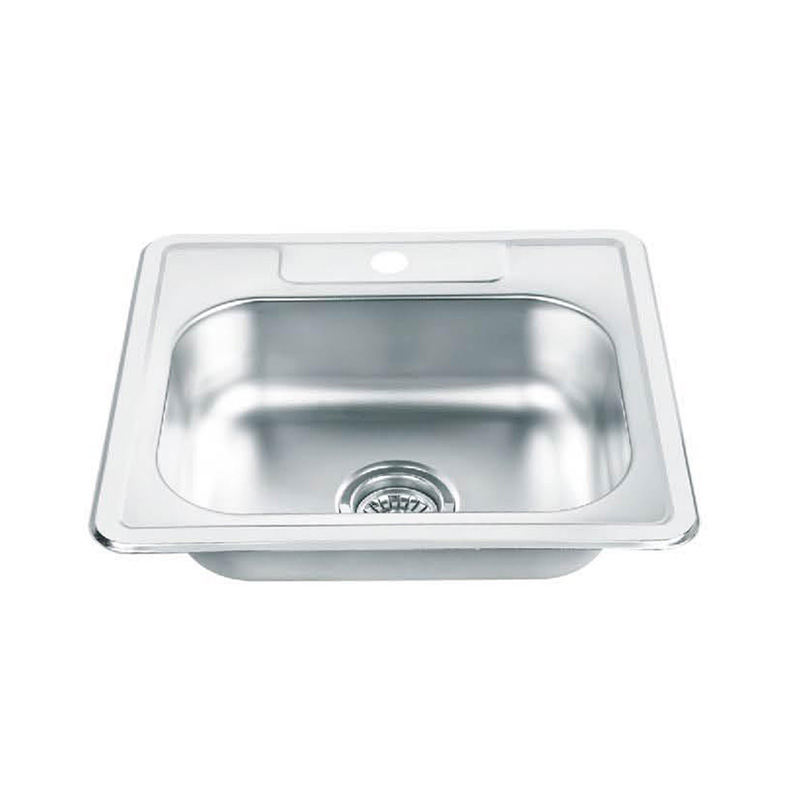
Welcome to our product showcase for the 20"*19" single bowl sink, a blend of practicality and elegance designed to meet the diverse needs of modern kitchens. This compact and efficient sink is tailore...
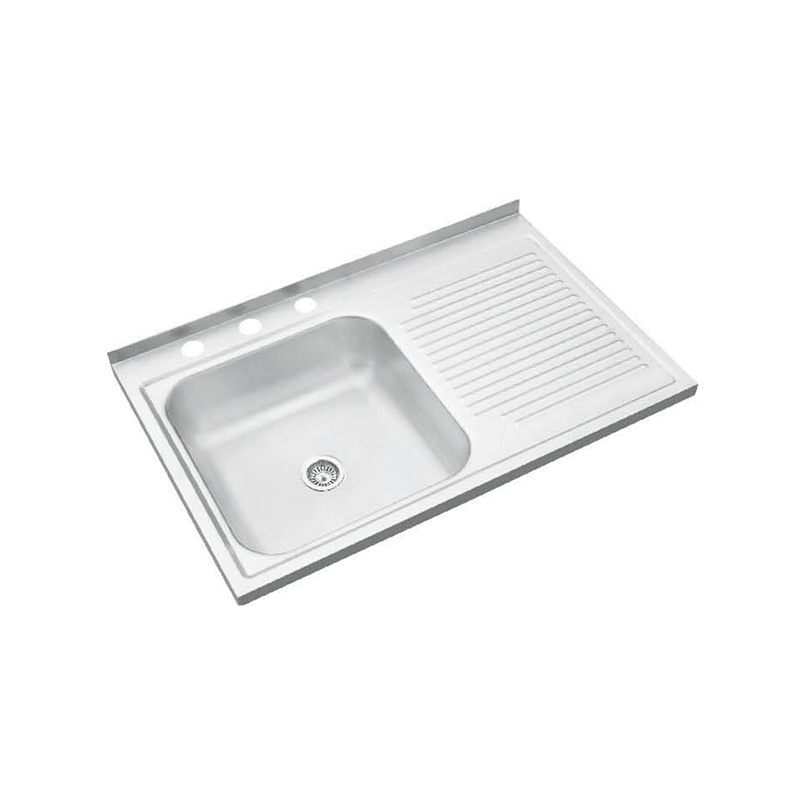
In the realm of kitchen fixtures, versatility and efficiency are important. Our 800*500 mm Left Bowl with Right Tray Sink offers a seamless blend of functionality and convenience, tailored to suit var...
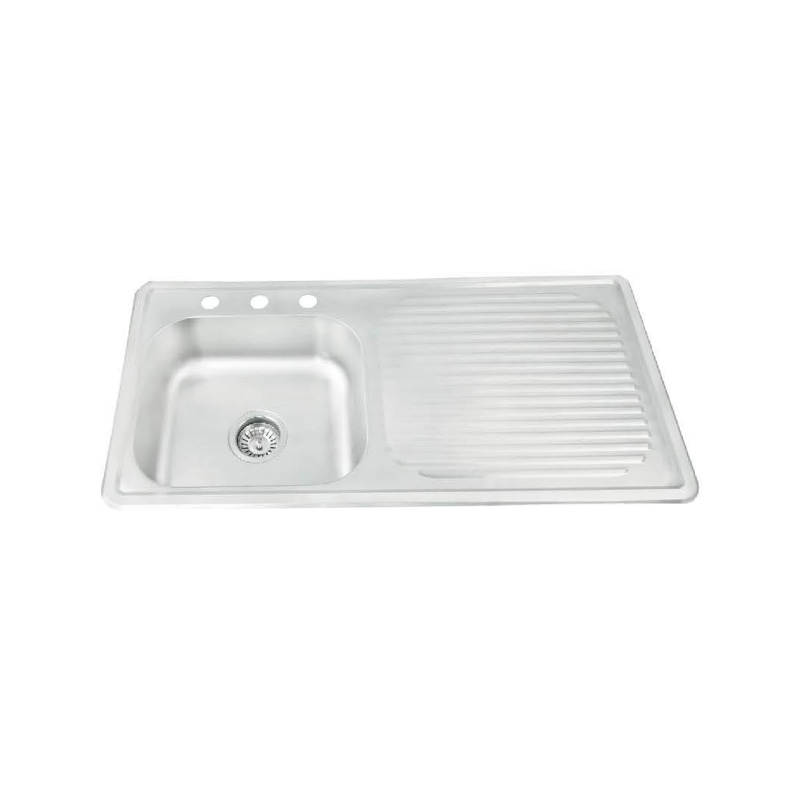
The 1000*500 mm left bowl with right tray sink is a good choice for modern kitchens requiring both style and functionality. This versatile sink is designed to handle the demands of a busy kitchen whil...
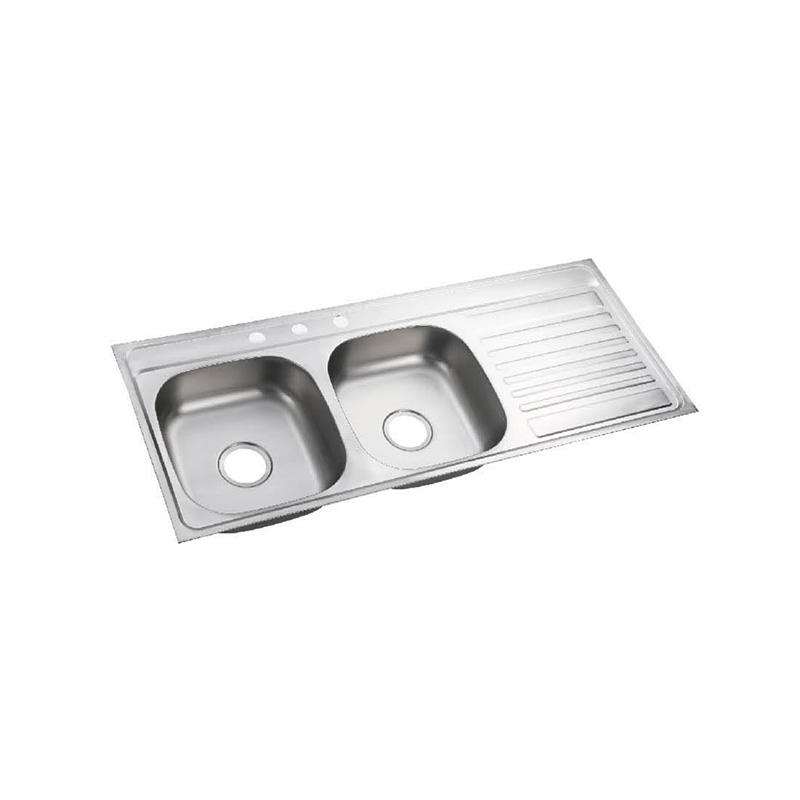
Introducing the 1200*500 mm left double bowl with right tray sink, a versatile solution for modern kitchens seeking enhanced functionality and convenience. This meticulously crafted sink combines the ...
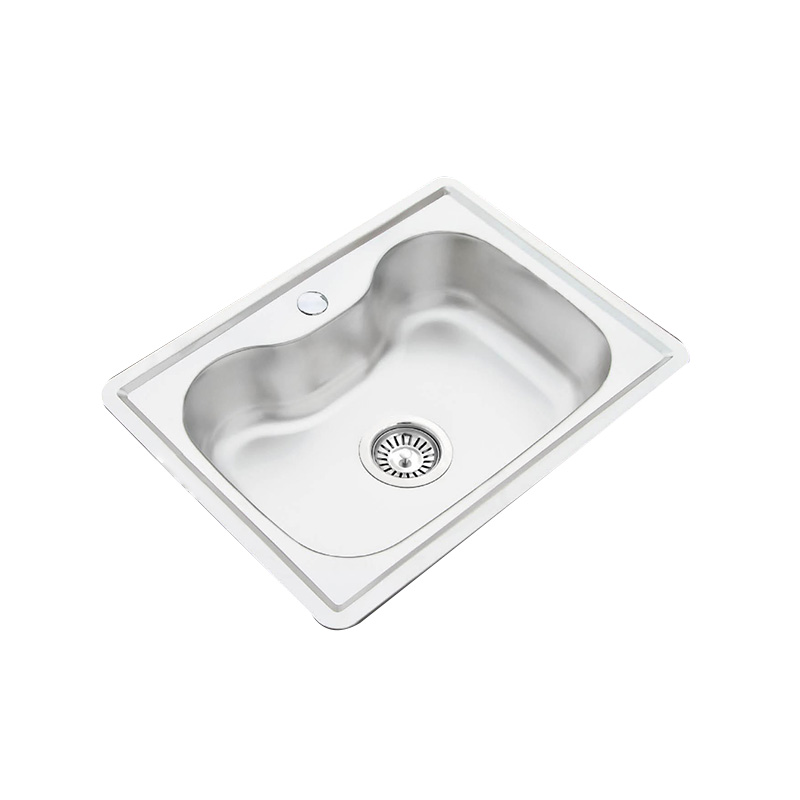
In the evolving world of kitchen design, the need for compact, efficient, and durable solutions has never been greater. Our 600*420 mm single bowl sink addresses these needs suitablely, combining spac...
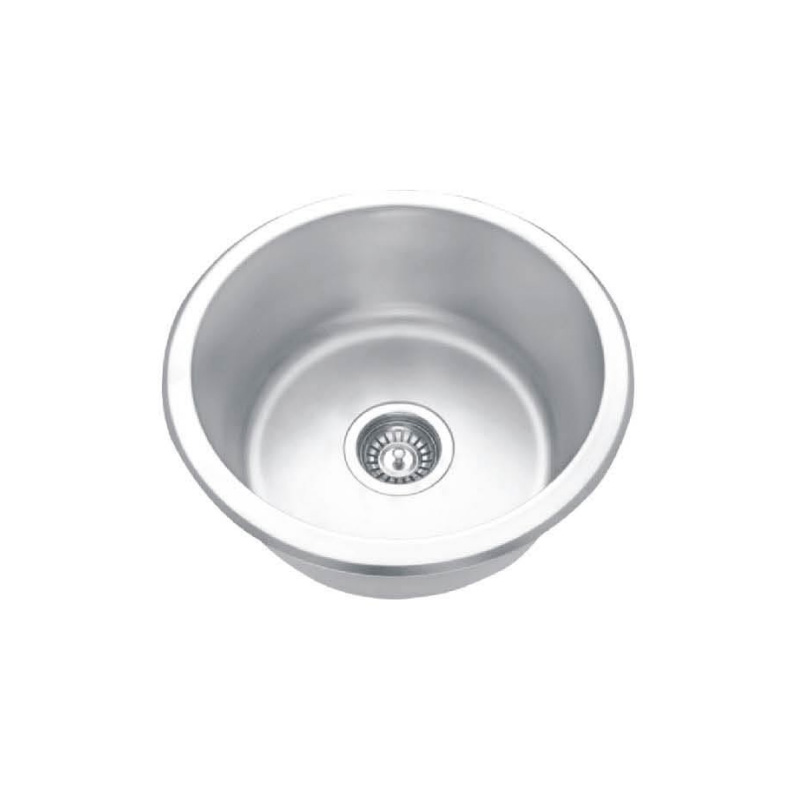
In the realm of functional kitchen fixtures, the sink reigns as a pivotal element. Enter our 420*420 mm round single bowl sink, a combination of utility and elegance that redefines kitchen essentials....

TaiZhou RunHeng Sanitary Ware Co., Ltd is an export-oriented enterprise integrating R&D, production and sales of stainless steel kitchen sink.
Copyright © 2024 TaiZhou RunHeng Sanitary Ware Co., Ltd. All Rights Reserved.
Commercial Undermount Kitchen Sinks Factory