English
 Español
 عربى
Product Consultation
Your email address will not be published. Required fields are marked *
A kitchen sink accessory may be carefully designed for everyday use, but its condition on arrival also affects the buyer's experience. For overseas importers, wholesalers, and kitchen project suppliers, transportation introduces practical concerns such as surface scratches, damaged edges, missing components, and confusing product identification. These issues can create extra work during warehouse handling and order distribution. For a kitchen sink factory, packaging should therefore be considered part of product delivery, not simply the final step before a shipment leaves the production site.

Different kitchen sink accessories require different forms of protection. A compact component may need little space, while a product with projecting edges, detachable parts, or a visible decorative surface may require more careful positioning. Using the same packing arrangement for every product can leave certain components exposed to movement or contact during transportation.
Manufacturers should evaluate the product's shape, weight, surface finish, and component arrangement before determining how it will be packed. The goal is to keep the product in a stable position and reduce unnecessary contact with other items. For buyers, discussing packaging requirements early can help align the delivered condition with the needs of their warehouse, retail channel, or installation project.
Accessories may rub against one another when cartons are moved, stacked, or handled repeatedly. Even when a product remains functional, visible scratches or scuffs can affect its presentation, particularly when the surface is part of the product's appeal.
A suitable packaging arrangement should separate items where necessary and prevent loose components from moving excessively. Depending on the product design, this may involve individual wrapping, dividers, protective inserts, or a more structured placement inside the carton. Manufacturers should assess the arrangement against the actual product rather than relying only on the appearance of the outer package.
Some kitchen sink accessories contain multiple components or are supplied as a set. If parts are packed loosely or mixed with similar items, warehouse staff may need extra time to sort them before delivery or installation.
Clear internal organization can make handling more straightforward. Buyers and manufacturers should confirm whether each product requires separate component packaging, a parts list, or an identification label. For mixed-model orders, consistent separation by product type or size can also reduce confusion during receiving and inventory management.
Packaging requirements are easier to manage when they are agreed upon before bulk production is completed. Buyers can review the following points with the manufacturer:
These checks create a shared reference for packing and help prevent avoidable misunderstandings between purchasing and production teams.
Packaging also influences how efficiently a buyer can inspect an incoming order. When products are arranged consistently and identified clearly, warehouse staff can locate specific models and compare the delivery with the purchase documentation more easily.
A receiving inspection can begin with the outer cartons, checking for visible damage, moisture exposure, or signs of rough handling. After opening, the buyer can sample the products for surface condition, component completeness, and consistency with the approved specifications. Any discrepancy should be recorded with the relevant product identification and photographs so that the issue can be communicated clearly to the manufacturer.
Packaging needs to balance protection, storage efficiency, and handling convenience. Excessive packaging can take up unnecessary space, while insufficient protection may increase the risk of product damage. Buyers should therefore discuss the intended shipping method, order quantity, product dimensions, and destination handling conditions before confirming the final arrangement.
For wholesale orders, packaging decisions may also affect how products are stored and distributed after arrival. Retail-ready packing, bulk packing, and project-based packing can serve different needs, so the most suitable arrangement depends on the buyer's operating model rather than a single universal format.
Consistent delivery begins with clear requirements. Taizhou Shengerda Plastic Co., Ltd. can work with overseas buyers to discuss product specifications and relevant packaging expectations for kitchen sink accessories. By defining protection methods, carton identification, and set-completeness requirements before shipment, buyers can establish a clearer standard for future orders. Choosing a kitchen sink factory that understands these delivery details helps connect product manufacturing with practical logistics, while a well-prepared kitchen sink accessory shipment is easier to receive, inspect, store, and distribute.
Your email address will not be published. Required fields are marked *

Introducing our 19" x 19" single bowl black color sink, a stellar addition to our PVD sink collection. Designed with both aesthetics and functionality in mind, this sink is suitable for modern kitchen...
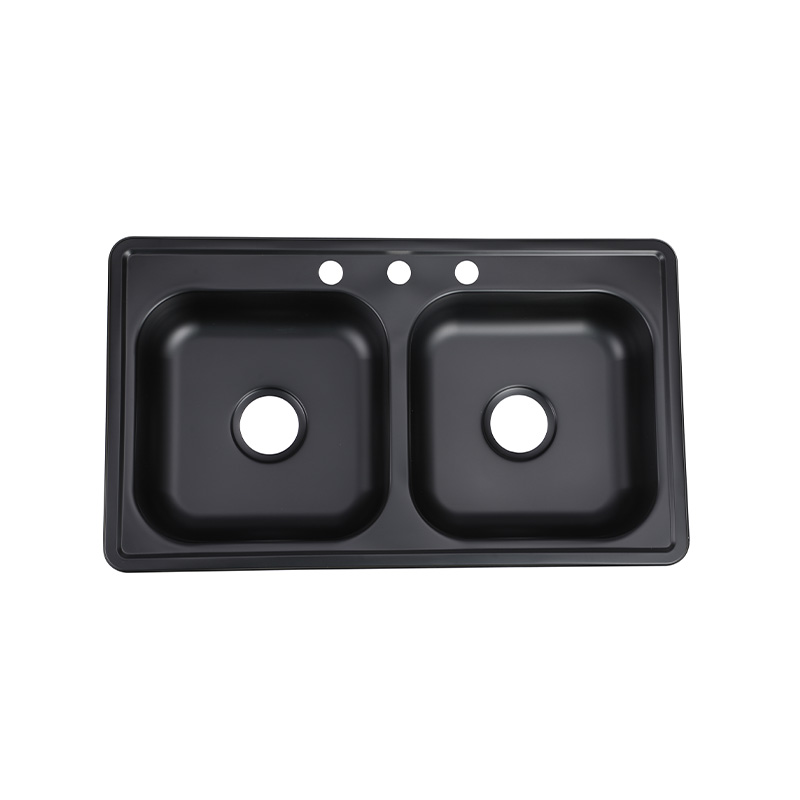
Welcome to the epitome of modern kitchen elegance and functionality with our new 33" x 19" Double Bowl Black Color Sink. This stunning sink, featuring advanced PVD (Physical Vapor Deposition) coating,...
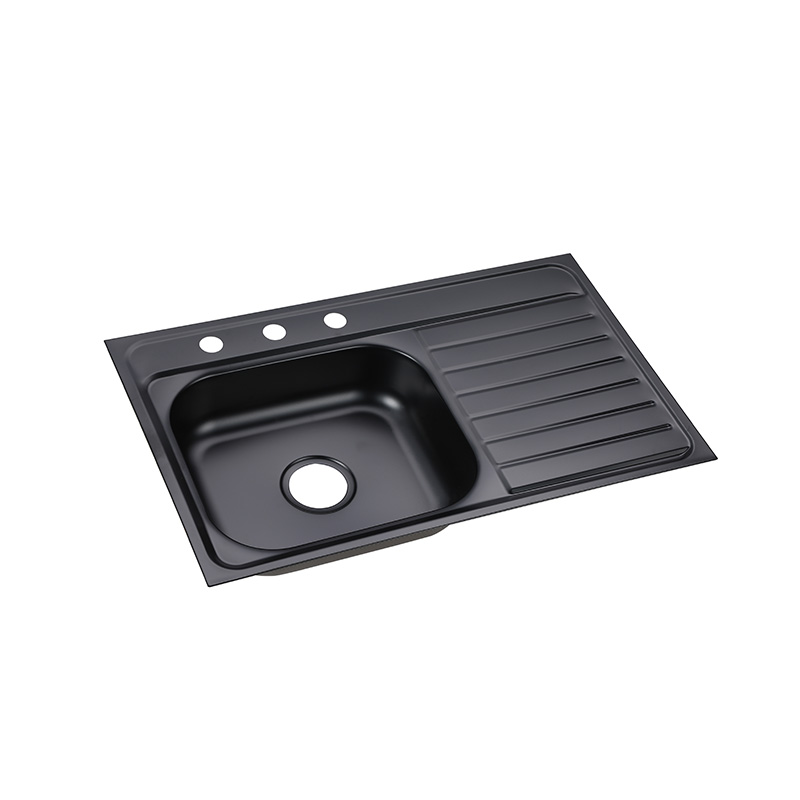
Welcome to our collection of premium PVD sinks, where functionality meets style. Among our diverse range of kitchen fixtures, the 800*500mm Left Bowl with Right Tray Sink in Black stands out as a test...
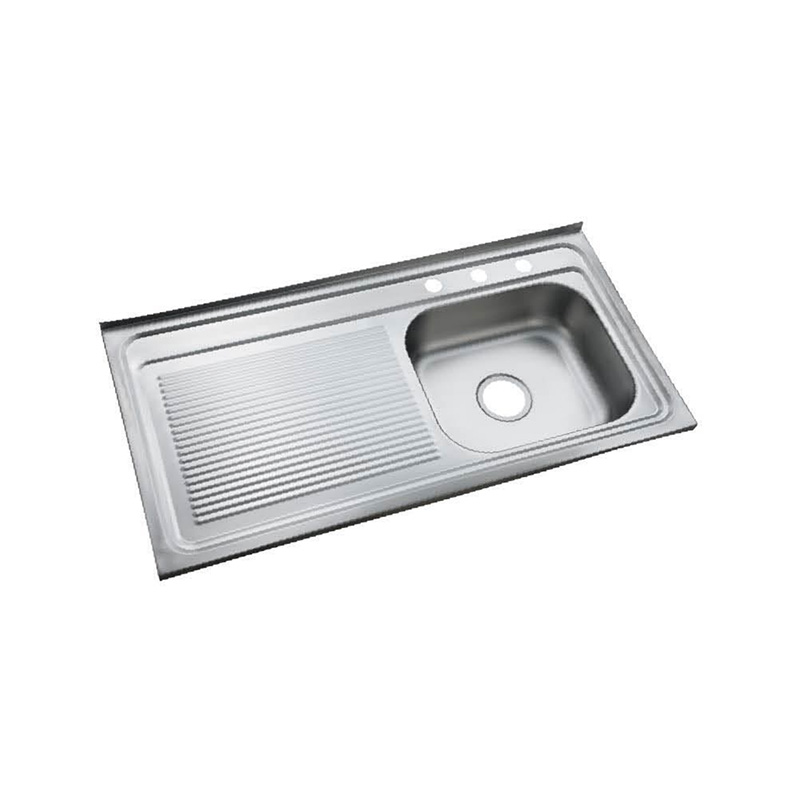
The XAL10050ERG 1000*500 mm right bowl with left tray sink in GREY color is a modern, versatile addition to any kitchen. This sink combines functionality with a sleek design, offering a practical solu...
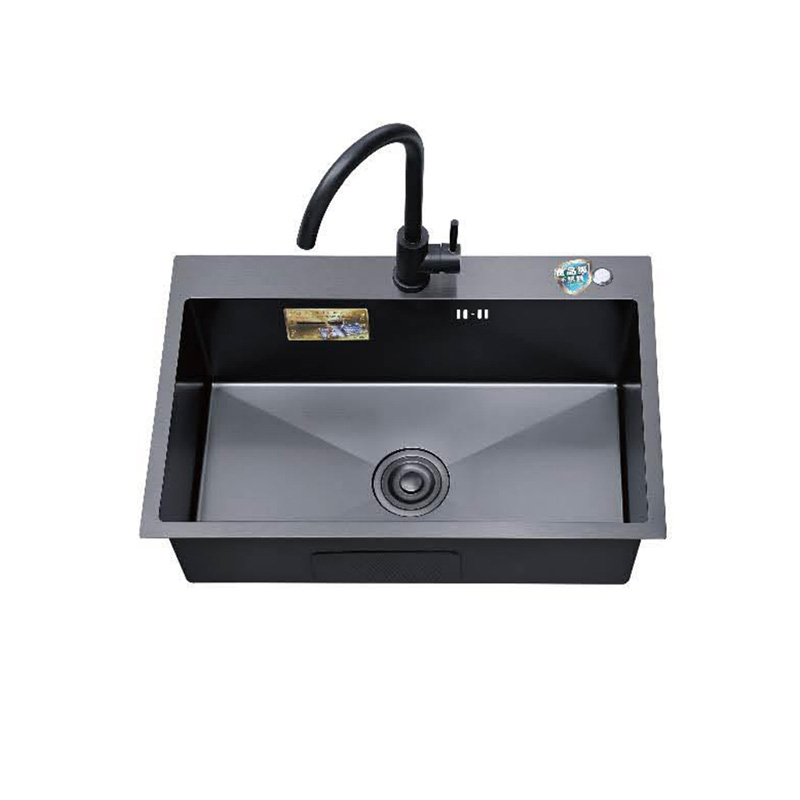
In the realm of kitchen fixtures, the single bowl handmade sink stands as a testament to the fusion of craftsmanship and functionality. Crafted with precision and care, each sink exudes a unique charm...
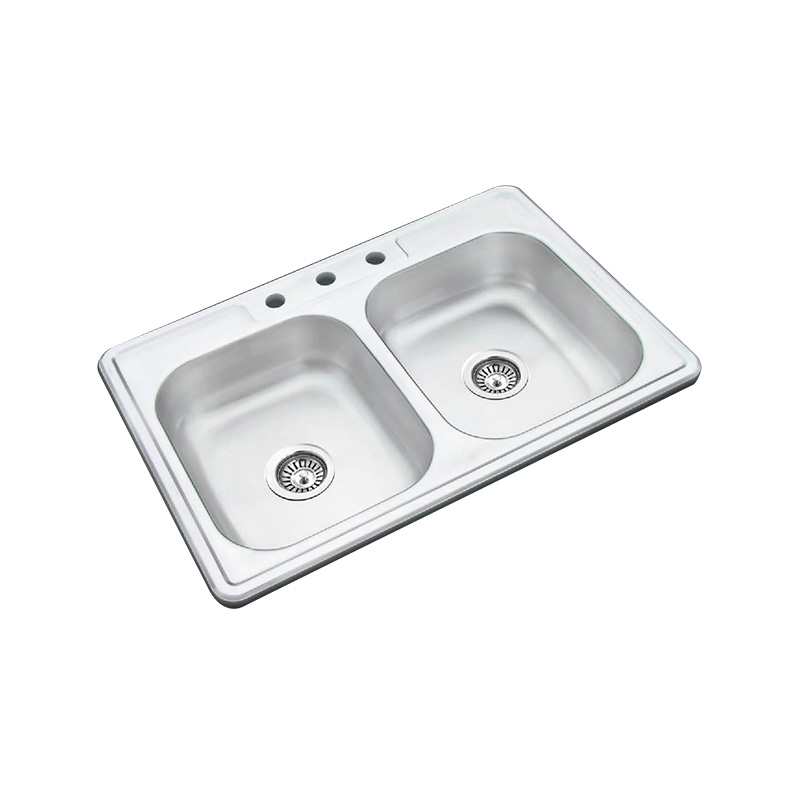
In the realm of kitchen essentials, versatility and efficiency are important. Our 3333"* 22" double bowl sink combines functionality and durability and is designed to enhance your kitchen experience. ...
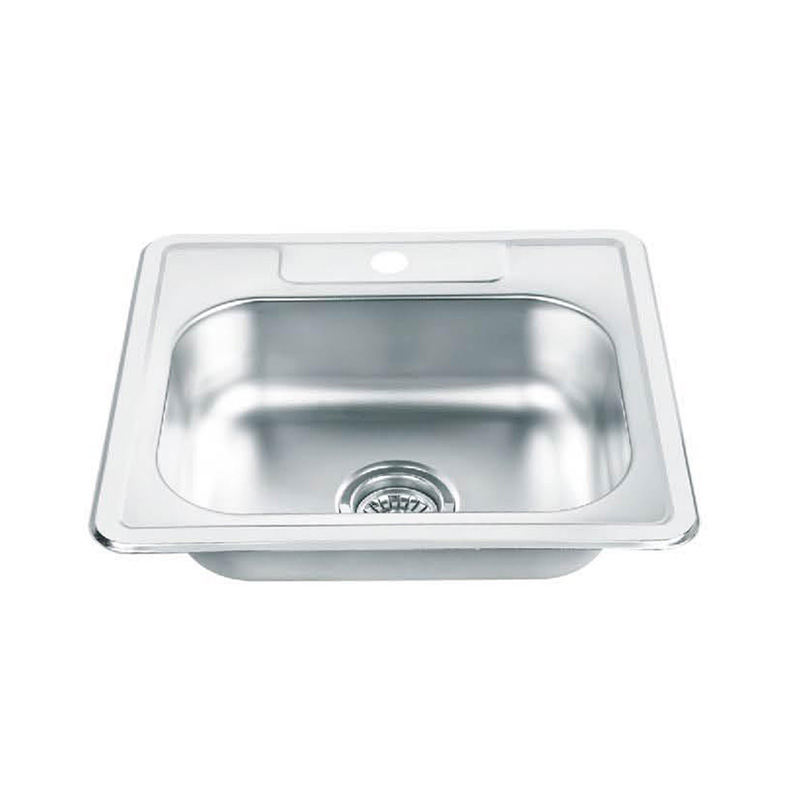
Welcome to our product showcase for the 20"*19" single bowl sink, a blend of practicality and elegance designed to meet the diverse needs of modern kitchens. This compact and efficient sink is tailore...
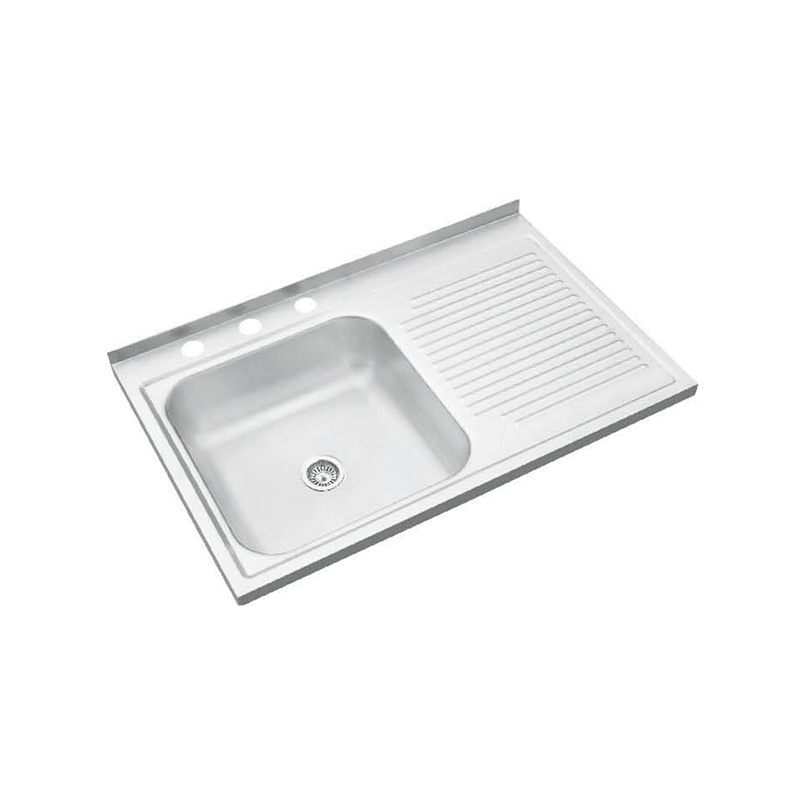
In the realm of kitchen fixtures, versatility and efficiency are important. Our 800*500 mm Left Bowl with Right Tray Sink offers a seamless blend of functionality and convenience, tailored to suit var...
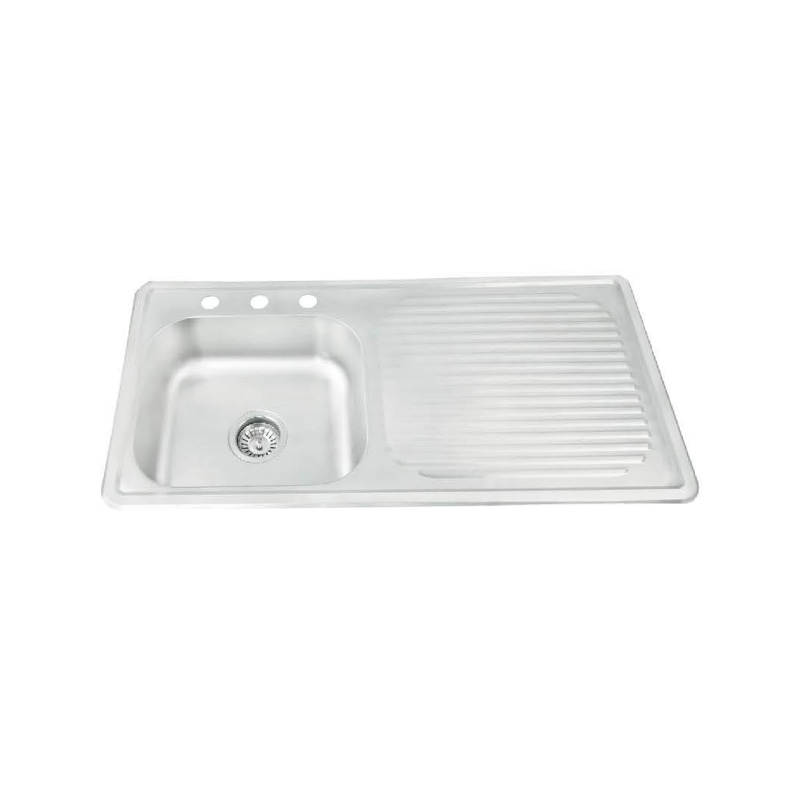
The 1000*500 mm left bowl with right tray sink is a good choice for modern kitchens requiring both style and functionality. This versatile sink is designed to handle the demands of a busy kitchen whil...
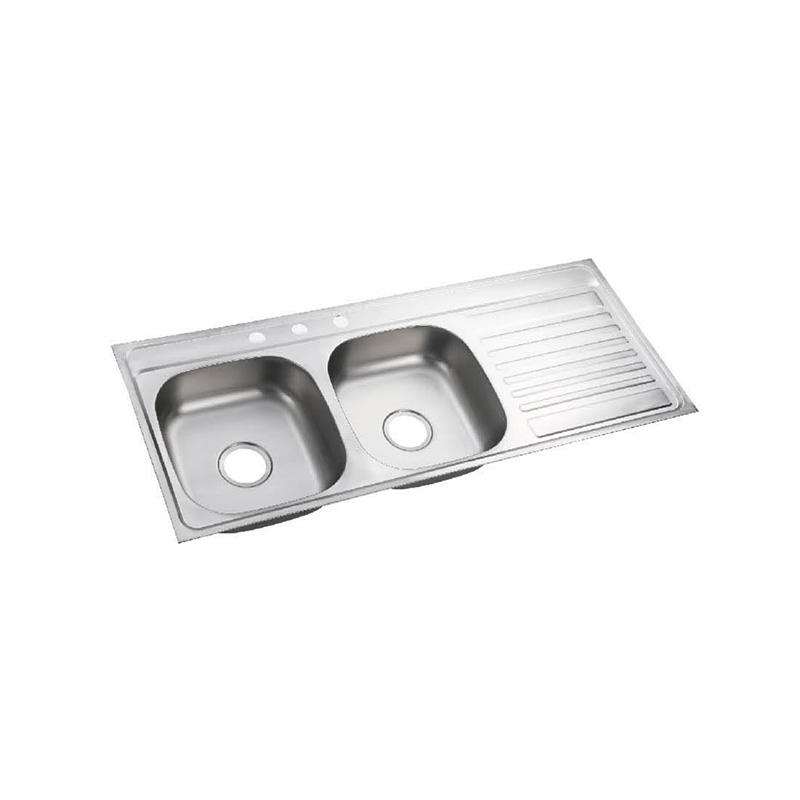
Introducing the 1200*500 mm left double bowl with right tray sink, a versatile solution for modern kitchens seeking enhanced functionality and convenience. This meticulously crafted sink combines the ...
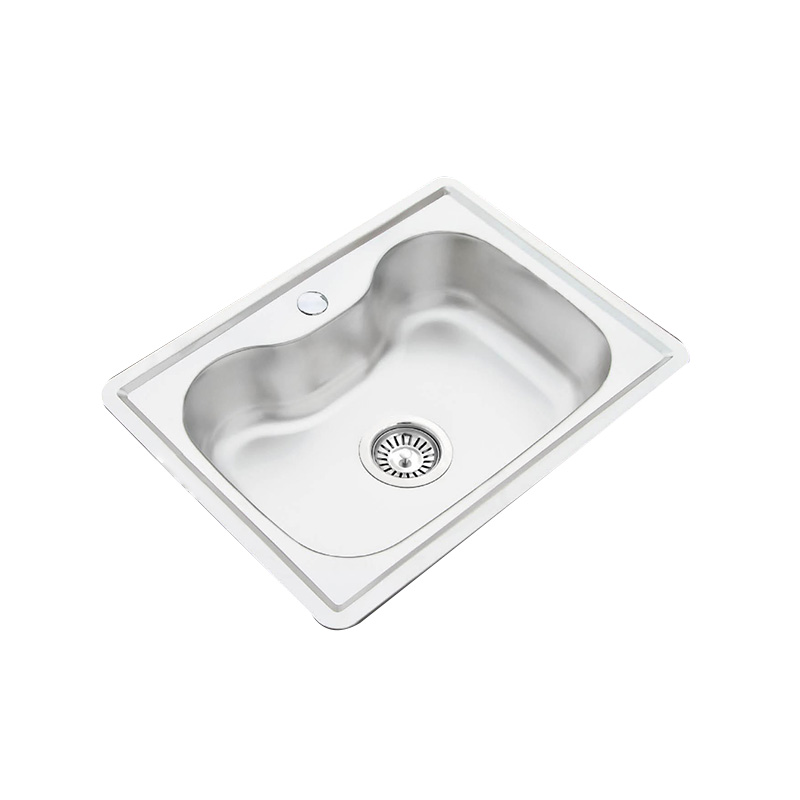
In the evolving world of kitchen design, the need for compact, efficient, and durable solutions has never been greater. Our 600*420 mm single bowl sink addresses these needs suitablely, combining spac...
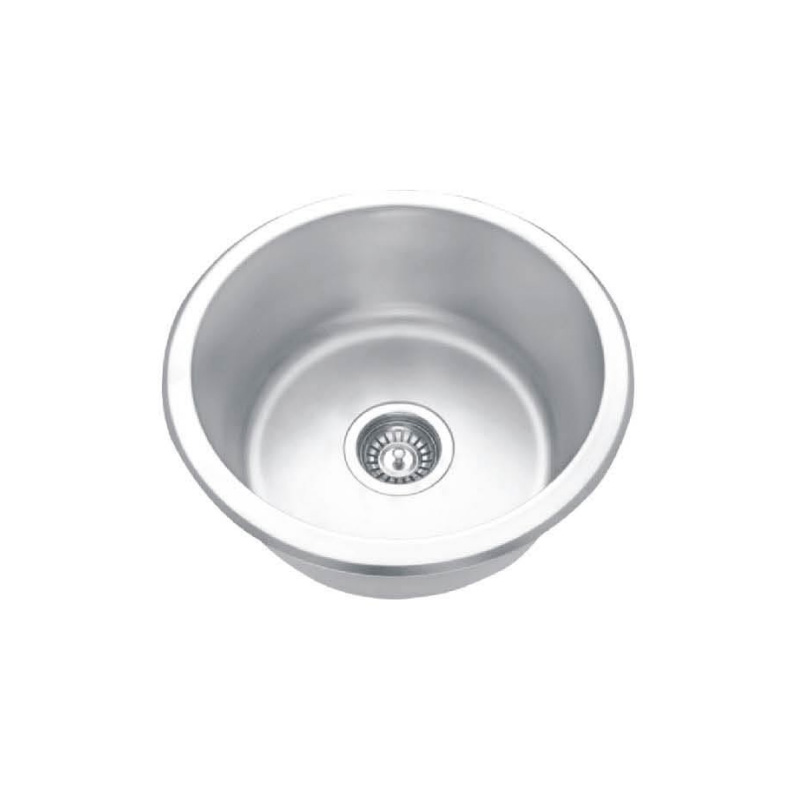
In the realm of functional kitchen fixtures, the sink reigns as a pivotal element. Enter our 420*420 mm round single bowl sink, a combination of utility and elegance that redefines kitchen essentials....

TaiZhou RunHeng Sanitary Ware Co., Ltd is an export-oriented enterprise integrating R&D, production and sales of stainless steel kitchen sink.
Copyright © 2024 TaiZhou RunHeng Sanitary Ware Co., Ltd. All Rights Reserved.
Commercial Undermount Kitchen Sinks Factory