English
 Español
 عربى
Product Consultation
Your email address will not be published. Required fields are marked *
Kitchen space is not always determined by the size of the room. The arrangement of the sink, faucet, countertop, and nearby cabinets can also affect how comfortably people complete everyday tasks. For distributors, kitchen project buyers, and retailers, a thoughtfully selected kitchen sink accessory can help make the sink area more functional without requiring a major layout change. From a manufacturing perspective, the challenge is to develop products that fit different configurations, serve a clear purpose, and work naturally with the surrounding kitchen components.

A sink should not be considered in isolation when planning accessories. The faucet position, bowl depth, countertop width, and nearby work area all influence how much usable space is available. An accessory that works well in one configuration may interfere with another if its dimensions or placement are not considered carefully.
Buyers should first identify the available space and the tasks that need to take place around the sink. This helps determine whether an accessory should sit inside the bowl, rest along the sink edge, or occupy a nearby countertop area. For a kitchen sink factory, understanding this context provides a clearer basis for discussing product dimensions and suitable configurations.
The sink area often involves several actions in quick succession: rinsing food, handling utensils, washing dishes, and moving items between the basin and countertop. Accessories should support these movements rather than create additional obstacles.
When assessing a product, buyers can consider whether it leaves enough room for hands, dishes, and other frequently used items. The location of handles, raised edges, and removable sections may affect how easily a user can reach into the sink or reposition an accessory. These practical details are worth evaluating during product development because they influence how the product functions in an actual kitchen.
Kitchen sinks vary in bowl shape, installation style, and overall dimensions. As a result, accessory requirements may also differ between product models. Some buyers need items designed for a specific sink configuration, while others prefer products that can serve several models within a compatible size range.
A manufacturer can review the relationship between accessory dimensions and the intended sink structure before confirming a design. Relevant considerations include:
Clear design boundaries help prevent a product from being selected for applications it was not developed to support.
Individual accessories may be useful on their own, but a coordinated selection can offer buyers more flexibility when building a product range. For example, drainage-related components and organizing accessories may serve different tasks while sharing a consistent design approach.
The important point is to avoid adding products simply to increase the number of items in a collection. Each kitchen sink accessory should have a defined function and should not unnecessarily obstruct another component. Buyers can assess the overall arrangement by considering how the products are positioned and used together, rather than reviewing every item separately.
Offering different sizes, colors, or configurations can help a product range serve varied customer preferences. However, too many small variations can also make product selection, inventory planning, and order communication more complicated.
A more practical approach is to separate core product specifications from optional design choices. Buyers can identify which dimensions and functions must remain fixed, then determine whether color, surface appearance, or packaging can vary according to the target market. This gives manufacturers a clearer development brief while helping distributors organize their product assortment.
A product image can communicate shape and appearance, but it may not show how an accessory fits within a complete sink area. Where possible, buyers should review dimensions alongside a sink drawing, layout reference, or physical sample. This makes it easier to identify potential interference with the faucet, countertop, or other accessories before confirming a larger order.
Manufacturers can support this process by clarifying the product's intended configuration and the information needed to assess compatibility. Clear communication at this stage helps buyers make decisions based on practical use rather than appearance alone.
For overseas buyers, good accessory planning starts with understanding the sink layout, the user's movements, and the purpose of each component. Taizhou Shengerda Plastic Co., Ltd. can be approached as a manufacturing partner when buyers need to discuss product requirements, configuration options, and the relationship between accessories and the intended sink design. By considering these factors together, a kitchen sink factory can help buyers develop a more coherent product range, while the right kitchen sink accessory can contribute to a better-organized and more usable kitchen workspace.
Your email address will not be published. Required fields are marked *

Introducing our 19" x 19" single bowl black color sink, a stellar addition to our PVD sink collection. Designed with both aesthetics and functionality in mind, this sink is suitable for modern kitchen...
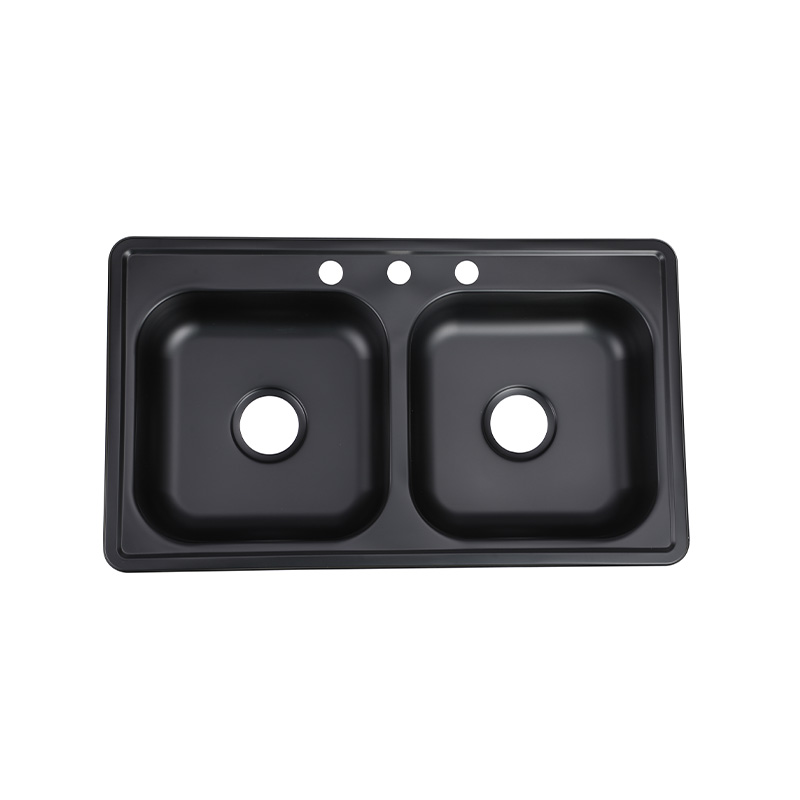
Welcome to the epitome of modern kitchen elegance and functionality with our new 33" x 19" Double Bowl Black Color Sink. This stunning sink, featuring advanced PVD (Physical Vapor Deposition) coating,...
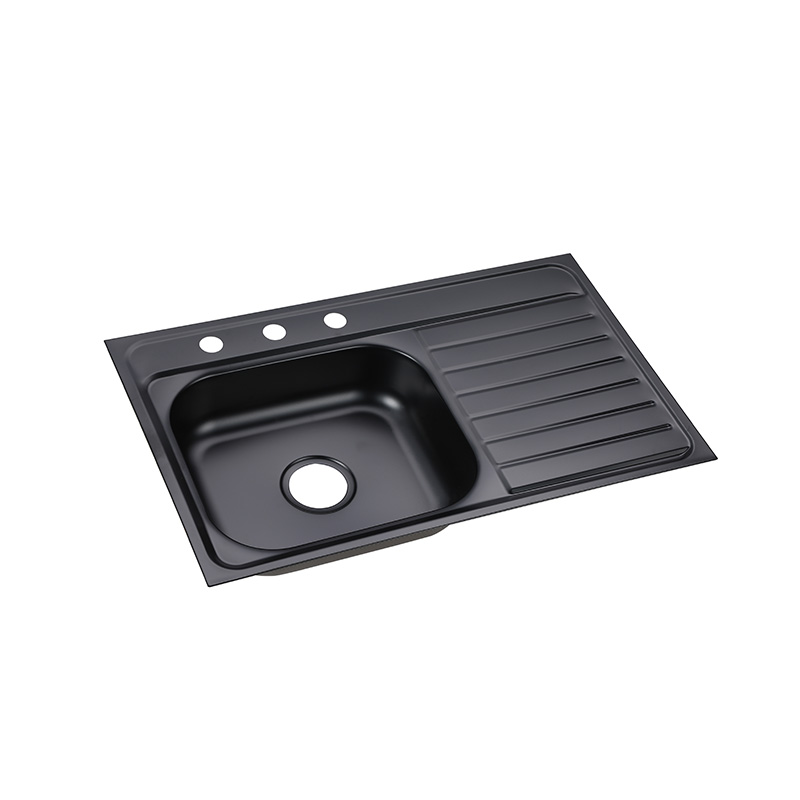
Welcome to our collection of premium PVD sinks, where functionality meets style. Among our diverse range of kitchen fixtures, the 800*500mm Left Bowl with Right Tray Sink in Black stands out as a test...
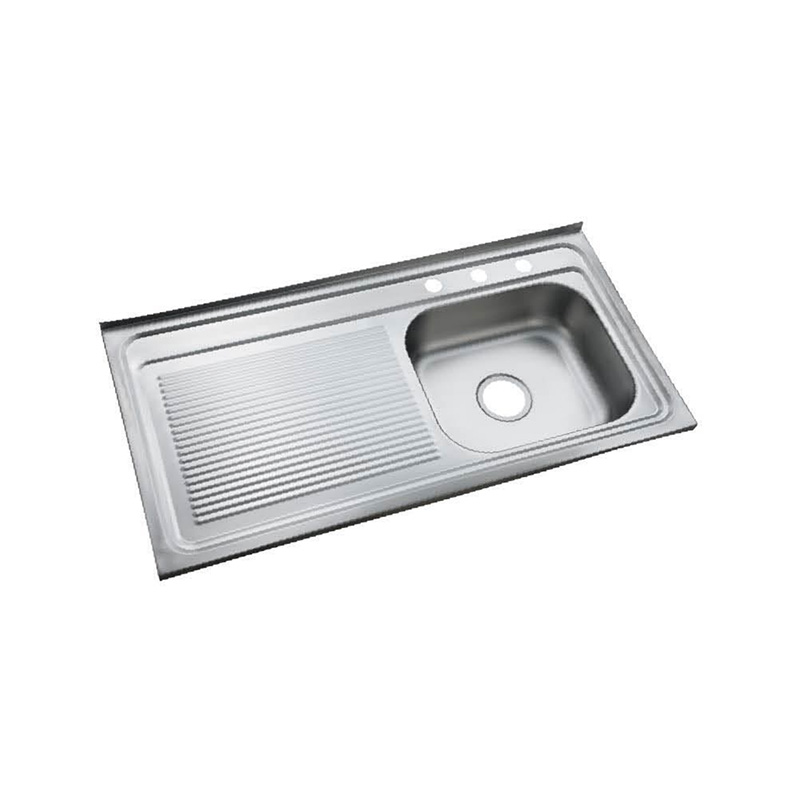
The XAL10050ERG 1000*500 mm right bowl with left tray sink in GREY color is a modern, versatile addition to any kitchen. This sink combines functionality with a sleek design, offering a practical solu...
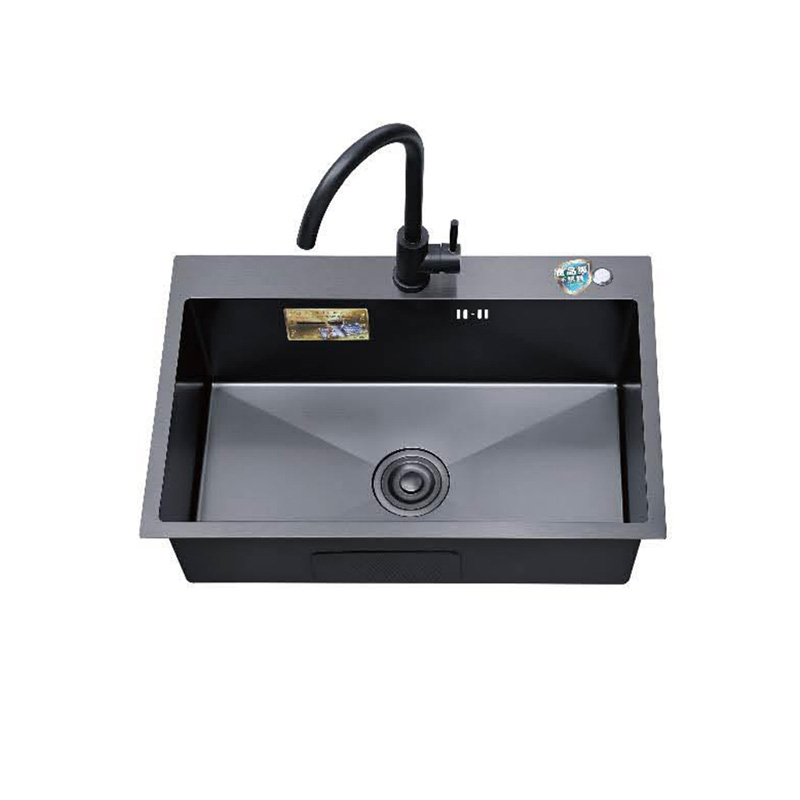
In the realm of kitchen fixtures, the single bowl handmade sink stands as a testament to the fusion of craftsmanship and functionality. Crafted with precision and care, each sink exudes a unique charm...
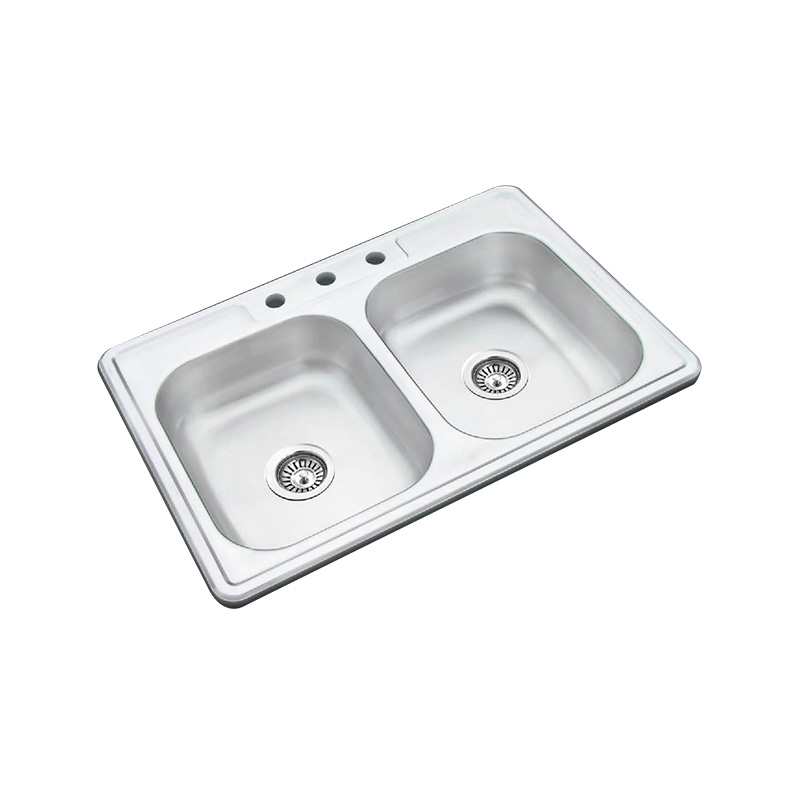
In the realm of kitchen essentials, versatility and efficiency are important. Our 3333"* 22" double bowl sink combines functionality and durability and is designed to enhance your kitchen experience. ...
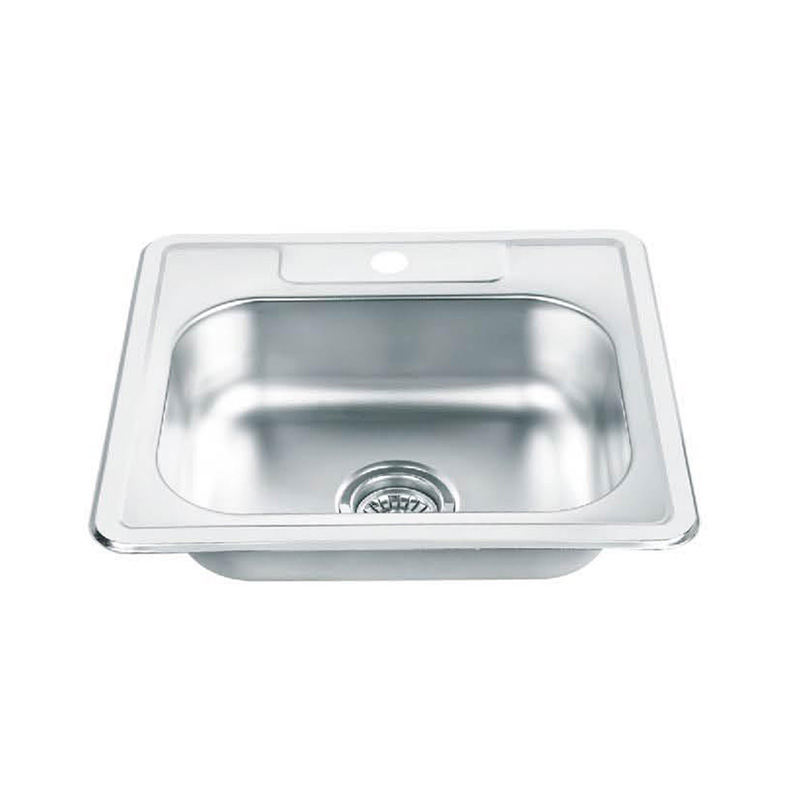
Welcome to our product showcase for the 20"*19" single bowl sink, a blend of practicality and elegance designed to meet the diverse needs of modern kitchens. This compact and efficient sink is tailore...
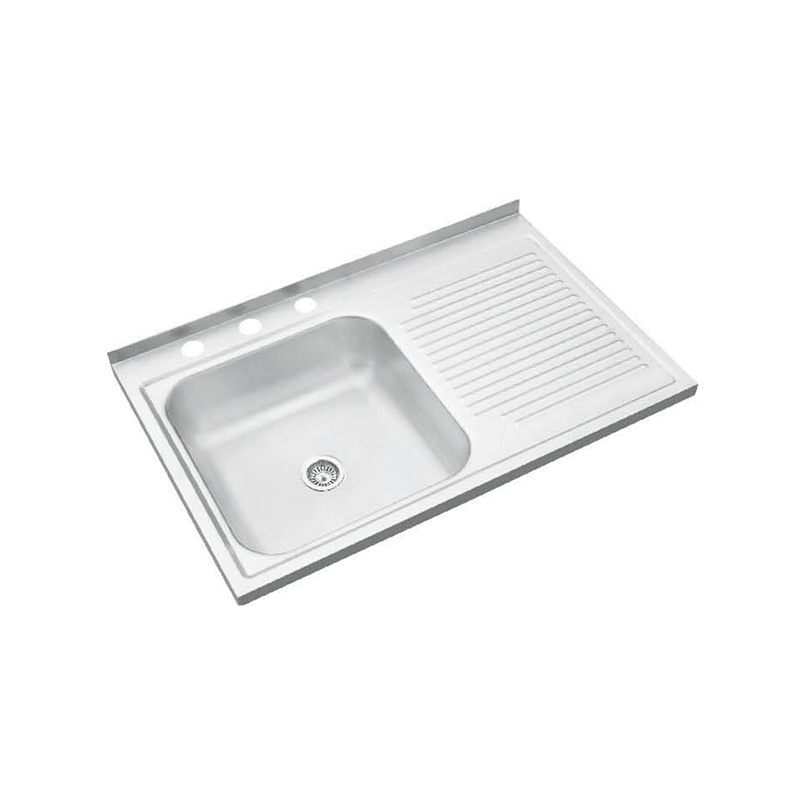
In the realm of kitchen fixtures, versatility and efficiency are important. Our 800*500 mm Left Bowl with Right Tray Sink offers a seamless blend of functionality and convenience, tailored to suit var...
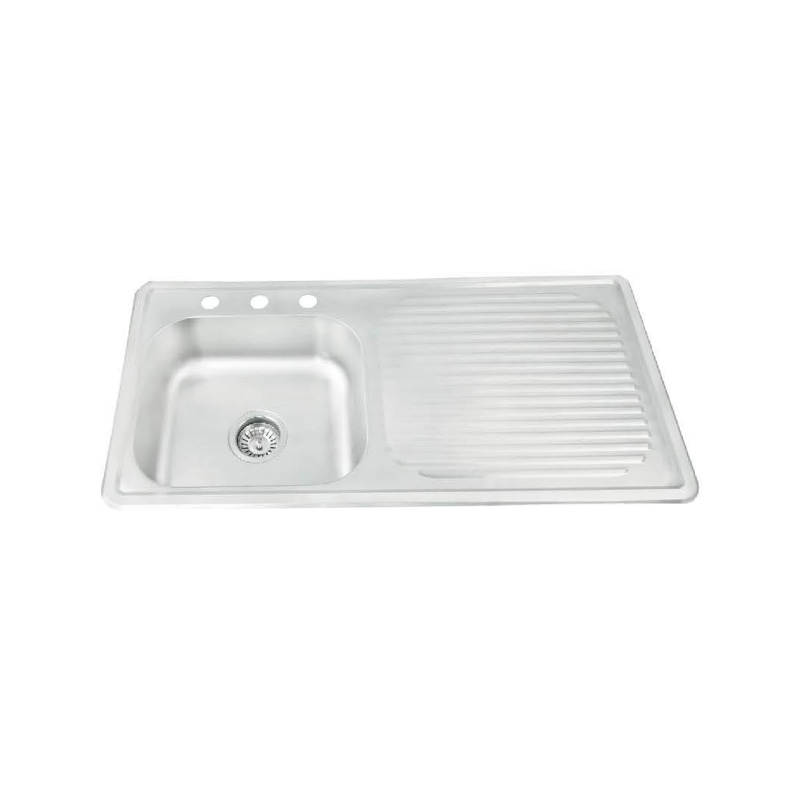
The 1000*500 mm left bowl with right tray sink is a good choice for modern kitchens requiring both style and functionality. This versatile sink is designed to handle the demands of a busy kitchen whil...
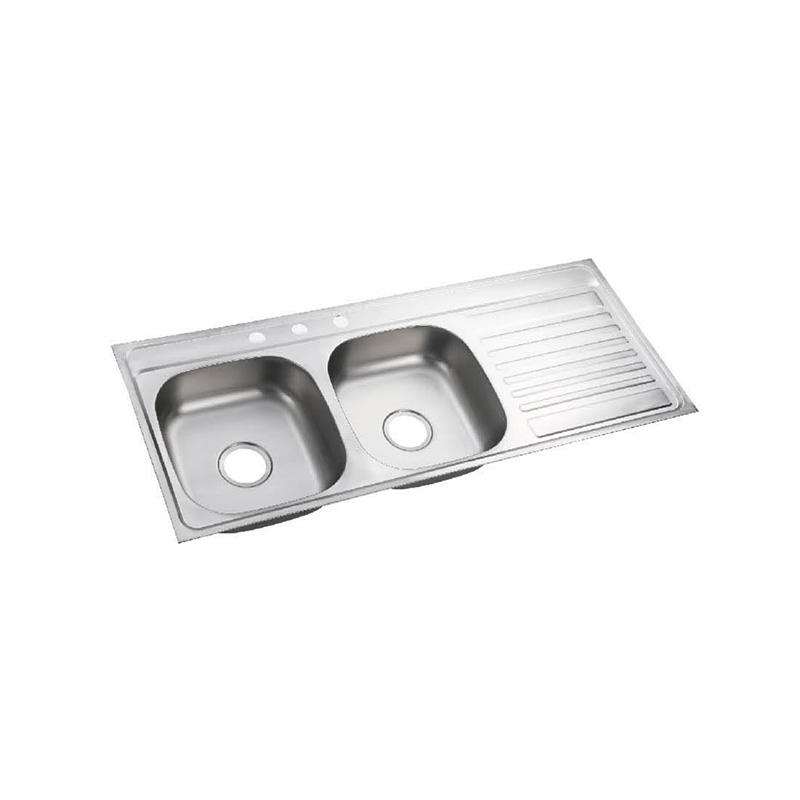
Introducing the 1200*500 mm left double bowl with right tray sink, a versatile solution for modern kitchens seeking enhanced functionality and convenience. This meticulously crafted sink combines the ...
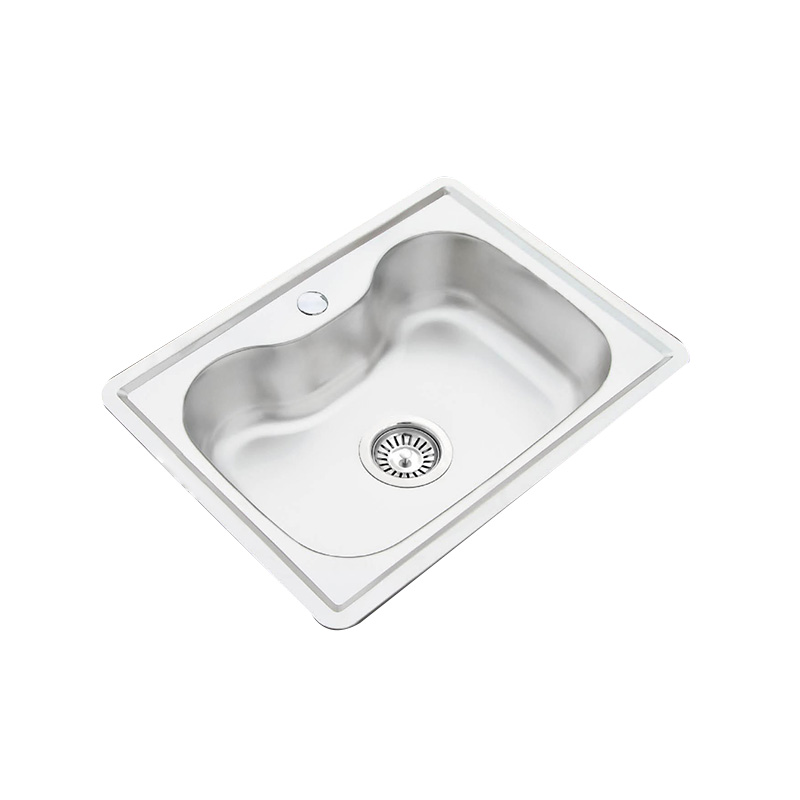
In the evolving world of kitchen design, the need for compact, efficient, and durable solutions has never been greater. Our 600*420 mm single bowl sink addresses these needs suitablely, combining spac...
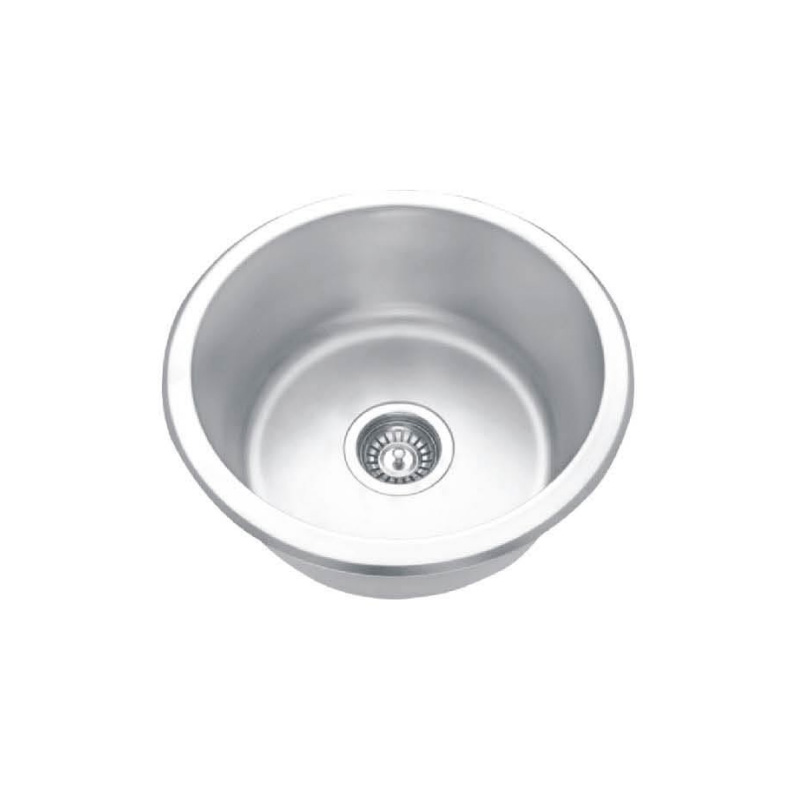
In the realm of functional kitchen fixtures, the sink reigns as a pivotal element. Enter our 420*420 mm round single bowl sink, a combination of utility and elegance that redefines kitchen essentials....

TaiZhou RunHeng Sanitary Ware Co., Ltd is an export-oriented enterprise integrating R&D, production and sales of stainless steel kitchen sink.
Copyright © 2024 TaiZhou RunHeng Sanitary Ware Co., Ltd. All Rights Reserved.
Commercial Undermount Kitchen Sinks Factory