English
 Español
 عربى
Product Consultation
Your email address will not be published. Required fields are marked *
Kitchen renovation projects are placing greater emphasis on clean surfaces, practical layouts, and materials that are easy to maintain. As quartz and natural stone countertops continue to attract attention in modern kitchen design, undermount sinks remain an appealing option for residential developments, hospitality projects, and kitchen retailers. However, selecting the right sink involves more than appearance. Buyers need to consider countertop compatibility, installation requirements, water protection, and long-term maintenance. For an undermount sink factory, understanding these concerns is essential to providing products that meet the practical demands of different kitchen projects.

One reason homeowners and designers choose undermount kitchen sinks is their seamless connection with the countertop. Unlike traditional top-mount designs, an undermount sink is installed beneath the worktop, leaving the countertop edge exposed and creating a cleaner visual transition.
This configuration also makes everyday cleaning more convenient. Food scraps, water, and other kitchen debris can be wiped directly into the basin without having to work around a raised sink rim. For open-plan kitchens and contemporary interiors, this simple detail contributes to a more organized appearance.
Countertop compatibility is one of the first issues buyers should address before placing an order. Although undermount sinks work well with many solid-surface materials, not every countertop is suitable for the same installation method.
Common considerations include:
Checking countertop specifications before selecting a sink helps reduce installation adjustments and unnecessary project costs.
A poorly installed undermount sink can lead to water seepage, loose connections, or damage around the countertop opening. These problems are not necessarily caused by the sink itself. In many cases, insufficient surface preparation, unsuitable mounting hardware, or incorrect sealant application are contributing factors.
For reliable installation, project teams should pay attention to three details:
Manufacturers should also provide clear product drawings and installation guidance so distributors, fabricators, and installers can coordinate their work more efficiently.
A kitchen sink is used repeatedly throughout the day, so small design details can influence the overall user experience. Buyers should evaluate basin depth, corner design, drainage position, surface finish, and available accessories rather than focusing only on external dimensions.
For example, a well-positioned drain can help water move toward the outlet, while an appropriately shaped basin makes it easier to clean dishes and larger cookware. Sound-dampening features may also be worth considering for residential kitchens where noise control matters.
These functional details can make a difference when retailers compare different stainless steel undermount kitchen sinks for their product collections.
The right basin configuration depends on kitchen size and working habits. Single-bowl sinks provide an open washing area for larger cookware, making them suitable for kitchens where flexibility is important.
Double-bowl models offer separate spaces for washing, rinsing, or handling different kitchen tasks. They may be preferred in households or commercial environments where several activities take place around the sink.
For wholesale buyers, offering different bowl configurations can help serve customers with varying space requirements and purchasing preferences.
Product consistency and supplier communication are important when sourcing kitchen sinks for overseas markets. A competitive purchase decision should consider more than the quoted unit price.
Before confirming an order, buyers should evaluate:
Working with an experienced manufacturer also makes it easier to discuss product drawings, packaging requirements, and adjustments for specific market preferences.
As kitchen designs continue to evolve, buyers need suppliers who understand both product manufacturing and practical installation requirements. A dependable undermount sink factory should be able to communicate technical details clearly, maintain consistent production standards, and help customers select suitable sink configurations for their target markets.
For importers, distributors, and kitchen project contractors, choosing a supplier with a clear understanding of countertop compatibility, installation details, and everyday usability can reduce sourcing risks while creating more value for end customers. The right manufacturing partnership starts with a product that fits the project, not simply one that looks attractive in a catalogue.
Your email address will not be published. Required fields are marked *

Introducing our 19" x 19" single bowl black color sink, a stellar addition to our PVD sink collection. Designed with both aesthetics and functionality in mind, this sink is suitable for modern kitchen...
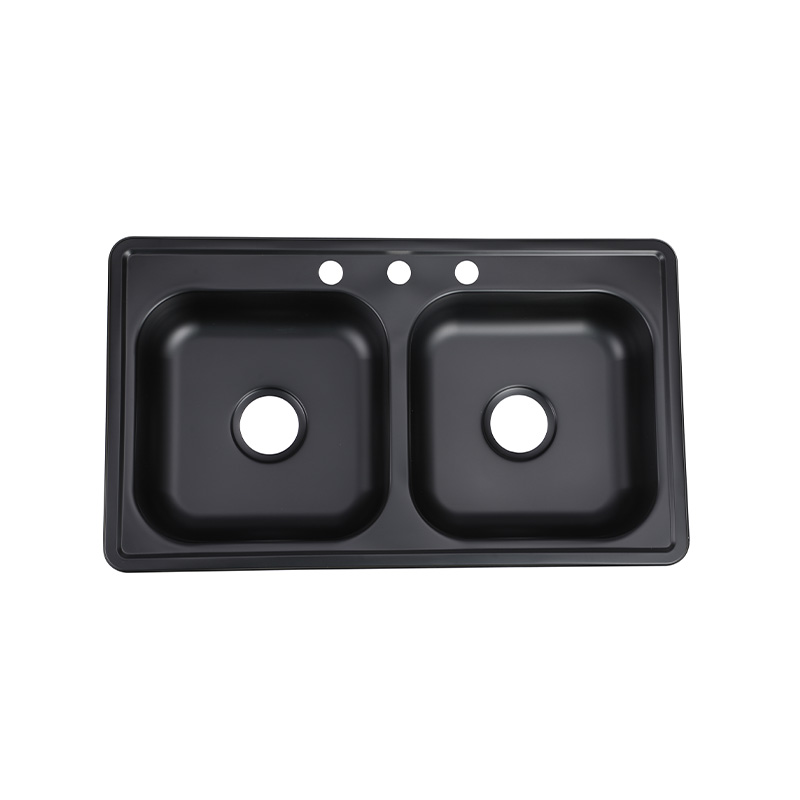
Welcome to the epitome of modern kitchen elegance and functionality with our new 33" x 19" Double Bowl Black Color Sink. This stunning sink, featuring advanced PVD (Physical Vapor Deposition) coating,...
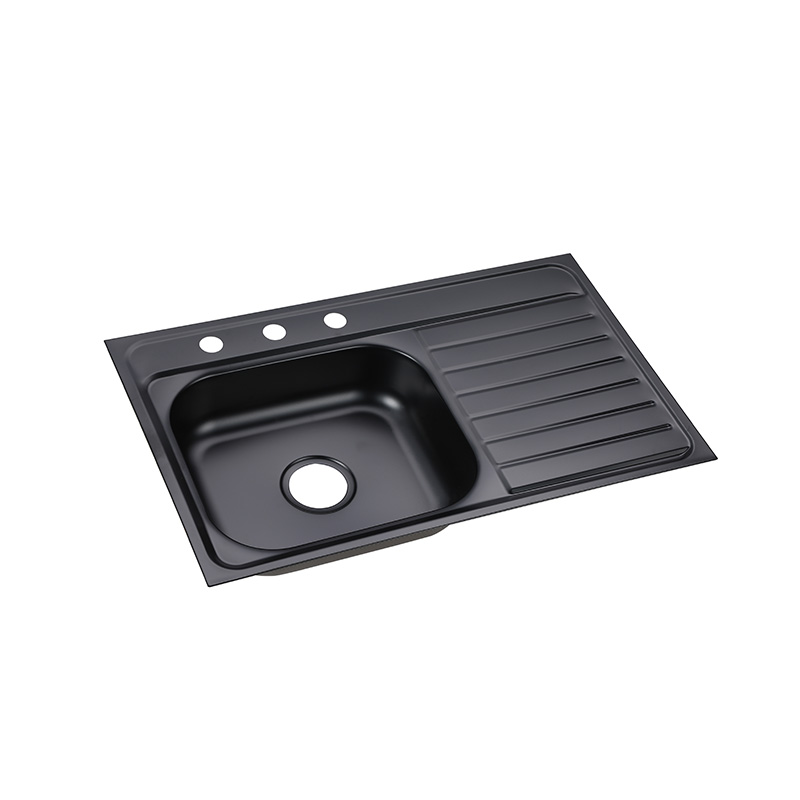
Welcome to our collection of premium PVD sinks, where functionality meets style. Among our diverse range of kitchen fixtures, the 800*500mm Left Bowl with Right Tray Sink in Black stands out as a test...
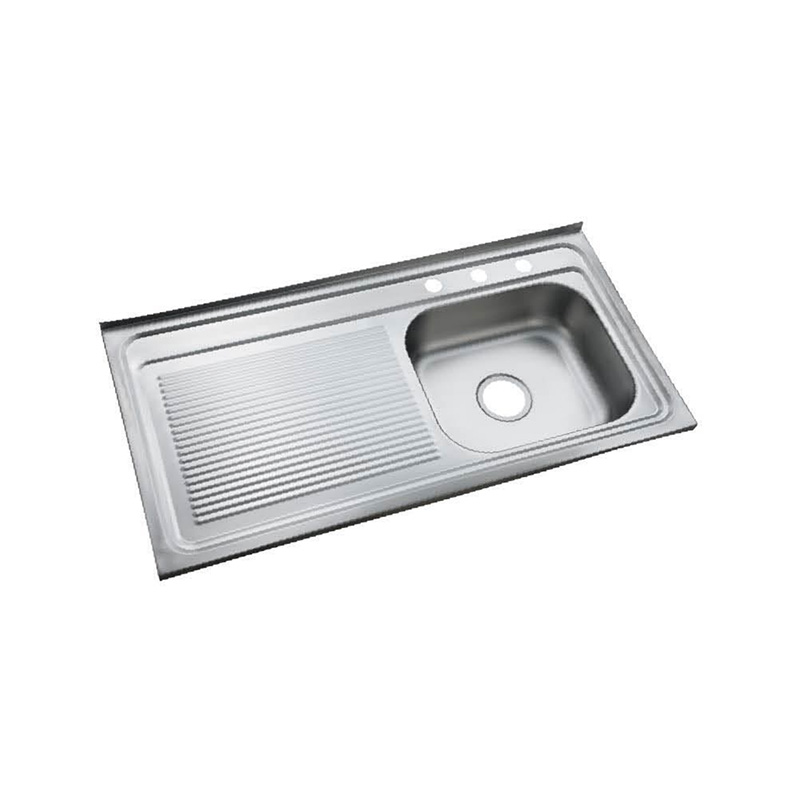
The XAL10050ERG 1000*500 mm right bowl with left tray sink in GREY color is a modern, versatile addition to any kitchen. This sink combines functionality with a sleek design, offering a practical solu...
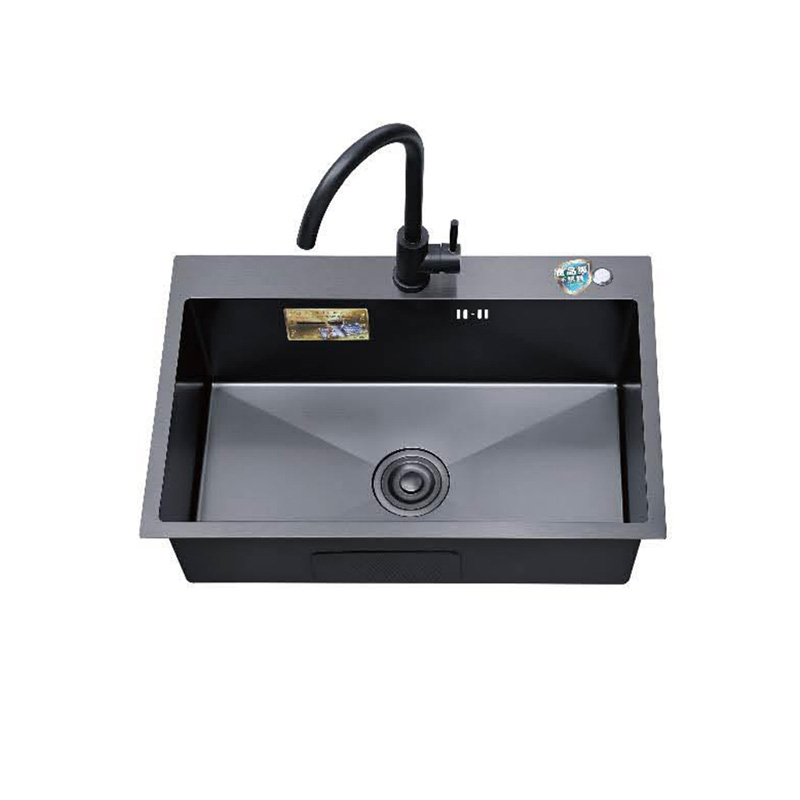
In the realm of kitchen fixtures, the single bowl handmade sink stands as a testament to the fusion of craftsmanship and functionality. Crafted with precision and care, each sink exudes a unique charm...
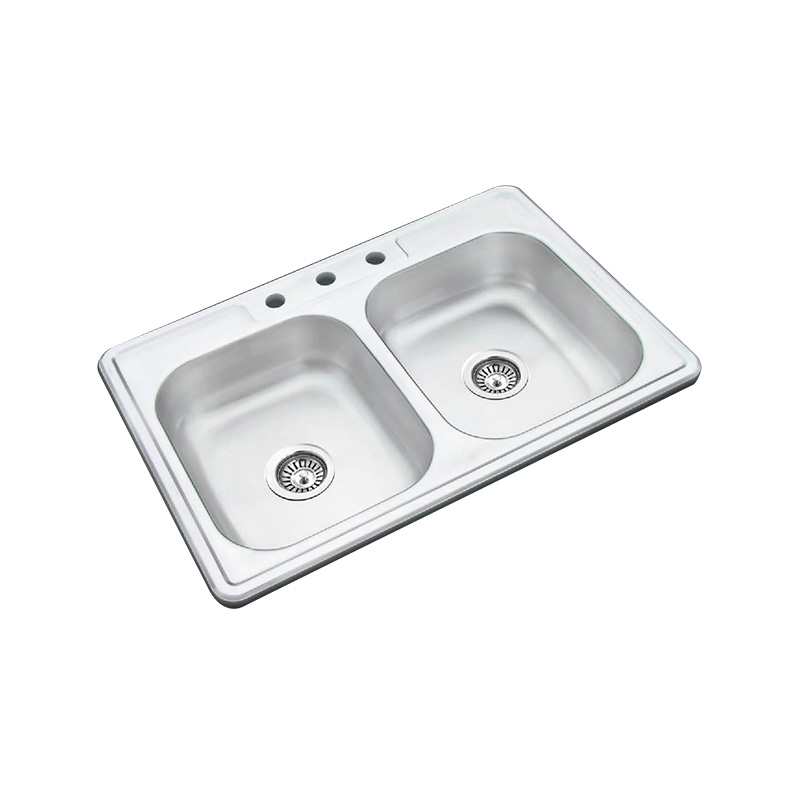
In the realm of kitchen essentials, versatility and efficiency are important. Our 3333"* 22" double bowl sink combines functionality and durability and is designed to enhance your kitchen experience. ...
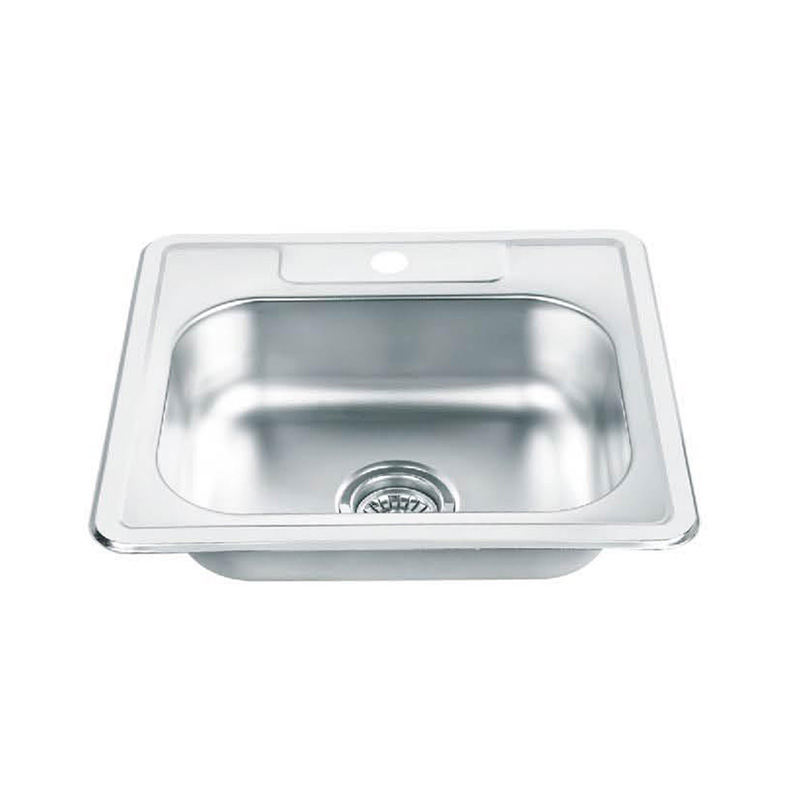
Welcome to our product showcase for the 20"*19" single bowl sink, a blend of practicality and elegance designed to meet the diverse needs of modern kitchens. This compact and efficient sink is tailore...
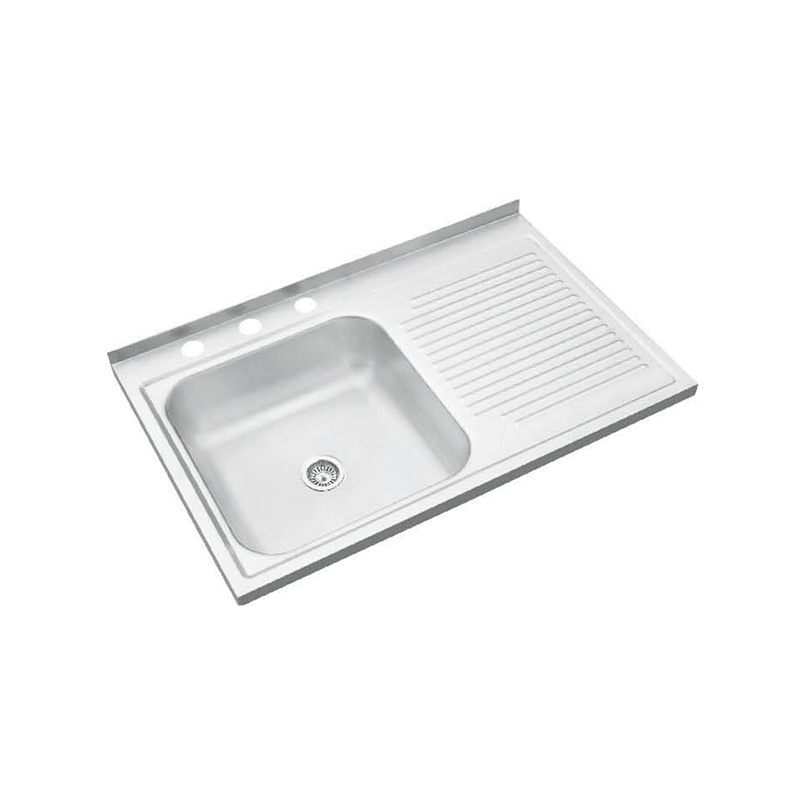
In the realm of kitchen fixtures, versatility and efficiency are important. Our 800*500 mm Left Bowl with Right Tray Sink offers a seamless blend of functionality and convenience, tailored to suit var...
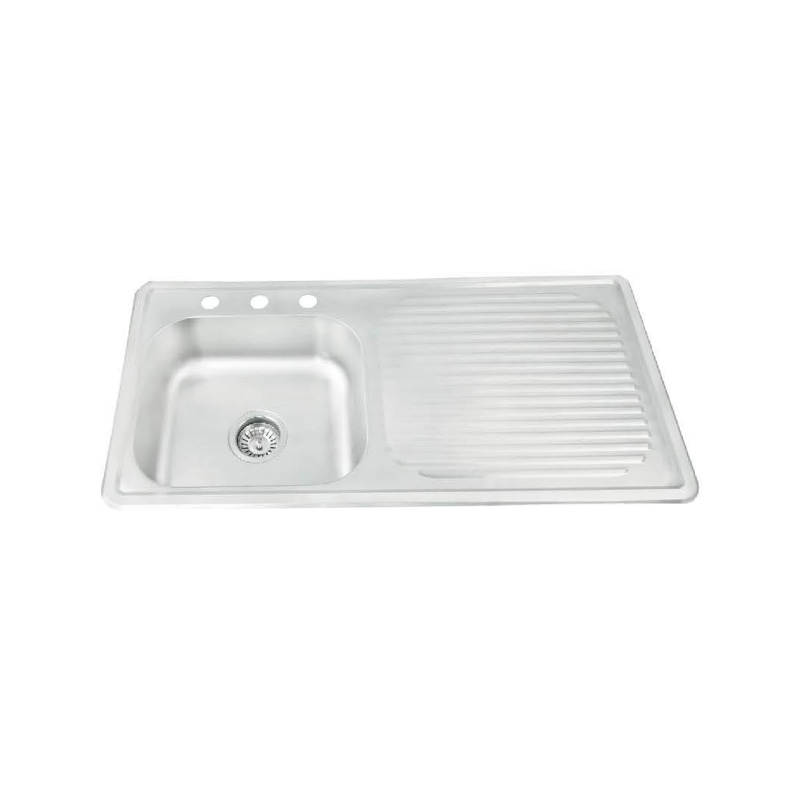
The 1000*500 mm left bowl with right tray sink is a good choice for modern kitchens requiring both style and functionality. This versatile sink is designed to handle the demands of a busy kitchen whil...
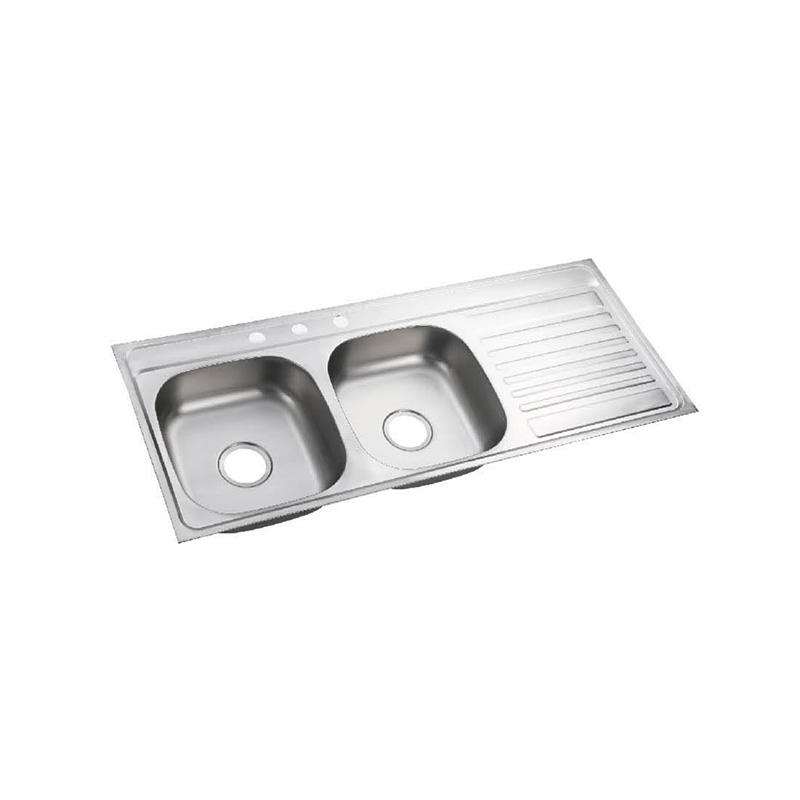
Introducing the 1200*500 mm left double bowl with right tray sink, a versatile solution for modern kitchens seeking enhanced functionality and convenience. This meticulously crafted sink combines the ...
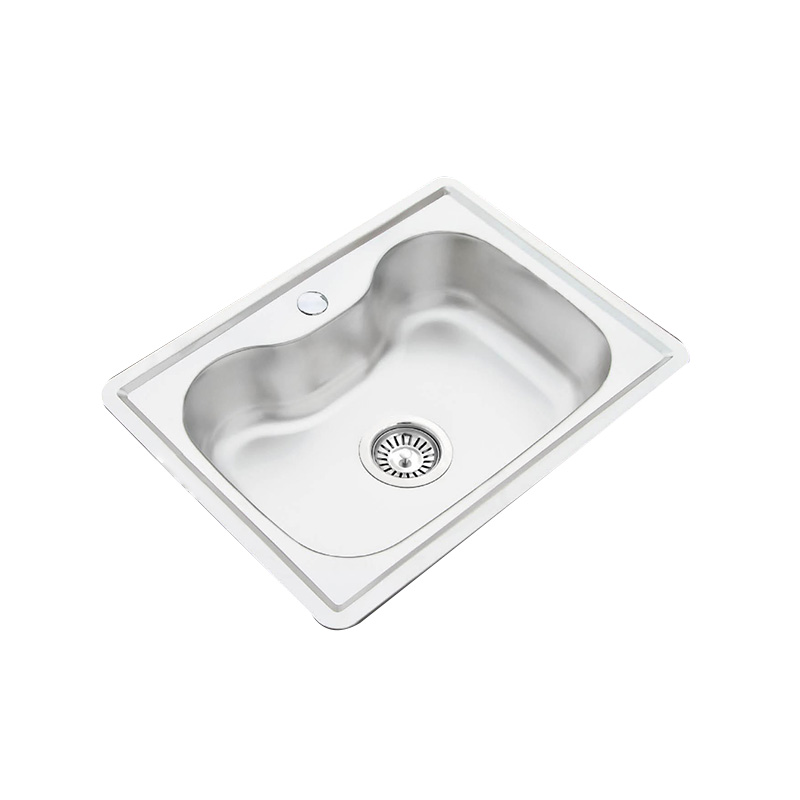
In the evolving world of kitchen design, the need for compact, efficient, and durable solutions has never been greater. Our 600*420 mm single bowl sink addresses these needs suitablely, combining spac...
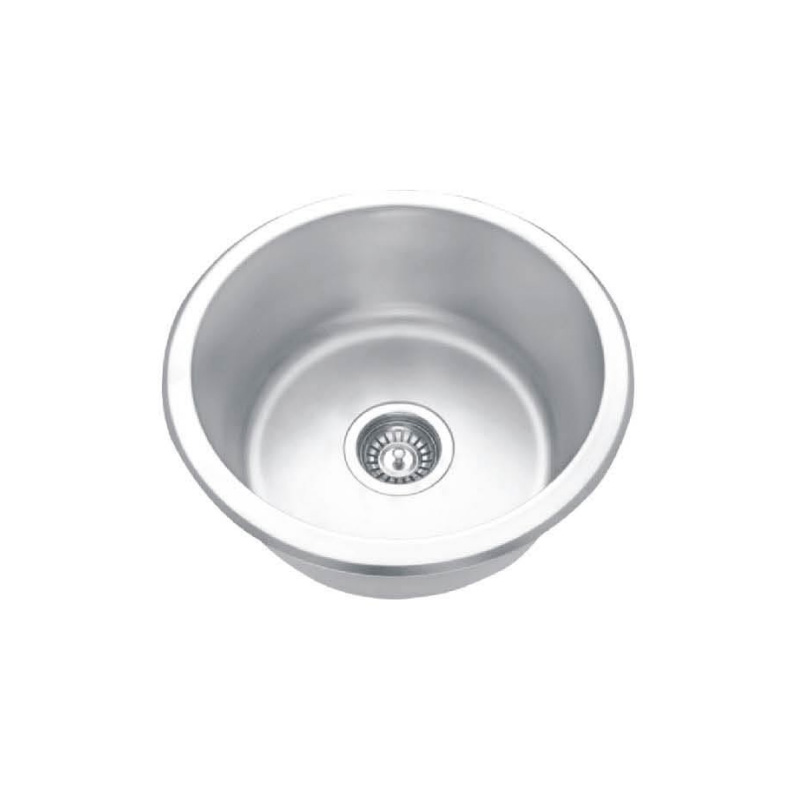
In the realm of functional kitchen fixtures, the sink reigns as a pivotal element. Enter our 420*420 mm round single bowl sink, a combination of utility and elegance that redefines kitchen essentials....

TaiZhou RunHeng Sanitary Ware Co., Ltd is an export-oriented enterprise integrating R&D, production and sales of stainless steel kitchen sink.
Copyright © 2024 TaiZhou RunHeng Sanitary Ware Co., Ltd. All Rights Reserved.
Commercial Undermount Kitchen Sinks Factory