English
 Español
 عربى
Product Consultation
Your email address will not be published. Required fields are marked *
Choosing a kitchen sink is not simply about finding a design that matches the countertop. For kitchen cabinet manufacturers, importers, distributors, and renovation contractors, sink dimensions directly affect cabinet layouts, countertop cutouts, installation arrangements, and the overall user experience. An unsuitable size can create additional installation work or limit the available workspace. For buyers sourcing products from an undermount sink factory, understanding how sink dimensions relate to different kitchen layouts is an important step toward making better purchasing decisions.

The available cabinet space determines which sink sizes can be installed properly. A large basin may look attractive in a product catalogue, but it may not fit the cabinet structure or leave enough room for plumbing connections.
Before selecting a model, buyers should check:
Confirming these measurements early helps avoid unnecessary modifications during installation.
Different kitchens have different washing requirements. A compact single-bowl sink may be suitable for apartments, small kitchens, and rental properties where countertop space is limited.
Larger single-bowl designs provide more room for washing cookware and preparing food. Double-bowl sinks, meanwhile, offer separate areas for washing and rinsing, making them practical for households with more demanding kitchen routines.
For distributors, carrying several basin configurations can help address different customer needs without relying on a single product size.
Basin depth affects both washing convenience and under-counter space. A deeper sink can accommodate larger pots and reduce water splashing during certain tasks. However, it also requires sufficient clearance for the cabinet interior and drainage components.
When evaluating stainless steel undermount kitchen sinks, buyers should consider the relationship between basin depth, cabinet height, and plumbing layout rather than treating depth as an isolated specification.
Undermount sinks require accurate countertop openings. The cutout must match the sink dimensions and desired reveal style, whether the installation uses a positive, negative, or zero reveal.
Incorrect measurements can affect the finished appearance and make installation more difficult. Manufacturers should provide clear dimensional drawings and relevant installation information to help countertop fabricators prepare the opening correctly.
For wholesale buyers, product selection also involves inventory planning and market demand. Ordering too many similar sizes may limit product flexibility, while an overly complicated assortment can increase stock management pressure.
A practical purchasing strategy includes:
These steps help buyers build a more suitable product range for retailers and project customers.
A reliable manufacturer should do more than supply finished sinks. Clear communication about dimensions, material options, production requirements, and packaging can help overseas buyers manage orders more efficiently.
An experienced undermount sink factory can also assist with product selection based on cabinet dimensions and intended applications. By confirming technical details before production, buyers can reduce misunderstandings and improve coordination between suppliers, kitchen designers, and installers.
The right sink size is ultimately the one that fits the cabinet structure, meets the user's daily needs, and supports the project's budget and installation requirements. Careful product selection and communication with the manufacturer can make the entire sourcing process more straightforward.
Your email address will not be published. Required fields are marked *

Introducing our 19" x 19" single bowl black color sink, a stellar addition to our PVD sink collection. Designed with both aesthetics and functionality in mind, this sink is suitable for modern kitchen...
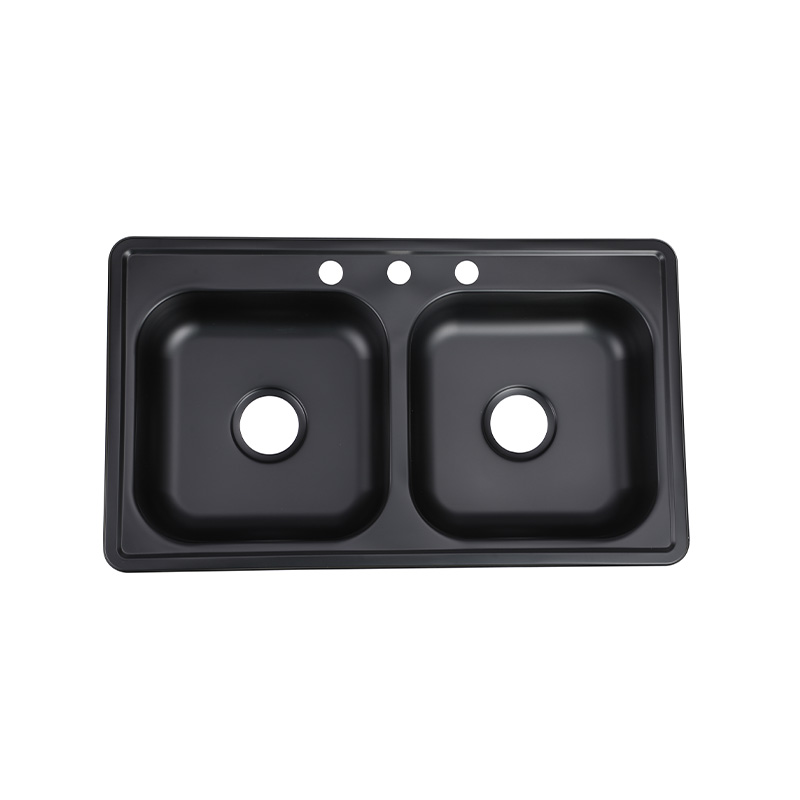
Welcome to the epitome of modern kitchen elegance and functionality with our new 33" x 19" Double Bowl Black Color Sink. This stunning sink, featuring advanced PVD (Physical Vapor Deposition) coating,...
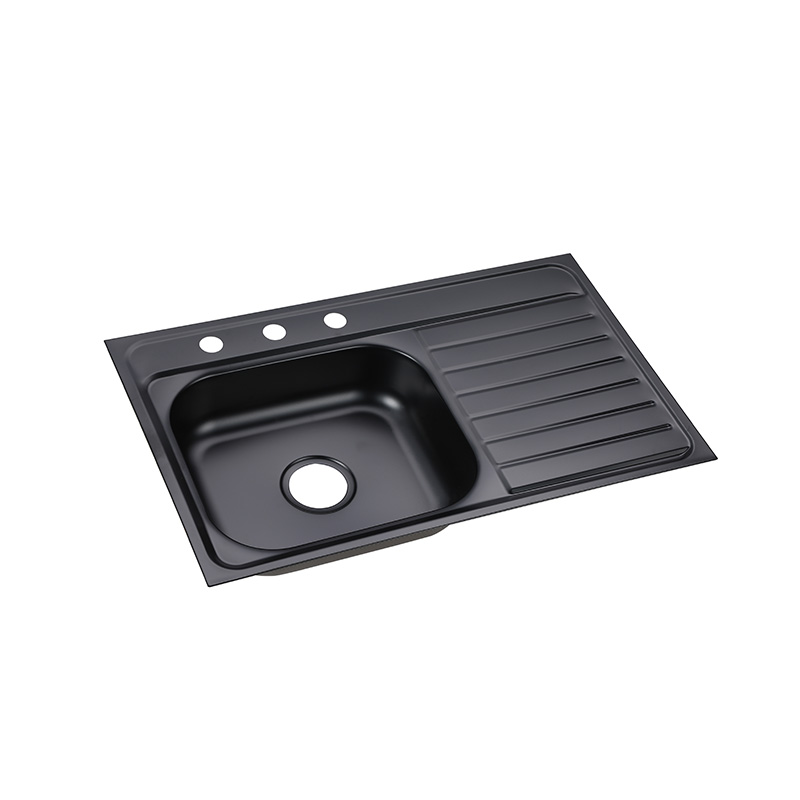
Welcome to our collection of premium PVD sinks, where functionality meets style. Among our diverse range of kitchen fixtures, the 800*500mm Left Bowl with Right Tray Sink in Black stands out as a test...
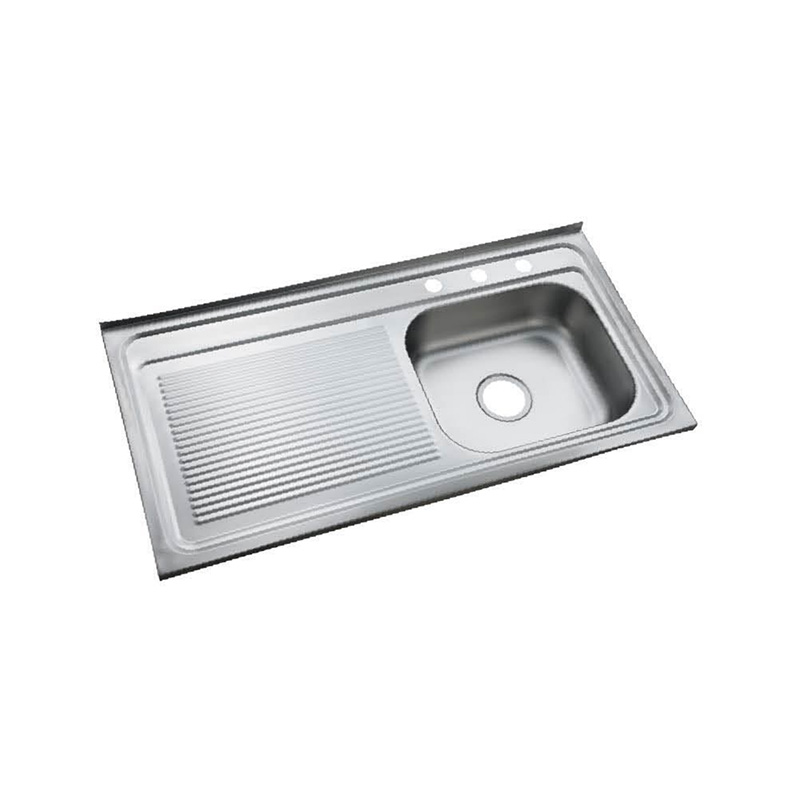
The XAL10050ERG 1000*500 mm right bowl with left tray sink in GREY color is a modern, versatile addition to any kitchen. This sink combines functionality with a sleek design, offering a practical solu...
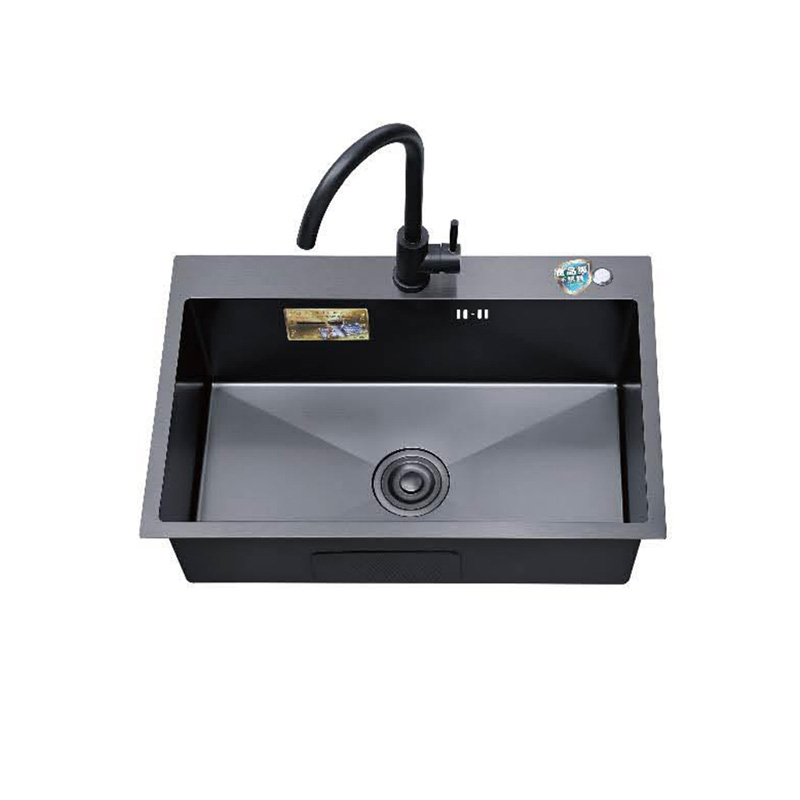
In the realm of kitchen fixtures, the single bowl handmade sink stands as a testament to the fusion of craftsmanship and functionality. Crafted with precision and care, each sink exudes a unique charm...
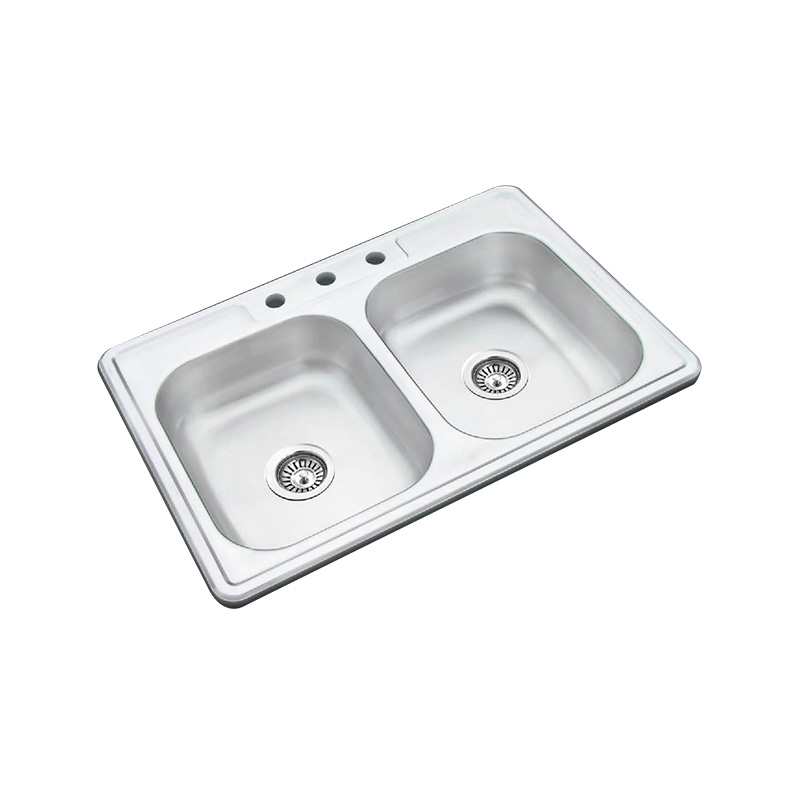
In the realm of kitchen essentials, versatility and efficiency are important. Our 3333"* 22" double bowl sink combines functionality and durability and is designed to enhance your kitchen experience. ...
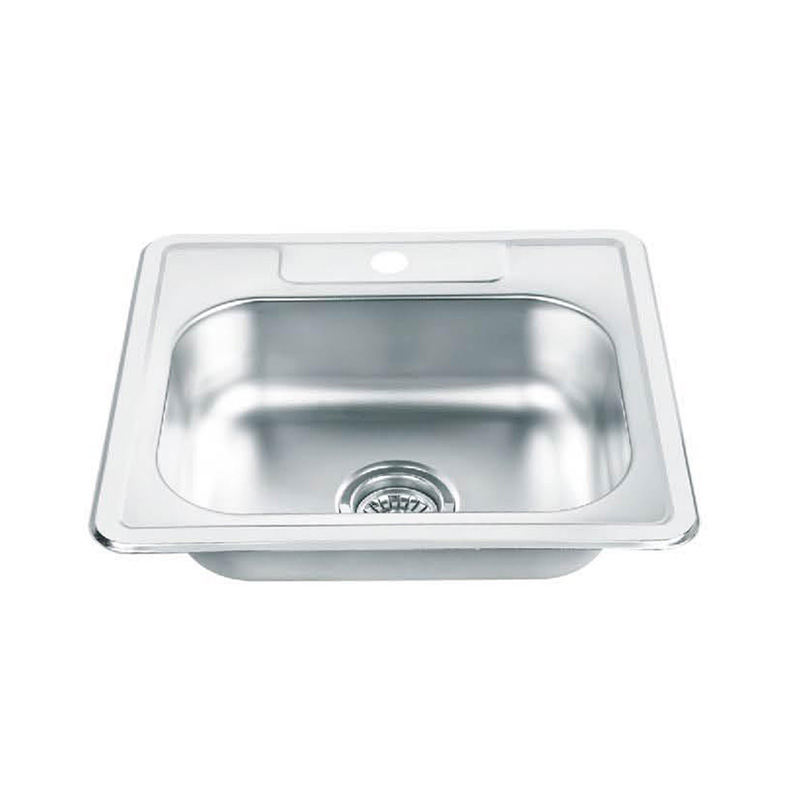
Welcome to our product showcase for the 20"*19" single bowl sink, a blend of practicality and elegance designed to meet the diverse needs of modern kitchens. This compact and efficient sink is tailore...
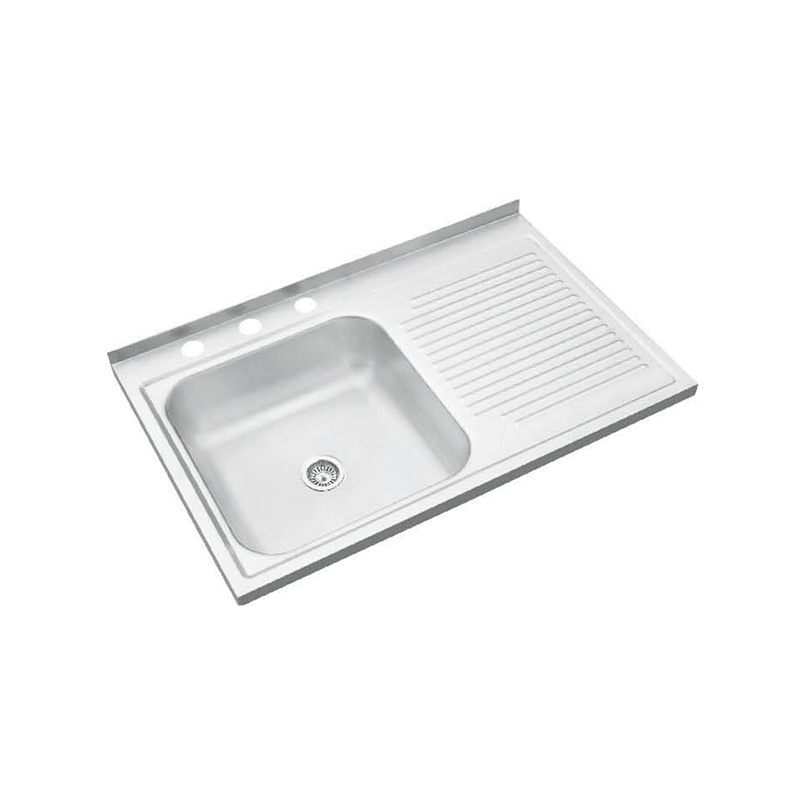
In the realm of kitchen fixtures, versatility and efficiency are important. Our 800*500 mm Left Bowl with Right Tray Sink offers a seamless blend of functionality and convenience, tailored to suit var...
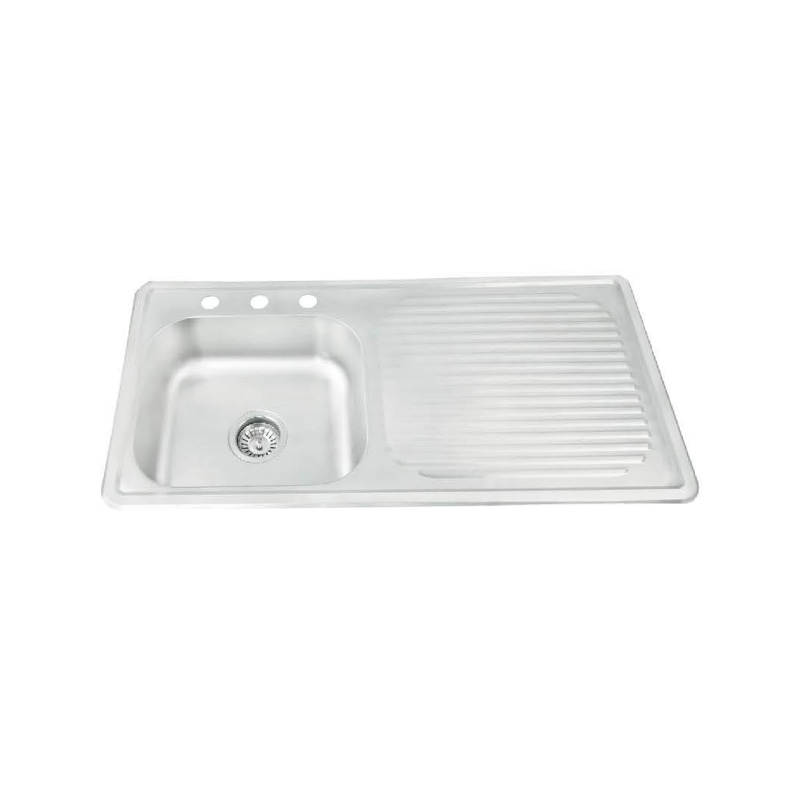
The 1000*500 mm left bowl with right tray sink is a good choice for modern kitchens requiring both style and functionality. This versatile sink is designed to handle the demands of a busy kitchen whil...
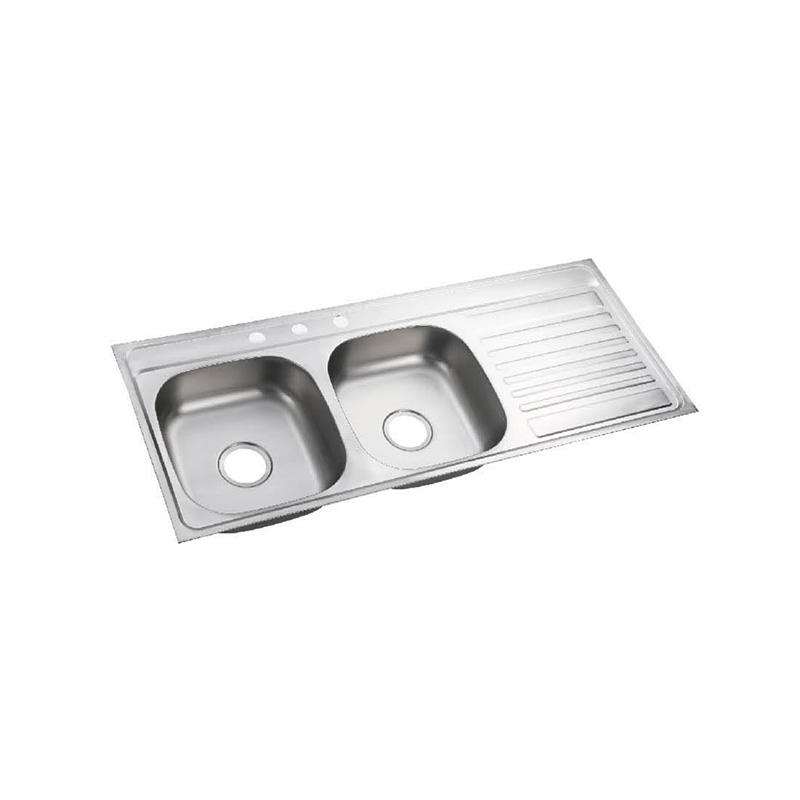
Introducing the 1200*500 mm left double bowl with right tray sink, a versatile solution for modern kitchens seeking enhanced functionality and convenience. This meticulously crafted sink combines the ...
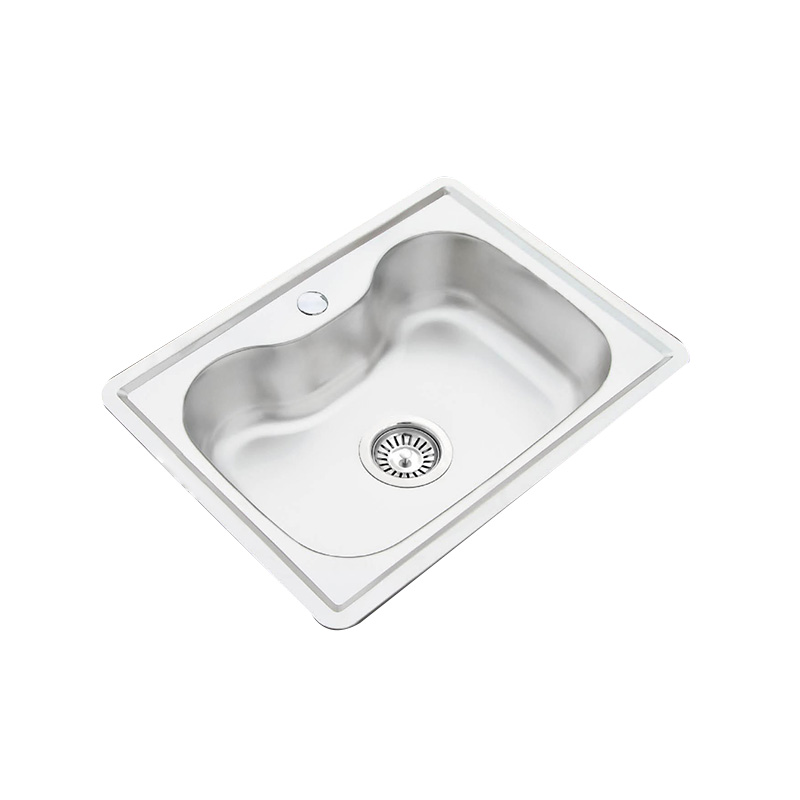
In the evolving world of kitchen design, the need for compact, efficient, and durable solutions has never been greater. Our 600*420 mm single bowl sink addresses these needs suitablely, combining spac...
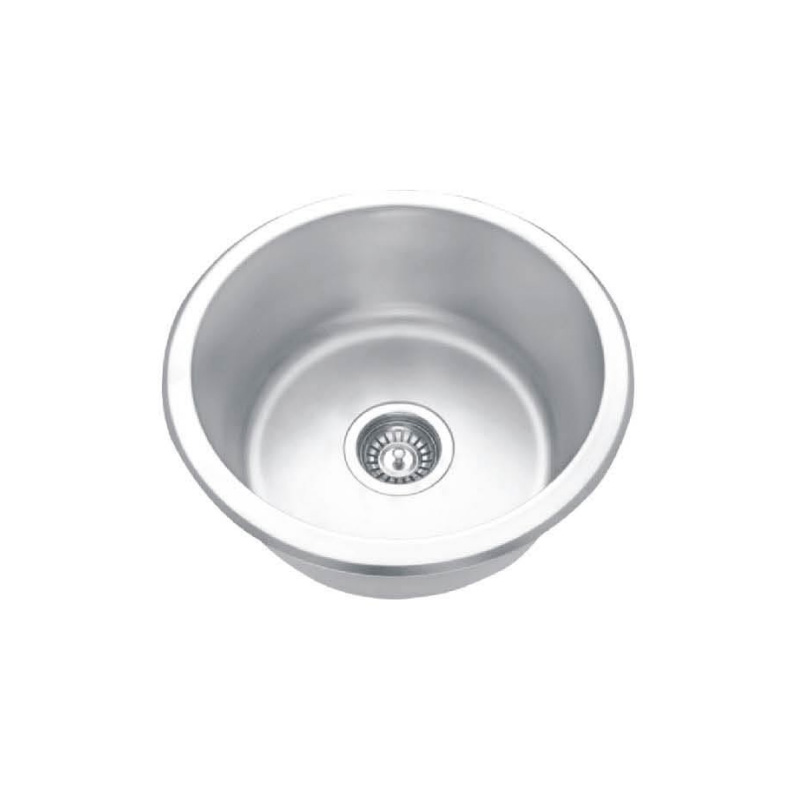
In the realm of functional kitchen fixtures, the sink reigns as a pivotal element. Enter our 420*420 mm round single bowl sink, a combination of utility and elegance that redefines kitchen essentials....

TaiZhou RunHeng Sanitary Ware Co., Ltd is an export-oriented enterprise integrating R&D, production and sales of stainless steel kitchen sink.
Copyright © 2024 TaiZhou RunHeng Sanitary Ware Co., Ltd. All Rights Reserved.
Commercial Undermount Kitchen Sinks Factory