English
 Español
 عربى
عربىProduct Consultation
Your email address will not be published. Required fields are marked *
In today’s global kitchen and construction supply chain, demand for durable, hygienic, and cost-stable stainless steel sinks continues to grow, especially across residential projects, hospitality developments, and commercial kitchen installations. However, procurement trends have shifted beyond simple product pricing. Buyers are increasingly evaluating production consistency, surface finishing stability, and long-term durability performance. In this context, sourcing from a machine-made sink factory has become a key consideration for importers and project contractors who require stable output and standardized quality across bulk orders.
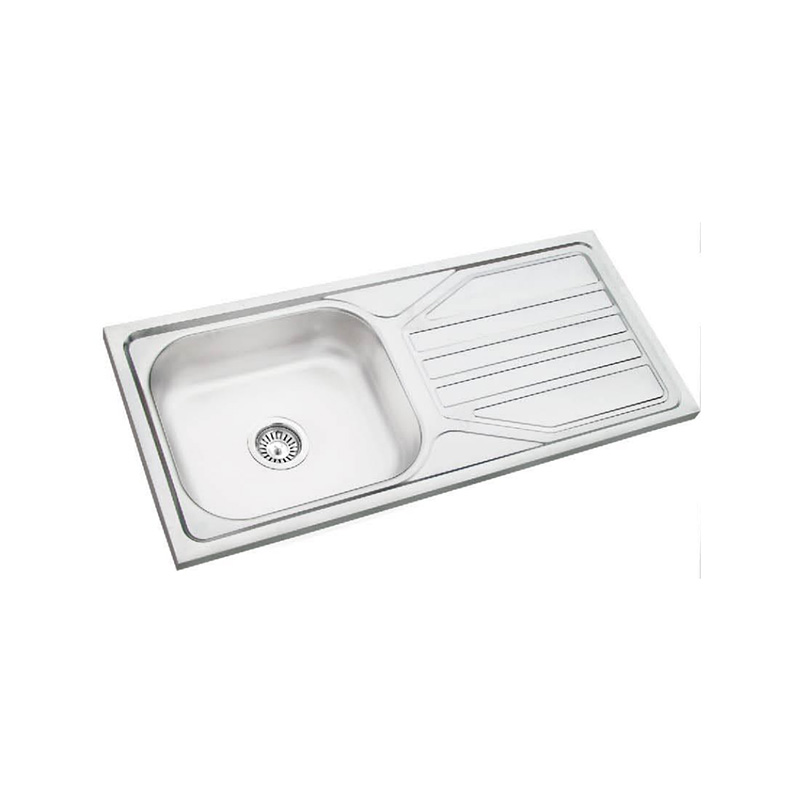
Recent market discussions among distributors and project contractors show a clear increase in demand for standardized kitchen equipment. Large-scale residential developments and commercial kitchen installations require sinks that can maintain consistent specifications across thousands of units.
Key requirements include:
This shift is particularly noticeable in hospitality construction, where installation efficiency directly impacts project delivery schedules.
Many international buyers report recurring issues when sourcing from inconsistent production channels. These concerns are often related to manufacturing variability rather than material selection.
Frequently observed problems include:
These issues create additional installation and after-sales costs, especially in commercial kitchen projects where usage intensity is high.
While traditional manufacturing methods still exist in some markets, global procurement standards are increasingly shifting toward fully controlled production systems. Manual variability often leads to inconsistent tolerances, which is not acceptable for large export orders.
Limitations of older production methods include:
As a result, many buyers are now prioritizing suppliers with automated and repeatable manufacturing systems.
Modern sink manufacturing relies heavily on automated forming, welding, and polishing systems. This approach improves both efficiency and product consistency.
Key improvements include:
These advantages directly benefit B2B buyers by reducing inspection time, lowering defect rates, and improving end-user satisfaction in retail and project delivery channels.
In global procurement trends, stainless steel grade selection has become a major decision factor. Buyers are not only focused on appearance but also on long-term resistance to corrosion and wear.
Common requirements include:
These factors are particularly important for commercial kitchens, where equipment must withstand continuous operational pressure.
For international buyers, supplier evaluation now extends beyond price and product appearance. Engineering capability and production stability are becoming more important in long-term partnerships.
Key evaluation criteria include:
Factories with stable production systems are more likely to support long-term distribution contracts and project-based supply agreements.
Future Trends in Kitchen Sink Industry Development
The kitchen sink industry is moving toward more functional and standardized designs, driven by global construction growth and commercial kitchen expansion. Demand for deeper bowls, noise reduction structures, and integrated drainage systems continues to rise.
As procurement expectations increase, suppliers capable of delivering stable mass production through a kitchen sink manufacturing system will remain more competitive in global markets, especially in large-scale construction and distribution projects.
Why Are Commercial Kitchen Buyers Paying More Attention to Sink Manufacturing Methods?
What Is Driving the Shift Toward Industrial-Grade Kitchen Sink Manufacturing in Global Procurement?
Your email address will not be published. Required fields are marked *

Introducing our 19" x 19" single bowl black color sink, a stellar addition to our PVD sink collection. Designed with both aesthetics and functionality in mind, this sink is suitable for modern kitchen...
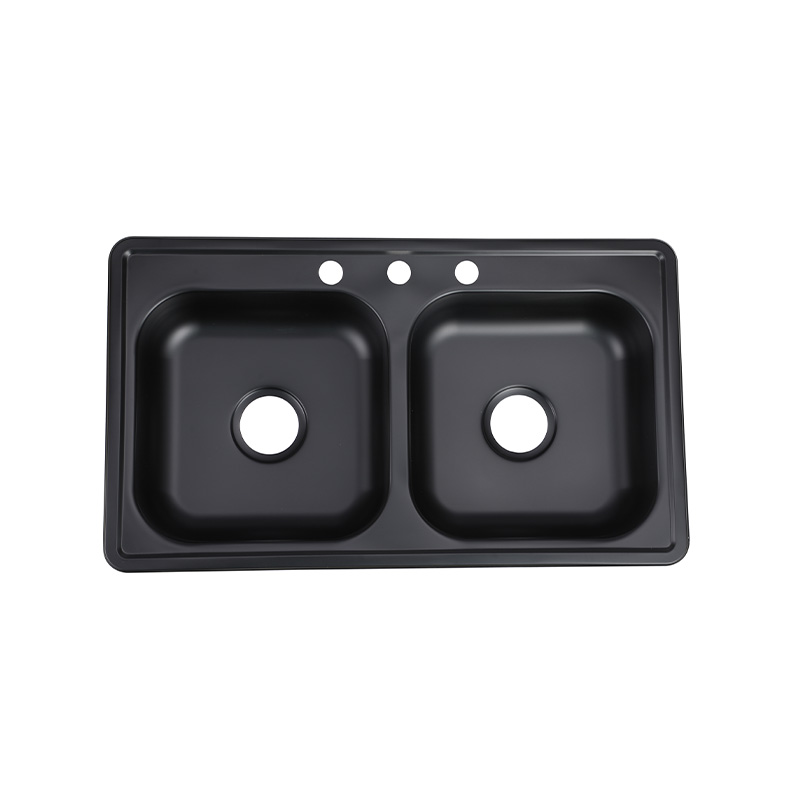
Welcome to the epitome of modern kitchen elegance and functionality with our new 33" x 19" Double Bowl Black Color Sink. This stunning sink, featuring advanced PVD (Physical Vapor Deposition) coating,...
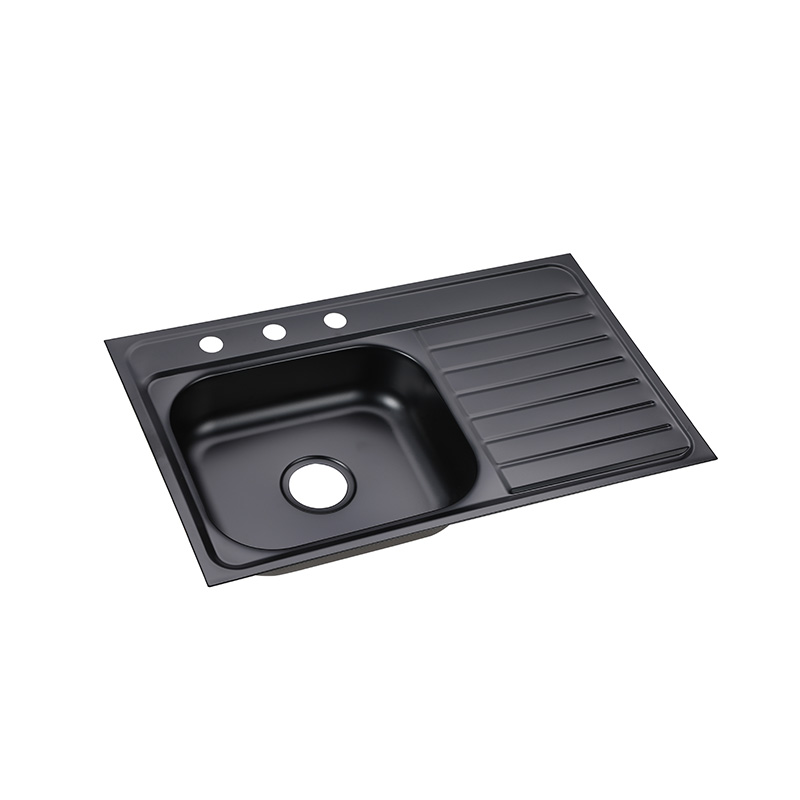
Welcome to our collection of premium PVD sinks, where functionality meets style. Among our diverse range of kitchen fixtures, the 800*500mm Left Bowl with Right Tray Sink in Black stands out as a test...
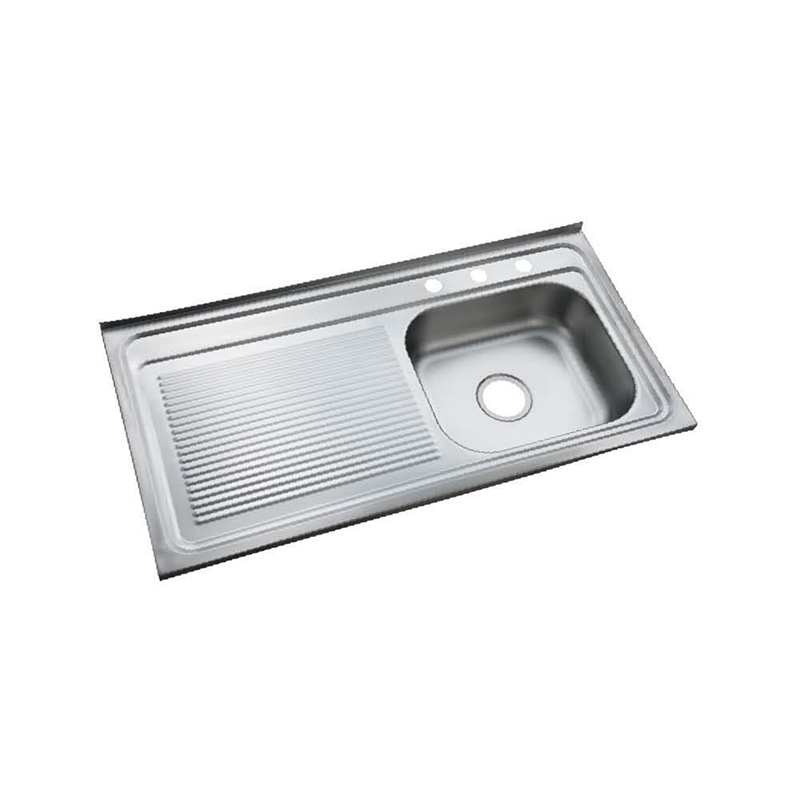
The XAL10050ERG 1000*500 mm right bowl with left tray sink in GREY color is a modern, versatile addition to any kitchen. This sink combines functionality with a sleek design, offering a practical solu...
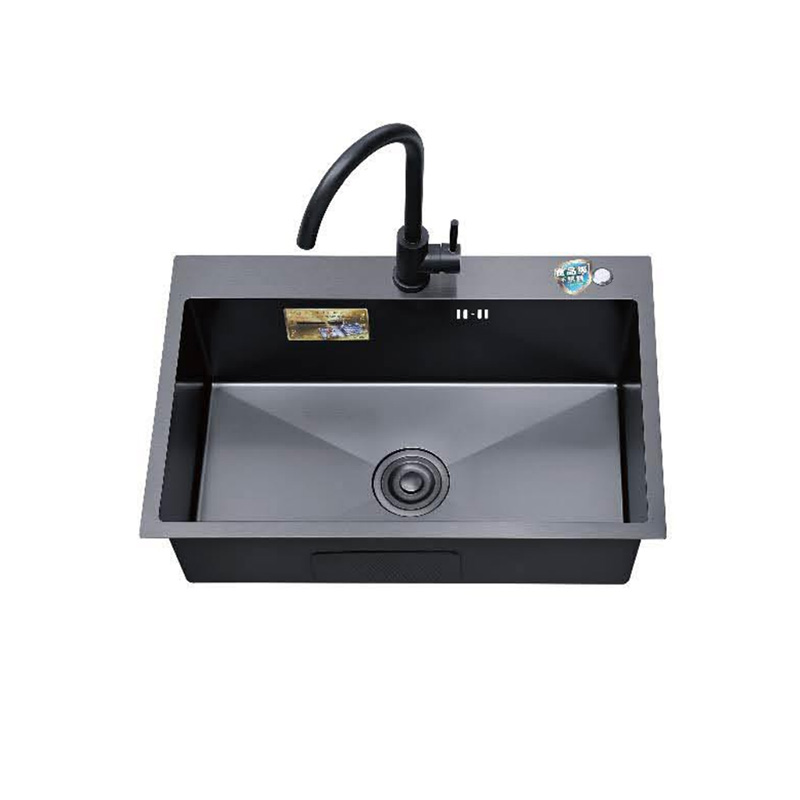
In the realm of kitchen fixtures, the single bowl handmade sink stands as a testament to the fusion of craftsmanship and functionality. Crafted with precision and care, each sink exudes a unique charm...
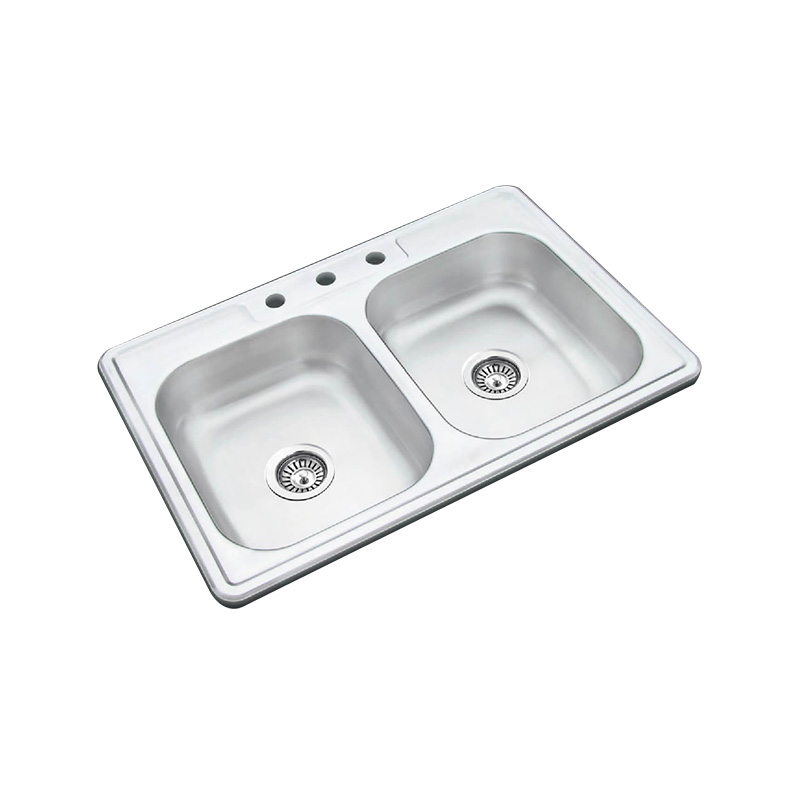
In the realm of kitchen essentials, versatility and efficiency are important. Our 3333"* 22" double bowl sink combines functionality and durability and is designed to enhance your kitchen experience. ...
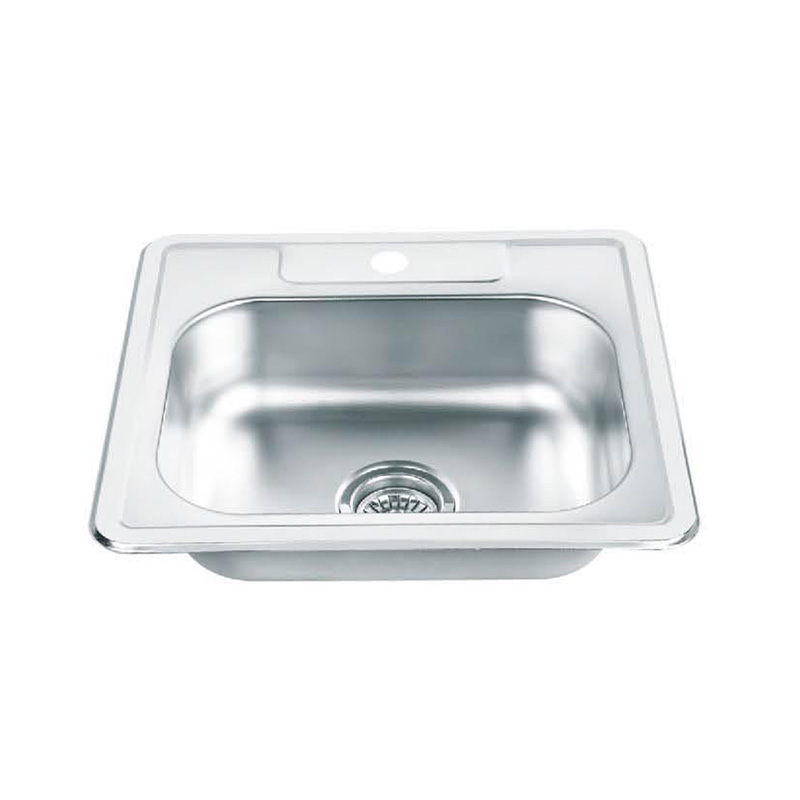
Welcome to our product showcase for the 20"*19" single bowl sink, a blend of practicality and elegance designed to meet the diverse needs of modern kitchens. This compact and efficient sink is tailore...
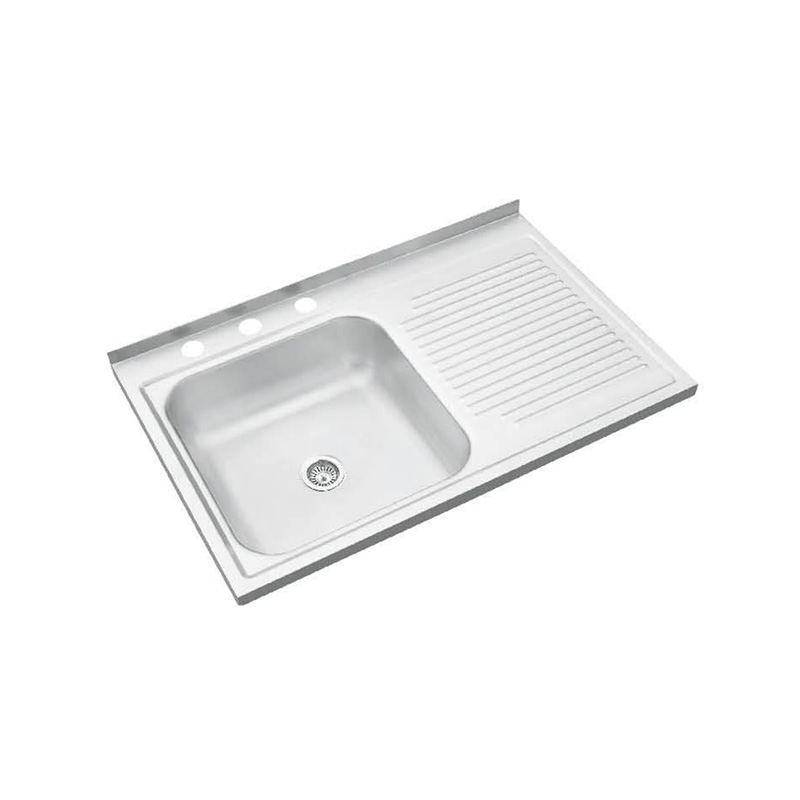
In the realm of kitchen fixtures, versatility and efficiency are important. Our 800*500 mm Left Bowl with Right Tray Sink offers a seamless blend of functionality and convenience, tailored to suit var...
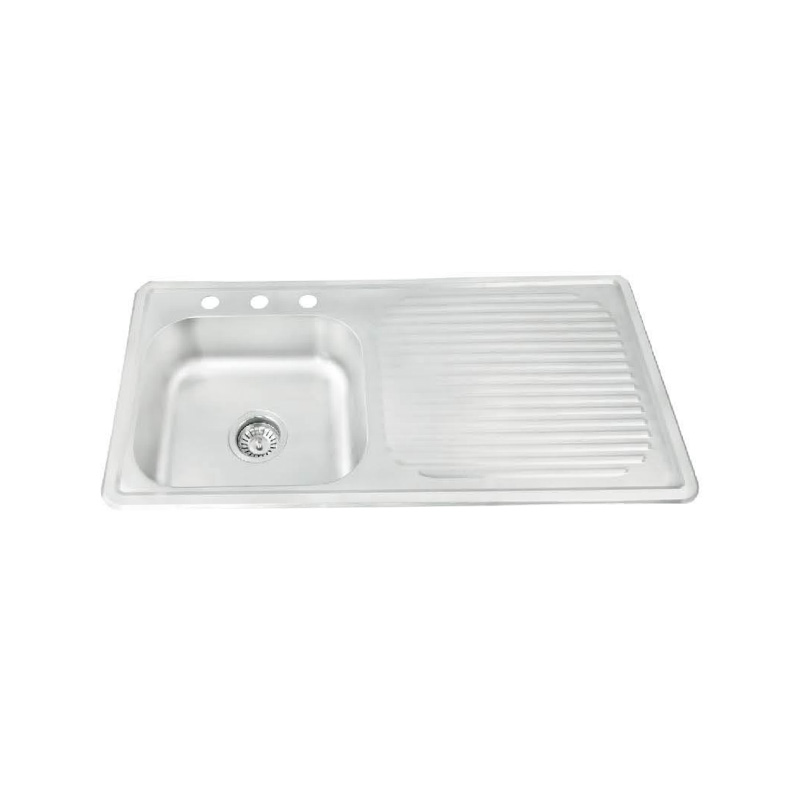
The 1000*500 mm left bowl with right tray sink is a good choice for modern kitchens requiring both style and functionality. This versatile sink is designed to handle the demands of a busy kitchen whil...
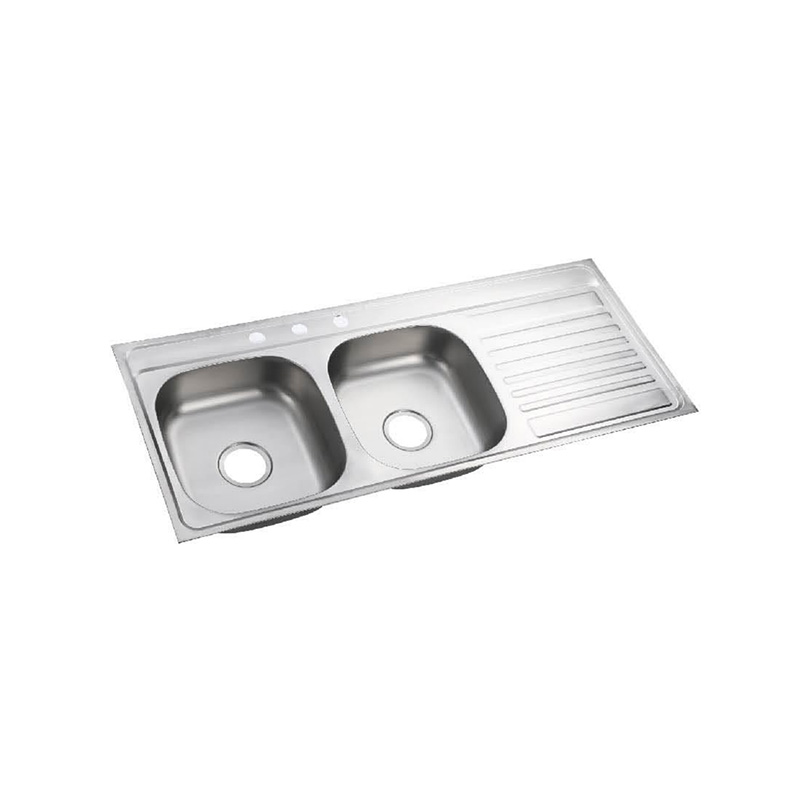
Introducing the 1200*500 mm left double bowl with right tray sink, a versatile solution for modern kitchens seeking enhanced functionality and convenience. This meticulously crafted sink combines the ...
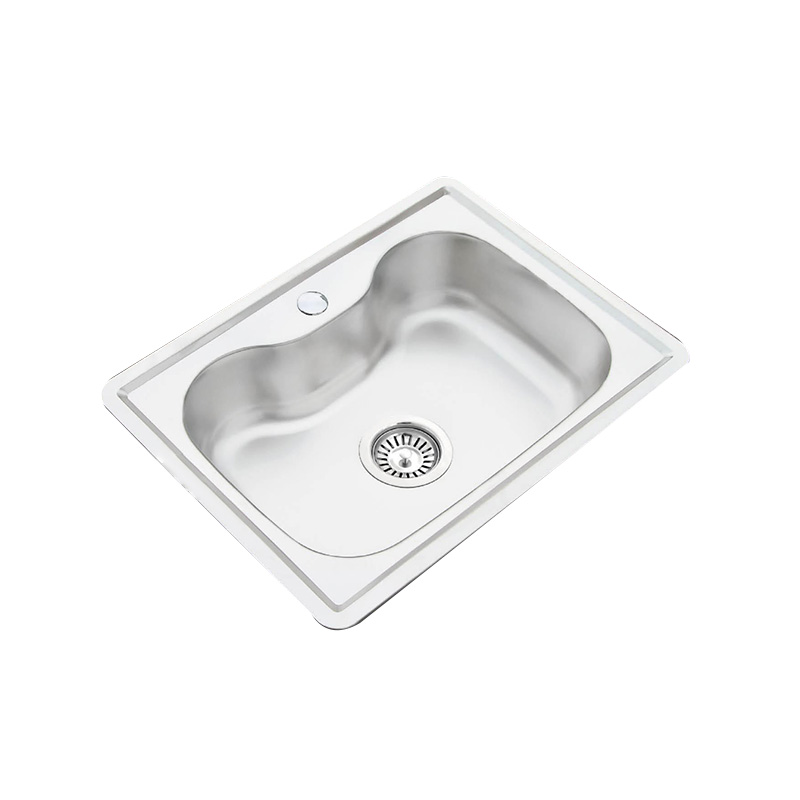
In the evolving world of kitchen design, the need for compact, efficient, and durable solutions has never been greater. Our 600*420 mm single bowl sink addresses these needs suitablely, combining spac...
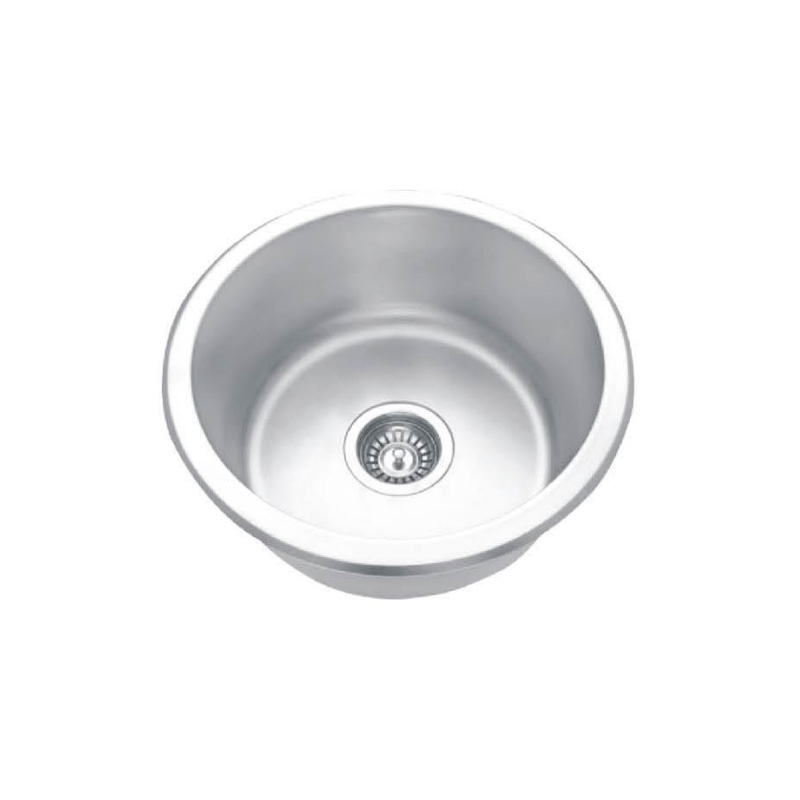
In the realm of functional kitchen fixtures, the sink reigns as a pivotal element. Enter our 420*420 mm round single bowl sink, a combination of utility and elegance that redefines kitchen essentials....

TaiZhou RunHeng Sanitary Ware Co., Ltd is an export-oriented enterprise integrating R&D, production and sales of stainless steel kitchen sink.
Copyright © 2024 TaiZhou RunHeng Sanitary Ware Co., Ltd. All Rights Reserved.
Commercial Undermount Kitchen Sinks Factory