English
 Español
 عربى
عربىProduct Consultation
Your email address will not be published. Required fields are marked *
Kitchen design in 2026 is moving toward darker, warmer, and more tactile finishes, with charcoal, matte black, natural wood, and layered materials appearing more frequently in contemporary interiors. At the same time, buyers are becoming more cautious about whether a fashionable sink finish can handle everyday use, cleaning, water marks, and installation requirements. For distributors, kitchen brands, and project buyers, selecting a nano black kitchen sink therefore requires more than comparing color and dimensions. Material structure, surface treatment, drainage design, and manufacturing consistency all deserve attention.

The black appearance of a sink does not necessarily indicate the same construction or performance. Stainless steel, granite composite, and other materials can all be produced in dark finishes, but they behave differently during fabrication and daily use.
For procurement teams, several questions should be clarified before placing an order:
As a manufacturer, we recommend confirming the material specification before comparing suppliers. A lower initial quotation may not represent the same construction, processing standard, or quality-control requirements.
Dark sinks are visually attractive, but surface quality becomes particularly important because scratches, mineral deposits, and uneven coloration can affect the overall appearance. Current 2026 kitchen guidance shows continued interest in matte black and graphite sinks, while also noting that darker surfaces can require more attention in hard-water environments.
For buyers considering a black stainless steel sink with nano or PVD-style surface treatment, it is useful to ask about coating consistency, adhesion, edge treatment, and resistance testing rather than relying on the word “nano” alone.
A black sink can create a strong visual anchor, but its success depends on the surrounding materials. Current kitchen design trends increasingly combine dark finishes with warm wood, natural stone, brass, and softer neutral colors rather than relying on a completely monochromatic scheme.
For project buyers, this creates opportunities for different product configurations:
This flexibility can make a well-designed sink suitable for several residential and hospitality projects.
A visually attractive sink still needs to perform efficiently during daily kitchen work. Drain position, bottom slope, corner radius, overflow configuration, and strainer compatibility can influence how easily water and food residue leave the basin.
When developing products for overseas markets, our engineering team considers these details together rather than treating the basin and drainage components as separate items. Small geometry changes can influence cleaning convenience, installation compatibility, and the user's overall experience.
One common purchasing problem occurs when a sink is selected before the countertop and cabinet specifications are finalized. Undermount, topmount, and workstation configurations may require different cutout dimensions and installation procedures.
Before production, buyers should confirm:
Early dimensional confirmation can reduce modification requests during project installation and make private-label product development more predictable.
For distributors and kitchen brands, purchasing one attractive sample is not enough. Repeated production needs consistent dimensions, surface appearance, welding quality, drainage performance, and packaging protection.
A capable kitchen sink manufacturer should have inspection procedures covering incoming materials, forming or welding, surface treatment, dimensional accuracy, drainage components, and final appearance. This is especially important when a brand plans to sell several sink sizes under the same product family, because inconsistent finishes can become noticeable across a showroom or catalog.
The growing interest in dark, tactile kitchen interiors creates a practical opportunity for suppliers offering well-engineered black sink solutions. However, buyers should evaluate material selection, surface treatment, drainage performance, installation compatibility, customization capability, and production quality rather than choosing purely by appearance. When sourcing from a kitchen sink factory, working with a manufacturer that can control both engineering details and finishing consistency can help overseas brands develop a nano black kitchen sink range that fits current design preferences while remaining practical for long-term projects.
How Can Customized Handmade Sinks Help Brands Capture Opportunities in the Mexico Kitchen Market?
Can a Nano Black Kitchen Sink Balance Modern Design With Everyday Performance?
Your email address will not be published. Required fields are marked *
Introducing our 19" x 19" single bowl black color sink, a stellar addition to our PVD sink collection. Designed with both aesthetics and functionality in mind, this sink is suitable for modern kitchen...
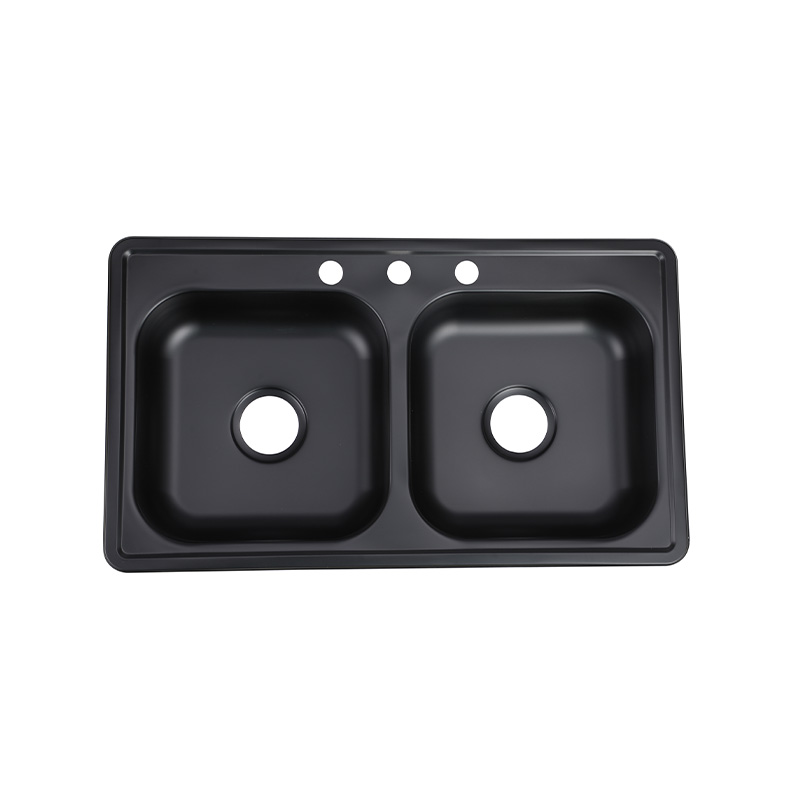
Welcome to the epitome of modern kitchen elegance and functionality with our new 33" x 19" Double Bowl Black Color Sink. This stunning sink, featuring advanced PVD (Physical Vapor Deposition) coating,...
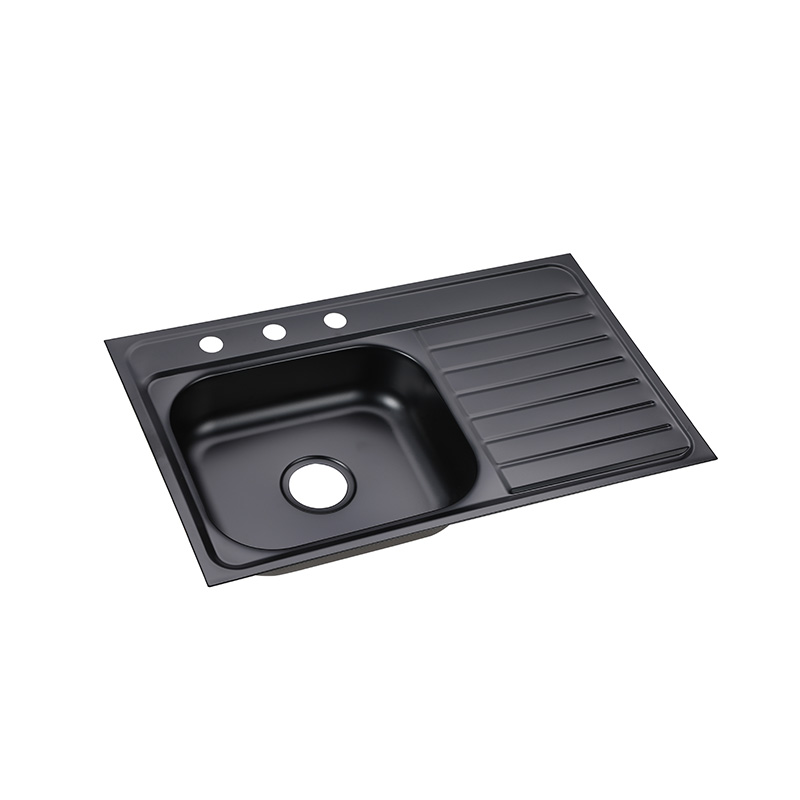
Welcome to our collection of premium PVD sinks, where functionality meets style. Among our diverse range of kitchen fixtures, the 800*500mm Left Bowl with Right Tray Sink in Black stands out as a test...
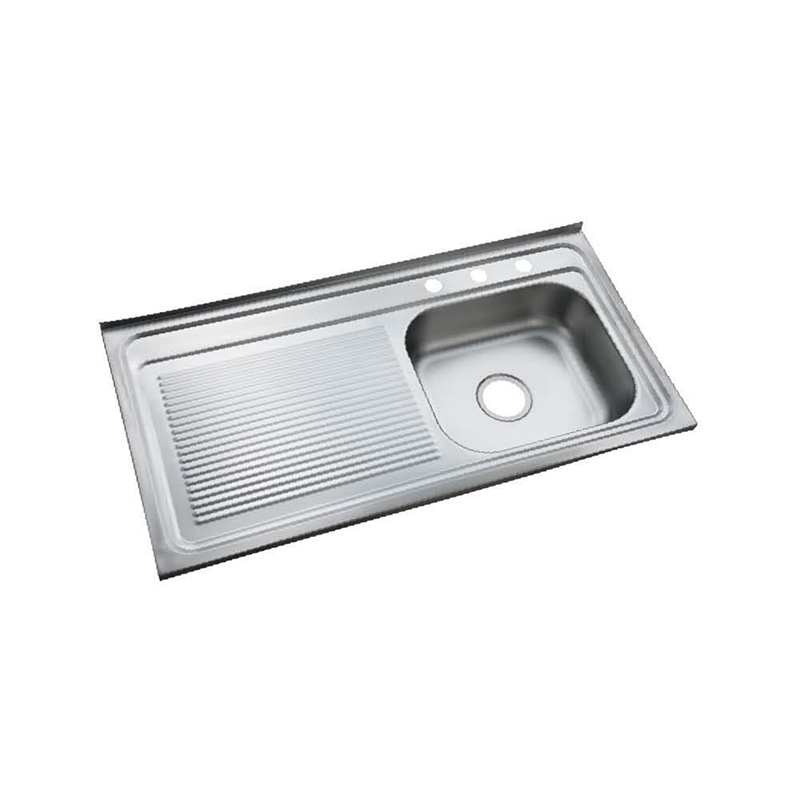
The XAL10050ERG 1000*500 mm right bowl with left tray sink in GREY color is a modern, versatile addition to any kitchen. This sink combines functionality with a sleek design, offering a practical solu...
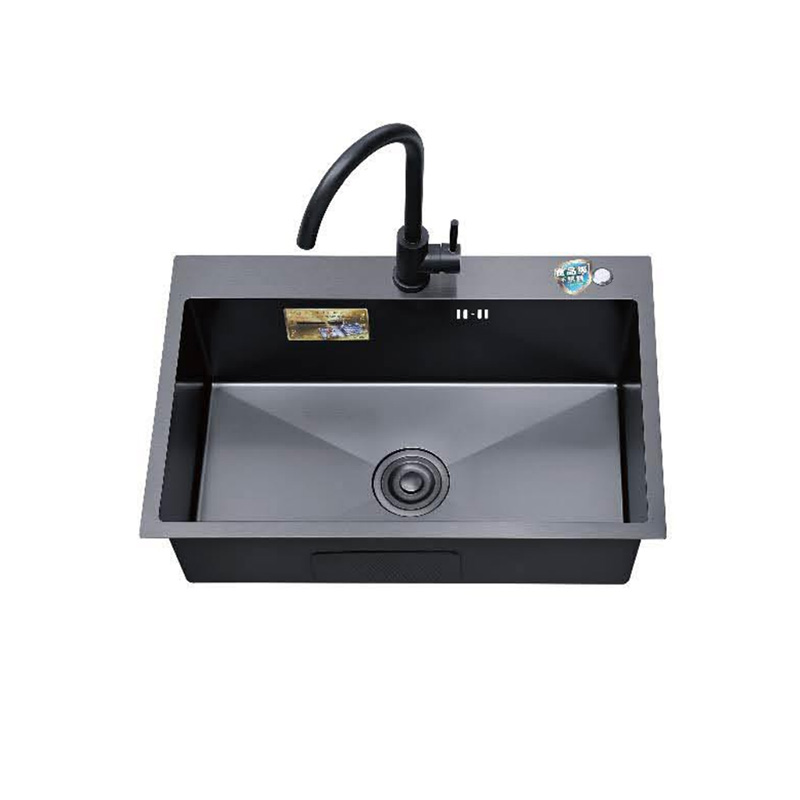
In the realm of kitchen fixtures, the single bowl handmade sink stands as a testament to the fusion of craftsmanship and functionality. Crafted with precision and care, each sink exudes a unique charm...
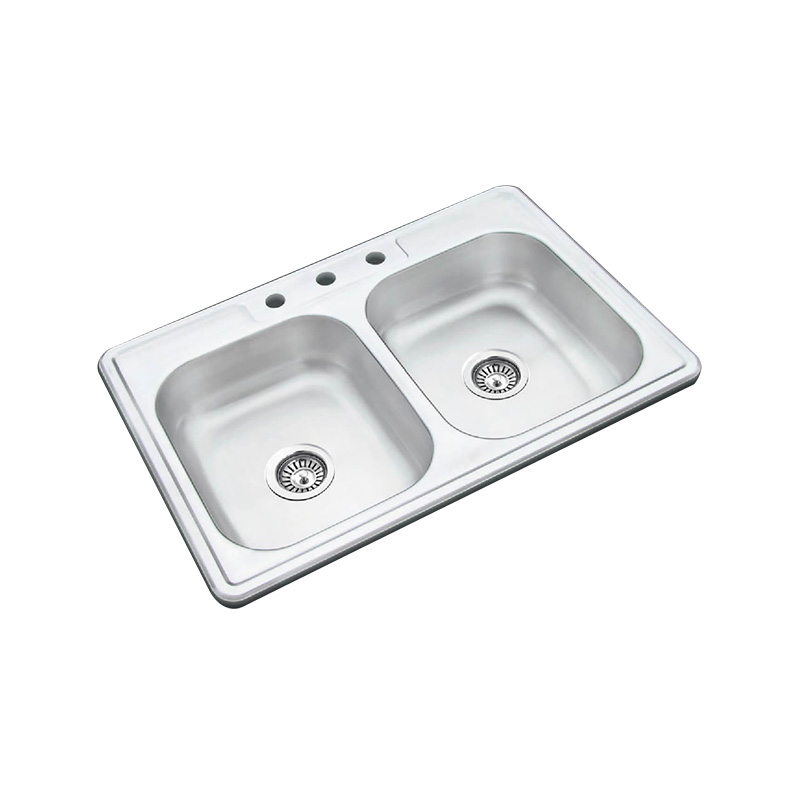
In the realm of kitchen essentials, versatility and efficiency are important. Our 3333"* 22" double bowl sink combines functionality and durability and is designed to enhance your kitchen experience. ...
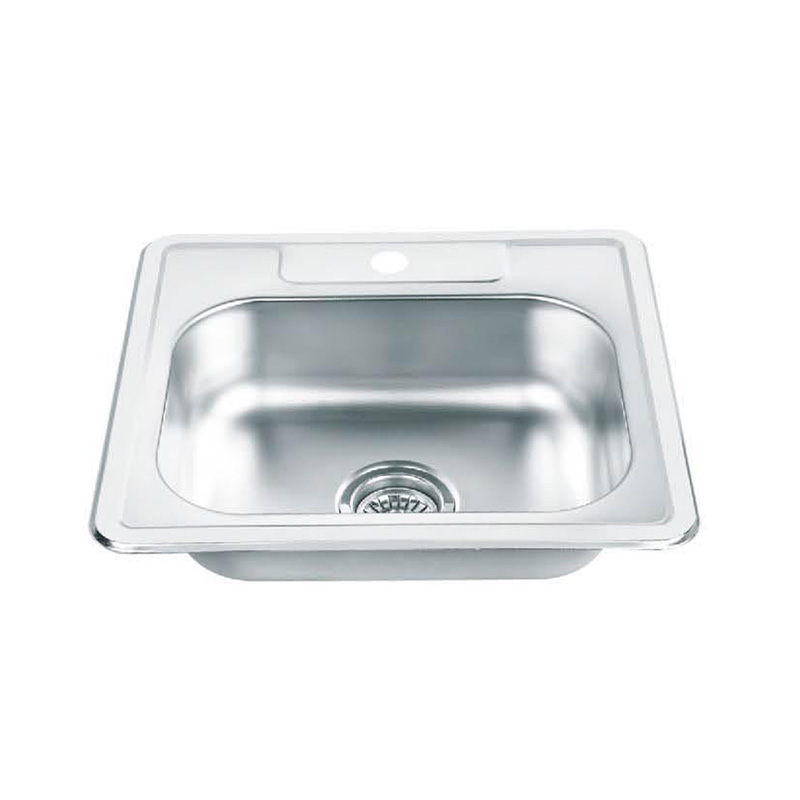
Welcome to our product showcase for the 20"*19" single bowl sink, a blend of practicality and elegance designed to meet the diverse needs of modern kitchens. This compact and efficient sink is tailore...
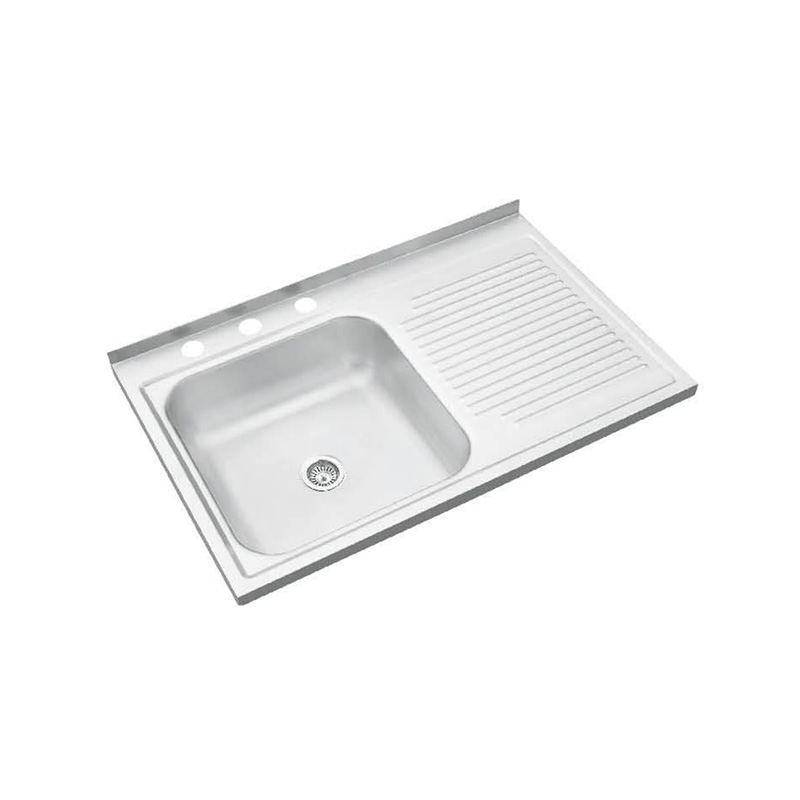
In the realm of kitchen fixtures, versatility and efficiency are important. Our 800*500 mm Left Bowl with Right Tray Sink offers a seamless blend of functionality and convenience, tailored to suit var...
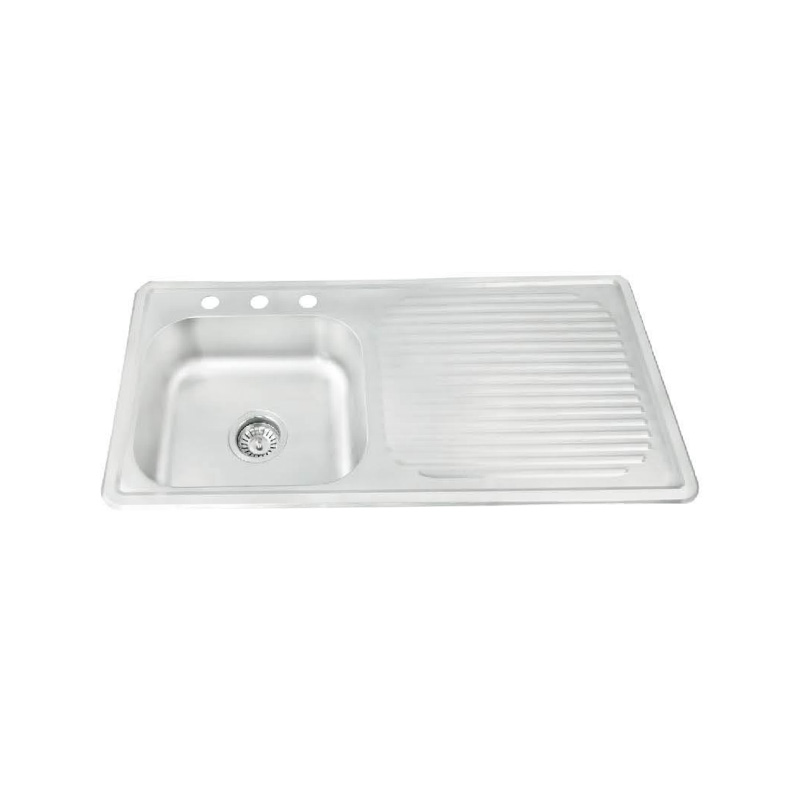
The 1000*500 mm left bowl with right tray sink is a good choice for modern kitchens requiring both style and functionality. This versatile sink is designed to handle the demands of a busy kitchen whil...
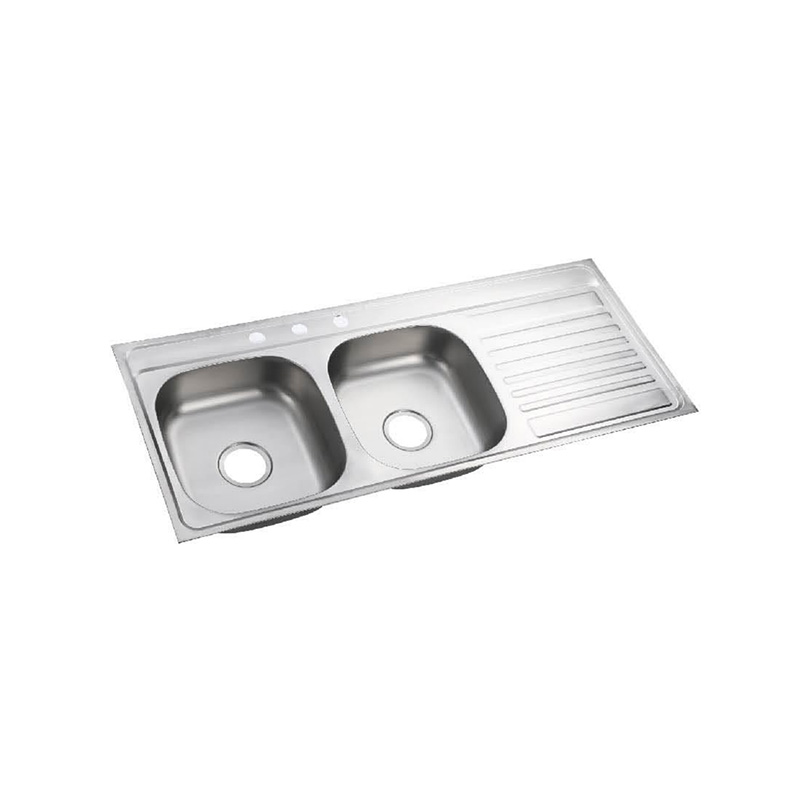
Introducing the 1200*500 mm left double bowl with right tray sink, a versatile solution for modern kitchens seeking enhanced functionality and convenience. This meticulously crafted sink combines the ...
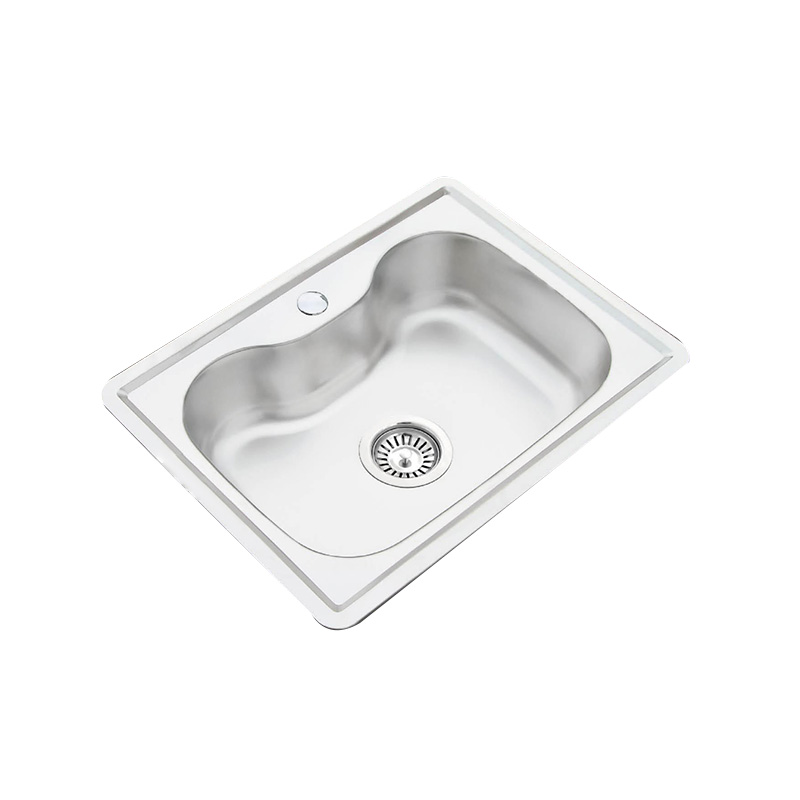
In the evolving world of kitchen design, the need for compact, efficient, and durable solutions has never been greater. Our 600*420 mm single bowl sink addresses these needs suitablely, combining spac...
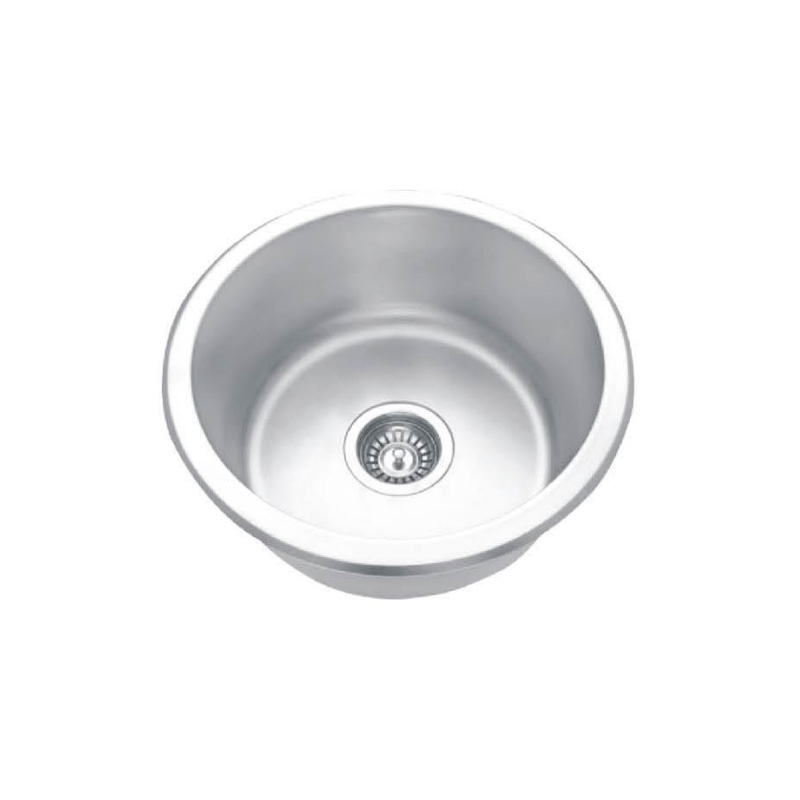
In the realm of functional kitchen fixtures, the sink reigns as a pivotal element. Enter our 420*420 mm round single bowl sink, a combination of utility and elegance that redefines kitchen essentials....

TaiZhou RunHeng Sanitary Ware Co., Ltd is an export-oriented enterprise integrating R&D, production and sales of stainless steel kitchen sink.
Copyright © 2024 TaiZhou RunHeng Sanitary Ware Co., Ltd. All Rights Reserved.
Commercial Undermount Kitchen Sinks Factory